
Scientists Test Wireless Power Transmission, With Electric Vehicles Also in Focus
Just a few years ago, wireless power transfer sounded like an elegant theory. Today, it’s back in the spotlight—and moving closer to real-world use.
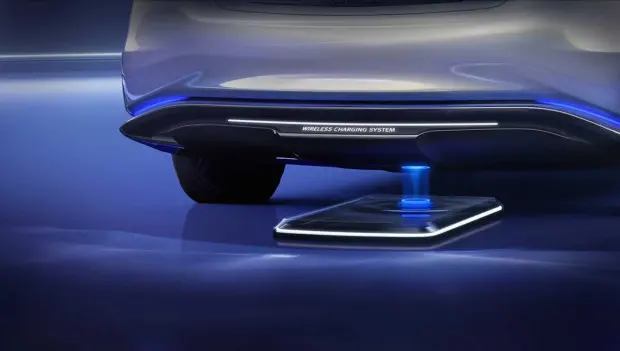
Not long ago, the idea of transmitting electricity without wires seemed more like science fiction than engineering. But interest in wireless power is growing again, driven by a simple question: if data has been moving through the air for decades, why shouldn’t energy do the same? While the technology is still far from replacing conventional power grids, recent experiments are beginning to clarify both its potential and its limits.
Finland has become one of the testing grounds where theory is turning into practice. Researchers from the University of Helsinki, Aalto University, and the University of Oulu are experimenting with ways to deliver power without plugs or cables. The core concept relies on electromagnetic fields—energy is transmitted through space rather than along copper wires.
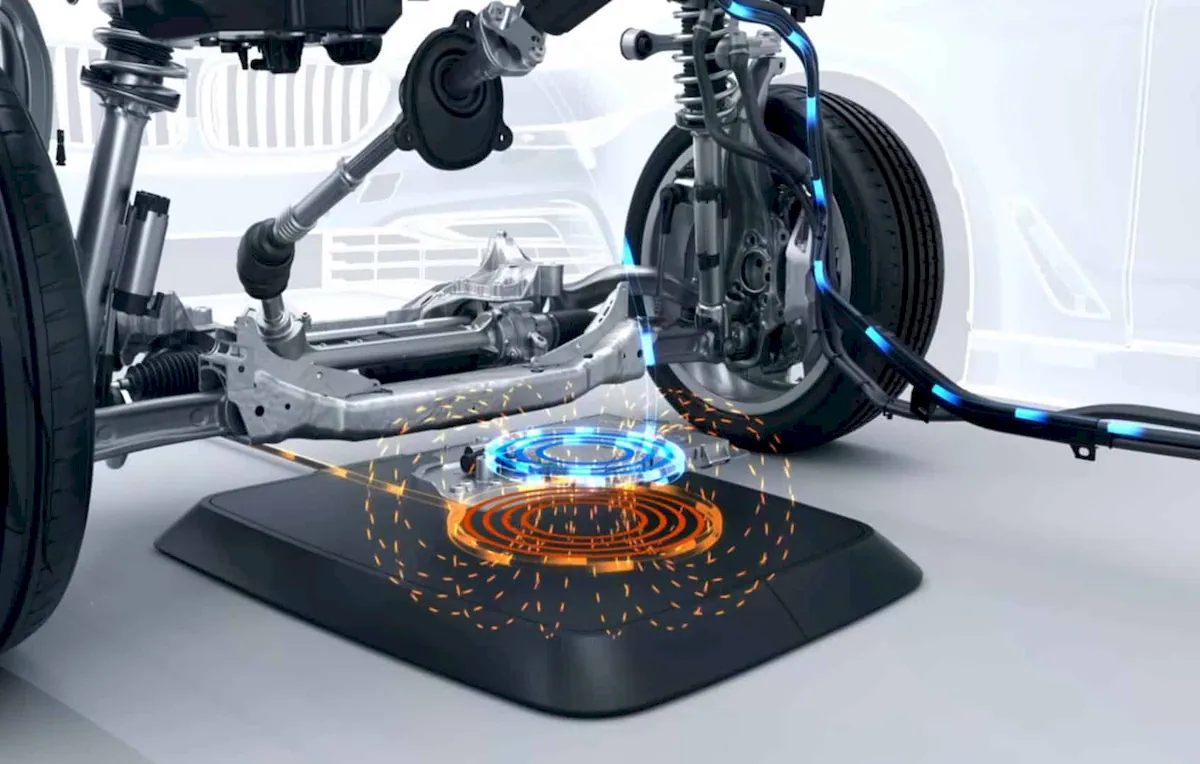
Several projects are based on what researchers sometimes call “acoustic cable” systems. In practice, this means magnetic induction and resonant coupling. The transmitter and receiver must be tuned to the same frequency; if they aren’t, efficiency drops sharply.
Key features of the approach include:
-
Power is transferred via an electromagnetic field, without physical contact.
-
Resonance is critical: the system works efficiently only when transmitter and receiver are frequency-matched.
-
The underlying principle is similar to the wireless charging pads used for smartphones.
-
Comparable solutions already exist in vehicles, where wireless charging zones are built in for mobile devices.
Electric vehicles: charging without cables
One area drawing particular attention is wireless charging for electric vehicles. The idea itself isn’t new, but it has gained renewed interest as automakers float the concept in future models. Porsche, for example, has previously mentioned wireless charging scenarios in connection with the latest Cayenne. In theory, cable-free charging could make EV ownership more convenient. In practice, however, everything comes down to efficiency and distance.
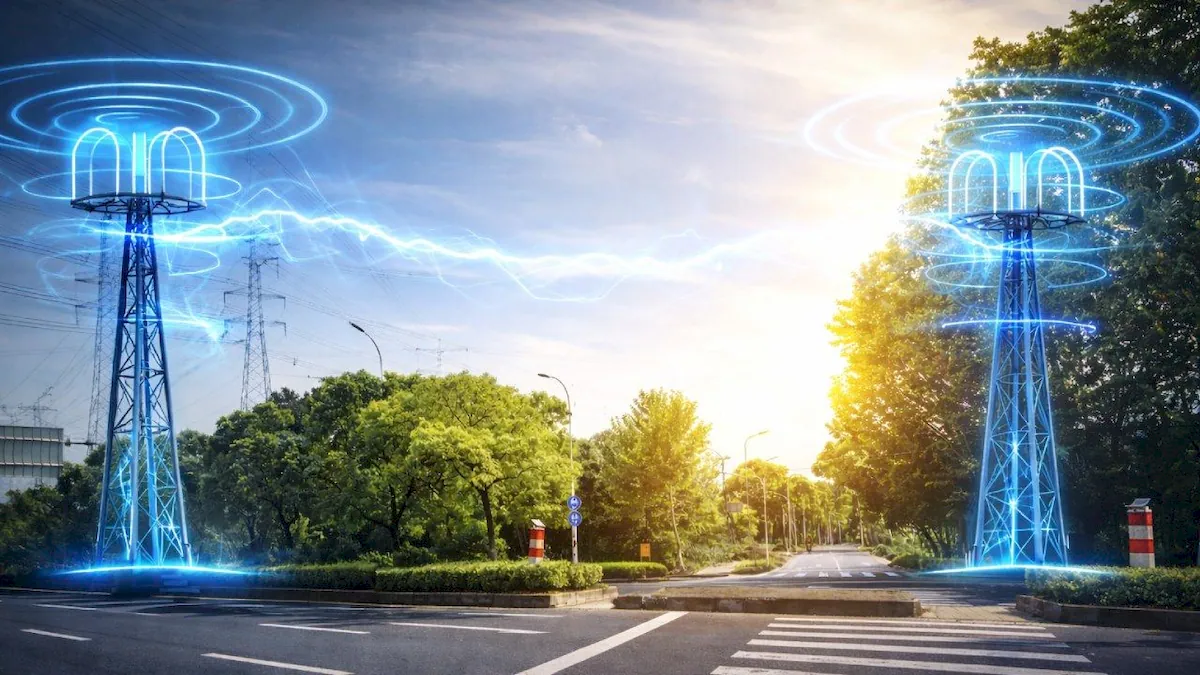
In laboratory conditions, researchers have successfully powered small devices wirelessly. The tests revealed a clear pattern: the technology performs best over short distances and at relatively low power levels. Much of the current research is focused on reducing energy losses during transmission.
The scientists concluded that at short ranges, wireless power systems are stable and predictable. As the distance increases, efficiency drops significantly. For large-scale commercial use, the technology will require further refinement and higher overall efficiency.
It’s unlikely that wireless power will replace traditional electrical networks anytime soon. Still, it has clear niche applications—especially in situations where cables are impractical, inconvenient, or unsafe.
Despite the limitations, researchers in Finland and elsewhere have already proven a fundamental point: electricity can be transmitted through the air without physical connections. Looking ahead, the technology could find uses in urban environments and large facilities. In the longer term, it may prove valuable in disaster zones where infrastructure is damaged, or in remote locations where maintaining power lines is difficult or costly.
Why mass adoption is still a long way off
Wireless power transmission will require years of testing and fine-tuning. Beyond engineering challenges, clear regulations will be needed, including safety rules, technical standards, and compatibility requirements. Even so, the technology fits well into the broader vision of a hyper-connected economy—one where systems are smarter, more autonomous, and energy becomes more flexible in how it’s delivered.
You may also be interested in the news:
Audi Reveals EV With Unusual Door Handles
Audi has unveiled the new A2 E-Tron, an electric hatchback with distinctive styling and tiny flush-mounted door handles.
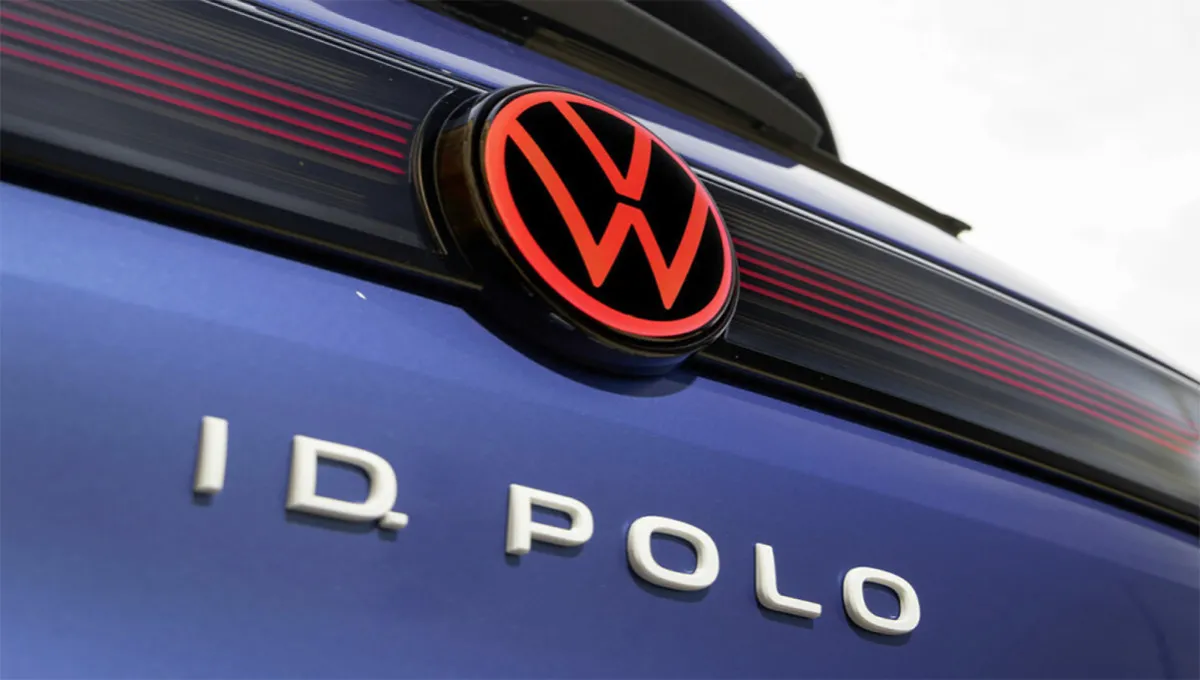
Volkswagen ID. Polo Demand Is So Strong Buyers Face a Nearly Yearlong Wait
Demand for Volkswagen’s affordable EV is so strong that buyers may wait nearly a year before taking delivery.
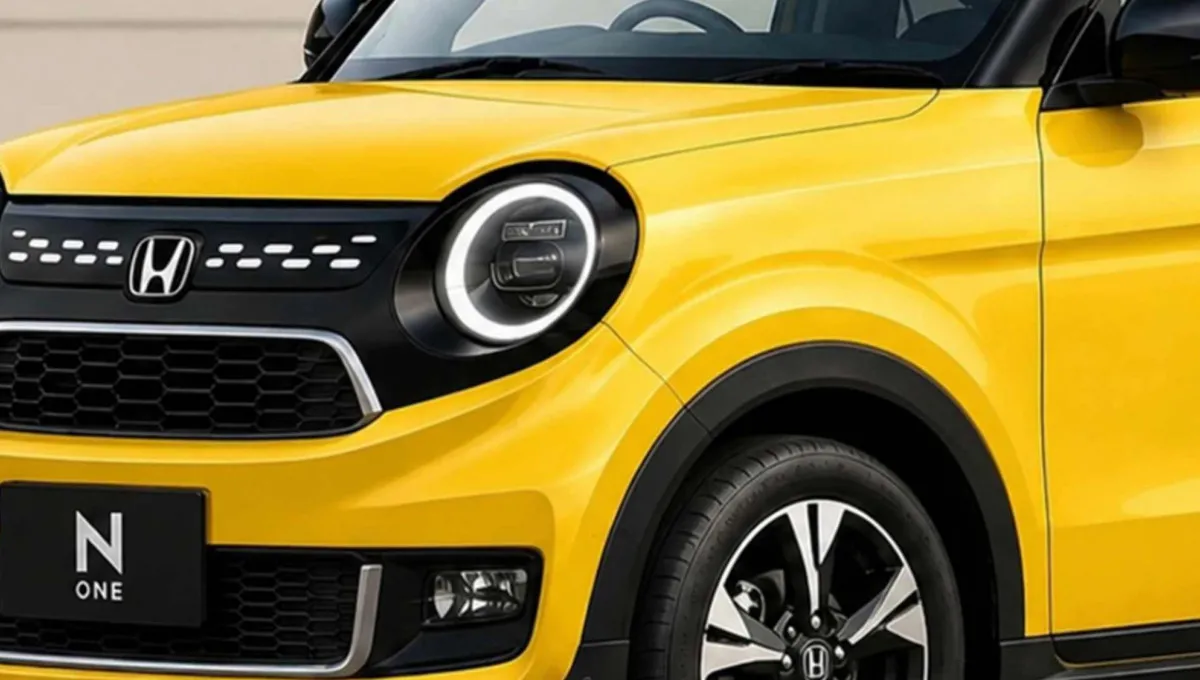
Next-Generation Honda N-One Appears in First Renderings
The Honda N-One family expanded in 2025 with the electric N-One e:, while the gasoline-powered RS received an update.
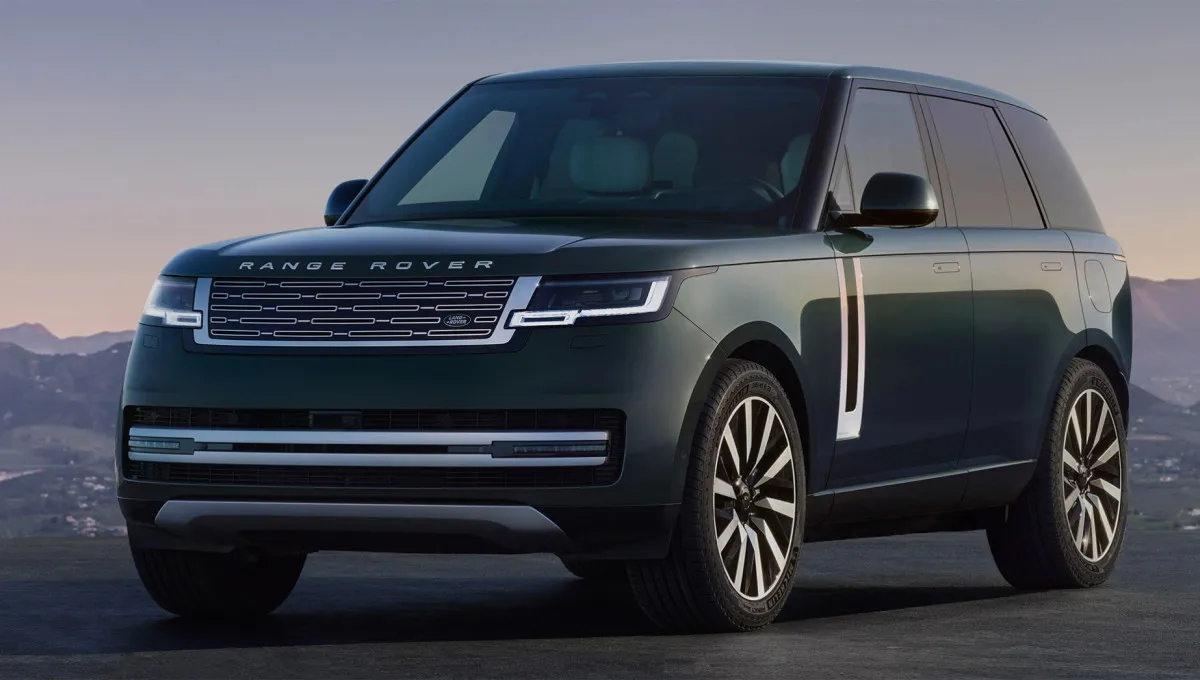
Range Rover Electric Revealed With Serious Off-Road Capability and Sports-Car Performance
British automaker Land Rover has unveiled the all-electric Range Rover, revealing pricing for an SUV that blends extreme off-road capability with sports-car performance.
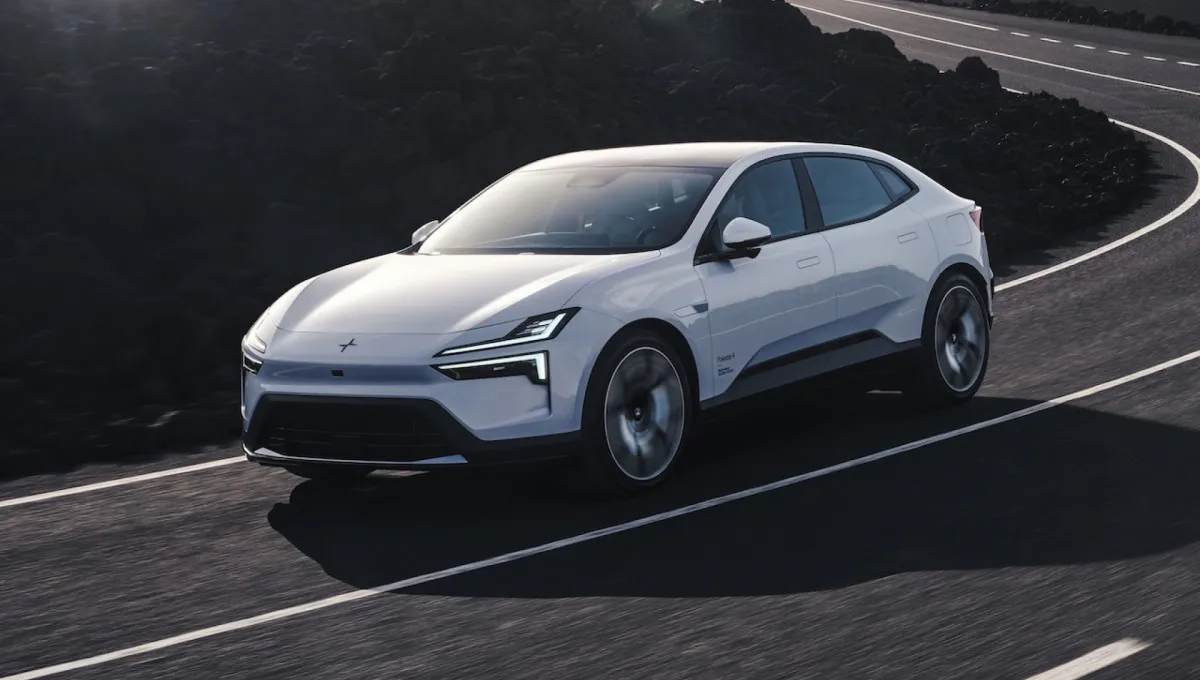
Plug the Polestar 4 Into a 200-kW Charger and Get 80 Percent in 30 Minutes
The Polestar 4’s off-road-ready version rides on the familiar SEA platform, with upgraded sensors and revised battery technology underneath.