
They Rarely Break Down: Three Affordable Korean Crossovers That Stand Out for Reliability
Experienced mechanics have singled out three Korean-built crossovers that combine reasonable prices on the used market with proven long-term dependability.
For American drivers shopping for a reliable compact crossover on the used market, vehicles from Hyundai and Kia continue to rank among the safest bets. Over the past decade, both brands have made major strides in build quality, drivetrain durability, and overall ownership costs — and several models have earned a reputation for aging gracefully even with higher mileage.
One of the strongest contenders is the fourth-generation Kia Sportage (sold in the U.S. from the 2017 through 2022 model years). Most American-market Sportage models came equipped with the naturally aspirated 2.4-liter four-cylinder gasoline engine producing about 181 horsepower, paired with either a six-speed automatic or all-wheel drive.
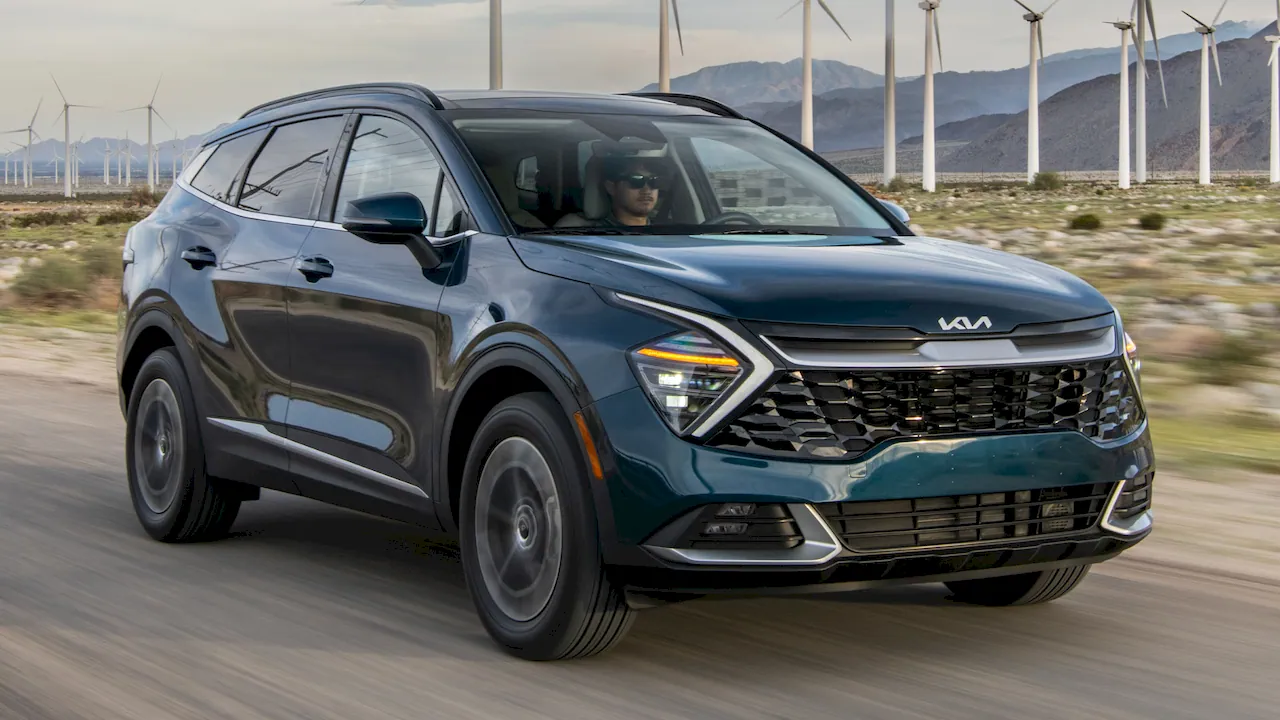
According to technicians, this powertrain is known for its straightforward design and solid reliability record. “Even after 60,000 to 80,000 miles, these engines and transmissions usually remain in good shape if basic maintenance has been followed,” mechanics say. While turbocharged versions were also available, it’s the standard 2.4-liter setup that tends to deliver the fewest surprises over time.
Another smart choice is the third-generation Hyundai Tucson (2016–2021 in the U.S.). Buyers here typically encounter either a 2.0-liter naturally aspirated engine or a 1.6-liter turbocharged unit. The base 2.0-liter paired with Hyundai’s conventional automatic transmission is widely viewed as the most durable configuration.
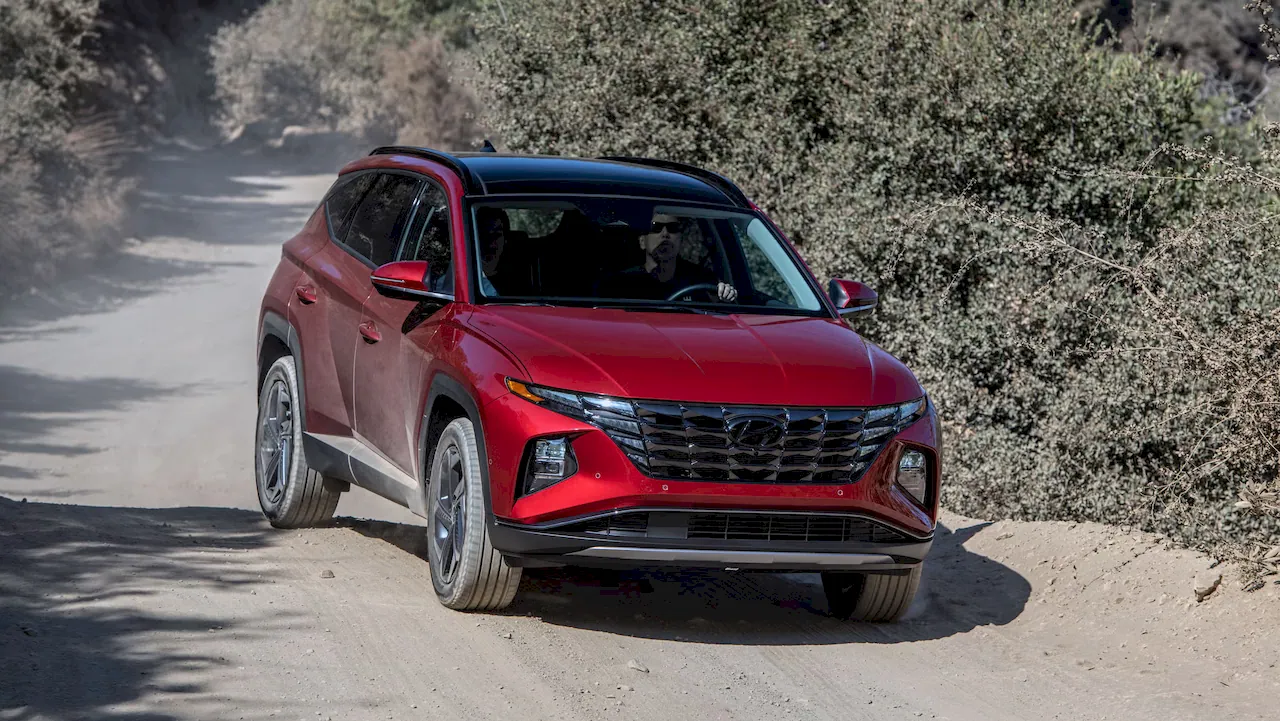
What helps the Tucson stand out is its well-rounded nature. Even entry-level trims often include a rearview camera, dual-zone climate control, heated seats in many regions, and modern safety tech. Mechanics also praise its automatic transmission, calling it one of the more long-lasting gearboxes in the compact crossover segment.
For shoppers looking at something slightly smaller and more urban-friendly, experts also recommend the Hyundai Kona, which effectively fills the role that the Creta plays in other markets. In the U.S., the Kona is commonly found with a 2.0-liter gasoline engine and a traditional automatic transmission — a combination that has proven both efficient and resilient.
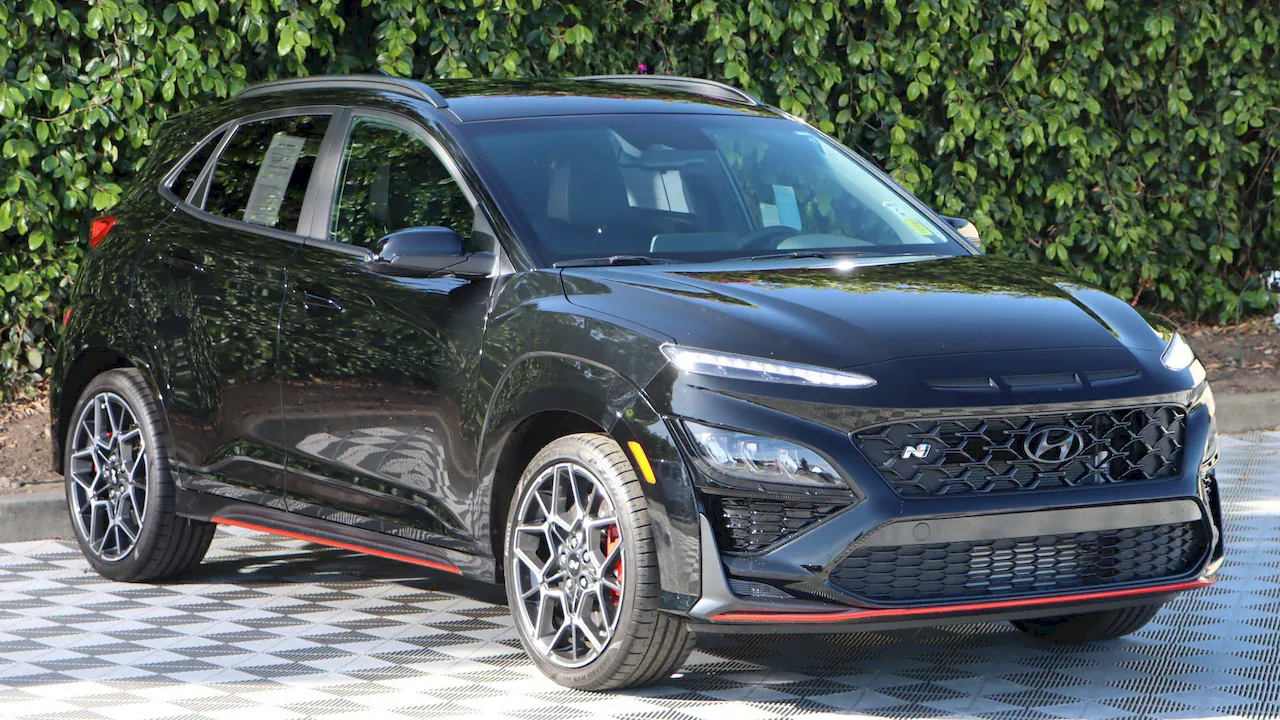
The Kona earns high marks for its sturdy suspension, dependable electronics, and relatively low repair frequency. Owners also appreciate its manageable running costs and surprisingly refined ride quality for a subcompact crossover.
Across all three models, specialists emphasize one key point: regular oil changes and basic preventive maintenance go a long way. When properly cared for, these Korean crossovers often exceed 150,000 miles without major drivetrain issues, making them attractive options for budget-conscious buyers who still want modern features and peace of mind.
In today’s used-car market, where prices remain elevated, finding vehicles that balance affordability with real-world reliability is no small task. Fortunately, the Sportage, Tucson, and Kona continue to prove that smart engineering — not luxury branding — is what truly pays off in the long run.
You may also be interested in the news:
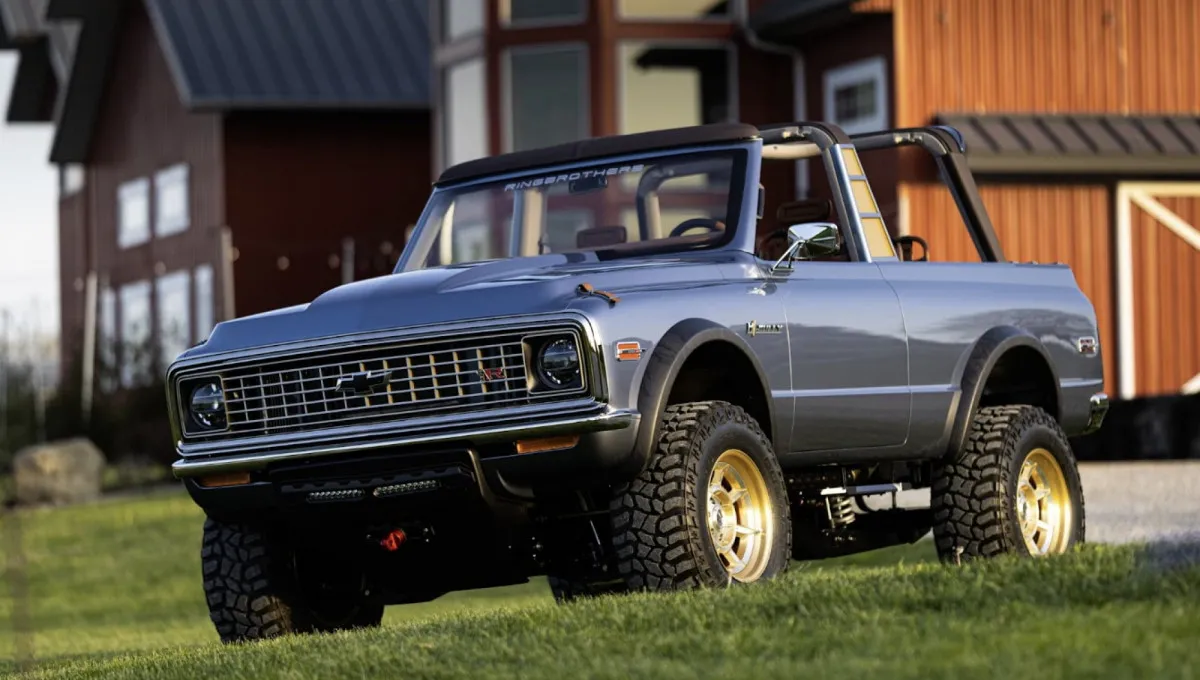
This 1,160-HP 1972 Chevrolet K5 Blazer Bully Is Going to Auction for the First Time
Ringbrothers’ 1972 Chevrolet K5 Blazer Bully, packing 1,160 horsepower, is heading to Mecum’s Nashville auction.
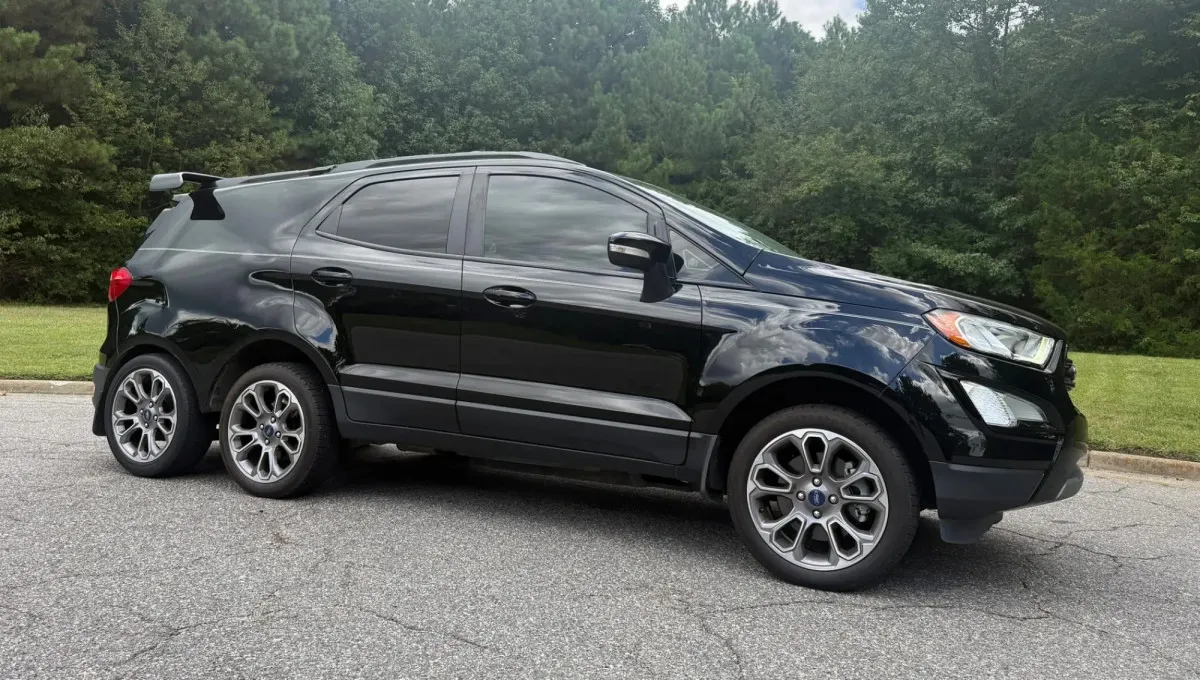
Someone Turned a Ford EcoSport Into a Six-Wheeled SUV — And It's Selling for Just $7,000
An extremely unusual six-wheeled conversion of Ford’s compact crossover has landed on the Bring a Trailer auction block.
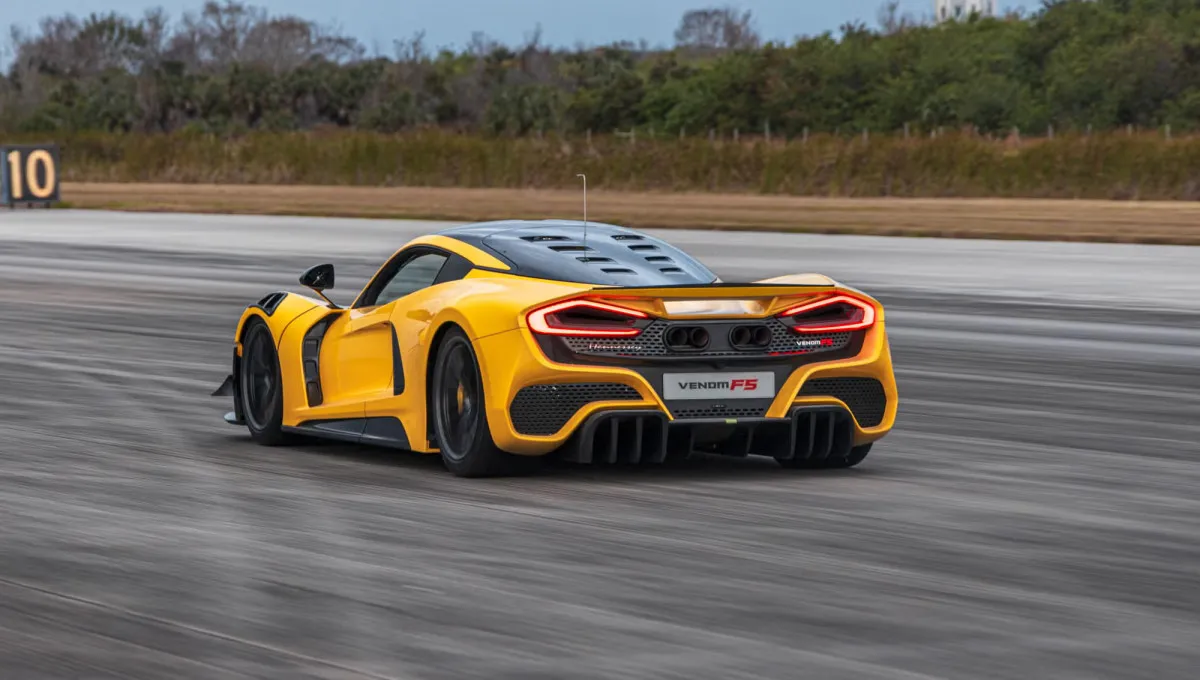
Experts Name the Two Most Powerful Production Sports Cars in the U.S.
American sports cars continue to impress with their horsepower, speed and innovative engineering, with two models standing above the rest.
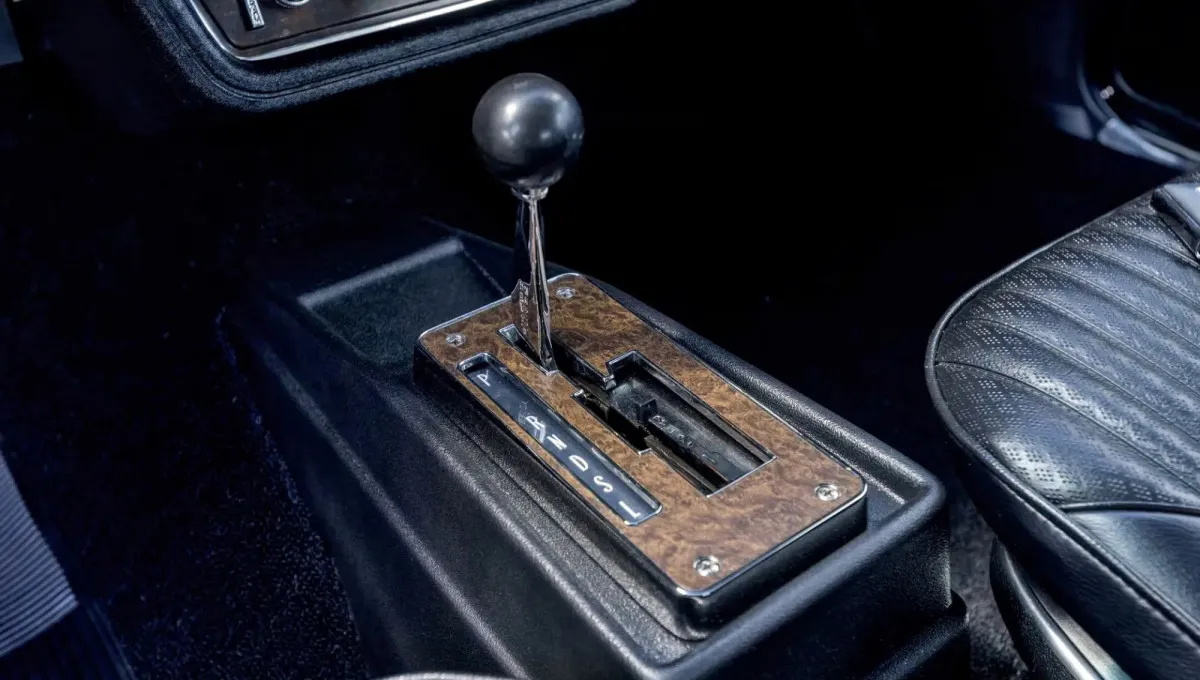
How Oldsmobile Invented a Manual Gearbox for an Automatic
Long before paddle shifters and electronic driving modes, Oldsmobile found a clever mechanical way to let drivers shift an automatic transmission themselves.
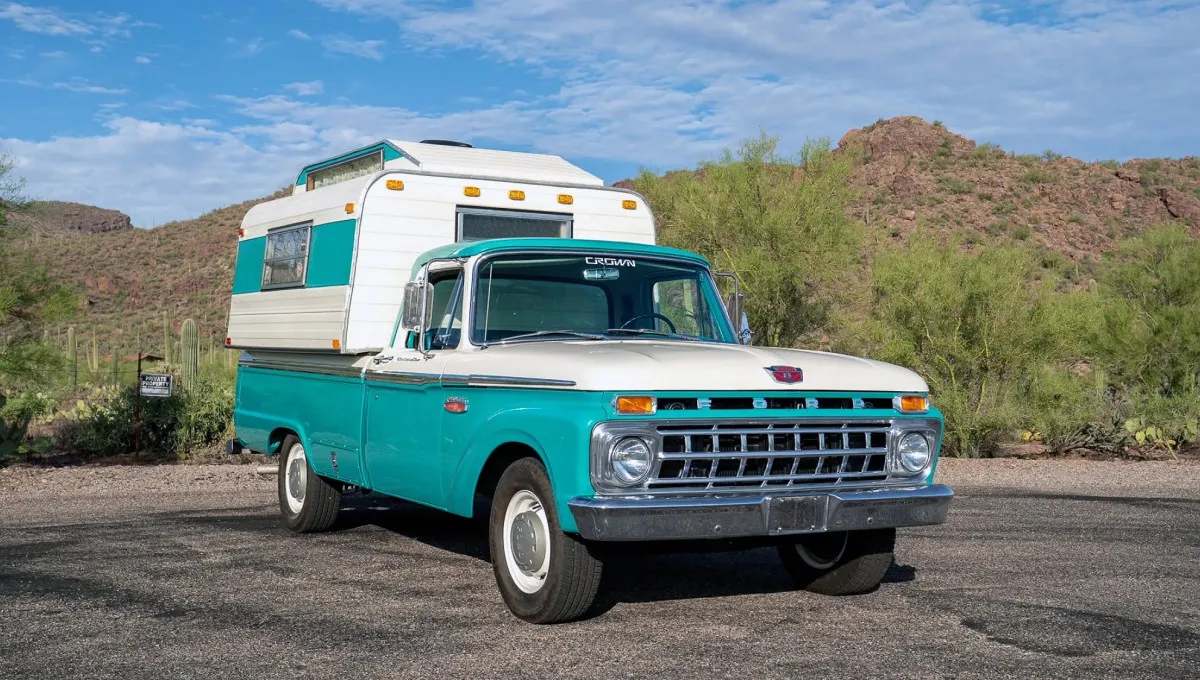
This 1965 Ford F-250 With a Mitchell & Sons Camper Is a Charming Retro Travel Companion
The 1965 Ford F-250 and Mitchell & Sons camper share colors, period styling, and compatibility.