
An Awkward Moment for Volkswagen: Scout Project Costs Jump 50% Before Terra and Traveler Even Go on Sale
A couple of years ago, Volkswagen Group spoke confidently about bringing the Scout name back to the North American market. The plan seemed straightforward: create a standalone U.S. brand for electric pickups, SUVs, and 4×4s.
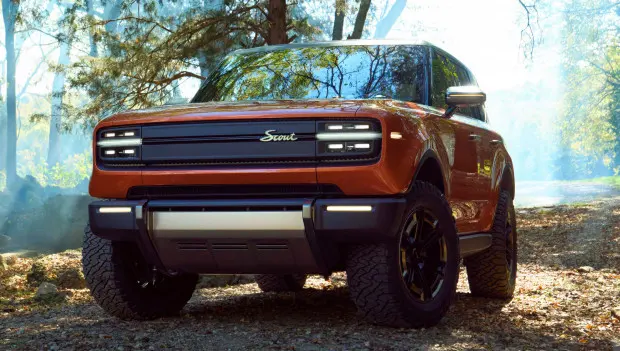
A few years ago, Volkswagen Group was openly confident about reviving the Scout name in North America. The strategy looked logical: launch a dedicated U.S.-based brand focused on electric pickups, SUVs, and off-road 4×4 vehicles, lean heavily on nostalgia and emotional appeal, and quickly bring the Terra and Traveler models to market. But nearly four years later, the project has turned out to be far more complex—and significantly more expensive—than originally expected.
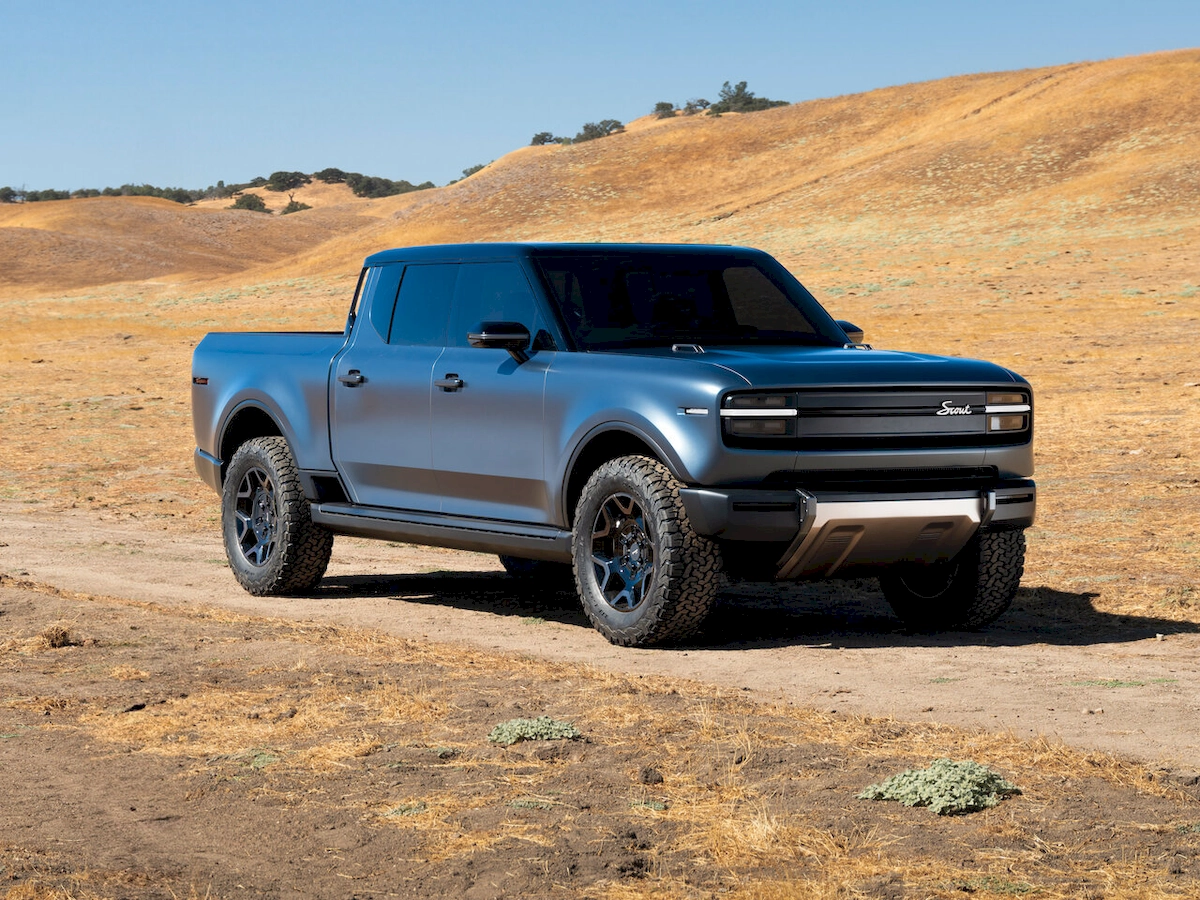
The first deliveries of the Scout Terra and Scout Traveler are now expected no earlier than late 2027 or early 2028. Meanwhile, the industrial bill has already raised eyebrows: investments initially estimated at around $2 billion are now approaching $3 billion. That’s a roughly 50% increase—and just the tip of the iceberg when it comes to the project’s growing challenges.
Why Volkswagen Is So Attached to the Scout Name
To understand VW’s commitment to the Scout brand, it helps to revisit the history of International Harvester.
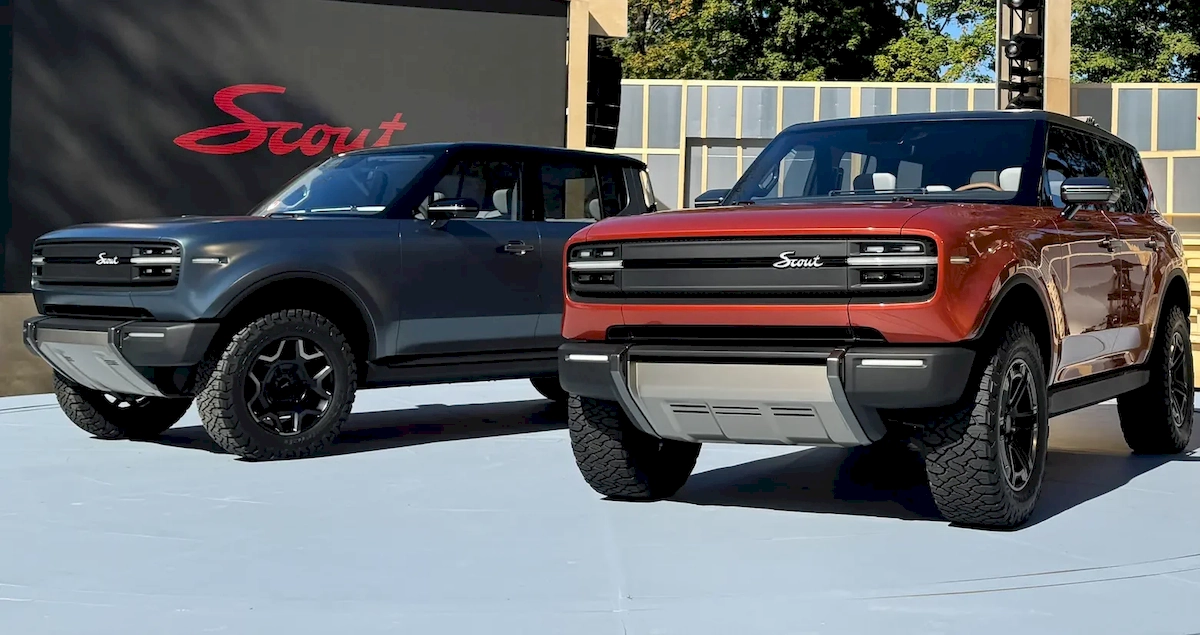
International Harvester was a traditional American manufacturer of trucks, pickups, and agricultural equipment. Notably, the brand had a significant presence in Brazil as early as the 1920s and even produced trucks in Santo André, São Paulo, between 1958 and 1965.
In the U.S., the company introduced a compact four-wheel-drive vehicle in 1961 that was more suitable for daily use than the Jeep Willys. That vehicle became the Scout—a hybrid of a Jeep, a utility vehicle, and a pickup. Over two decades, the Scout evolved with more powerful engines and more comfortable trims, effectively helping shape the formula that would later become standard for modern SUVs. Production ended in 1980, with total output reaching 532,000 units.
After a severe financial crisis in 1986, International Harvester was renamed Navistar International. Crucially, the legal rights to the historic IH brands—including Scout—remained with the new company.
That set the stage for Volkswagen. VW Group’s truck division, Traton SE, acquired a stake in Navistar in 2017 and completed a full takeover in 2021. As a result, Volkswagen AG gained control not only of Navistar’s industrial operations but also its heritage—including the Scout name.
Two Names, Two Missions
Volkswagen decided to clearly separate brand identities:
-
International for heavy-duty trucks
-
Scout for “adventure-oriented” vehicles, reimagined in electrified form
The picture was further reinforced by a decision announced in late 2024: Navistar would be renamed International Motors, effectively restoring the historic International Harvester identity within VW Group. One original 1960s Scout even found its way into the Zeithaus Museum at Volkswagen’s Autostadt complex in Wolfsburg.
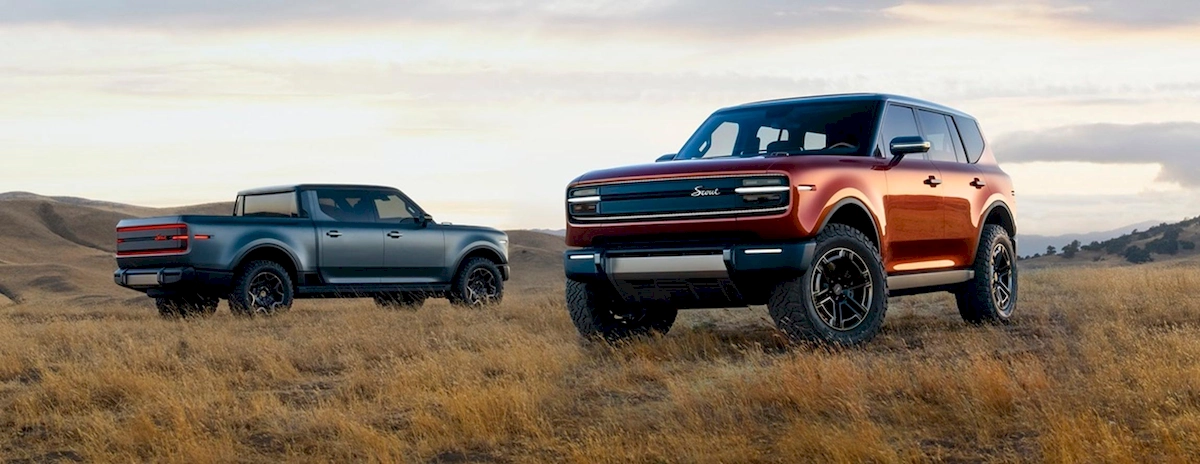
Costs Spiral at the South Carolina Plant
A cornerstone of the Scout Motors strategy was a new factory in Blythewood, South Carolina, announced in 2022. Since then, however, economic conditions have shifted—and the project has grown heavier on multiple fronts.
Key drivers behind rising costs include:
-
Inflation in core materials such as steel, concrete, and industrial equipment
-
A shortage of skilled labor and tight timelines, driving up contract and service costs
-
A decision to expand the site and develop a surrounding supplier park—a popular model, but one that requires major upfront investment
The South Carolina state government has also felt the strain. Site preparation and environmental compliance costs tied to permitting the facility came in well above expectations. As a result, the budget shortfall linked to the project has already exceeded $150 million.
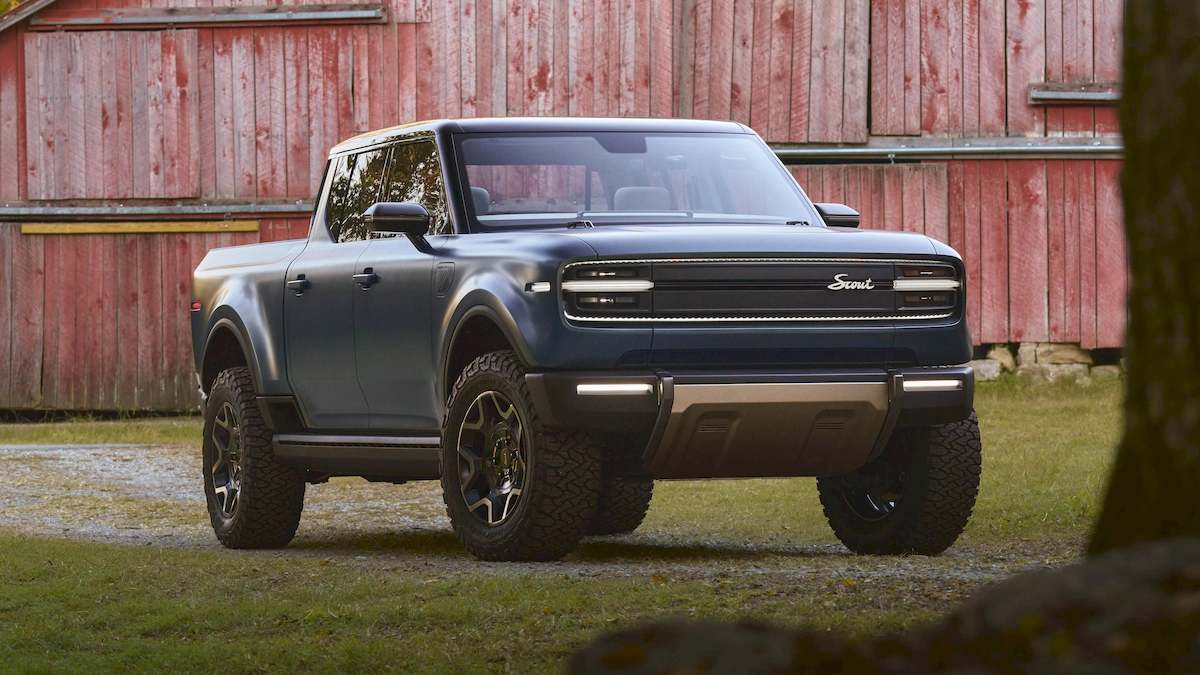
From Pure EVs to Range Extenders
Scout was originally conceived as a 100% electric brand. But the market—especially for large SUVs and pickups—has proven less clear-cut, with a sizable portion of North American buyers still skeptical of fully electric vehicles.
In response, Scout announced Harvester, a range-extender solution. This is an EREV (Extended-Range Electric Vehicle) setup, where an internal combustion engine functions solely as a generator, with no mechanical connection to the wheels.
Scout CEO Scott Keogh confirmed that interest in this configuration has been massive: an estimated 80–85% of reservations are for the range-extender version. That level of demand forced the company to rethink its entire manufacturing strategy.
A plant originally optimized for BEVs must now support two fundamentally different products. That means:
-
More trim and configuration variants
-
Additional testing and validation procedures
-
A broader supplier base
-
Increased logistical complexity
Crucially, none of this was factored into the original budget.
Powertrain Details Emerge
According to available information, the internal combustion engine used in the Harvester system will likely come from Volkswagen’s turbocharged EA211 family and be produced at the Silao plant in Mexico. One interesting packaging detail: the engine is expected to be mounted at the rear, behind the axle. This layout helps:
-
Preserve a large front trunk (frunk)
-
Improve weight distribution
-
Move noise and vibration farther away from the cabin
It’s a practical solution—and one that even echoes some classic Volkswagen design traditions.
The electric side of the system is said to include an LFP battery with a capacity of roughly 60–70 kWh. Scout is promising about 150 miles of electric-only range, with total driving range exceeding 500 miles, and no noticeable loss of performance even when the generator is running.
Direct Sales: Another Flashpoint
Scout Motors initially planned to sell vehicles directly to customers, following the model used by Tesla, Rivian, and Lucid. The appeal is obvious: price control, higher margins, and fewer dealer markups.
But franchise laws in many U.S. states restrict this approach. Dealer associations argue that Scout is not an independent startup, but a Volkswagen Group entity attempting to sidestep existing franchise agreements.
Why the Harvester Made Things Worse
When Scout announced the Harvester version with an internal combustion engine, the dispute intensified. The brand effectively moved out of the legal gray zone that sometimes applies to all-electric vehicles. Dealers argue that once an ICE is involved, there’s no justification for bypassing Volkswagen’s established dealer network.
If Scout loses in state courts, it will face two costly options:
-
Move sales to Volkswagen’s existing dealer network, sacrificing a higher-margin business model
-
Invest an estimated $1–2 billion in building its own sales and service infrastructure
An Awkward Moment for Volkswagen
All of this is unfolding against the backdrop of Volkswagen AG’s aggressive cost-cutting program, which aims to reduce expenses by up to €12 billion by the end of 2026. That makes the escalating Scout investment increasingly controversial inside the company—especially as VW simultaneously pursues technology partnerships with players that could be seen as direct competitors, including Rivian.
If current trends continue, what started as a bold revival could go down as a “billion-dollar problem”—one of the most expensive experiments in modern automotive history, even before the first Terra and Traveler reach customers.
You may also be interested in the news:
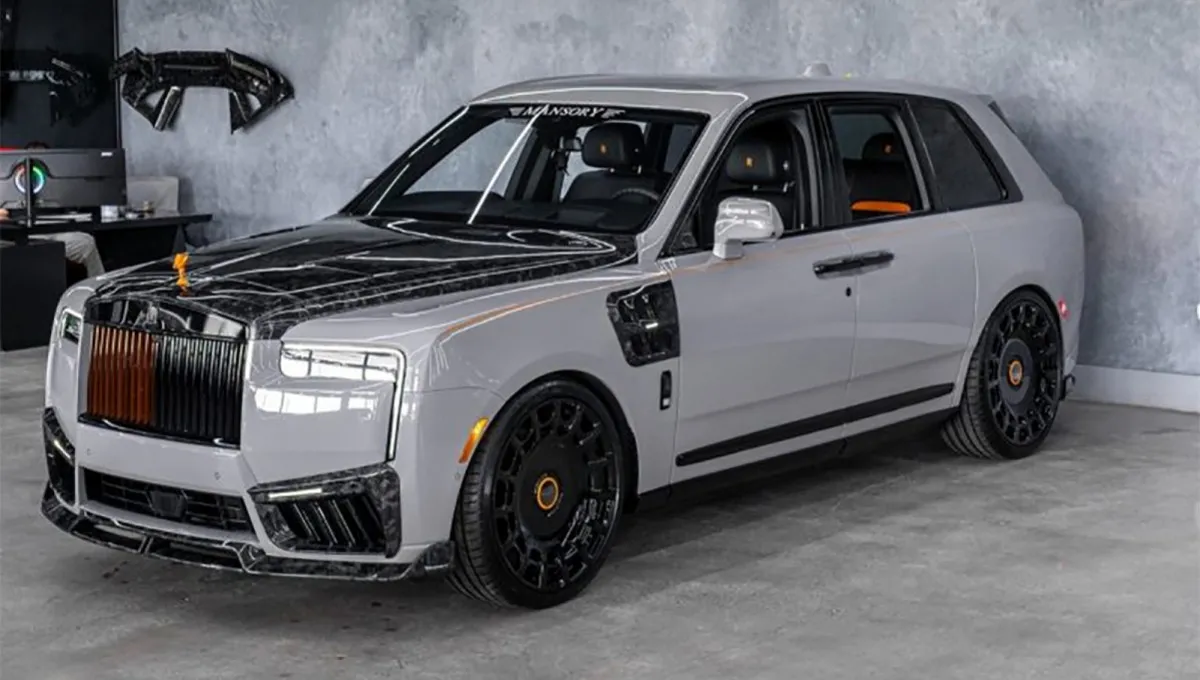
Mansory Gives the Rolls-Royce Cullinan a Wild New Look With Carbon, Orange and 720 HP
Mansory has transformed the Rolls-Royce Cullinan into a dramatically styled luxury SUV with carbon fiber, orange accents and more power.
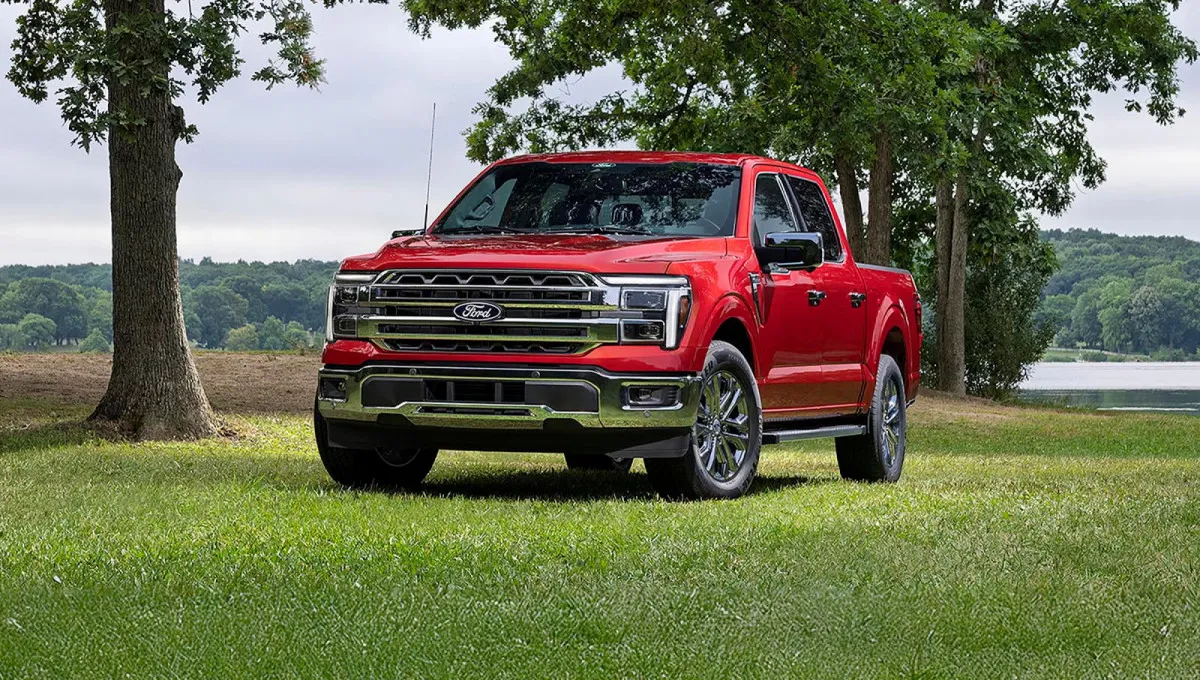
Ford Just Gave the 2027 F-150 a New Engine, Hands-Free Trailer Towing and a Carhartt Edition
Ford has updated the 2027 F-150 with a new V6, trailer-capable BlueCruise and a rugged Carhartt special edition.
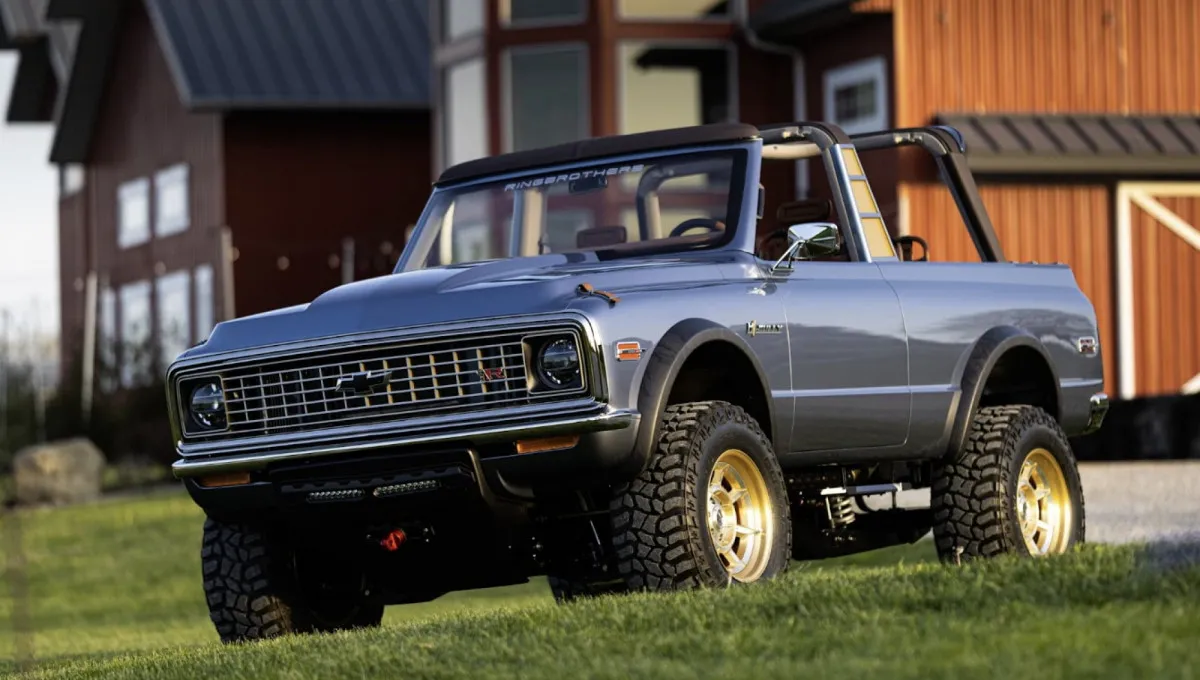
This 1,160-HP 1972 Chevrolet K5 Blazer Bully Is Going to Auction for the First Time
Ringbrothers’ 1972 Chevrolet K5 Blazer Bully, packing 1,160 horsepower, is heading to Mecum’s Nashville auction.
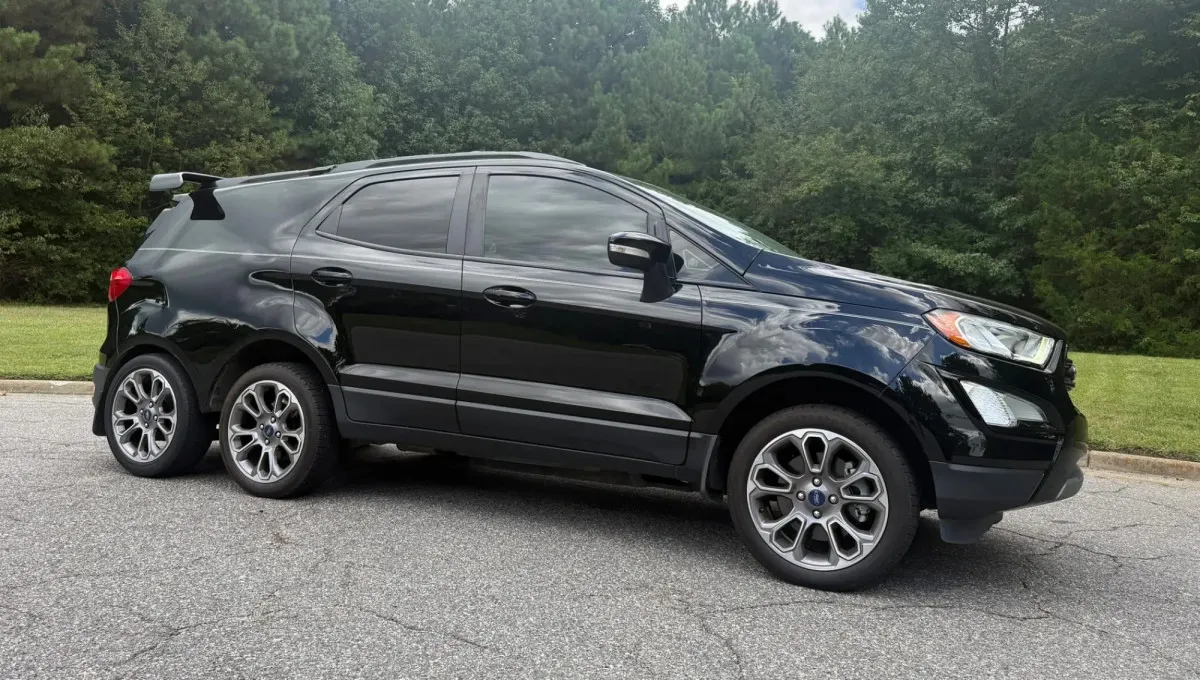
Someone Turned a Ford EcoSport Into a Six-Wheeled SUV — And It's Selling for Just $7,000
An extremely unusual six-wheeled conversion of Ford’s compact crossover has landed on the Bring a Trailer auction block.
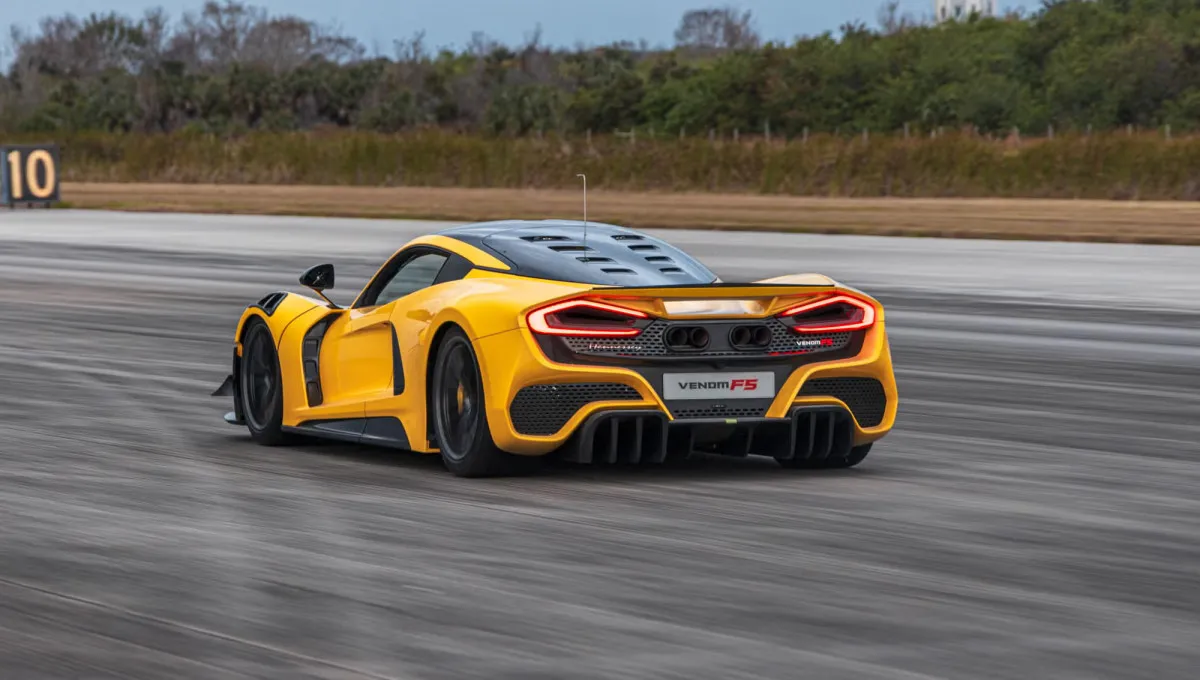
Experts Name the Two Most Powerful Production Sports Cars in the U.S.
American sports cars continue to impress with their horsepower, speed and innovative engineering, with two models standing above the rest.