
Former Nissan and Mercedes Plant in Mexico May Be Sold to Chinese Automakers: What We Know
The COMPAS facility in Mexico, officially set to close in May 2026, could be acquired by Chinese manufacturers. Here’s what we know about the potential deal.
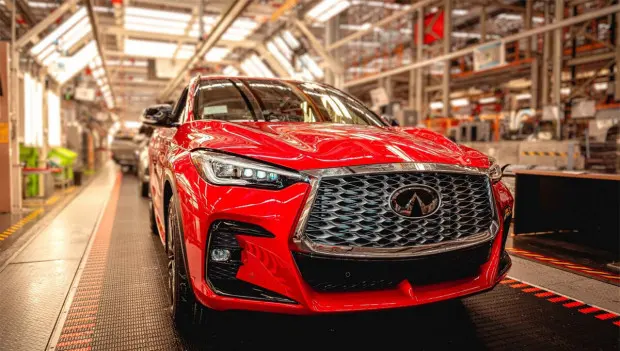
Chinese automakers Chery, BYD, Great Wall Motor (GWM), and Geely have made the shortlist of four finalists bidding to purchase the Cooperation Manufacturing Plant Aguascalientes (COMPAS), a joint venture between Nissan and Mercedes-Benz in central Mexico. The facility is scheduled to shut down in May 2026.
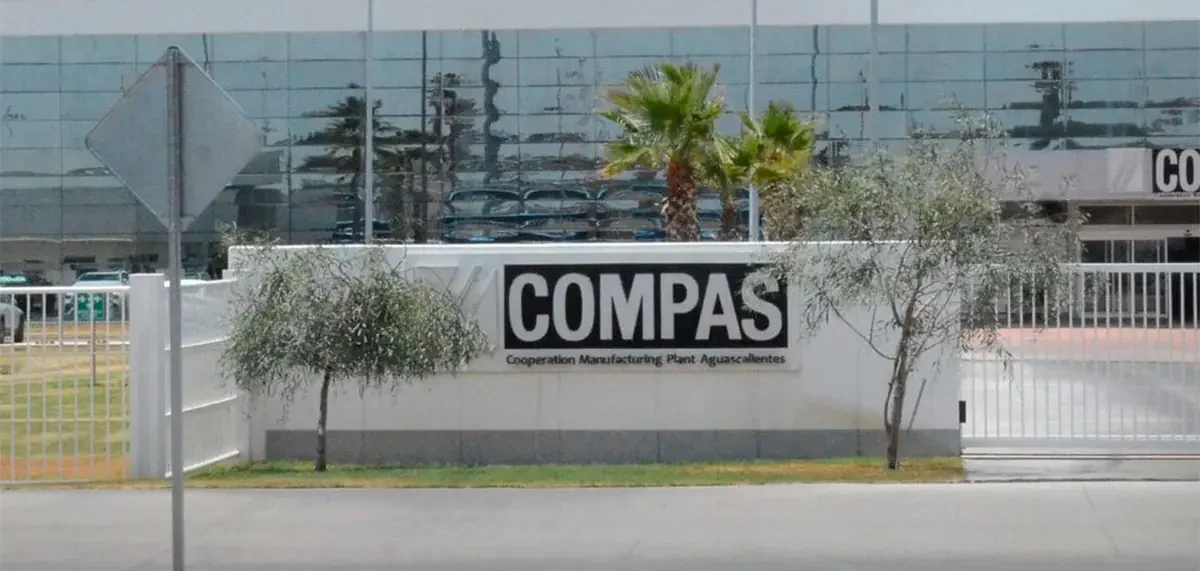
According to China’s Sina, the potential acquisition of the plant—whose annual production capacity stands at 230,000 vehicles—would align with Chinese automakers’ broader strategy to localize manufacturing operations in North America amid the restructuring of global automotive supply chains expected in 2026.
The COMPAS plant, which opened in 2017 as a joint venture between Nissan and Mercedes-Benz, is set to cease operations amid shifting market conditions and tariff pressures. Unofficial reports suggest that nine companies initially expressed interest in acquiring the facility. Among those publicly named are China’s BYD, Geely, Chery, and Great Wall Motor, as well as Vietnam’s VinFast, which has also advanced to the final negotiation stage.
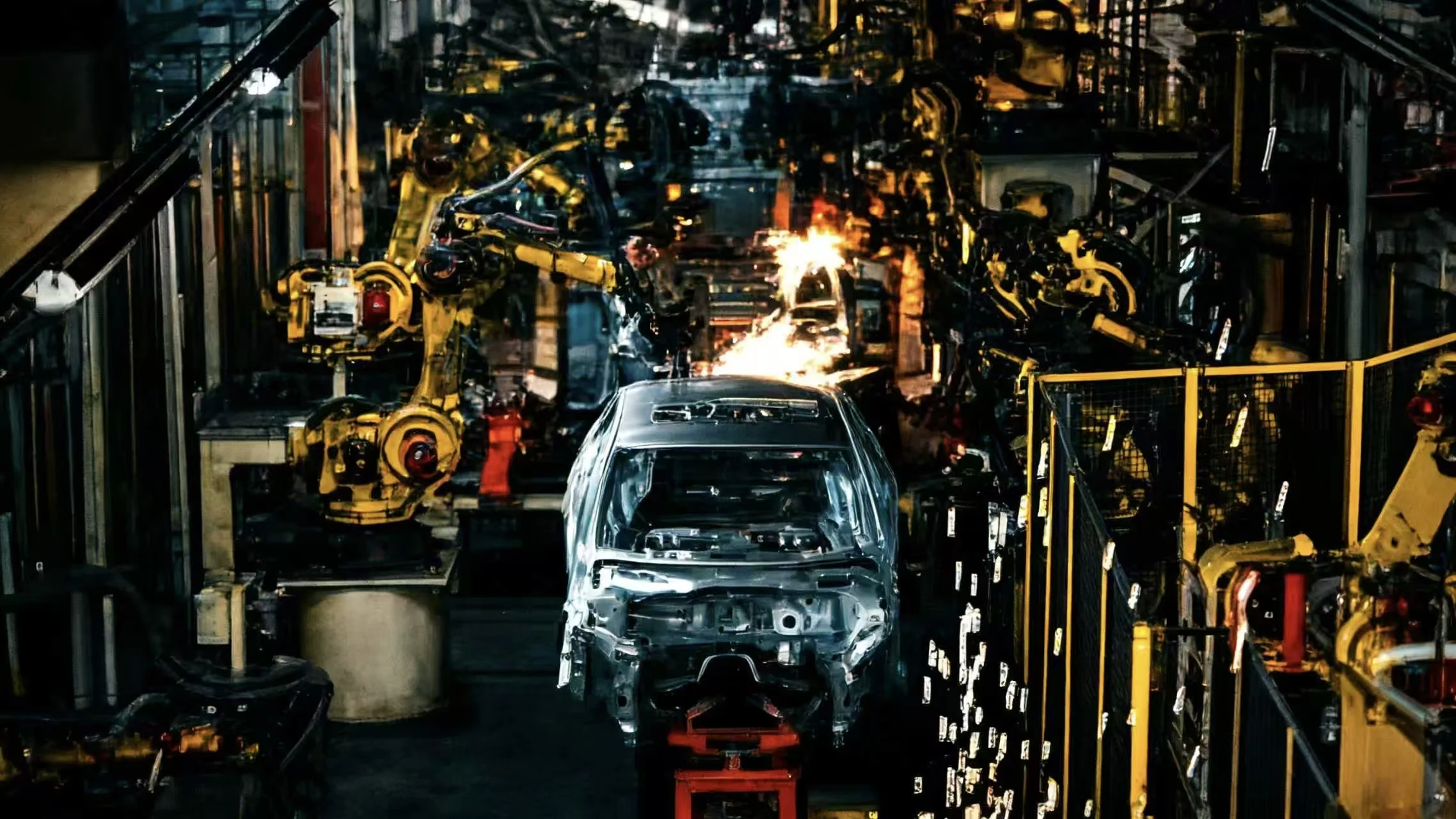
Chinese sources indicate that at earlier stages of discussions, other major Chinese automotive groups—including SAIC Motor—were also mentioned as potential buyers.
For decades, Mexico’s automotive sector has been heavily export-oriented, with the United States absorbing a significant share of locally produced vehicles. However, recent U.S. tariff policies have slowed production and contributed to job losses, prompting industry leaders and Mexican policymakers to weigh the potential economic benefits of new foreign investment against broader trade headwinds.
This competitive bid differs from previous attempts by Chinese automakers to build new factories from the ground up in Mexico—plans that were put on hold due to regulatory and geopolitical uncertainty. Acquiring an existing facility like COMPAS could provide a faster path to localized assembly, enabling manufacturers to serve both domestic and export markets without the lengthy permitting processes typically required for greenfield projects.
The surge of Chinese interest also reflects the rapid expansion of Chinese brands across Latin America. Consulting data and market indicators show that Chinese automakers’ share of Mexico’s car market has grown from negligible levels in 2020 to roughly 10% by 2025—underscoring how export dynamics are influencing long-term production capacity decisions, beyond simply increasing vehicle sales.
If one of the Chinese automakers ultimately secures the plant, it would mark the establishment of a direct manufacturing foothold in one of the world’s major automotive hubs outside Asia. A final decision is expected in the coming months.
You may also be interested in the news:
Suzuki Wants to Develop New Cars Twice as Fast—And AI Will Help Make It Happen
Suzuki is planning a major overhaul of vehicle development as it looks to bring new models to market faster.
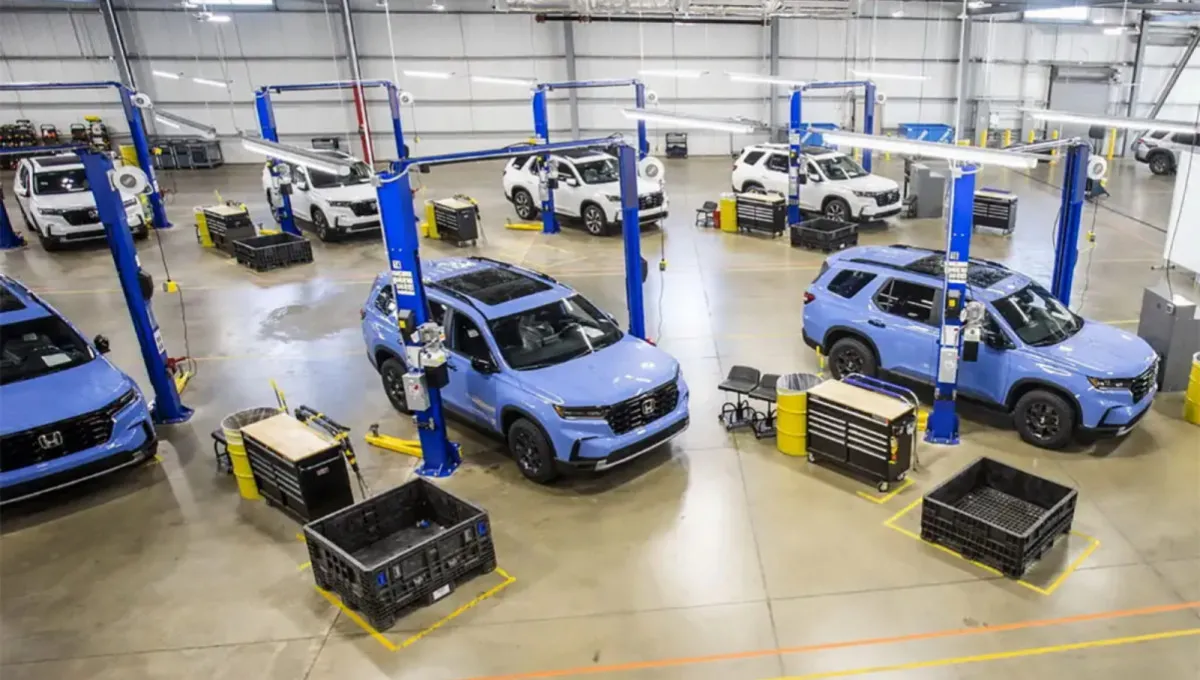
Honda Is Rethinking Its Future SUVs—and a Massive New Ohio Plant Is Coming
Honda is planning a major Ohio expansion as it shifts its future lineup toward larger hybrid SUVs.
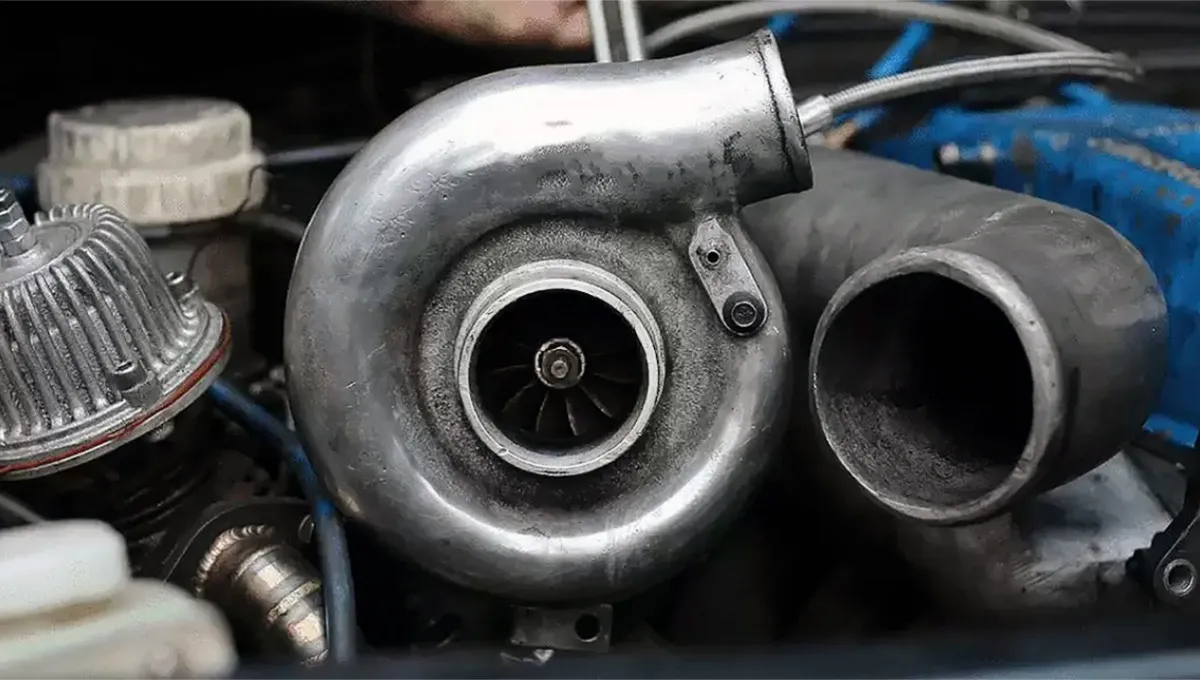
Why Small Turbo Engines Are Replacing Big V8s—and What It Means for Your Next Car
Turbochargers let automakers squeeze big-engine performance from smaller engines—but the technology comes with trade-offs.
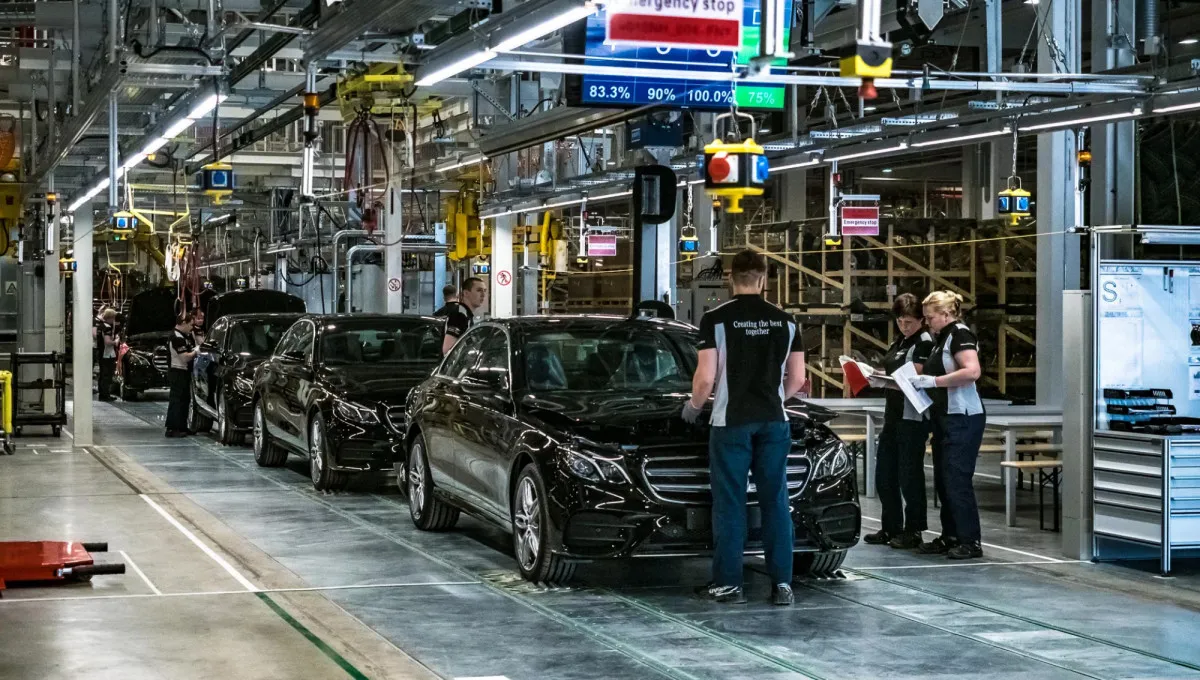
Mercedes-Benz to Close Plants and Cut Wages as Workers Face Layoffs
Mercedes-Benz is preparing to restructure its business, including potential pay cuts, layoffs and even the closure of a factory.
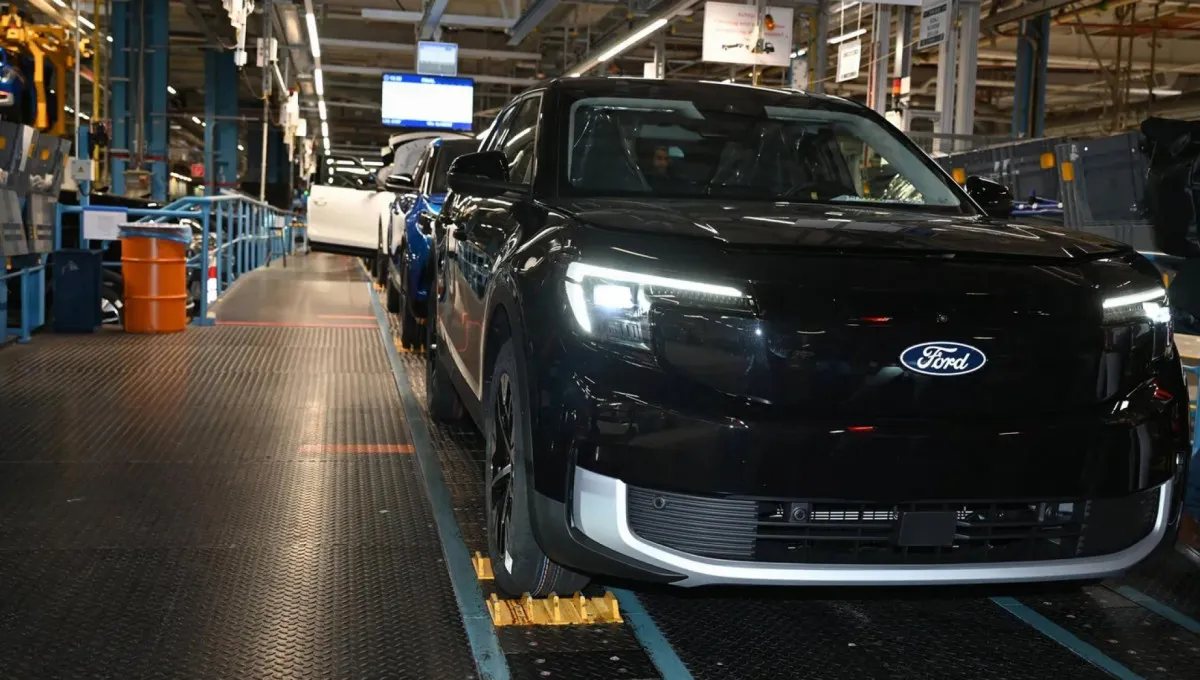
U.S. Officials Demand Ford Cut Its Technology Ties With China
U.S. Transportation Secretary Sean Duffy urged Ford to end partnerships with Chinese companies over technology and national security concerns.