
Ford CEO Tests Chinese Pickup Trucks and Makes a Surprising Admission
Ford CEO Jim Farley tested Chinese pickups and admitted they’re competitive—but not for heavy work.
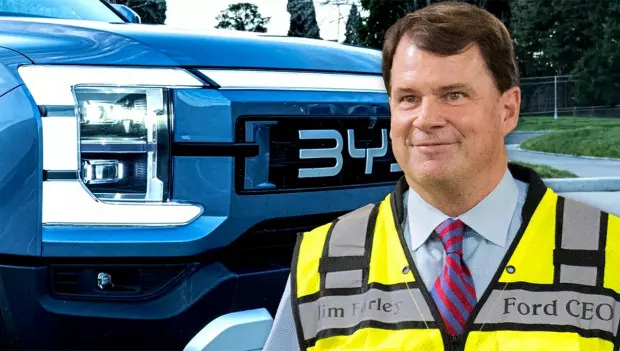
Jim Farley didn’t travel to Australia for a vacation. Instead, the head of Ford went there to get a firsthand look at rising competition. Over several days, he personally drove Chinese pickup trucks, including the BYD Shark 6 and the GWM Cannon Alpha.
His verdict turned out to be surprisingly candid.
Farley didn’t immediately dismiss the competition. He acknowledged that Chinese pickups look impressive—but only up to a point. According to him, the real test begins when you actually put them to work.
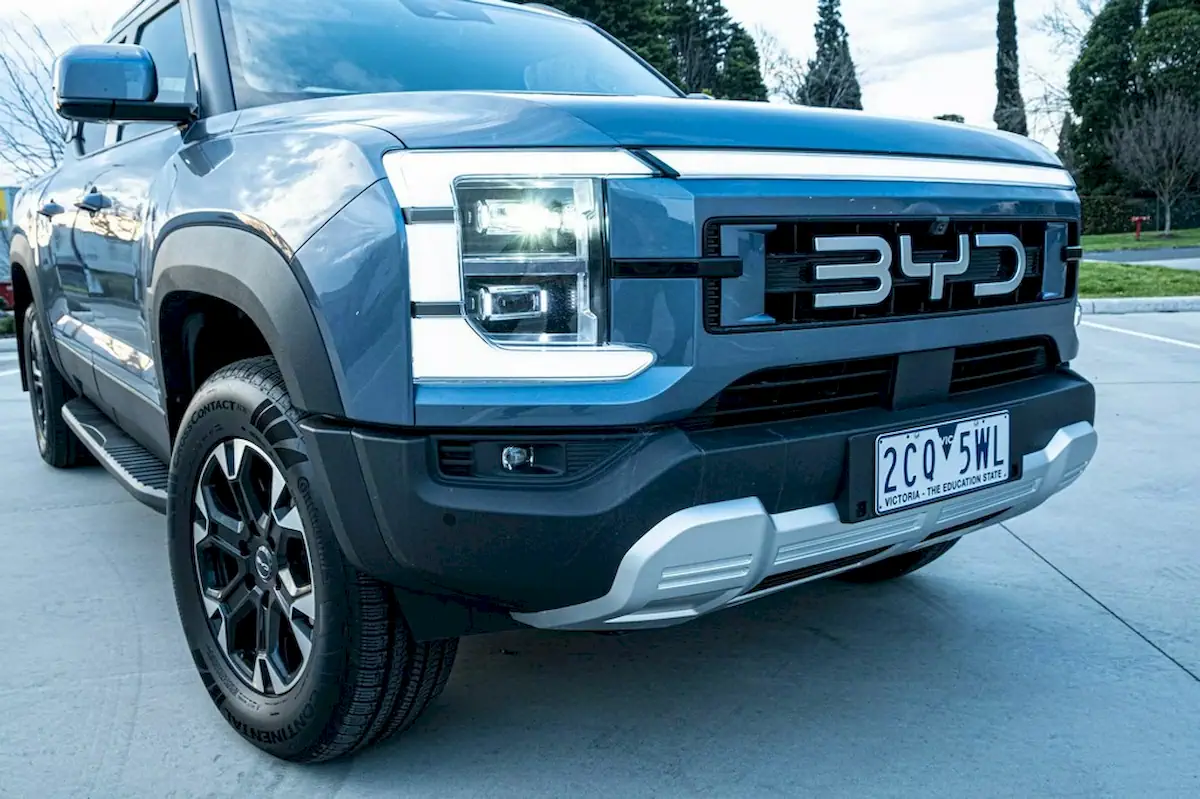
He noted that the BYD Shark feels like a solid pickup right up until you load about 1,100 pounds into the bed. “Put that kind of weight in, and it’s no longer comparable to a Ford Ranger or a Toyota Hilux,” Farley said, as quoted by Drive.
In essence, he described these new Chinese models as more like passenger vehicles wearing a pickup body. They’re well-suited for buyers who want the image and lifestyle of a truck, rather than a true workhorse built for towing and hauling heavy loads.
At the same time, Farley admitted that this could be exactly what many buyers are looking for. Not every Ranger owner uses their truck in extreme conditions. For urban drivers or those interested in electrification, the hybrid-powered Shark is, in his words, “a pretty competitive option.”
What intrigued Ford engineers the most wasn’t just the design—it was the economics. Farley joked that his team completely tore down a BYD truck to understand how the company manages to build and sell it at such a price point. “We still can’t figure out how they make money on it,” he said with a smile.
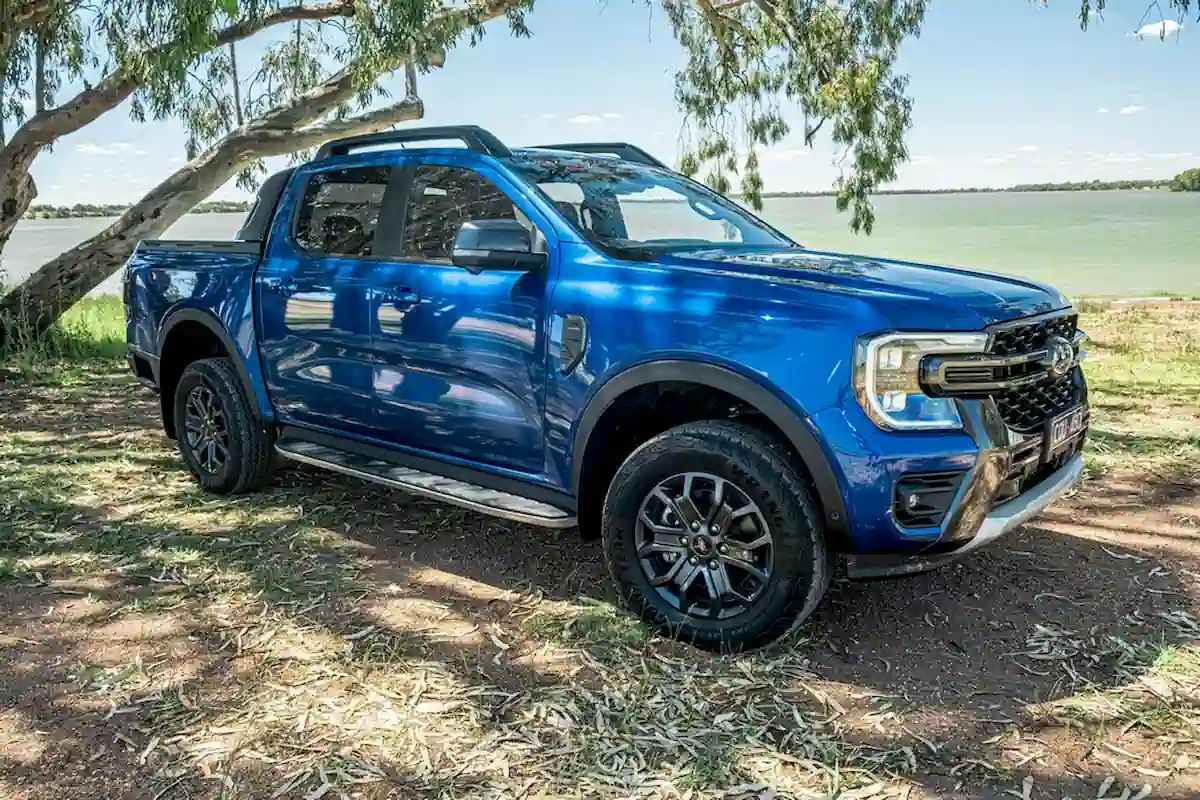
Despite the growing pressure, Farley remains confident that Ford—and rivals like Toyota—still have key advantages. Chief among them is decades of experience building durable trucks capable of handling years of heavy-duty use.
Chinese automakers are still developing that level of expertise, particularly when it comes to rugged chassis engineering. However, Farley made it clear that ignoring the competition would be a mistake.
The midsize pickup segment outside the U.S. is already heating up, with Chinese brands aggressively entering the space. Australia, he suggested, is just the beginning. Within the next decade, these trucks could evolve to handle the same demanding workloads as established models.
For now, though, taking market share from proven players like the Toyota Hilux, Ford Ranger, Mitsubishi Triton, Isuzu D-Max, and the recently introduced Kia Tasman won’t be easy.
You may also be interested in the news:
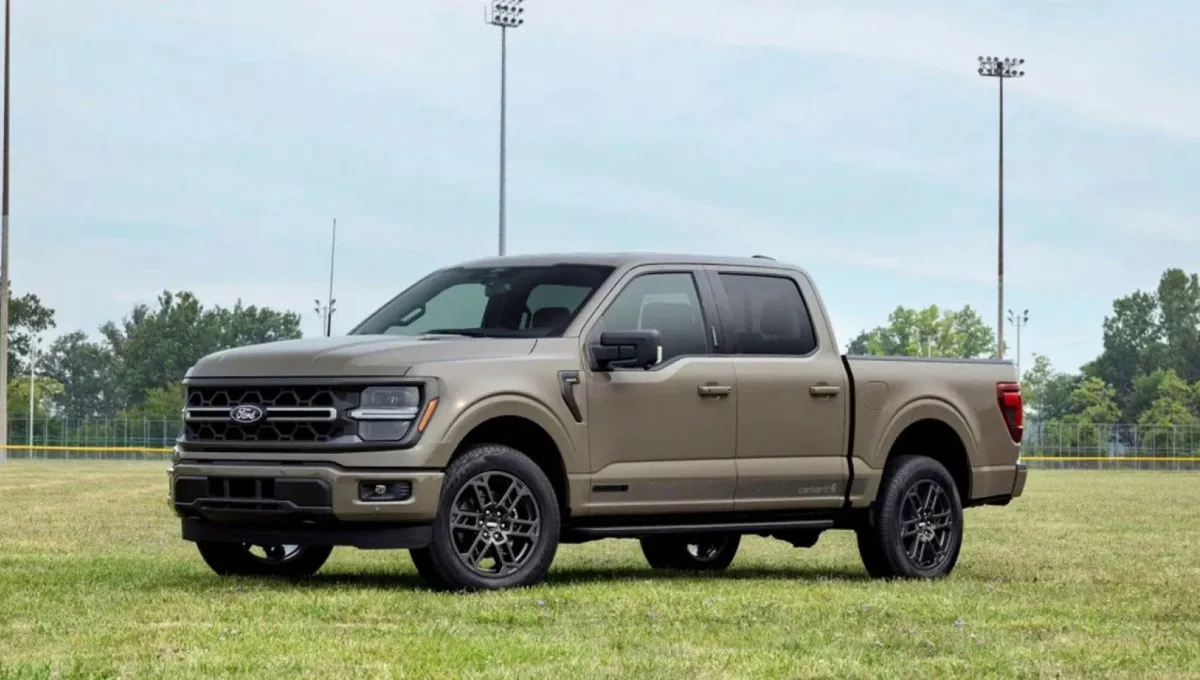
Ford Updates the F-150 With More Power and Hands-Free Towing
The updated 2027 Ford F-150 has debuted in the U.S., with more power across the lineup and an upgraded hands-free driving system that supports automatic trailer towing
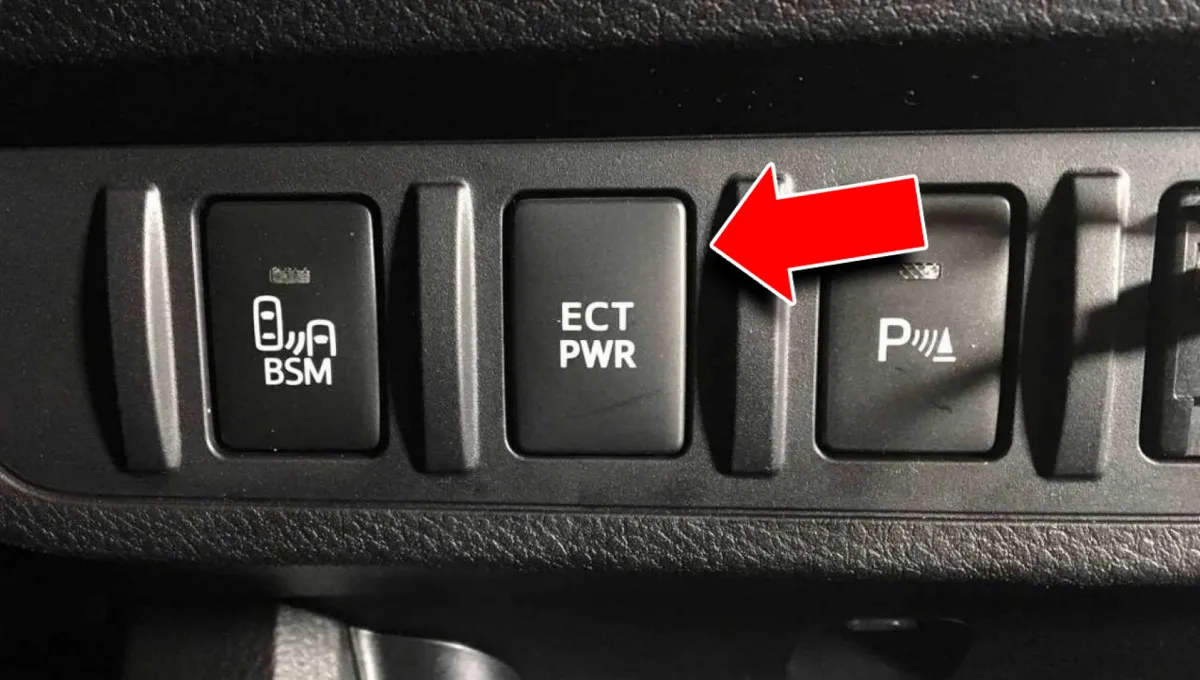
You Hit ECT PWR and Your Toyota Suddenly Wakes Up: What That Mysterious Button Really Does
This little button can change the way a Toyota drives, but plenty of owners have no idea what actually happens when they press it.
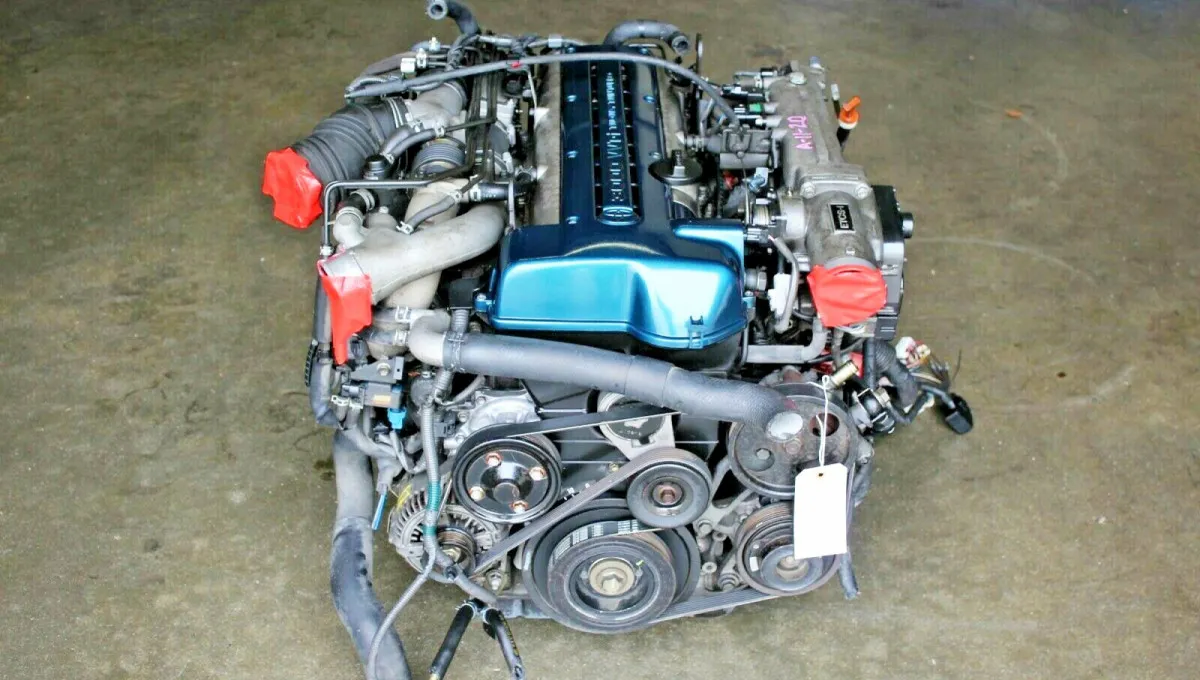
Toyota Built It to Survive 300,000 Miles. Tuners Turned It Into a 2,000-HP Beast
Toyota engineers may have gone too far with durability — and accidentally created the ultimate engine for hot-rodding.
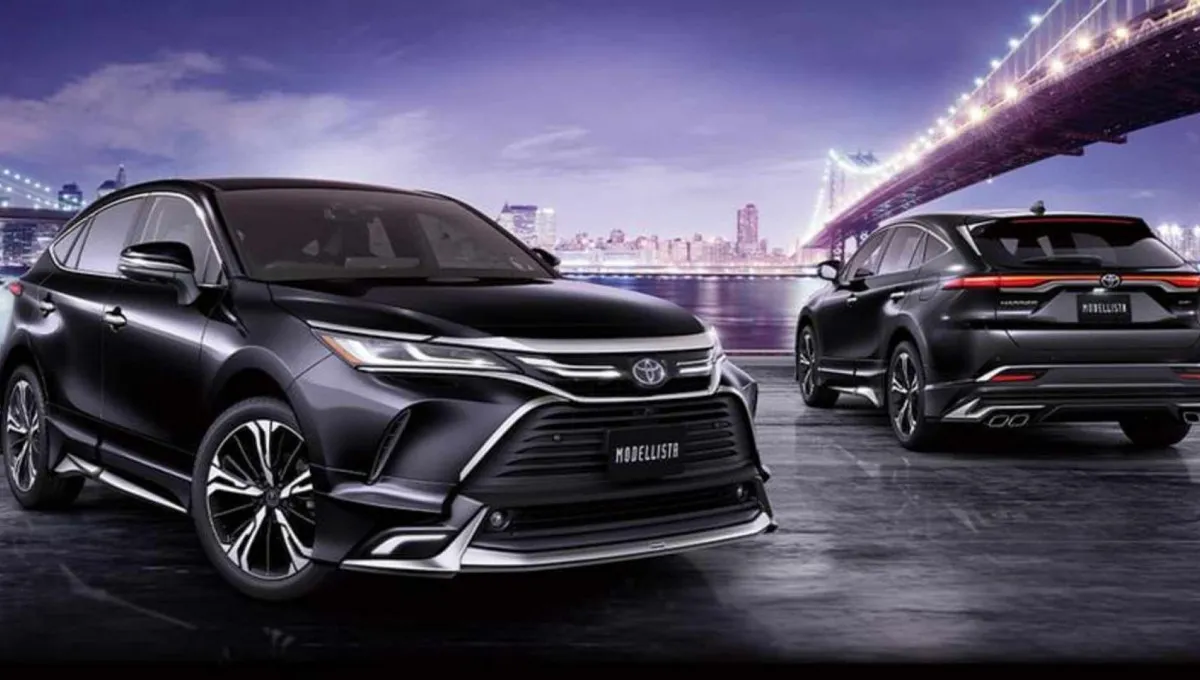
You Won’t Recognize This Toyota: Tuners Turned the Crossover Into a Sports Car
Modellista has prepared two new styling packages for the updated Toyota Harrier.
Ford is recalling more than 223,000 F-150 trucks after regulators warned fuel tanks could loosen or leak.
Ford is recalling 223,472 F-150 pickup trucks in the United States after federal safety regulators identified a potential problem with fuel tank security.