
Porsche Is Already Preparing a Gas-Powered Macan: Why Audi Will Get $1 Billion
Porsche rethinks strategy, plans gas Macan comeback, and agrees to major payment to Audi.
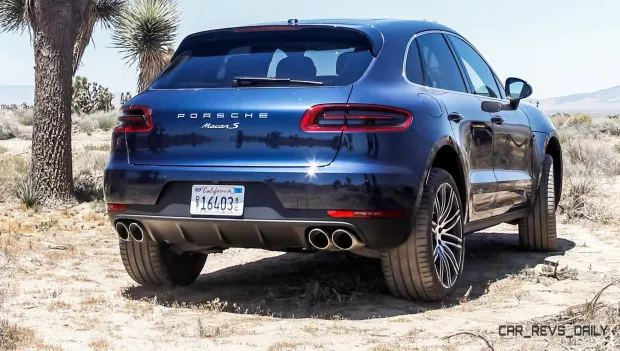
It seems that at some point, leadership at Porsche decided there was no need to argue with the market—or with its own fans. As one of the most valuable brands within Volkswagen Group, Porsche pushed confidently toward electrification, assuming demand would follow.
That’s how the latest Porsche Macan ended up going fully electric—without any naming distinction, as if it were simply the next chapter of the same story.
Later, CEO Oliver Blume openly acknowledged the real issue wasn’t the electric SUV itself. The problem ran deeper. For years, the Macan name was a major profit driver, and effectively phasing out the internal combustion version came at a cost. In Europe, the gas-powered Macan is already discontinued, though it’s expected to remain on sale in markets like the United States through the end of the year. As recently as last summer, the model was still undergoing updates after failing to meet new EU cybersecurity regulations.
It may sound surprising that such a hurdle slowed Porsche down, but the explanation is simple: the electric Macan was already deep in development. Continuing both versions in parallel would have meant burning billions of dollars.
Now, under new leadership, Michael Leiters is tasked with bringing back a true gas-powered successor to the Macan—and work is already underway. The price tag is steep: at least €1 billion (about $1.1 billion), which will be paid to Audi in Ingolstadt.
Leiters emphasizes that the future model won’t simply be a rebadged Audi with a Porsche logo. That claim lines up with recently spotted prototypes of a new Porsche performance SUV, which already show noticeable changes compared to earlier test vehicles.
He also made it clear the project won’t move quickly. Developing a proper Porsche requires new engineering solutions, updated technology, and the right level of performance. While no official timeline has been confirmed, the target appears to be around 2028.
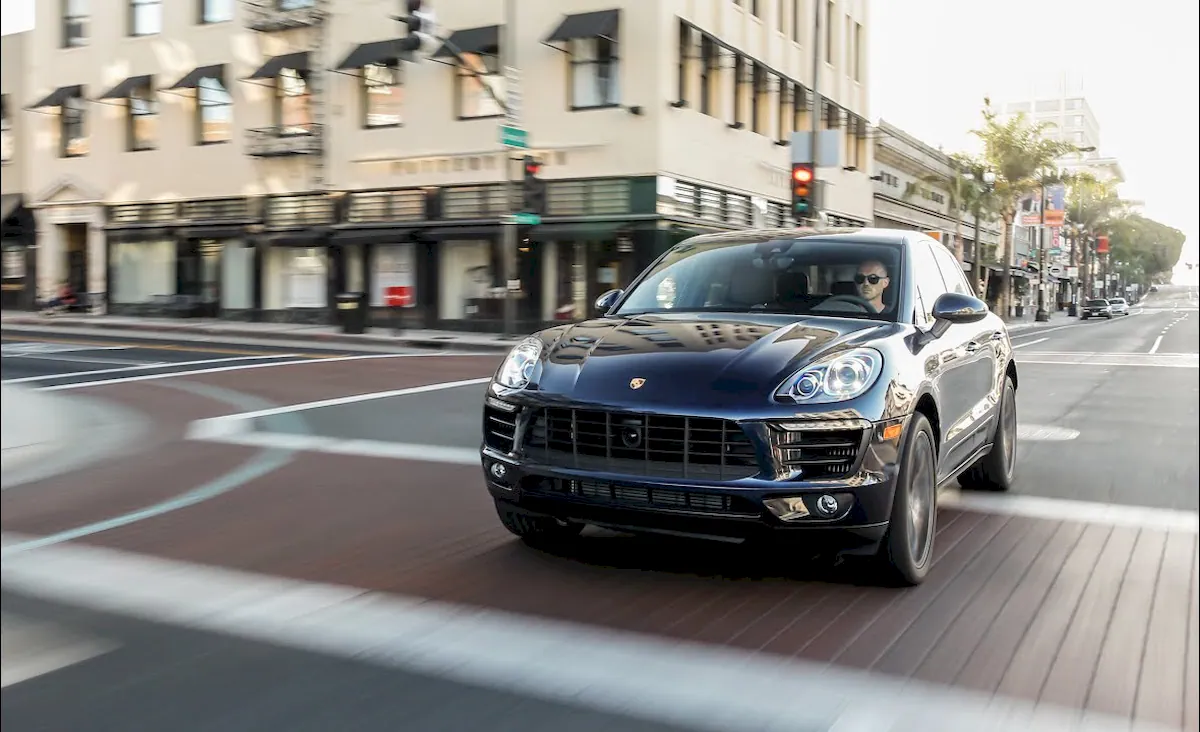
The logic behind the payment is straightforward: Porsche gains the right to heavily modify a shared platform and implement its own engineering solutions. At the same time, Audi won’t be able to freely use those Porsche-specific developments—hence the compensation. The agreement is expected to cover not just the next-generation Macan, but several future joint models as well.
There’s also a downside to the brand’s all-electric push. Until the new gas-powered SUV arrives, Porsche risks losing potential sales that a single EV version can’t fully replace.
Still, the numbers remain solid. Last year, Porsche sold 84,328 Macans globally. Of those, 45,367 were electric models, while 38,961 gas-powered versions found buyers in markets outside the EU.
You may also be interested in the news:
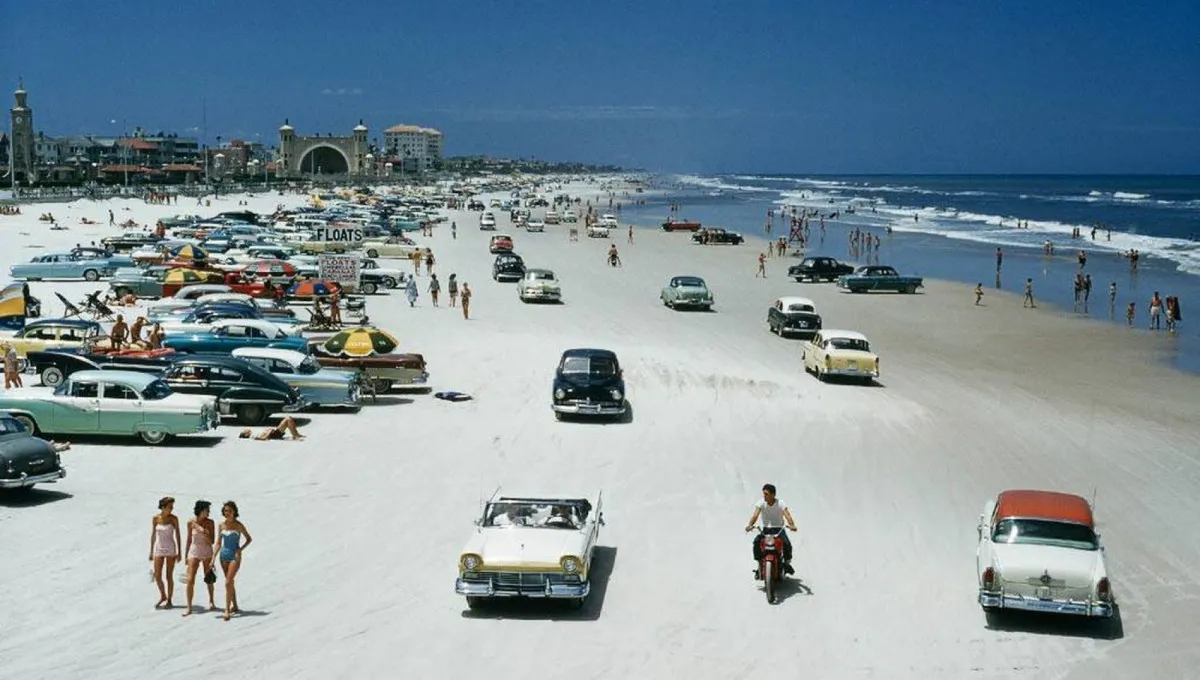
How Much Did American Cars Cost in the 1950s, and Who Could Afford Them?
American cars of the 1950s were large, powerful, and heavily chromed, but how much did they actually cost, and who could afford them?
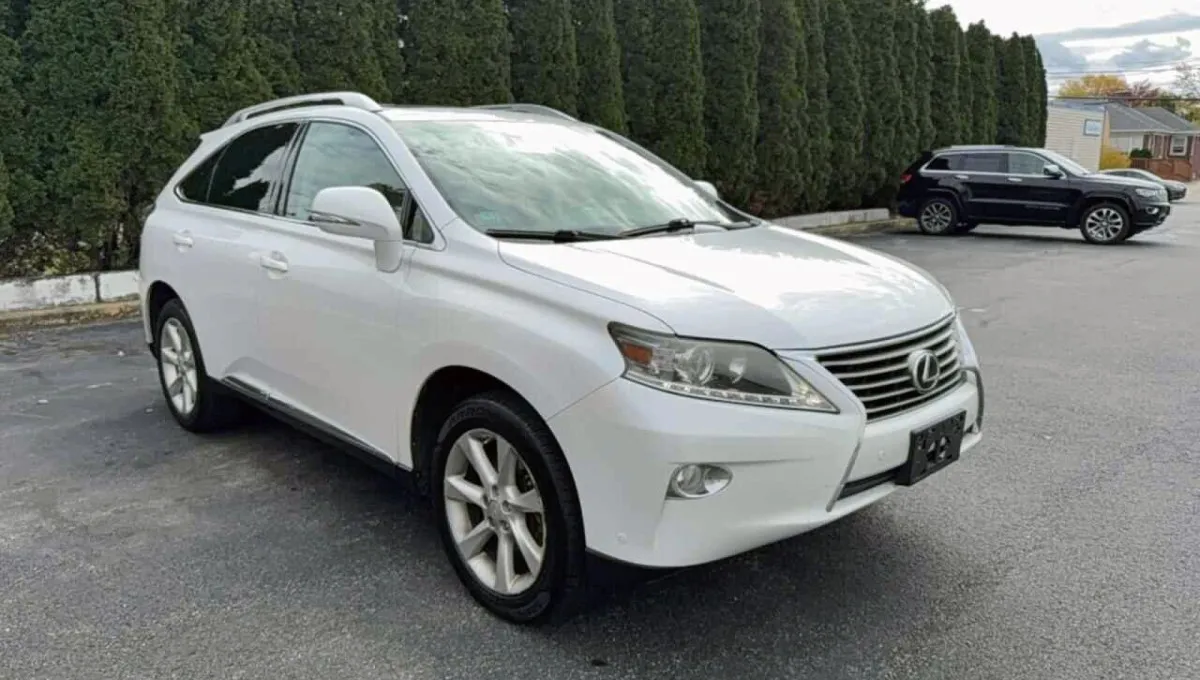
How to Choose a Used Lexus Without Buying Someone Else’s Problems
A used Lexus can offer comfort, upscale features and distinctive styling without the cost of buying a brand-new luxury car.
China’s Auto Industry Faces Chip Crisis as AI Boom Drives Up Costs and Creates Shortages
Chinese automakers are facing a sharp increase in chip prices as semiconductor shortages threaten vehicle production.
Porsche Could Build Supercar Based on Audi Nuvolari
Porsche’s next flagship could use Audi architecture, creating a new supercar positioned well above the 911 in the lineup.
The 5 Most Reliable Midsize Sedans in the U.S. This Year
Three Japanese models and two Korean sedans make up the top five most reliable midsize cars for 2026, according to U.S. ratings.