
Porsche Exits Bugatti Rimac and Sells Its Stake to New Investors
The German automaker is refocusing on its core business as financial pressure continues to grow.
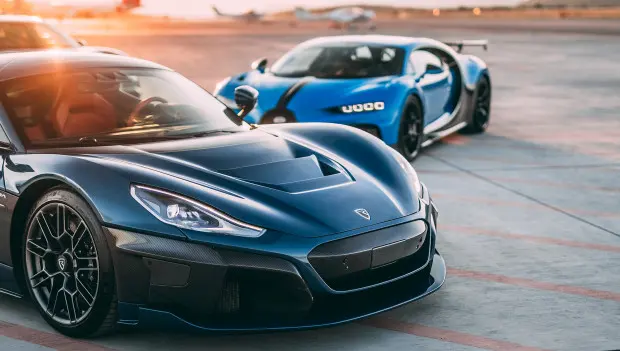
Porsche has announced its exit from the Bugatti Rimac joint venture and the broader Rimac Group, ending its involvement in one of the most ambitious hypercar partnerships of recent years. The German automaker is selling its stake to a New York-based investor consortium, though the financial details of the deal have not been disclosed.
The move comes as a surprise, considering the alliance was formed less than five years ago. At the time, Rimac took a controlling 55% stake in Bugatti Rimac, while Porsche held the remaining 45%. Porsche also owned a 20.6% stake in Rimac Group itself. Now, all of those holdings are being transferred to the new investors, pending regulatory approval.
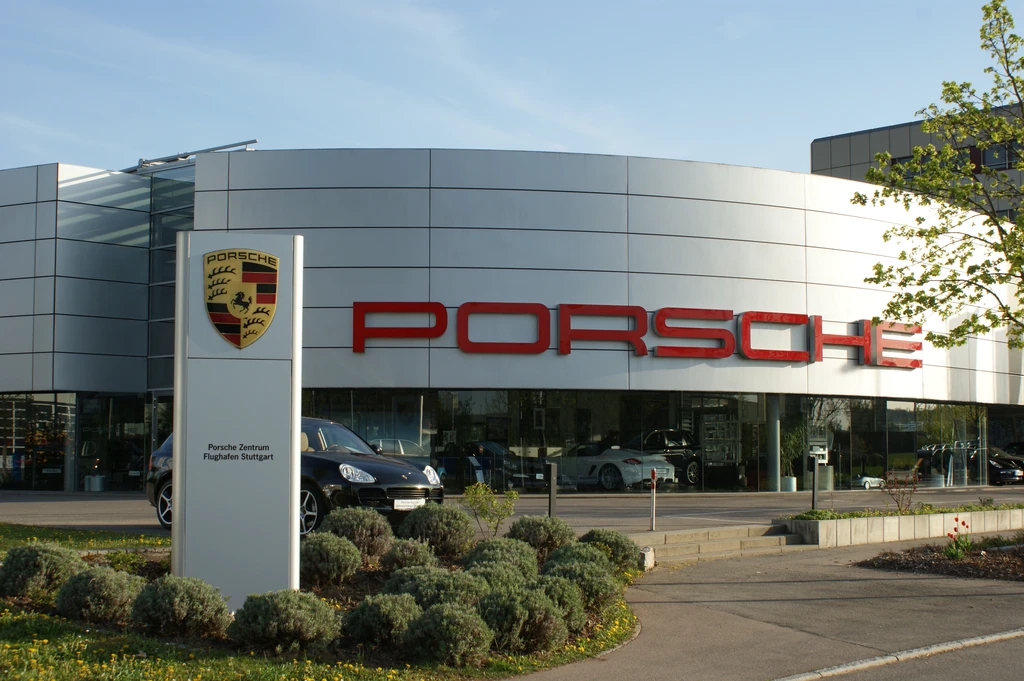
Bugatti Rimac CEO Mate Rimac thanked Porsche for its role in building the joint venture, noting that the company played a major part in getting the project off the ground. However, it remains unclear how the ownership change will affect the future direction of both Bugatti and Rimac.
The investor group is reportedly led by HOF Capital, a fund already known for investments in SpaceX, Anthropic, and Epic Games. Adding Bugatti to that portfolio is an unusual move for a venture capital firm more commonly associated with tech startups than ultra-luxury performance cars.
Porsche’s decision is closely tied to a broader strategic reset. The company recently reported that operating profit dropped by nearly 93%, largely due to the massive costs associated with its shift toward electric vehicles. Financial pressure reached approximately €3.9 billion, with a significant share going toward development of new EV models and platforms.
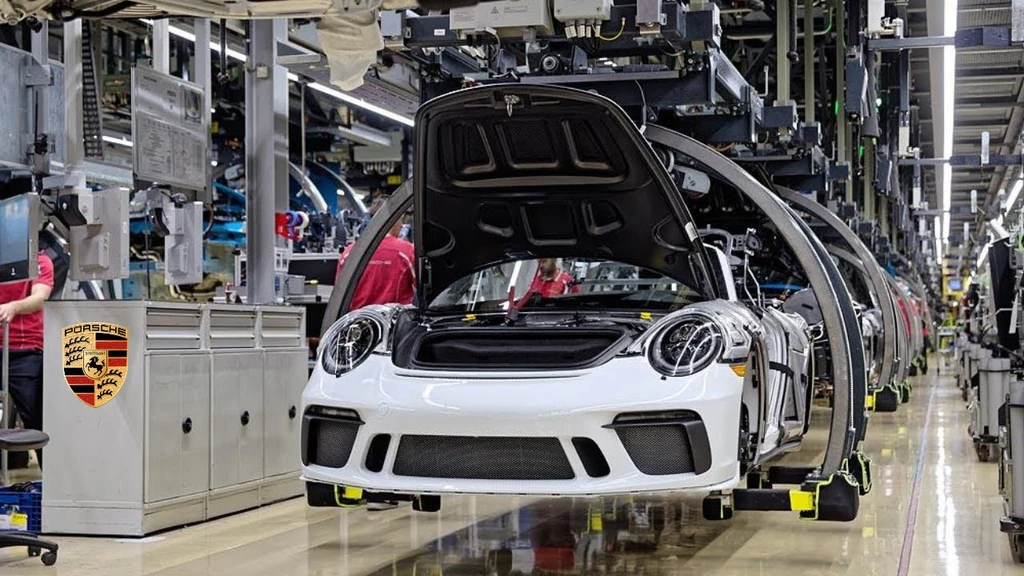
CEO Michael Leiters stated that selling the stake is part of a plan to focus more tightly on Porsche’s core business areas. Between rising tariffs, slowing demand, and stronger competition in China, the company is being forced to rethink priorities and reduce unnecessary financial exposure.
This does not necessarily signal a crisis for Porsche, but it does show how quickly the market is changing. Walking away from Bugatti Rimac may feel disappointing for enthusiasts, yet from a business perspective, it looks like a practical decision.
What happens next will depend largely on the new investors and how they approach the future of the Bugatti Rimac project. For now, the hope is that the new ownership will preserve the current vision—and possibly take it even further.
You may also be interested in the news:
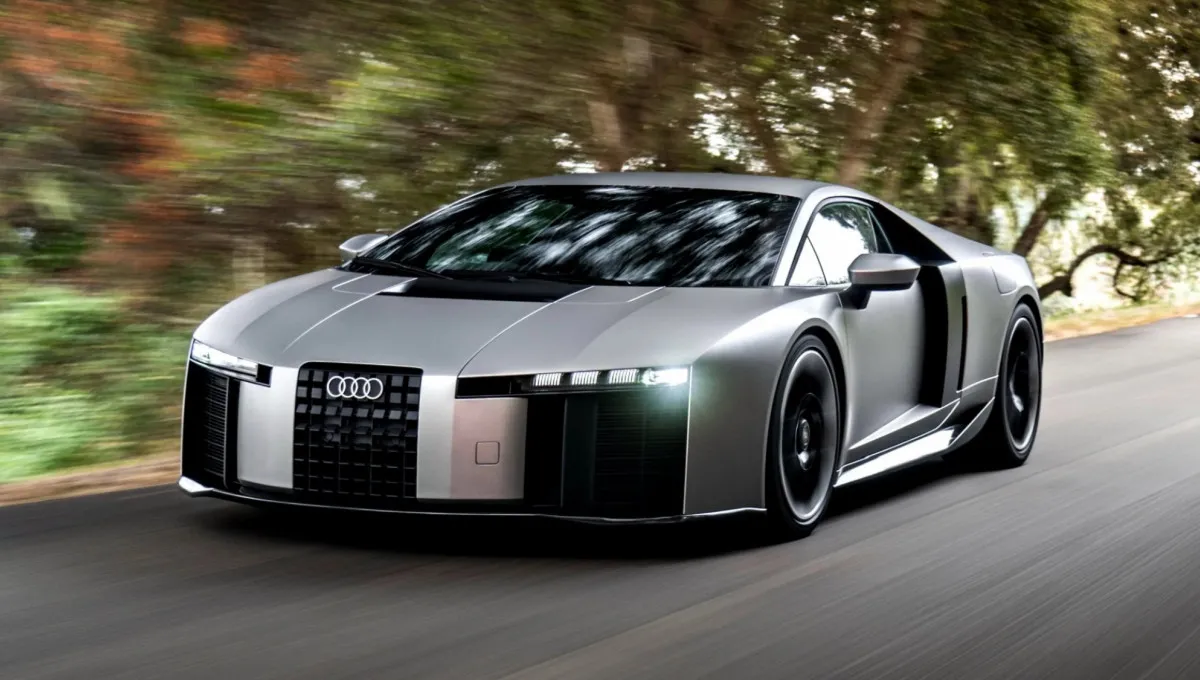
Porsche Could Build Supercar Based on Audi Nuvolari
Porsche’s next flagship could use Audi architecture, creating a new supercar positioned well above the 911 in the lineup.
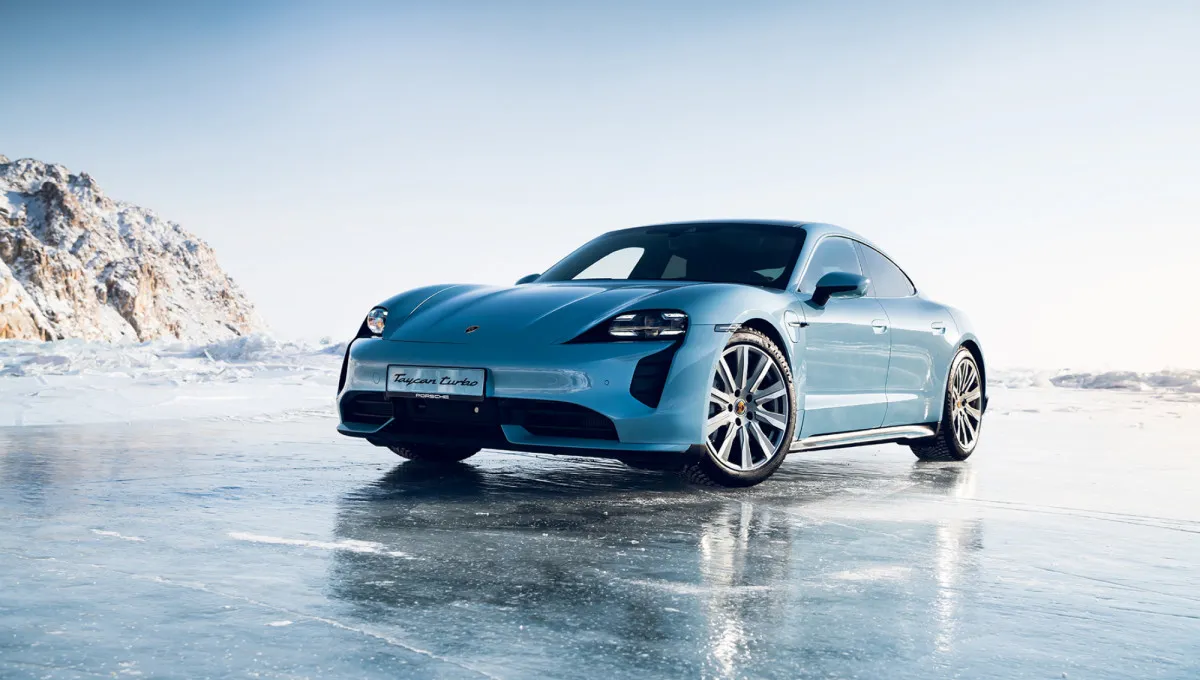
Porsche Taycan Was Supposed to Be Dead. Here’s What’s Actually Happening
Porsche has no plans to discontinue the Taycan for now, but the electric sports car’s long-term future remains uncertain.
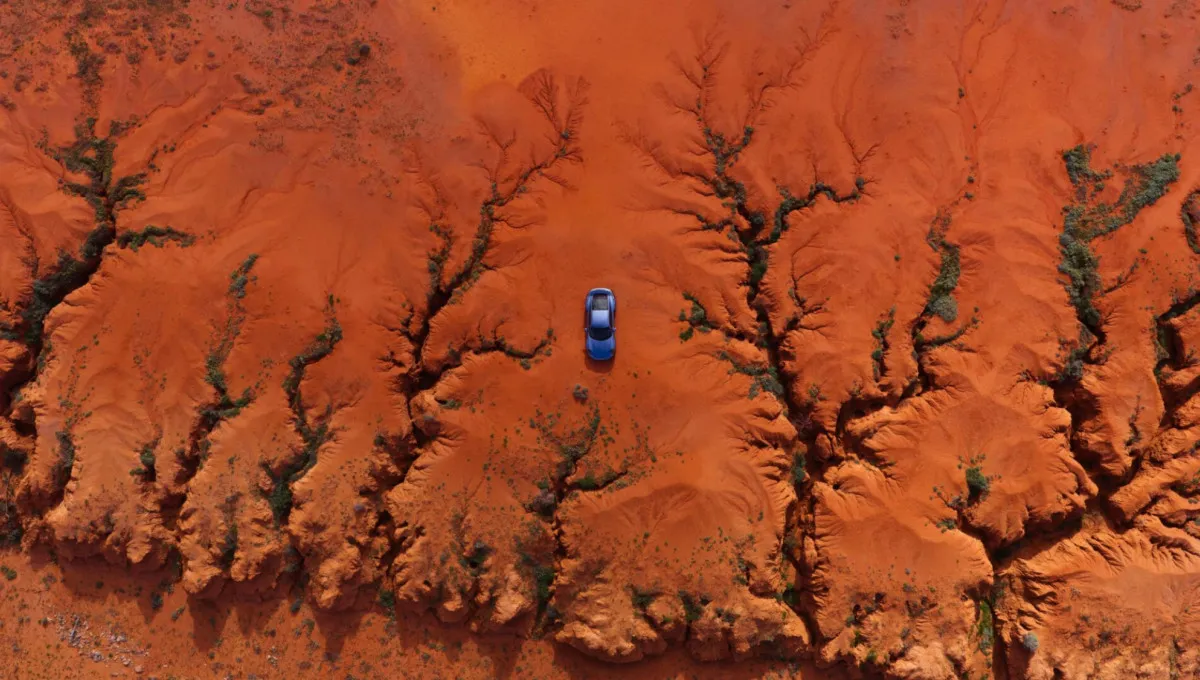
Porsche Creates One-Off 911 Turbo S Inspired by Australia
Porsche has built a one-of-a-kind 911 Turbo S celebrating Australia with color-shifting paint and details inspired by the country.
Porsche Cuts Costs, Eliminating 5,000 More Jobs
Porsche is extending its cost-cutting strategy with another 5,000 job reductions, while committing to keep its German manufacturing sites open.
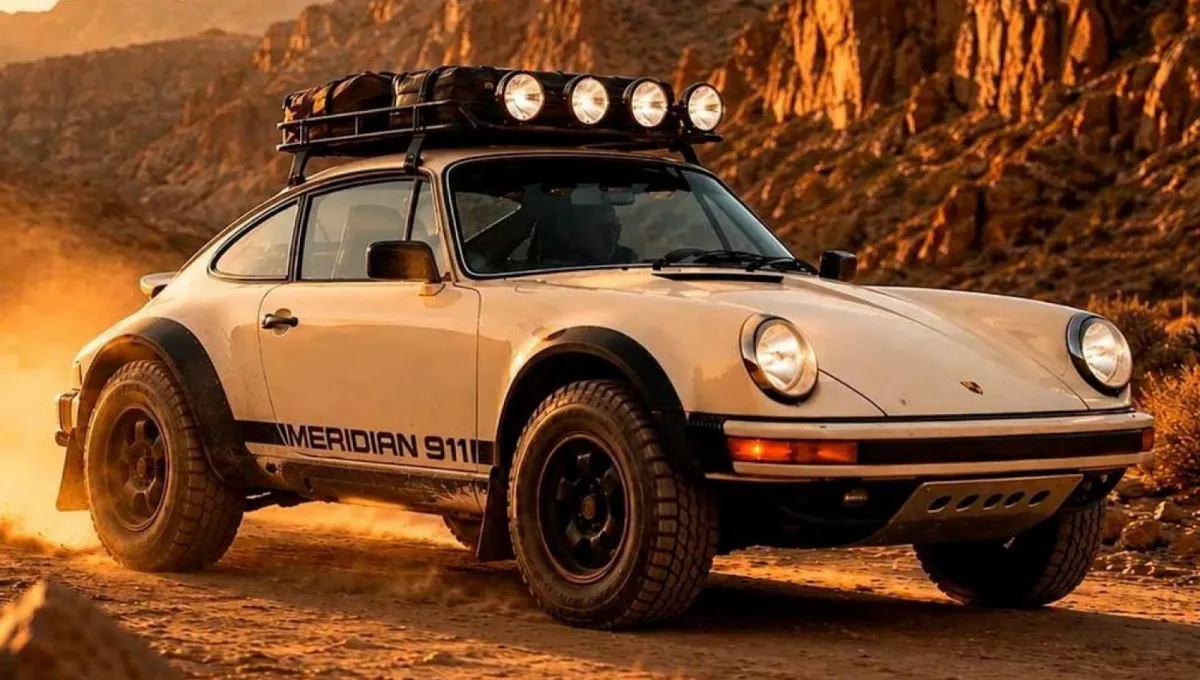
Built for the Backcountry: Meridian 911 Reimagines the Classic Porsche as an Off-Road Restomod
Signature Autosports is developing an off-road Porsche 911 restomod designed for long-distance adventures beyond paved roads everywhere.