
Why Your Car Might Randomly Stall—And How One Button Fixes It
Many modern cars hide a little-known safety button that can shut off the fuel pump.
Modern cars—even relatively affordable ones—are far more technologically complex than vehicles built just a couple of decades ago. While advanced technology brings convenience and safety, it can also introduce unexpected malfunctions and expensive repairs.
One surprising example is a little-known safety feature hidden in many vehicles. According to industry estimates, as many as 80% of drivers don’t even realize their car may have this button.
What Is This Mysterious Button For?
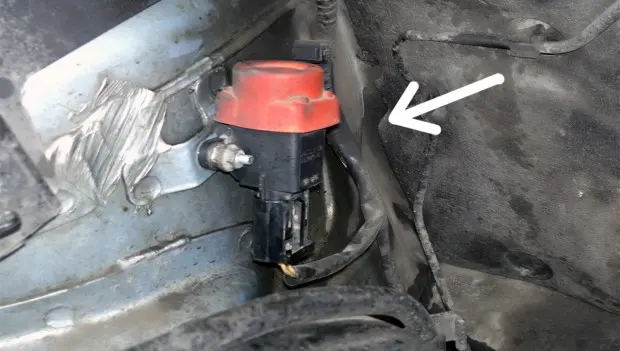
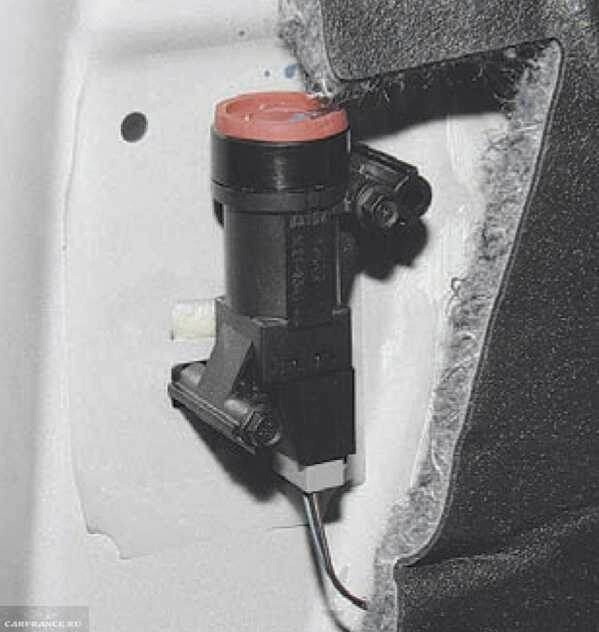
Automakers install this button so the driver can manually cut off the fuel supply to the engine during an emergency.
For example, if a vehicle is involved in a collision and there is a risk of fire, stopping fuel delivery can help reduce the danger. In most modern cars, the system works together with an inertia sensor that automatically shuts down the fuel pump if the vehicle suddenly stops or experiences an impact.
In many newer vehicles, this sensor is located near the driver-side airbag module. However, in some situations it may trigger accidentally.
For instance, it could activate after a sudden hard braking maneuver or if the car hits a deep pothole. When that happens, the fuel pump stops working and the engine shuts off.
To restore fuel flow, the driver simply needs to press the fuel pump reset button. Once it’s activated, the engine can start again and the driver can continue the trip.
Even a minor collision can sometimes interrupt fuel delivery. In such cases, the car may stall and refuse to start, with the starter motor spinning but the engine not firing. Pressing the reset button can often solve the problem instantly.
Where Can You Find It?
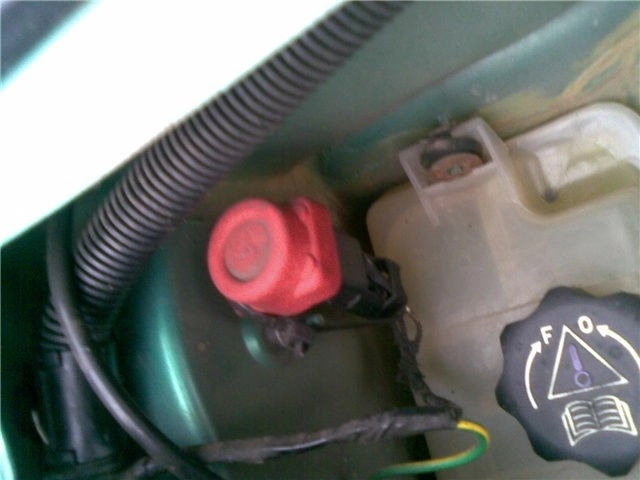
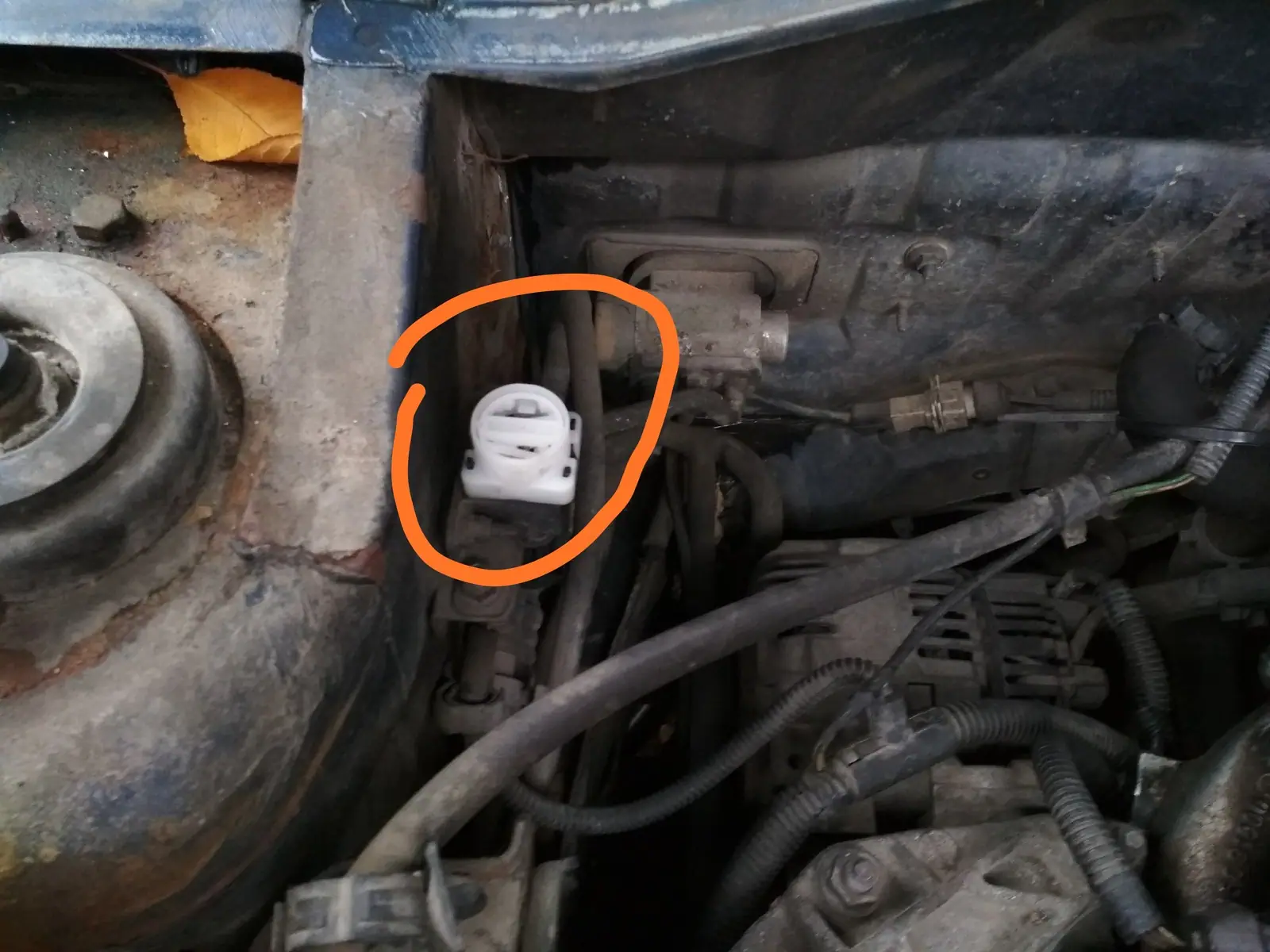
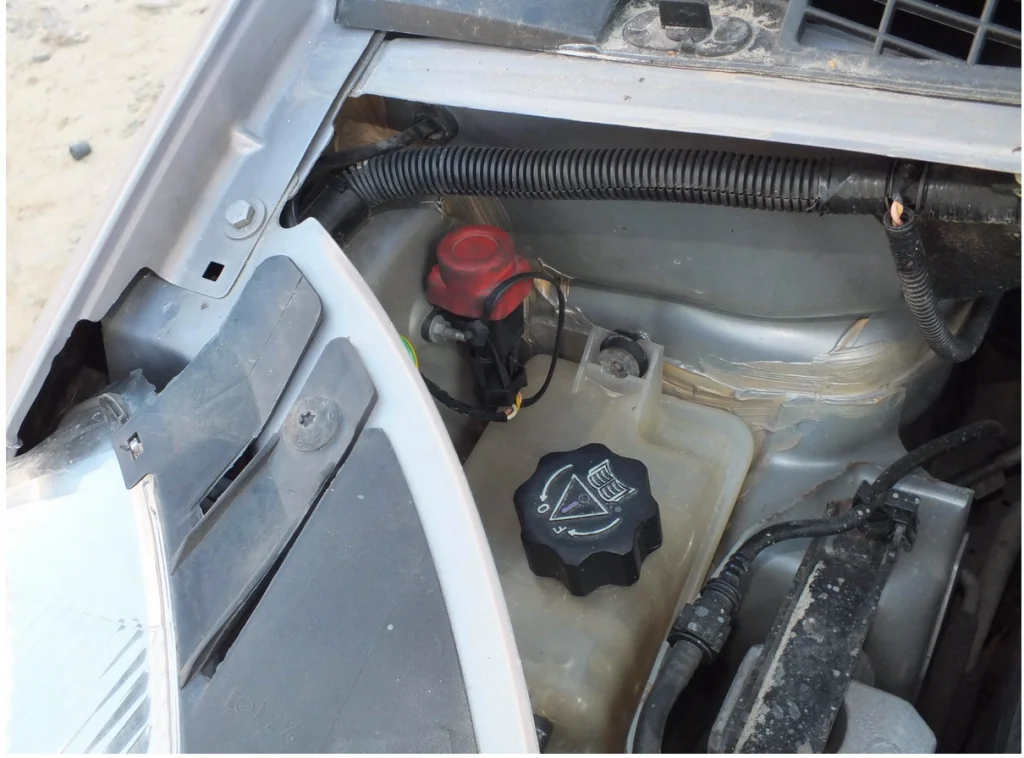
Unlike the inertia safety sensor—which is usually located near the driver’s airbag control unit—the fuel pump reset button can be placed in different locations depending on the vehicle.
The easiest way to find it is by checking the owner’s manual for your car. If the documentation doesn’t mention it, a dealership or service center can usually help locate it.
In older vehicles, examples include:
- In the Citroën ZX, the button is located under the hood in the upper-left corner.
- In some Ford models, it can be found in the right corner under the hood.
- In the Honda Accord, it may be hidden under the steering column behind a removable panel.
- In certain vehicles, the button is even placed inside the trunk.
When Can It Be Triggered?
As mentioned earlier, accidental activation can occur in several situations, including:
- Sudden hard braking
- Hitting a large pothole or road depression
- A traffic collision
When the system activates, the fuel pump stops working as a safety precaution. Resetting the button restores power to the pump and allows the engine to start normally again.
You may also be interested in the news:
Your Brakes Squeal Every Morning? Here’s When That Noise Is Normal—and When It Could Mean Trouble
That sharp brake squeal first thing in the morning is often harmless—but persistent noise can point to worn or damaged brake components.
7 Car Repairs Mechanics Secretly Hate Taking on — Here’s Why Shops Say “No”
A mechanic explains why some seemingly routine repairs can become expensive nightmares for both shops and car owners.
Your Car May Be Burning More Gas This Fall — Here’s the Surprising Reason Why
Colder temperatures, longer warm-up times and denser air can all cause your car to use more fuel in the fall.

The “Gas-Saving” Tricks That Could Destroy Your Car — And What Drivers Should Do Instead
Some fuel-saving tricks can backfire, costing drivers far more in repairs than they ever save at the gas pump.
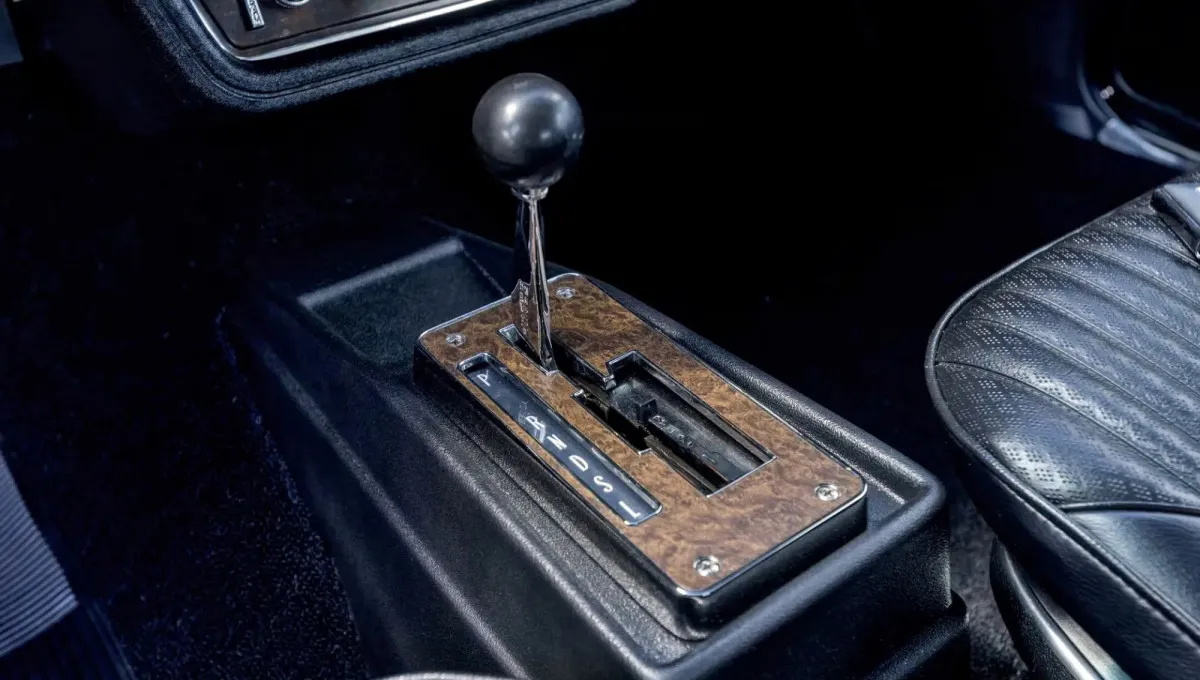
How Oldsmobile Invented a Manual Gearbox for an Automatic
Long before paddle shifters and electronic driving modes, Oldsmobile found a clever mechanical way to let drivers shift an automatic transmission themselves.