
How Many Miles You Need to Drive to Recharge a Dead Car Battery
Even a healthy car battery can fail unexpectedly, especially during cold weather and short trips.
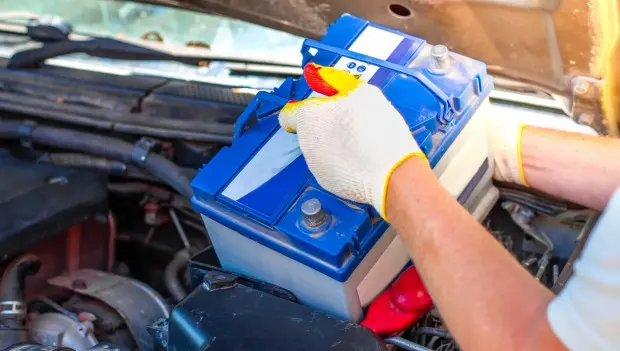
Even a fully functional car battery can let you down at the worst possible moment, sometimes even after a recent replacement. A common culprit is constant undercharging, where the battery repeatedly receives less energy than it uses. Over time, this gradually reduces its performance.
In warmer months, this problem is less common. Batteries perform better in heat, providing more current, and engines start more easily because motor oil flows freely and doesn’t thicken.
Cold weather, however, creates a tougher environment. At around -4°F (-20°C), even a new battery delivers only about 35% of its normal starting power. Older batteries have even less reserve.
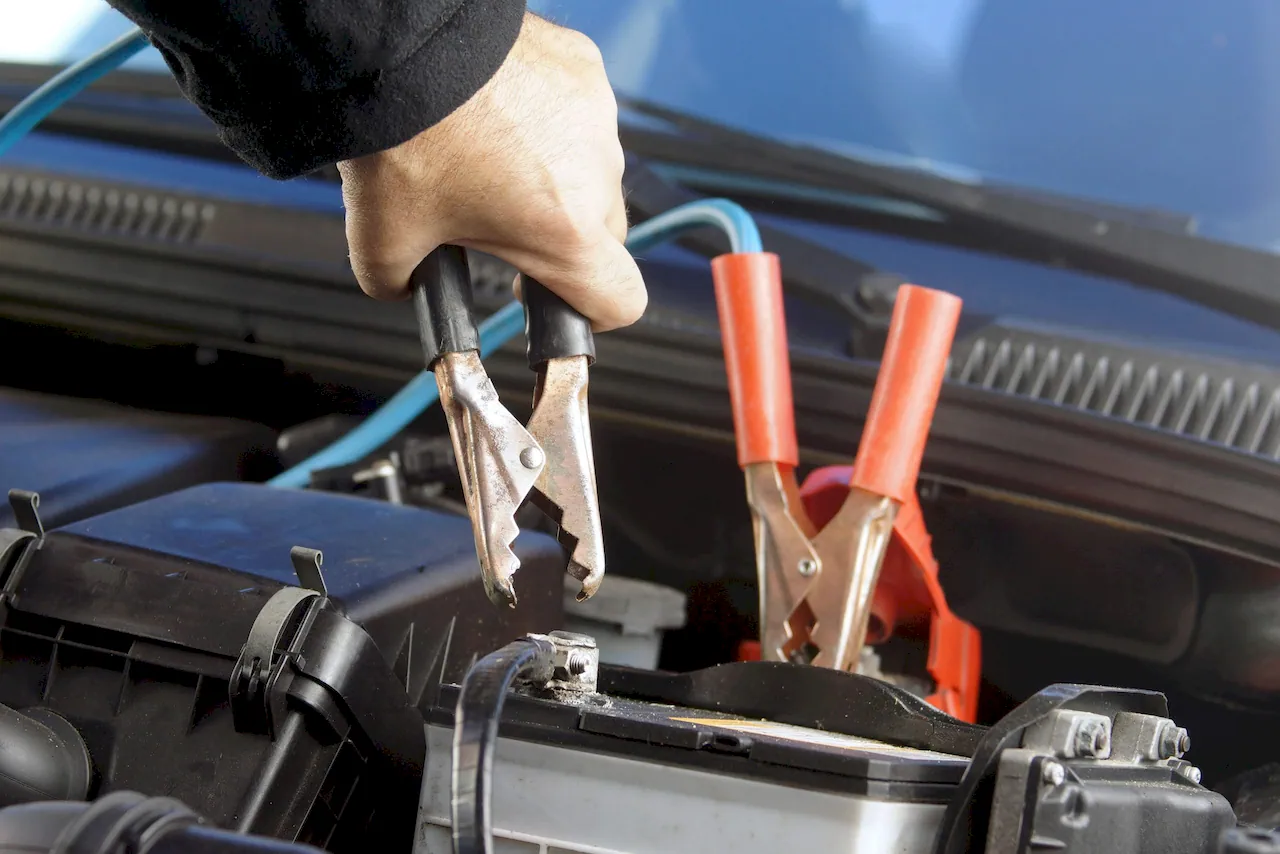
Short trips make things worse. Starting the engine, driving briefly, and stopping again doesn’t give the alternator enough time to fully recharge the battery. In warm weather, this undercharging is less noticeable because the battery charges more quickly. In extreme cold, like -4°F, charging can take roughly 20 times longer. Until the engine and under-hood space warm up, the battery struggles to regain power.
Frequent short trips leave the battery partially depleted most of the time. Over time, sulfate buildup on internal plates reduces capacity and lowers the cranking power, making the engine increasingly difficult to start.
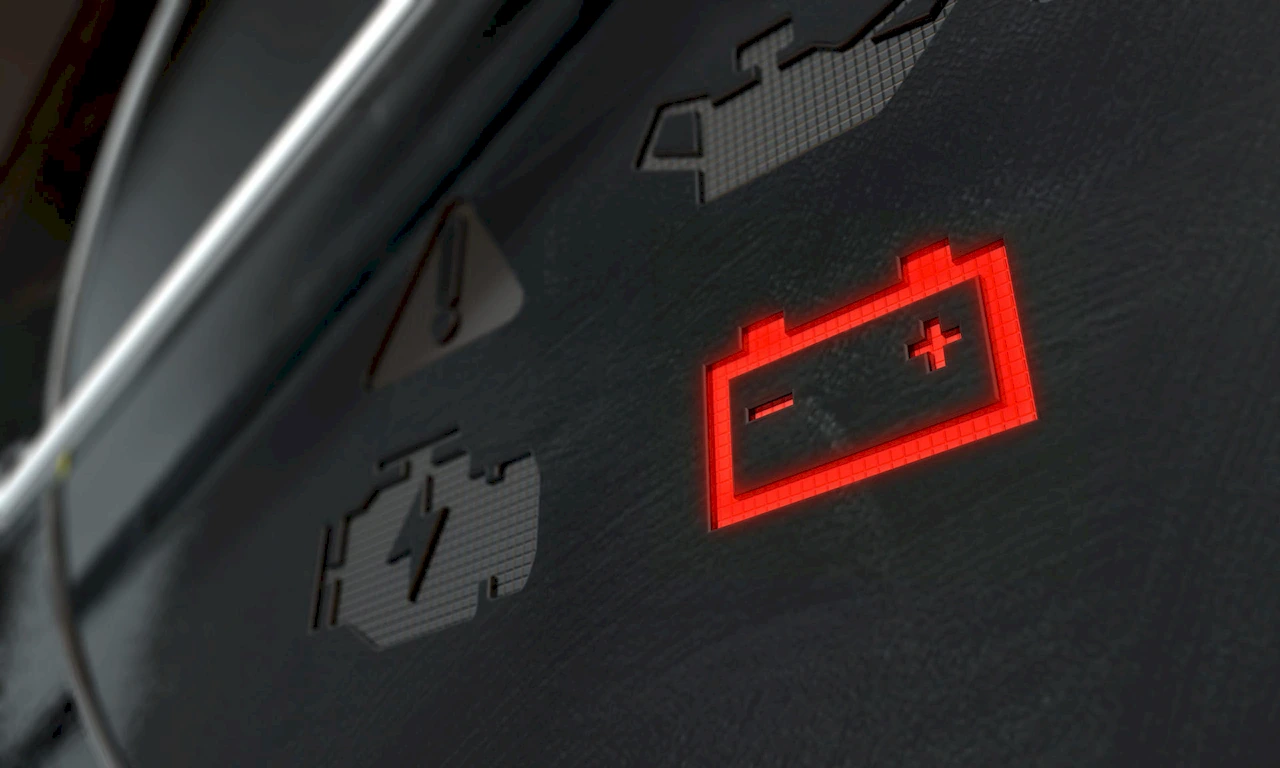
There are two simple ways to prevent this:
- Occasionally connect the battery to a charger to restore its full charge.
- Take longer drives periodically, allowing the alternator to replenish the battery fully.
In freezing temperatures, restoring energy takes much longer. At -4°F, the energy used to start the engine typically returns after about 20 minutes of running. During this period, the battery warms slightly and begins to accept charge more efficiently.
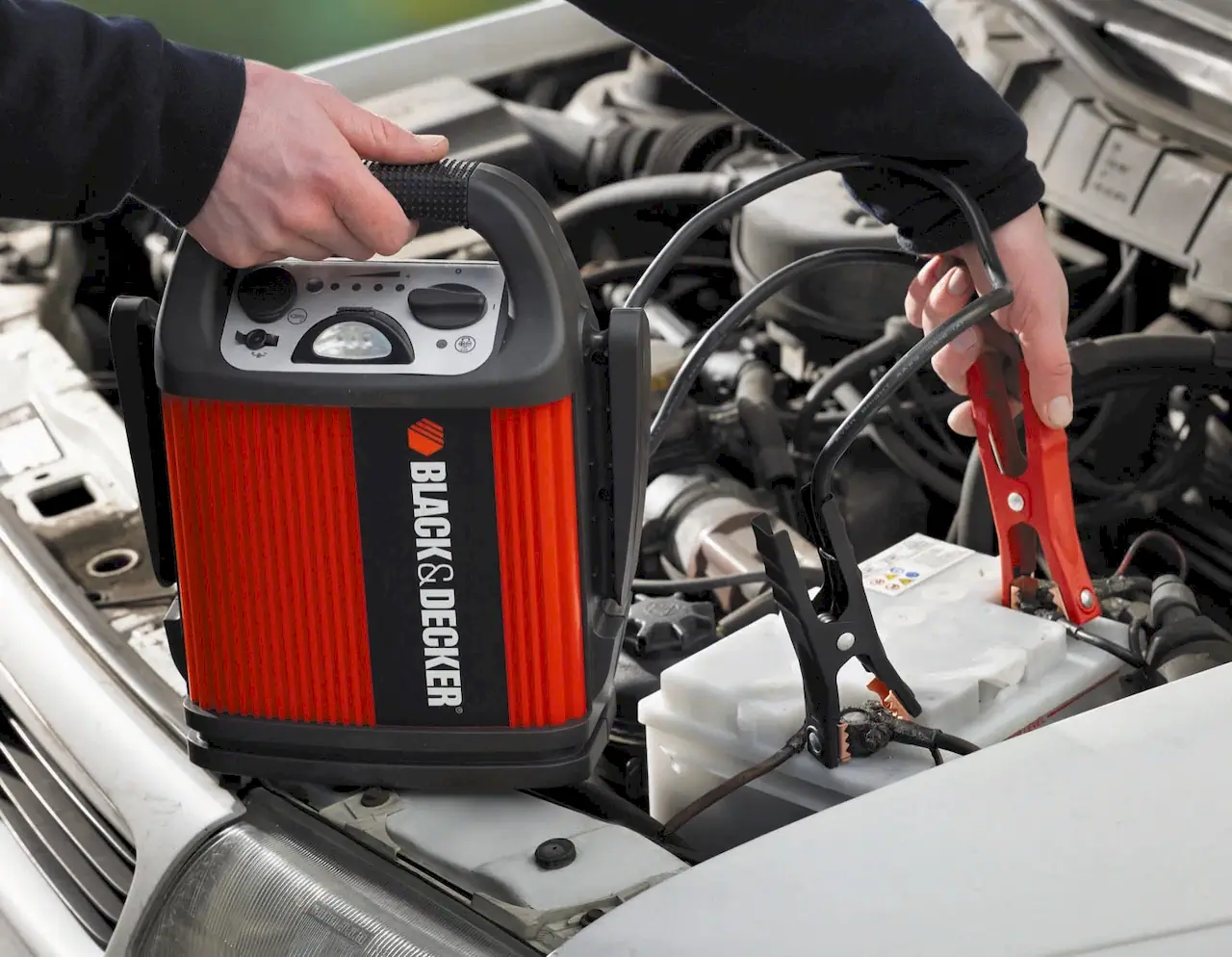
However, full restoration requires more time. For a battery that was already partially discharged, normal charging in cold weather may take up to two hours of driving. At an average speed of 37 mph (60 km/h), the car would need to travel at least 75 miles (120 km) for the battery to recharge effectively. The colder it is, the slower the process; as temperatures rise, batteries recharge noticeably faster.
A simple preventive measure is to connect the battery to a charger roughly once a month during winter. Regular maintenance like this keeps the battery more reliable and extends its service life.
You may also be interested in the news:
Your Brakes Squeal Every Morning? Here’s When That Noise Is Normal—and When It Could Mean Trouble
That sharp brake squeal first thing in the morning is often harmless—but persistent noise can point to worn or damaged brake components.
7 Car Repairs Mechanics Secretly Hate Taking on — Here’s Why Shops Say “No”
A mechanic explains why some seemingly routine repairs can become expensive nightmares for both shops and car owners.
Your Car May Be Burning More Gas This Fall — Here’s the Surprising Reason Why
Colder temperatures, longer warm-up times and denser air can all cause your car to use more fuel in the fall.
The “Gas-Saving” Tricks That Could Destroy Your Car — And What Drivers Should Do Instead
Some fuel-saving tricks can backfire, costing drivers far more in repairs than they ever save at the gas pump.
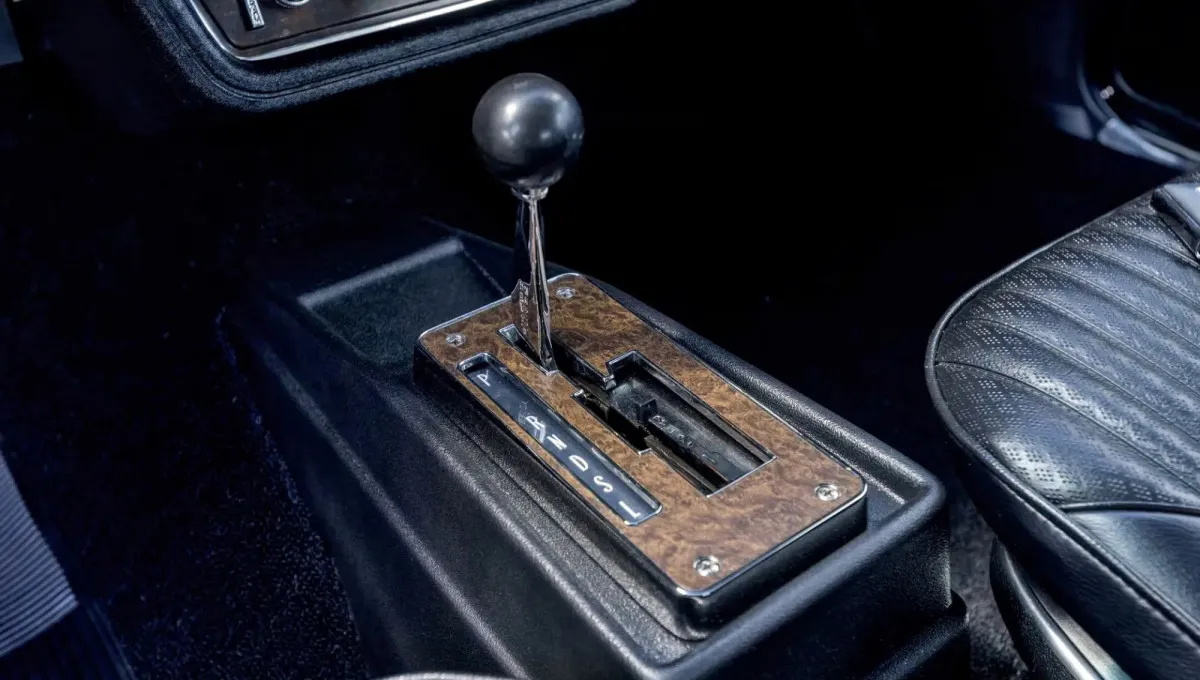
How Oldsmobile Invented a Manual Gearbox for an Automatic
Long before paddle shifters and electronic driving modes, Oldsmobile found a clever mechanical way to let drivers shift an automatic transmission themselves.