
BMW Prepares New Wagons for the U.S.: Expanding the Lineup and Surprising Enthusiasts
BMW’s U.S. strategy shifts toward high-performance wagons, blending practicality, electrification, and surprising market momentum.
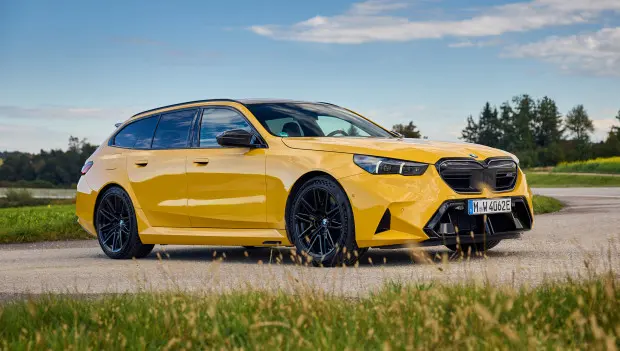
BMW is rethinking its product strategy for the United States. Demand for wagons is climbing, and several upcoming models could surprise even longtime sedan loyalists. Industry observers say electrification and high-performance variants may reshape the segment—raising the question of why BMW is betting on wagons right now.
The U.S. market has long been dominated by SUVs and pickup trucks, yet recent developments have pushed BMW to expand its wagon lineup. The reason is straightforward: demand for the M5 Touring has been so strong that the company has decided, for the first time in years, to balance production volumes between the wagon and the sedan. American buyers are increasingly drawn to practical, high-performance “long-roof” cars—an interesting shift from traditional preferences where sedans typically held the upper hand.
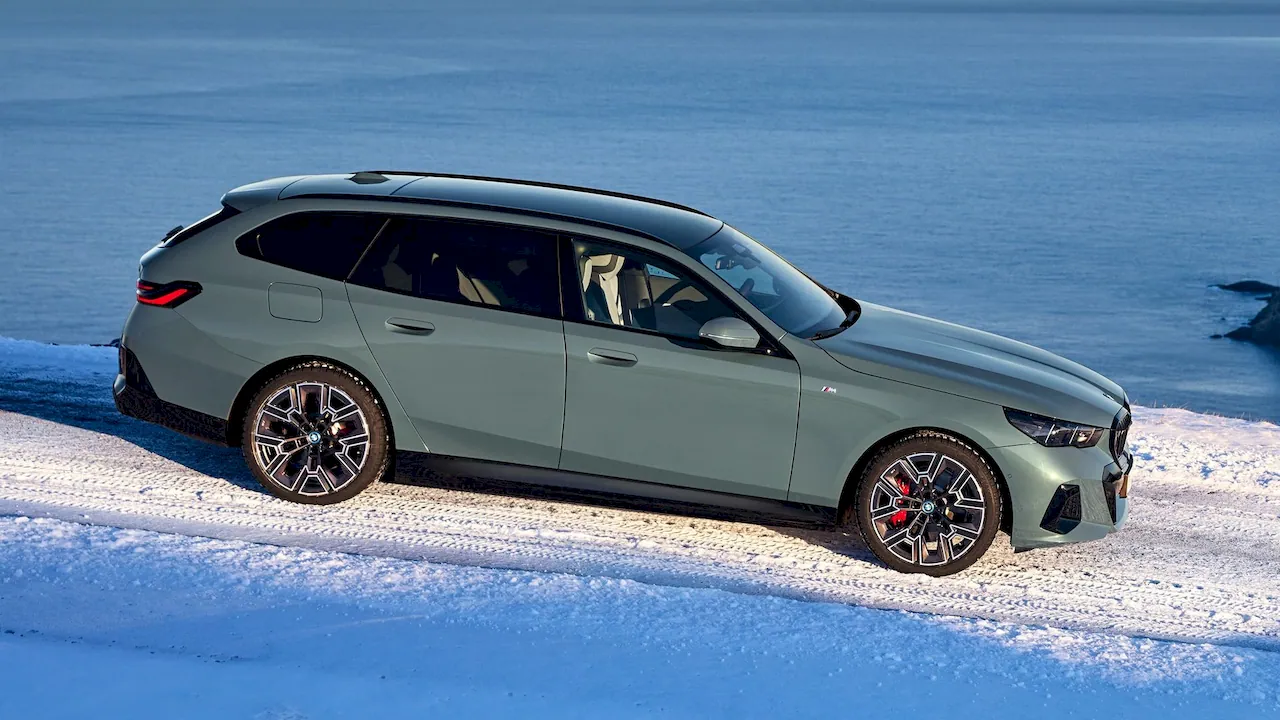
In September 2024, BMW opened order books for the M5 Touring in the United States. Within a month it became clear that the wagon wasn’t just attracting attention—it was quickly becoming one of the most talked-about performance models among American enthusiasts. According to Bernd Körber, BMW’s Senior Vice President for Brand and Product Management, American buyers increasingly see a wagon not merely as a family car but as part of a lifestyle statement. In Europe, by contrast, sedans still dominate the segment.
Riding this wave of interest, BMW is now considering bringing several additional wagon models to the U.S. market. Potential newcomers include the next-generation M3 Touring as well as electric performance variants such as the i3 M Touring and the i5 M60 xDrive Touring. While none of these models have been officially confirmed for the United States yet, the trend is clear: BMW is preparing to meet growing demand from American customers looking for an alternative to SUVs.
For context, the M5 sedan in the U.S. starts at about $84,100 and accelerates from 0 to 60 mph in around 3.7 seconds thanks to a hybrid powertrain producing 593 horsepower. The battery pack—rated at 81.2 kWh—delivers an estimated electric range of about 253 miles. Meanwhile, the upcoming i3 M Touring could become the most dynamic wagon in the brand’s lineup. Built on BMW’s upcoming Neue Klasse platform, it is expected to feature four electric motors with combined output exceeding 800 horsepower, though early reports suggest its driving range may be relatively modest.
The next-generation M3 Touring is rumored to retain BMW’s twin-turbocharged inline-six engine paired with a 48-volt mild-hybrid system. This setup should reduce weight compared with full hybrid systems while preserving the car’s performance character. As with the M5 Touring, a manual transmission is unlikely—BMW is expected to use an automatic gearbox supplied by ZF. Unconfirmed reports suggest the most powerful version could deliver up to 717 horsepower and reach 60 mph in roughly 3.5 seconds.
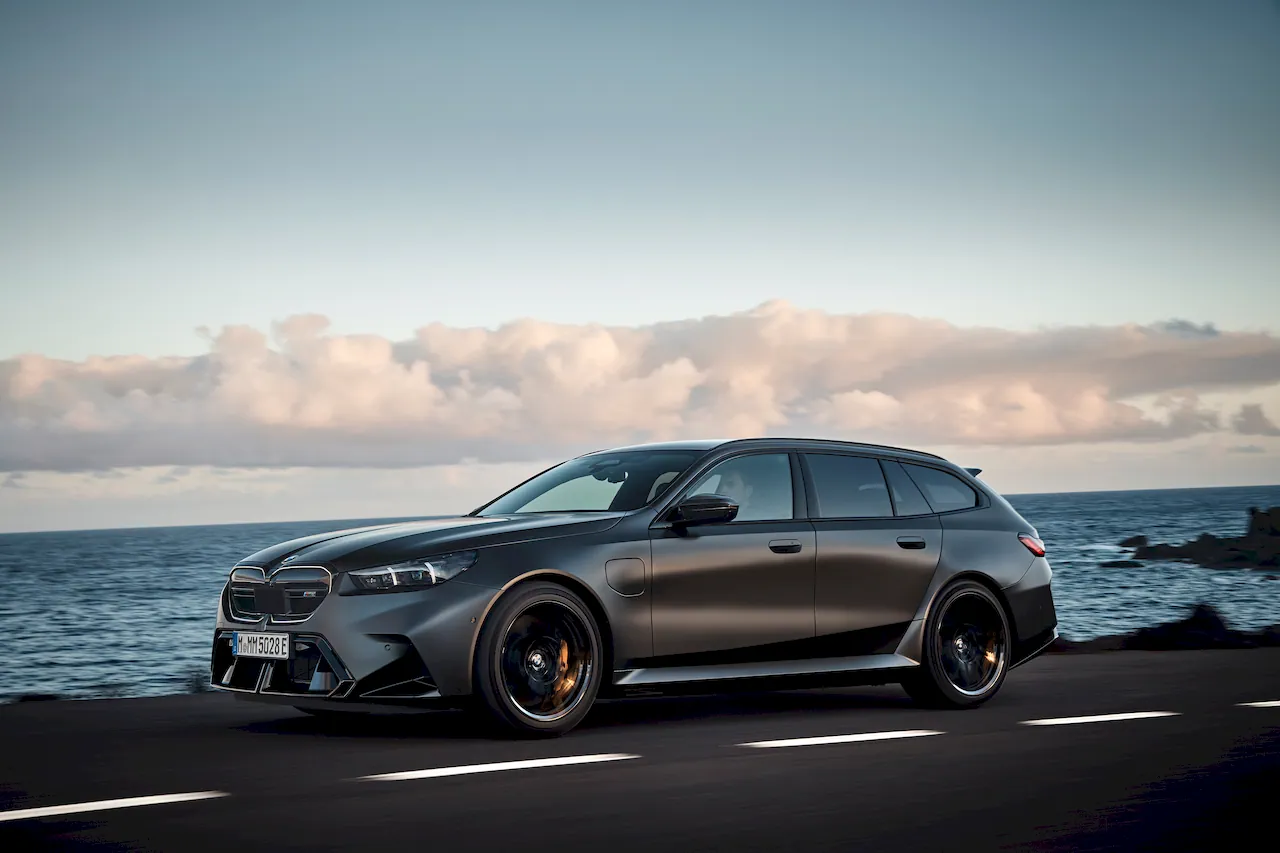
In Europe, the current M3 Touring is offered exclusively in Competition xDrive form, producing 523 horsepower and 479 lb-ft of torque, with no manual option available. American enthusiasts, however, are already anticipating the possibility of additional variants that could compete with the world’s best high-performance wagons.
BMW’s strategic rethink in this historically important market goes beyond simply adding more wagons. It reflects a broader push toward electrification and experimentation with new design and engineering solutions. Recent leaks surrounding updates to the 7 Series and X5 suggest the company is exploring fresh ideas to maintain its position in the premium segment.
Over the next several years, the United States could become a proving ground for some of BMW’s boldest concepts. If the surge in wagon demand continues, other automakers may soon follow the Bavarian brand’s lead.
You may also be interested in the news:
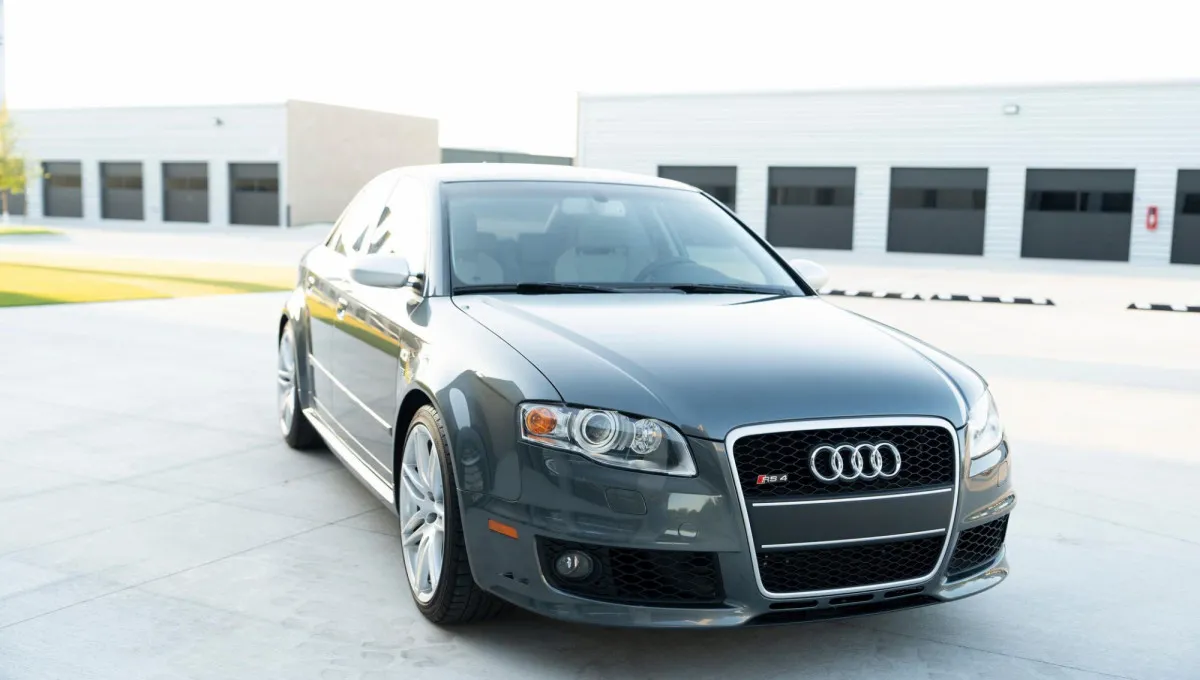
This 18-Year-Old Audi RS4 Just Sold for More Than It Cost Brand-New
After spending 18 years in a garage, this low-mileage Audi RS4 has become a sought-after collector car.

A 100-Year BMW Legacy Is in Trouble as Germany’s Oldest Dealer Files for Insolvency
German dealers accuse Chinese automakers of poor payment practices as an iconic BMW dealer enters insolvency.

Tennessee Man Builds an Absurdly Wide Car Where Everyone Gets to Ride Shotgun
Tennessee creator Tyler Fever built an absurdly wide car after previously turning a Ford Festiva into a street-legal sliver.
Washington Man Steps in Front of Tesla Cybercab to Test Its Self-Driving Response
Washington man stepped into a Cybercab’s path to test how quickly its autonomous system responded.

Copart to Acquire ACV Auctions in $1.9 Billion Deal, Expanding Into Dealer-to-Dealer Car Auctions
Copart is acquiring ACV Auctions for about $1.9 billion, expanding its online auction business into dealer-to-dealer vehicle sales.