
What LSPI Is and How Drivers Can Reduce the Risk of It Happening
Which engines are most vulnerable to the LSPI phenomenon—and why modern turbo engines face the highest risk.
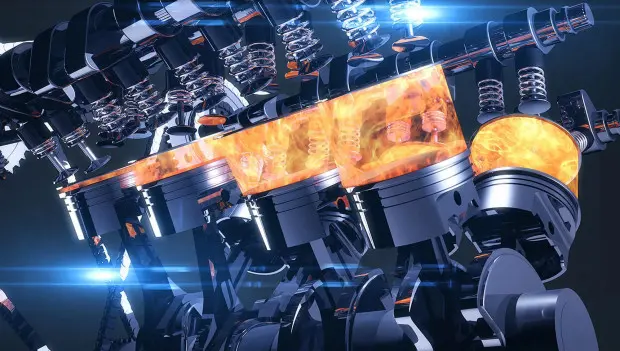
LSPI, or Low-Speed Pre-Ignition, is a phenomenon where the fuel-air mixture ignites on its own during compression at low engine speeds and under load. Unlike normal combustion triggered by the spark plug, this premature ignition happens before the spark occurs. The result can be extremely high pressure inside the cylinder, which may damage pistons and other engine components.
Engine specialists say LSPI has become more noticeable in modern engines, prompting ongoing research into what causes it and how drivers can reduce the risk—including through the type of motor oil used.
Which Engines Are Most Affected by LSPI
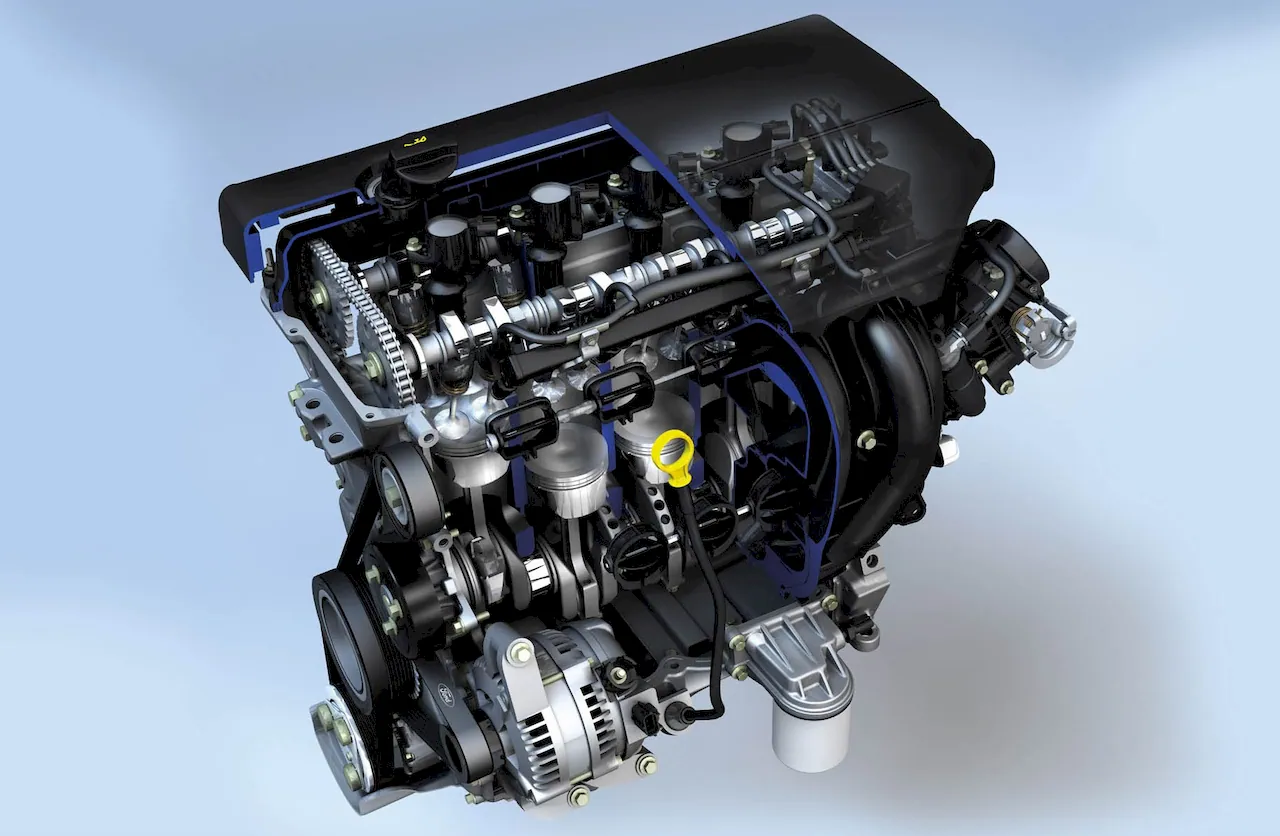
Today’s automakers are under pressure to build engines that are both more fuel-efficient and more environmentally friendly. As a result, many manufacturers have moved toward small turbocharged gasoline engines with direct fuel injection.
These engines typically have displacements of about 1.7 liters or less and are designed to run on low-viscosity motor oils to improve fuel efficiency. They often deliver an impressive balance of power and fuel economy for their size.
However, these same design features make them more vulnerable to LSPI.
Why LSPI Happens
There isn’t a single universally accepted explanation for LSPI yet. Engineers have proposed several theories based on laboratory testing and real-world engine analysis.
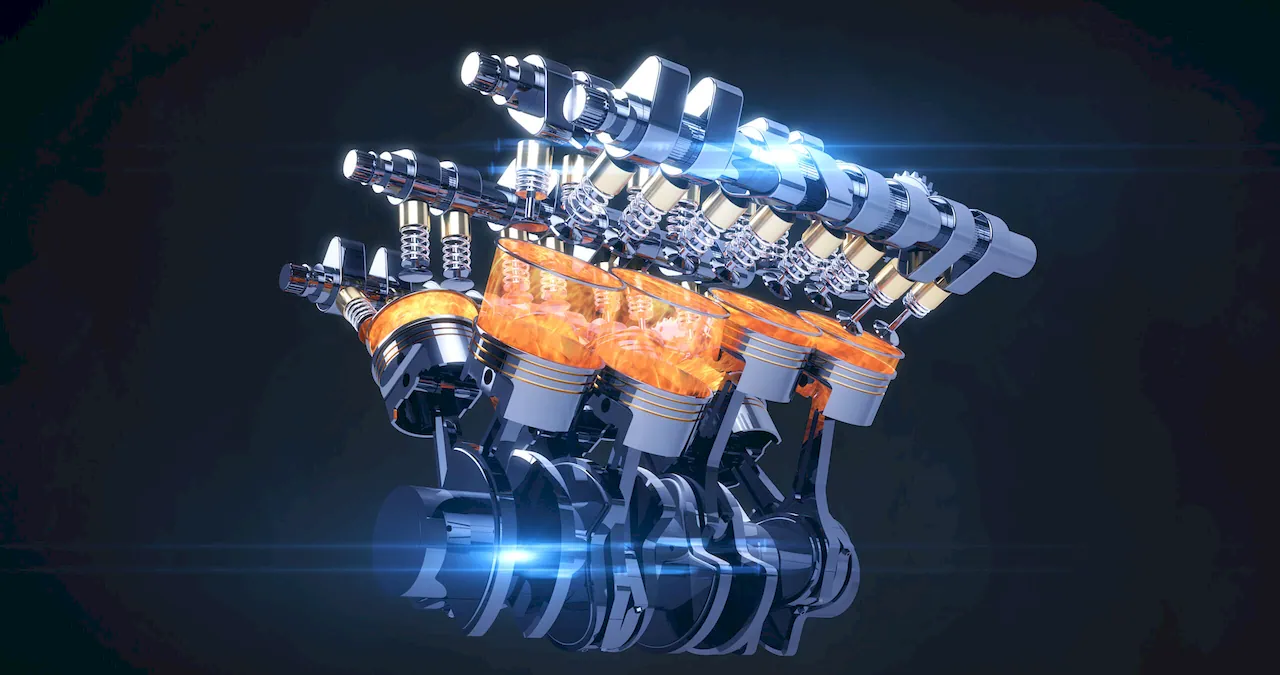
One possible cause is carbon and soot deposits building up on the pistons. These deposits can create localized hot spots inside the combustion chamber. When the engine is operating at low rpm under load, those hot areas may trigger the fuel mixture to ignite too early.
Another theory suggests LSPI may occur when tiny droplets of engine oil enter the combustion chamber through the piston rings. These oil particles mix with the fuel and air and may ignite before the spark plug fires. In that case, both fuel quality and the chemical composition of the engine oil can influence the likelihood of LSPI.
Research has shown that the detergent additives used in motor oil can affect LSPI risk.
For example, oils with higher concentrations of calcium-based detergents have been found to increase the likelihood of LSPI under certain conditions. By contrast, magnesium-based detergents appear to have much less impact on premature ignition events.
Because of these findings, oil formulation has become an important part of preventing LSPI.
To address the issue, LSPI prevention requirements were added to modern international motor-oil standards.
Since May 1, 2020, the American Petroleum Institute introduced the API SP motor oil specification, the latest oil specification designed for modern gasoline engines. This standard includes additional engine tests aimed specifically at reducing the risk of LSPI in turbocharged direct-injection engines.
Motor oils that meet API SP requirements help lower LSPI risk through several key formulation changes:
- Reduced levels of calcium-based detergent additives and a revised balance of cleaning components
- Carefully selected base oils and antioxidant additives to maintain oil stability during long operation
- Optimized anti-wear and friction-reducing additives containing zinc, phosphorus, and molybdenum
Together, these adjustments help reduce the chances of premature combustion events while keeping the engine protected under heavy loads and demanding driving conditions.
You may also be interested in the news:

Your Steering Wheel Starts Shaking at 60 MPH? Don’t Ignore These Warning Signs
A vibrating steering wheel is often most noticeable at highway speeds, but the cause isn’t always immediately obvious.
GM Just Unleashed an 8.3-Liter Diesel V8 to Take on Ford’s 1,200-Lb-Ft Power Stroke
General Motors has confirmed an all-new 8.3-liter Duramax V8 diesel called Mongoose for the 2027 Silverado HD and Sierra HD.
Why Small Turbo Engines Are Replacing Big V8s—and What It Means for Your Next Car
Turbochargers let automakers squeeze big-engine performance from smaller engines—but the technology comes with trade-offs.
American Heart, British Body: Defender Just Got a Corvette V8—and It’s a $210,000 Beast
Osprey Custom has unveiled its latest restomod project, giving a classic Land Rover Defender a powerful Corvette V8 and modern upgrades.
Why Are Automakers Really Shrinking Engines to 1.5 Liters?
Why is the auto industry shrinking engine sizes so aggressively?