
Foggy Car Windows: 6 Simple Tricks to Quickly Restore Clear Visibility
Foggy windows can ruin visibility fast—these simple tips help drivers clear glass and prevent moisture.

Most drivers have experienced the same frustrating moment. You get into your car, start the engine, and suddenly the windows turn into a cloudy white haze. Fogged-up glass isn’t just annoying—it can seriously reduce visibility and create a safety risk.
Here’s why it happens, along with several practical ways to clear your windows quickly and prevent the problem in the first place.
Quick Fix: How to Clear Fogged Windows Fast
If you need to get moving right away, your vehicle’s climate system is your best tool.
1. Turn the Heat and Fan to Maximum
The first step is simple: direct airflow toward the windshield. Set the heater to the highest temperature and the fan to its highest speed.
A strong stream of warm air works almost like a hair dryer, evaporating moisture from the glass.
Many modern vehicles also include a dedicated windshield defrost button—usually marked with a windshield icon. When pressed, it automatically activates maximum fan speed, high heat, and often the air conditioner to remove humidity faster.
2. Turn on the Air Conditioner
Even in cold weather, the A/C system is one of the most effective ways to remove moisture from the air inside the car.

Air conditioning doesn’t just cool the air—it removes humidity, which helps clear fog from the windows. Many drivers run the heater and A/C together during winter specifically for this reason.
Keep in mind that in many vehicles the A/C system automatically shuts off when outside temperatures drop below about 41°F.
3. Use Recirculation Mode Carefully
Recirculation mode keeps air moving inside the cabin instead of pulling in fresh outside air.
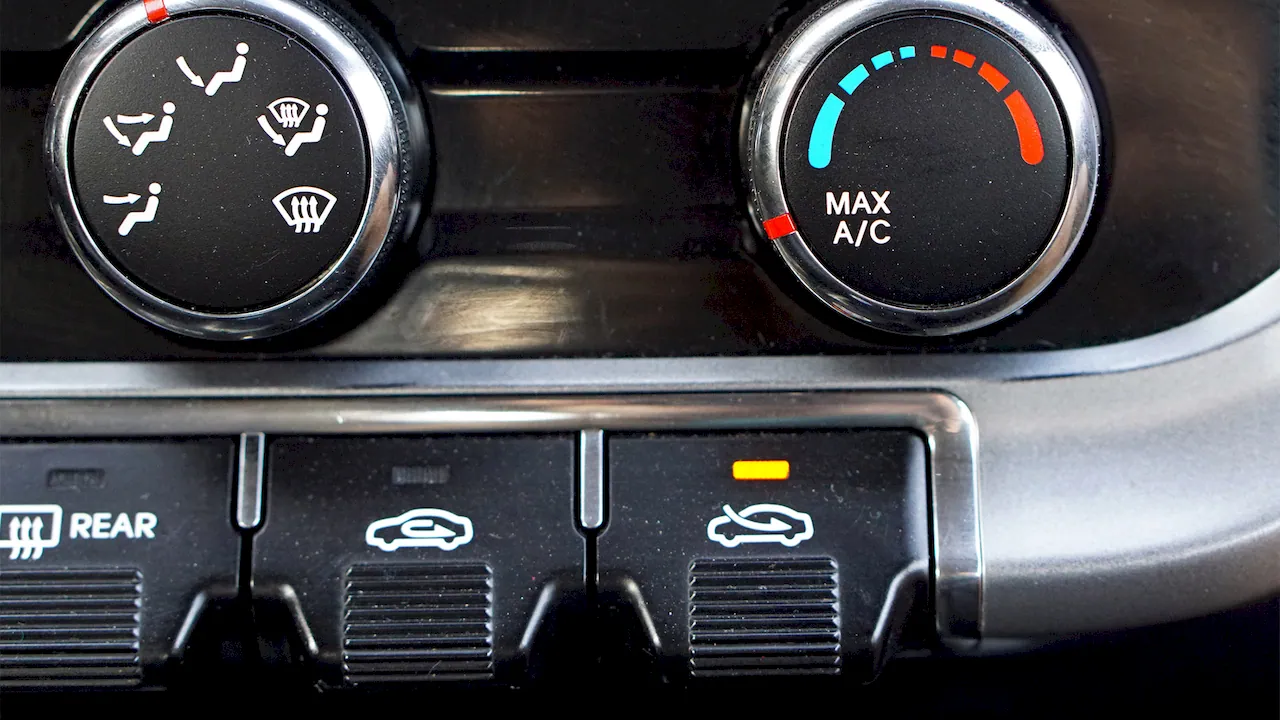
This can help the interior warm up faster—but only if the air inside the car is already dry.
If the cabin is humid—say from wet coats, snow on the floor mats, or damp shoes—recirculation will simply move moist air around, making the fogging worse. In that case, switch to fresh-air intake mode so drier outside air can enter the cabin.
4. Wipe the Glass With Microfiber
If the windows are heavily fogged and covered in droplets, the fastest solution may be manual.
Keep a clean microfiber cloth in the car and wipe the glass dry. It’s a quick emergency fix that can restore visibility in seconds.
Prevention: How to Stop Windows From Fogging Up
Once the glass is clear, it’s worth addressing the root cause. Fogging almost always comes from excess moisture inside the vehicle.

1. Keep the Windows Clean
Condensation forms more easily on dirty glass. Dust and oily residue create a surface where moisture collects faster.
Regularly clean the inside of the windows with a proper glass cleaner to remove that thin film of grime.
2. Eliminate Sources of Moisture
Reducing humidity inside the vehicle is the most effective long-term solution.
Some practical steps include:
- Use rubber floor mats during fall and winter so water and melted snow can be easily removed.
- Check carpeted floor areas regularly, especially near door sills and corners, where moisture can accumulate.
- Inspect the spare tire compartment, where water sometimes collects unnoticed.
- Worn door seals can allow water leaks—clean and treat them with protective products.
- If your car has a sunroof, occasionally pour a small amount of water into its drainage channel to ensure it drains properly. If water doesn’t flow out, the drain tubes may be clogged and should be serviced.
- In fall, remove leaves and debris from the area under the hood near the base of the windshield. Blocked drains there can allow water to enter the cabin. Door drains should also be checked periodically.
Finally, avoid parking in poorly ventilated garages where damp walls and floors trap moisture. In such environments, a car may never fully dry out. If you have no alternative, try to ventilate the space regularly.
Keeping the interior dry and using your climate controls properly can make fogged windows far less likely—and help ensure you always have a clear view of the road ahead.
You may also be interested in the news:

Your Steering Wheel Starts Shaking at 60 MPH? Don’t Ignore These Warning Signs
A vibrating steering wheel is often most noticeable at highway speeds, but the cause isn’t always immediately obvious.
Windshield Wipers Aren’t Cleaning Properly? Here’s What Could Be Wrong
Why do windshield wipers sometimes fail to do their job?

Best Sedans for Interior Space: The Roomiest Cars of 2026
These six sedans offer generous legroom and shoulder room, giving families a comfortable alternative to larger SUVs for long trips.

Best Cars for Teen Drivers: Affordable and Safe Picks
These affordable used and new vehicles combine strong safety ratings, reliability, and reasonable prices for young drivers and their families.

12 Used Cars Retirees Should Know About—These Models Put Safety, Comfort and Reliability First
Great for Retirees: These Used Cars Stand Out for Safety, Reliability and Comfort