
Engineers Develop Battery That Continues Operating in Extreme Cold Down to −94°F
Researchers created a new battery design capable of maintaining performance in extreme subzero temperatures.
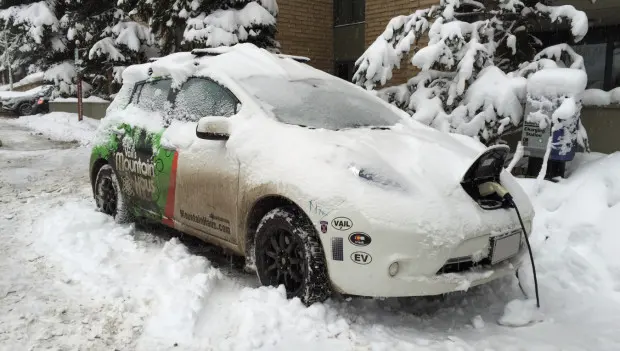
A major weakness of modern electric vehicles — rapid battery capacity loss in freezing weather — may soon have a technological solution.
Engineers from Nankai University and the Shanghai Institute of Space Power-Sources (SISP) have reworked the underlying chemistry of lithium-based batteries to maintain performance in extremely cold conditions.
Traditional lithium-ion batteries rely on electrolytes based on oxygen- and nitrogen-containing compounds. These materials dissolve lithium salts effectively, which helps the battery function under normal conditions. However, they have a critical drawback: the electrolyte thickens quickly once temperatures drop below freezing, slowing ion movement and sharply reducing battery efficiency.
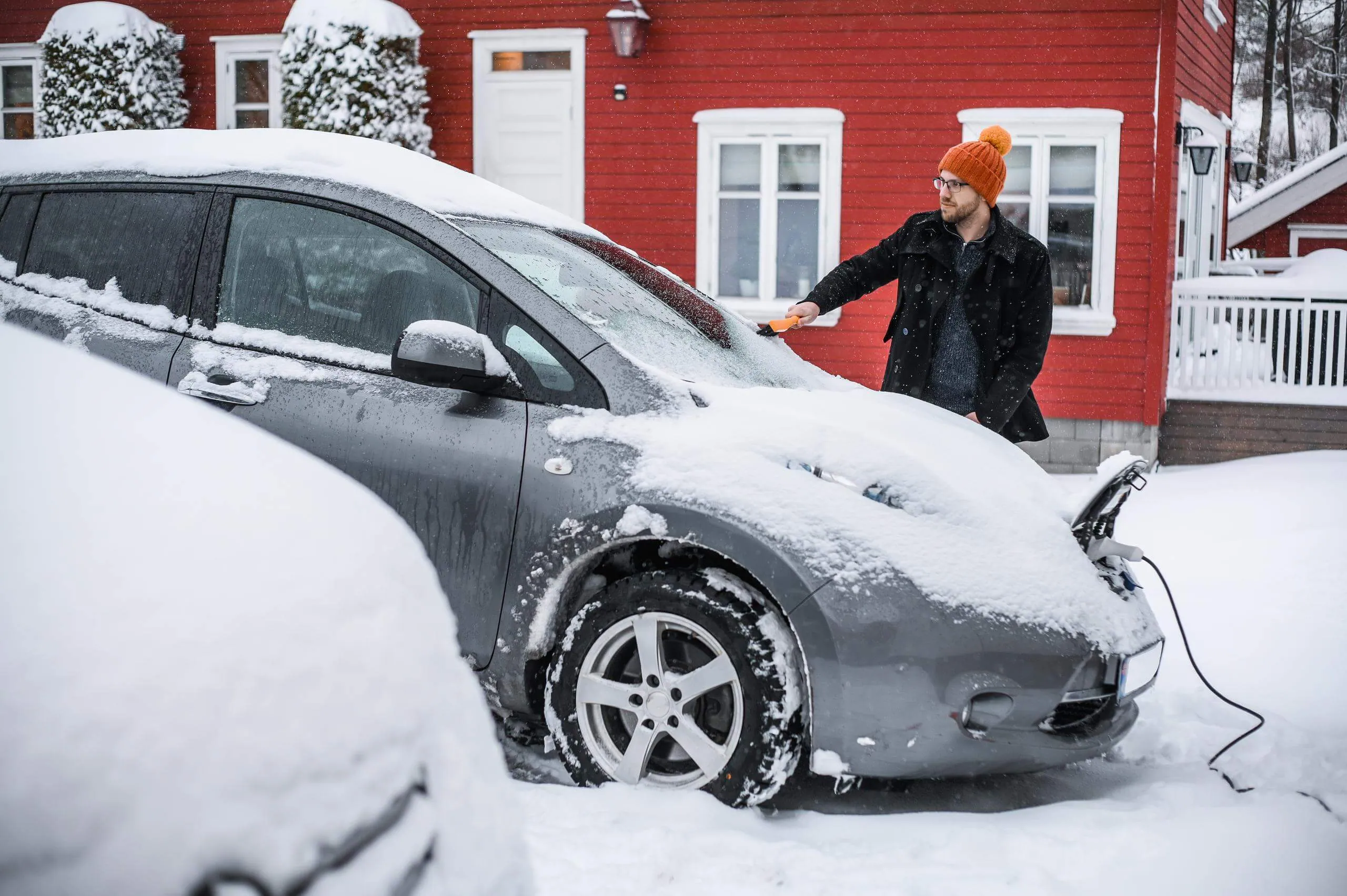
The Chinese research team proposes a different approach — an electrolyte based on hydrofluorocarbon compounds. The fluorinated chemical structure keeps the liquid electrolyte less viscous and maintains stable ion conductivity even when temperatures plunge to about −94°F (−70°C).
Early prototypes show impressive performance. At room temperature, the experimental cells reportedly deliver about 318 watt-hours per pound of energy density. For comparison, many mass-produced lithium-ion batteries used in electric vehicles typically reach around 62 watt-hours per pound.
According to research published in the journal Nature, the new battery cells still deliver roughly 181 watt-hours per pound even at −58°F (−50°C). That level of performance would rival — and potentially exceed — the effective output of many current EV batteries operating under ideal conditions.
If the technology reaches commercial production, the improvement could have major implications for electric vehicles. Researchers suggest it could potentially double driving range, increasing it from about 310 miles to more than 620 miles in some scenarios.
Perhaps more importantly, the breakthrough could allow electric vehicles to operate reliably in extremely cold environments, including Arctic regions, without the severe range loss drivers currently experience in freezing weather.
You may also be interested in the news:
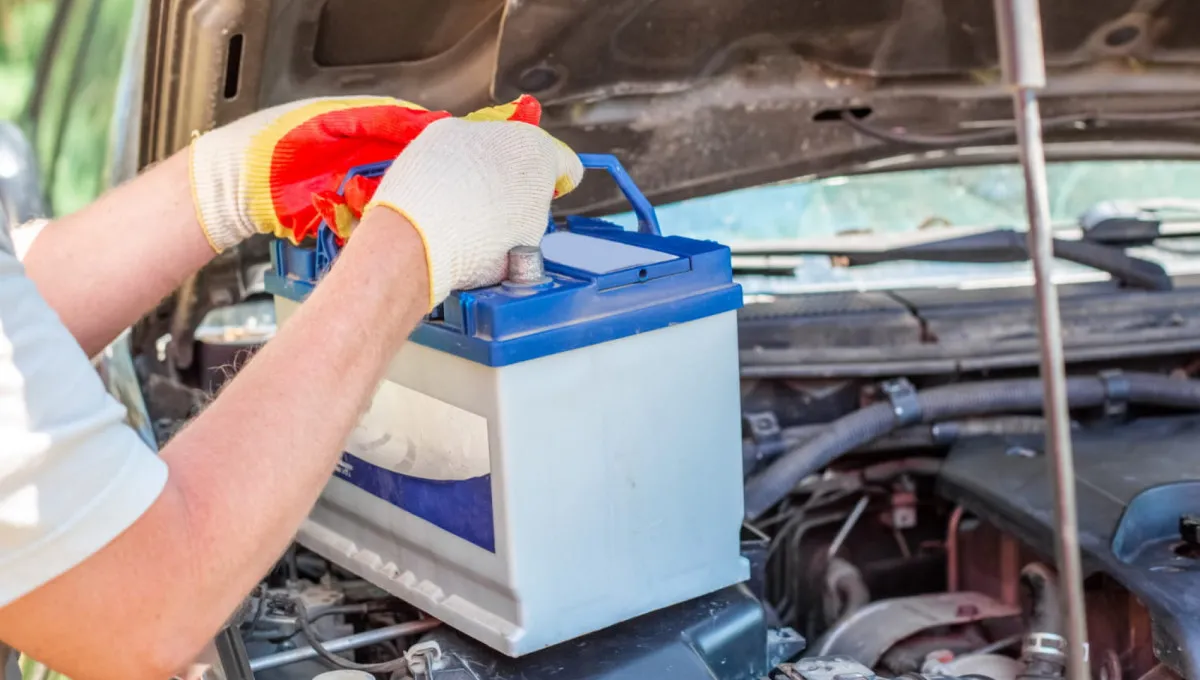
3 Signs Your Car Battery Is About to Die — And the Warning Signs Drivers Often Miss
A failing car battery rarely dies without warning, and these three signs can give drivers time to act before getting stranded.
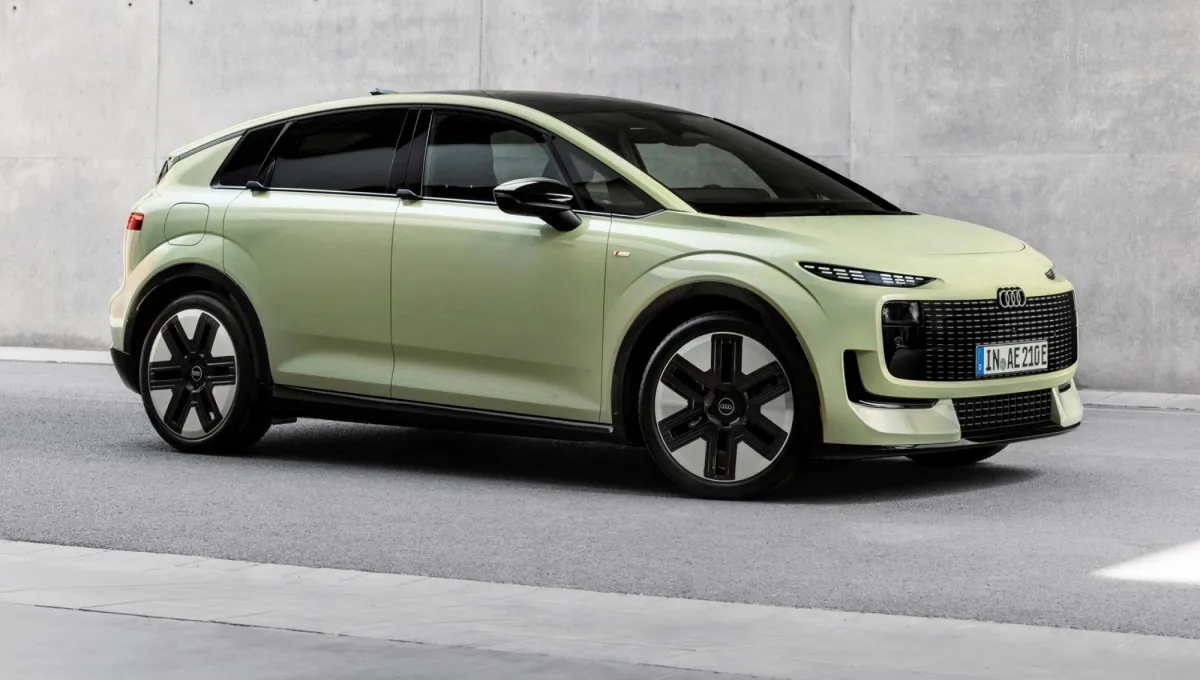
Audi Reveals EV With Unusual Door Handles
Audi has unveiled the new A2 E-Tron, an electric hatchback with distinctive styling and tiny flush-mounted door handles.
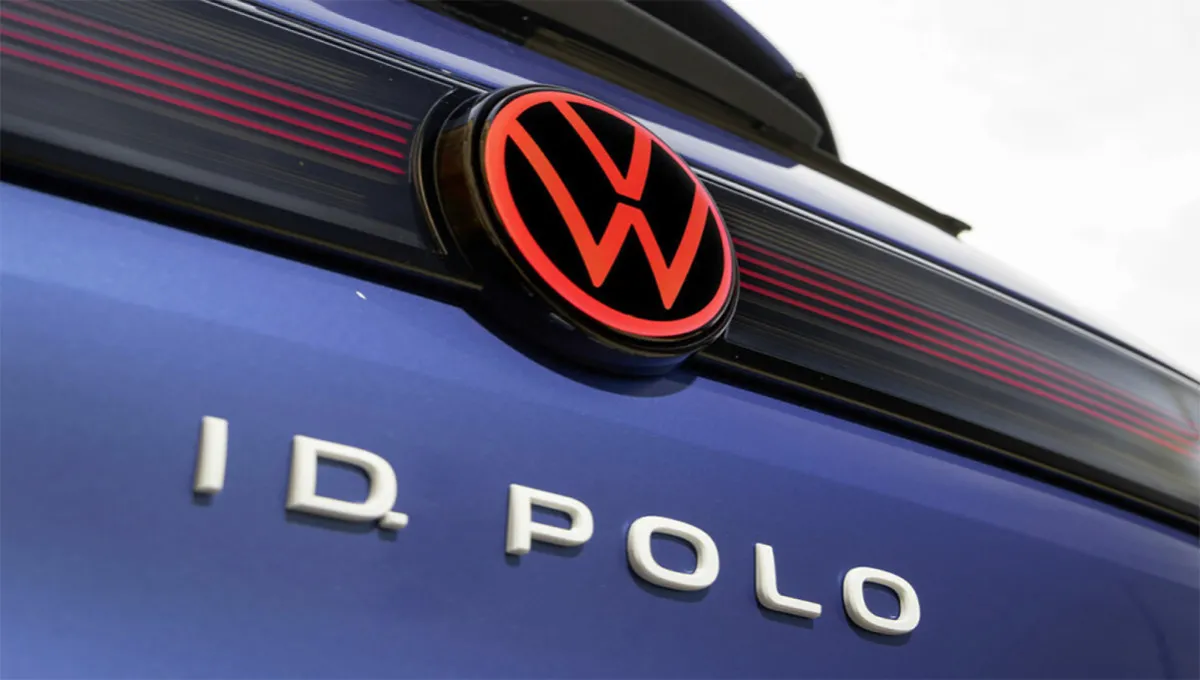
Volkswagen ID. Polo Demand Is So Strong Buyers Face a Nearly Yearlong Wait
Demand for Volkswagen’s affordable EV is so strong that buyers may wait nearly a year before taking delivery.
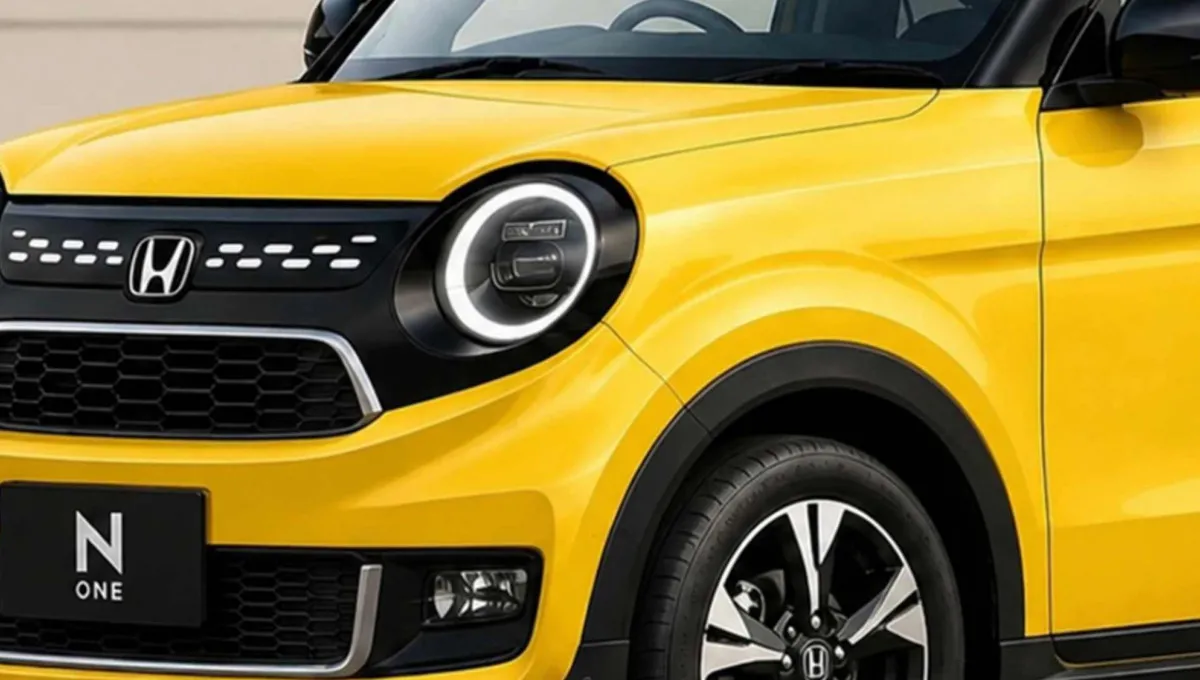
Next-Generation Honda N-One Appears in First Renderings
The Honda N-One family expanded in 2025 with the electric N-One e:, while the gasoline-powered RS received an update.
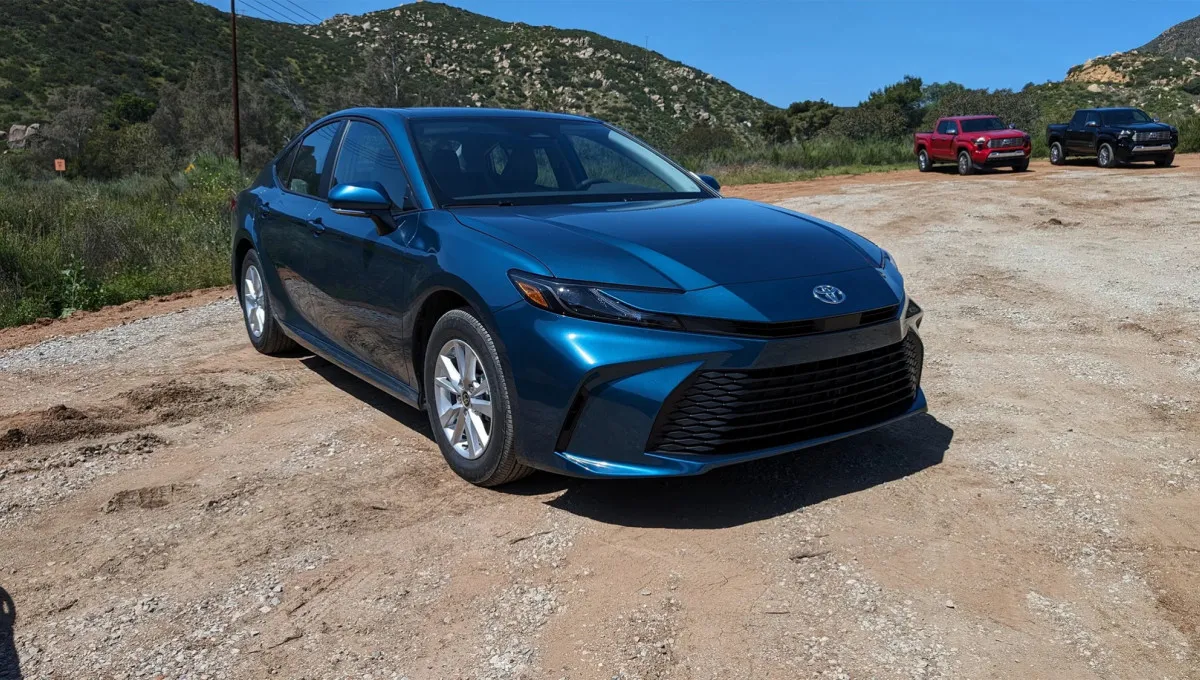
Americans Are Finding Out How Much It Costs to Replace a Hybrid Battery in a Modern Toyota
A Toyota hybrid battery can cost as much as $4,500 to replace, depending on the model and battery type.