
China’s Geely Buys American Ford Plant in Europe and Prepares Quiet Expansion Push
Is this another case of geopolitical concern, or simply straightforward business strategy?
Is this another round of warnings about an economic threat, or just cold, pragmatic business logic? While Jim Farley publicly criticizes Chinese automakers on a regular basis, his company is quietly opening the door to them in Europe—quite literally—by offloading unused manufacturing capacity.
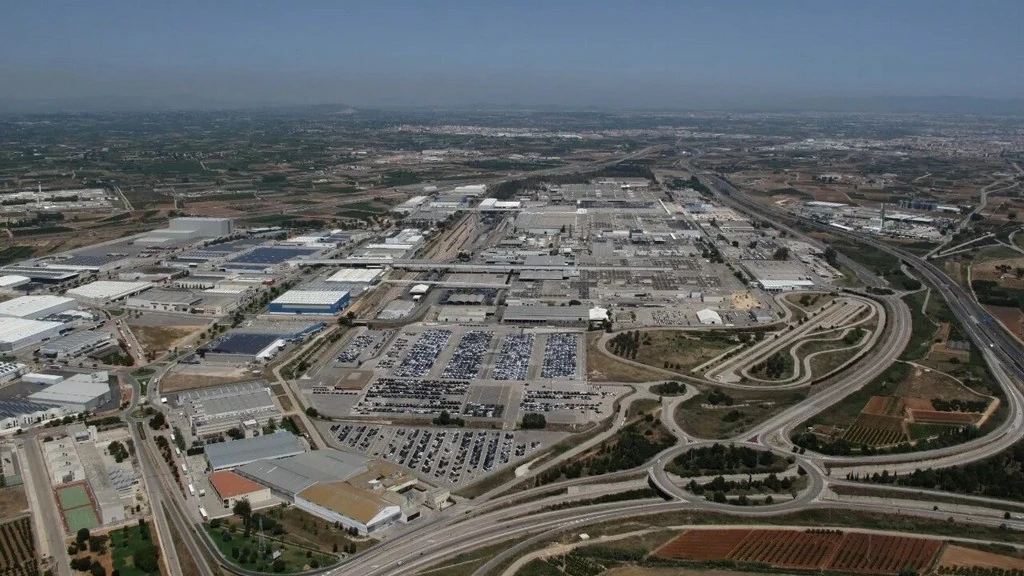
According to the Spanish outlet La Tribuna de Automoción, Ford Motor Company has reached an agreement with Geely to sell a dormant production line at its Valencia plant in Spain. The irony is hard to miss: Chinese vehicles could soon be built in the heart of Europe using former Ford infrastructure, gaining a built-in advantage over rivals.
The line is said to be based on Geely’s new global GEA architecture, already underpinning models like the Galaxy A7 and E5. The platform is designed for flexibility, allowing electric vehicles, hybrids, and plug-in hybrids to be assembled on the same production line.
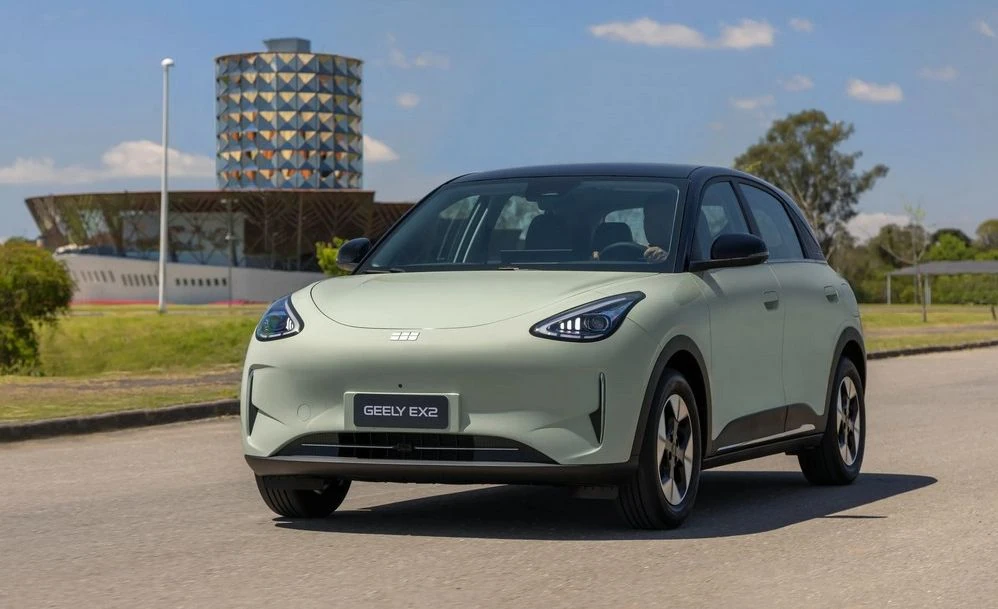
Early reports suggest Geely’s first model produced there could be the EX2 compact crossover. It’s a small electric five-door SUV measuring just over 13.5 feet in length, already produced in China and Belarus. Sized for dense urban environments, it appears well suited for European cities. The EX2 measures about 163 inches long, 71 inches wide, with a wheelbase of roughly 104 inches—close in footprint to the Ford Puma, but fully electric.
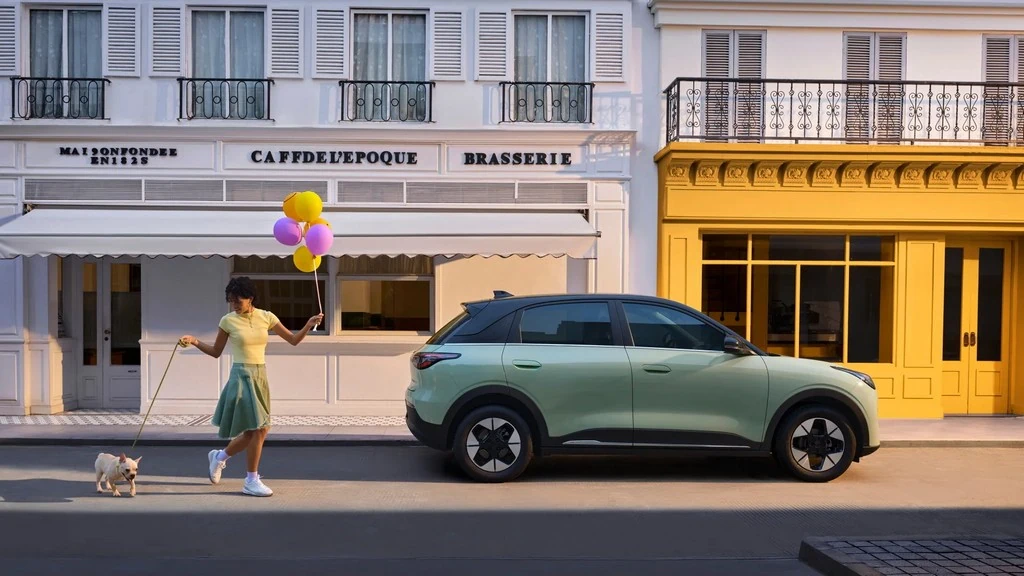
Power comes from a rear-mounted electric motor producing around 116 horsepower. The battery uses lithium iron phosphate (LFP) chemistry with capacities ranging between roughly 30 and 40 kWh. Under China’s CLTC testing cycle, range can reach up to 250 miles. Inside, the cabin features a 14.6-inch infotainment display, a 540-degree camera system, and Level 2 driver assistance.

But the more intriguing twist is still developing. Reports claim Ford may also gain access to the same platform. That could open the door for the American brand to base a future successor to the Puma on Geely’s architecture. In practice, that would mean European buyers could end up driving a Ford-badged vehicle that is, underneath, fundamentally a Geely product.
For now, both companies remain cautious in their public statements. Ford typically sticks to familiar wording about “ongoing discussions,” while Geely representatives are keeping details under wraps. Still, insiders suggest the deal is essentially in place, with only formalities remaining.
If finalized, the Valencia facility—which has seen limited activity since the pandemic slowdown—would return to full production. The difference is that it would no longer be producing for Ford’s core lineup, but instead serving a fast-growing Chinese automaker expanding deeper into Europe.
The broader picture is hard to ignore: instead of Western companies exporting manufacturing eastward, the flow is increasingly going the other way.
You may also be interested in the news:
Ford Ranger FX4 Level II Was Cool Long Before the Raptor
Ford Built This Insane Ranger Years Before the Raptor—and Almost Nobody Remembers It
Tennessee Man Builds an Absurdly Wide Car Where Everyone Gets to Ride Shotgun
Tennessee creator Tyler Fever built an absurdly wide car after previously turning a Ford Festiva into a street-legal sliver.
Why Small Turbo Engines Are Replacing Big V8s—and What It Means for Your Next Car
Turbochargers let automakers squeeze big-engine performance from smaller engines—but the technology comes with trade-offs.
Ford Just Gave the 2027 F-150 a New Engine, Hands-Free Trailer Towing and a Carhartt Edition
Ford has updated the 2027 F-150 with a new V6, trailer-capable BlueCruise and a rugged Carhartt special edition.
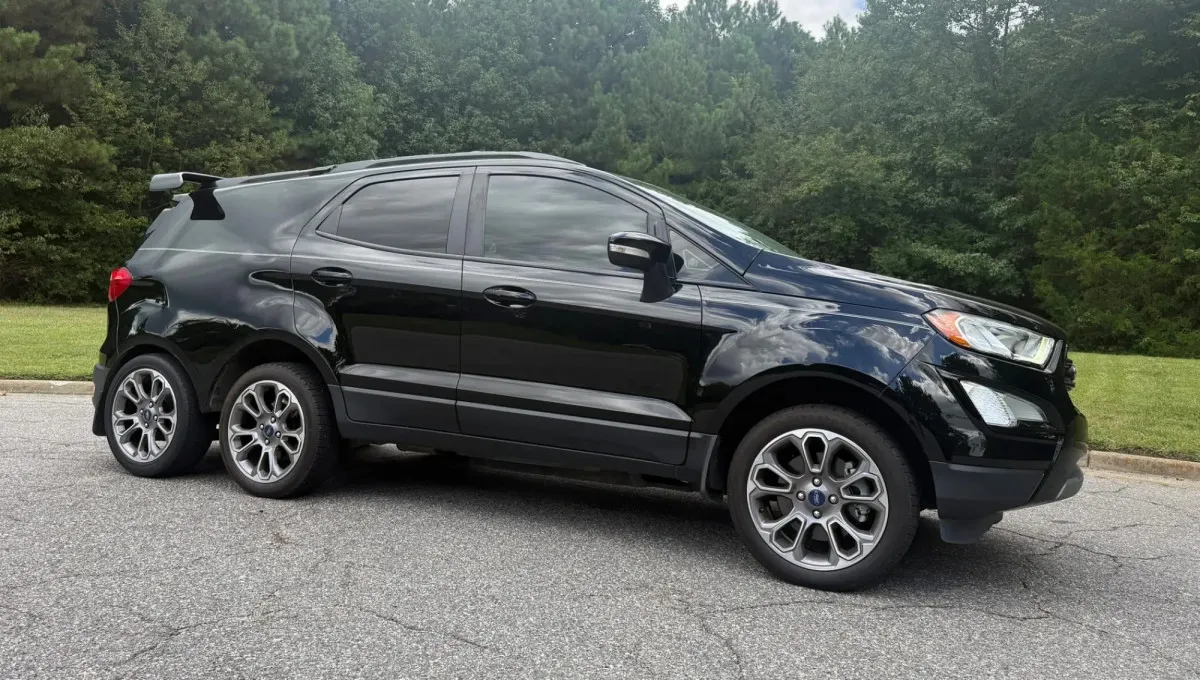
Someone Turned a Ford EcoSport Into a Six-Wheeled SUV — And It's Selling for Just $7,000
An extremely unusual six-wheeled conversion of Ford’s compact crossover has landed on the Bring a Trailer auction block.