
1966 Oldsmobile Toronado: The Front-Drive Marvel America Didn't Buy
The Oldsmobile Toronado was a genuine breakthrough for the American auto industry — and, in a strange twist, its innovations steered a brilliant car straight into commercial flop territory.
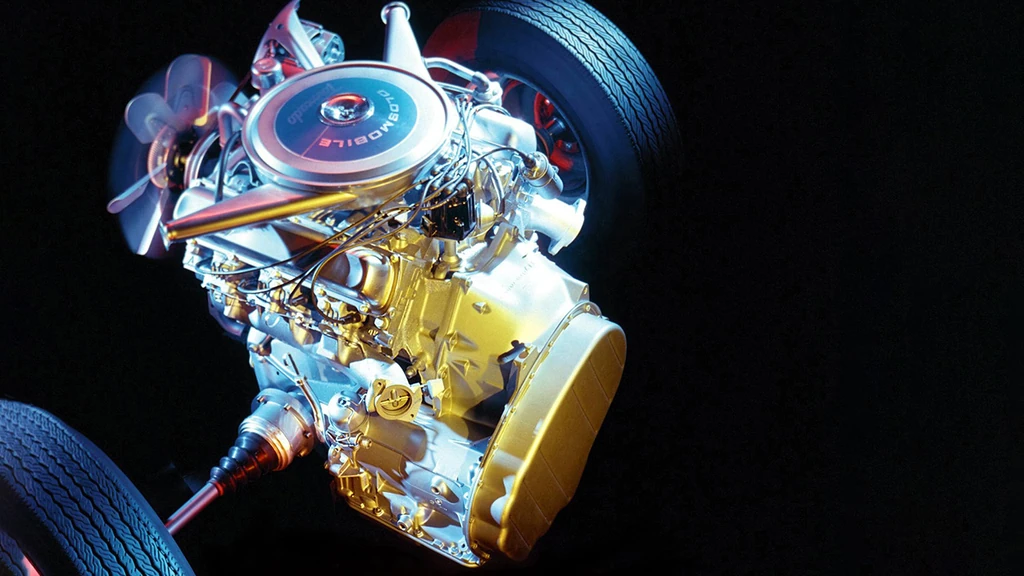
The Toronado story kicked off in the early 1950s, when General Motors engineers started sketching out a radically different kind of drivetrain. The American car market was booming, and buyers were hungry for more powerful, more advanced engines. Against that backdrop, the team began work on an experimental power module. The concept was revolutionary: merge the engine, transmission, and differential into a single integrated unit. The advantages were obvious right away. A unified power module took up very little space and could be adapted to different vehicles without too much trouble.
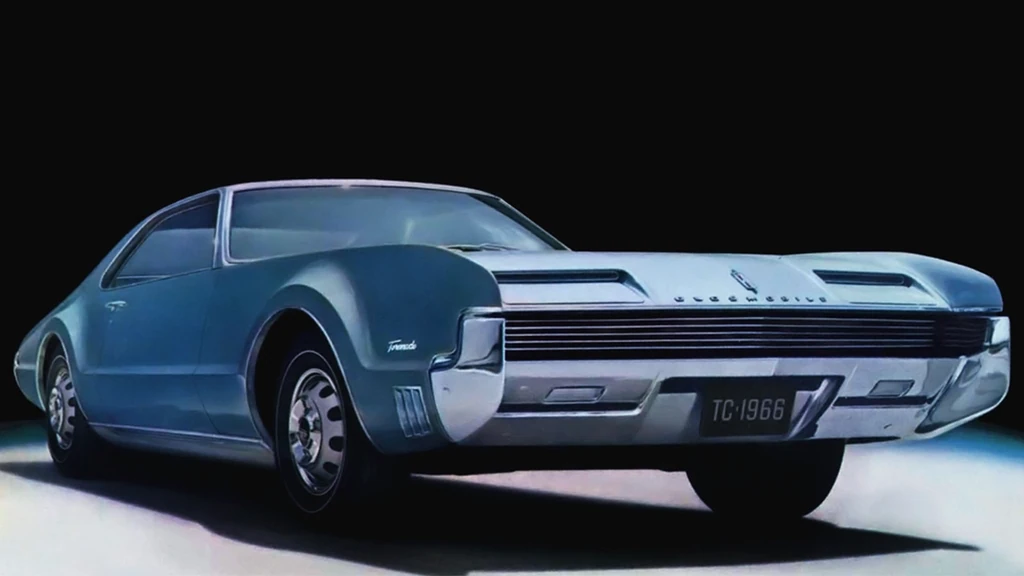
The original plan was to drop it into the compact (by American standards) Oldsmobile F-85. But the marketing guys stepped in and decided that such advanced technology deserved a more prestigious home. That’s how the project for a comfortable, “personal” coupe called the Oldsmobile Toronado came to life.
The heart of the Toronado was a 455 cubic-inch V8 cranking out 385 horsepower, bolted together with a three-speed THM425 automatic transmission into a single unit. The front-wheel-drive layout forced a complete rethink of the car’s architecture. For the first time in GM history, a torsion-bar front suspension went in up front. Out back, instead of a traditional live axle, the car got a simple solid beam on single leaf springs with dual shock absorbers.
Since there was no driveshaft running down the middle, the floor came out completely flat, which opened up a ton of interior room. The body used monocoque construction with a beefy front subframe, which dropped the center of gravity and seriously sharpened the handling.
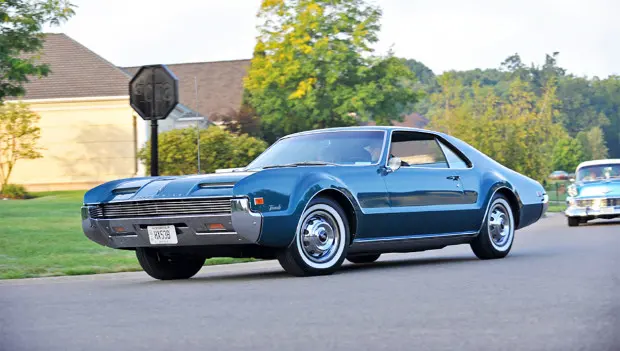
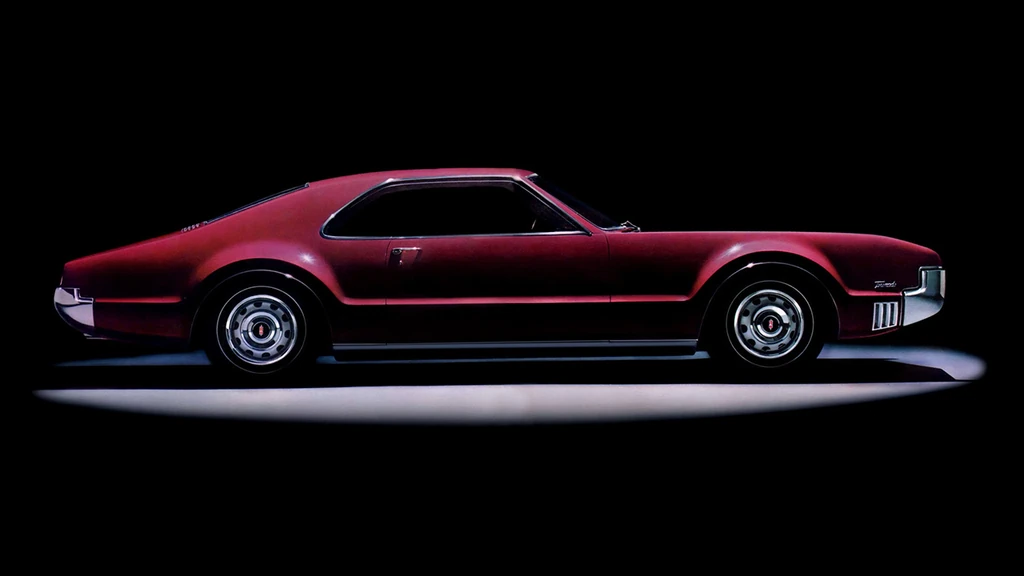
And the Toronado looked stunning. Hidden headlights, sculpted wheel arches, a clean rear end free of clutter — the whole thing read more like a European GT car than the typical American land yacht of the era.
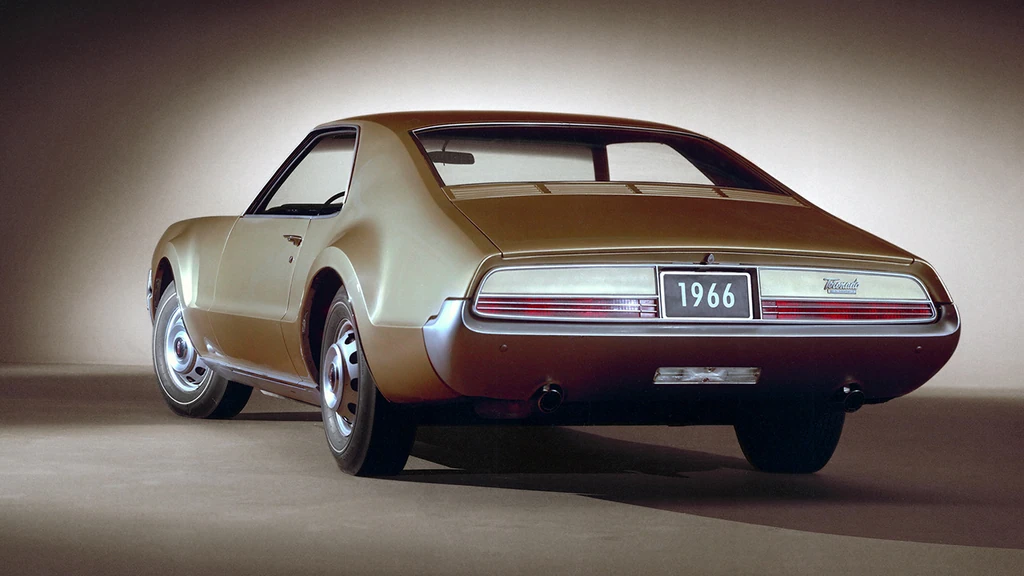
The debut was an absolute sensation. It was the first mass-produced front-wheel-drive car in postwar America, and it grabbed everybody’s attention. The automotive press raved about the groundbreaking engineering, the crisp handling, and the knockout styling. But the average American read the articles, nodded along in admiration… and then didn’t buy the car. Buyers kept their distance from the unusual newcomer. The offbeat styling spooked them, along with the unfamiliar front-drive layout and the exotic drivetrain. In other words, all of the car’s strong points had somehow turned into deal-breakers.
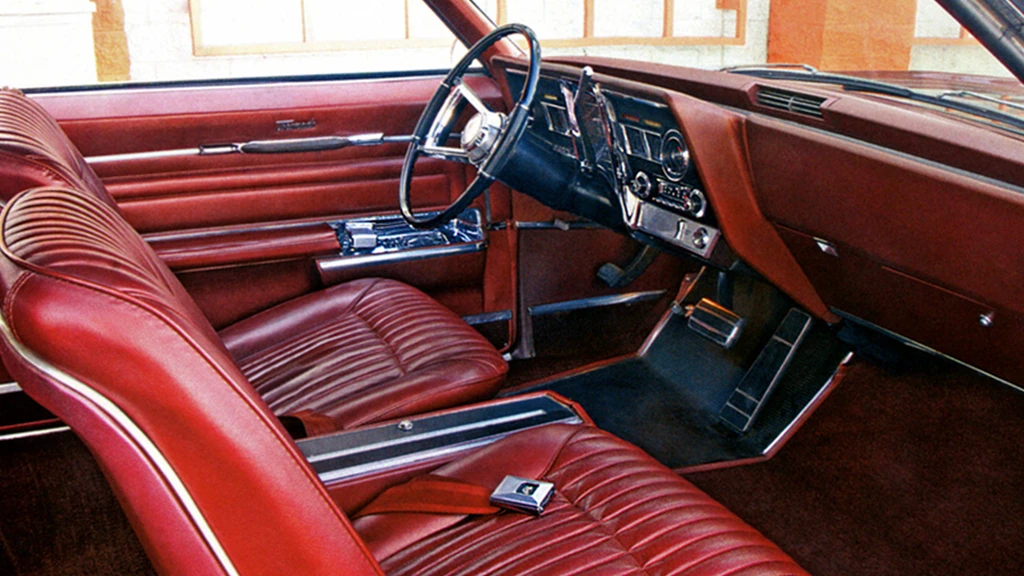
The first year went okay — around 41,000 units found buyers. But the very next season, in 1967, sales collapsed by half. Oldsmobile tried tweaking the styling a little and improving some specs, but it didn’t matter — the market had already turned its back. Still, the impression the Toronado left on American buyers didn’t fade. Little by little, public opinion started to shift, and other American front-wheel-drive cars eventually followed in its tire tracks. But that’s a story for another day.
You may also be interested in the news:
Experts Name the Two Most Powerful Production Sports Cars in the U.S.
American sports cars continue to impress with their horsepower, speed and innovative engineering, with two models standing above the rest.
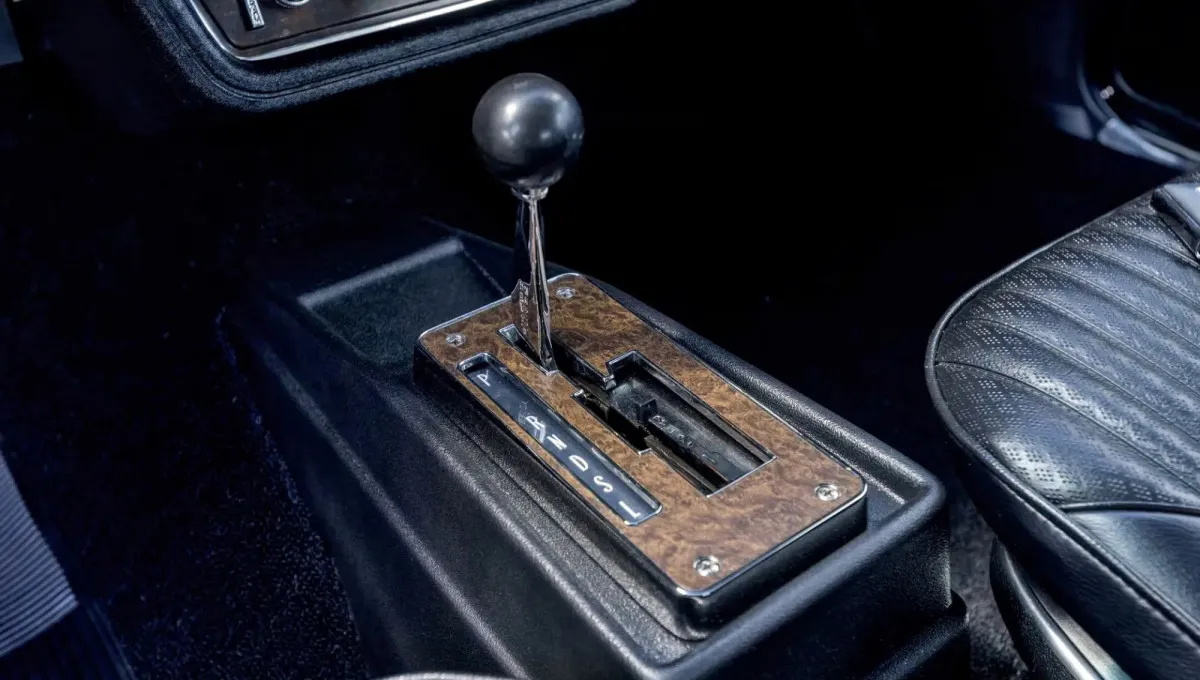
How Oldsmobile Invented a Manual Gearbox for an Automatic
Long before paddle shifters and electronic driving modes, Oldsmobile found a clever mechanical way to let drivers shift an automatic transmission themselves.
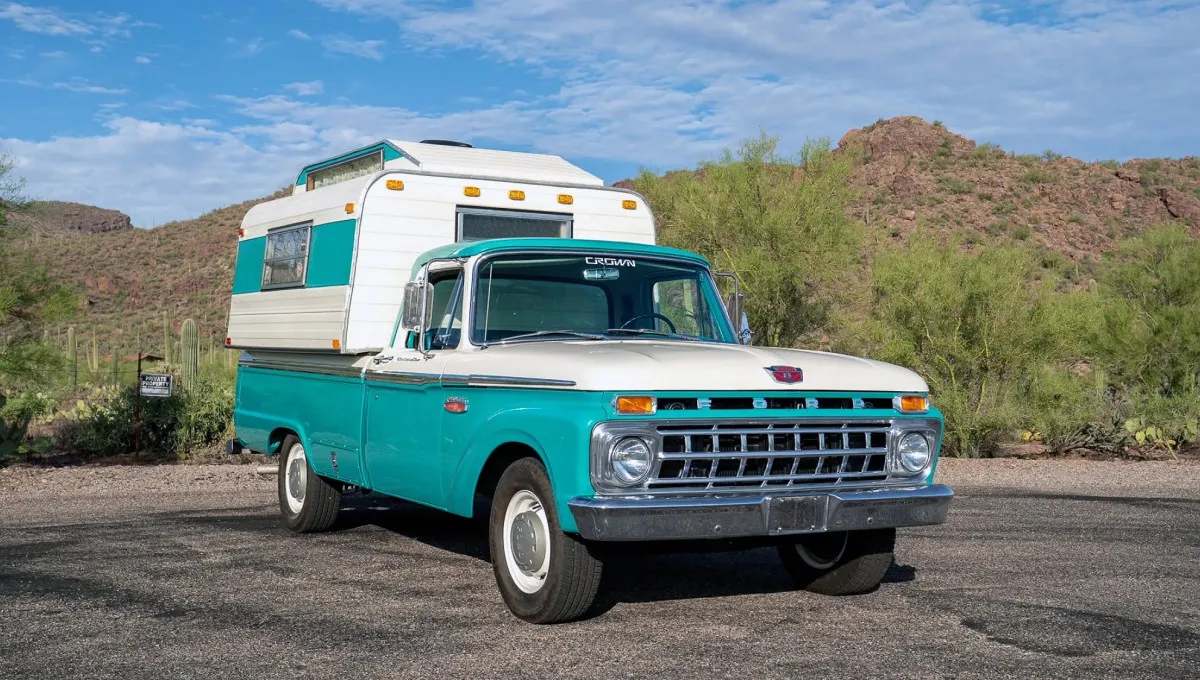
This 1965 Ford F-250 With a Mitchell & Sons Camper Is a Charming Retro Travel Companion
The 1965 Ford F-250 and Mitchell & Sons camper share colors, period styling, and compatibility.
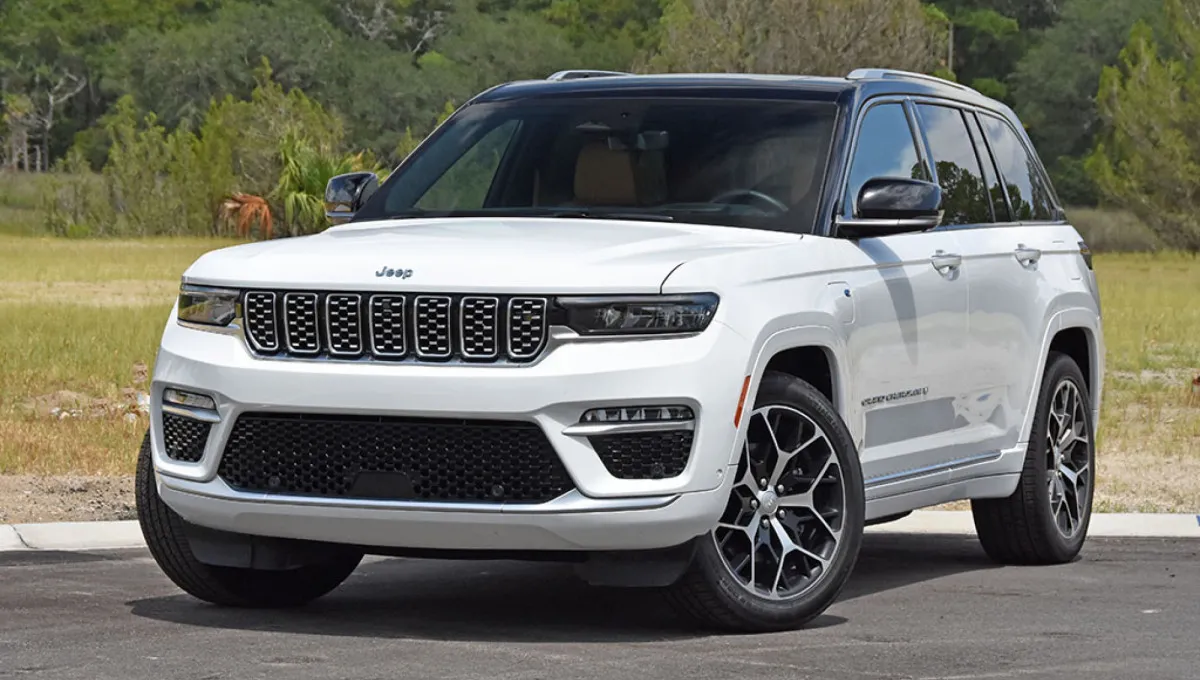
328,000 Jeep Grand Cherokees Recalled Over a Hidden Crash Risk — Owners Should Act Now
Chrysler is recalling more than 328,000 Jeep Grand Cherokees over a rear coil spring problem that could increase the risk of a crash.
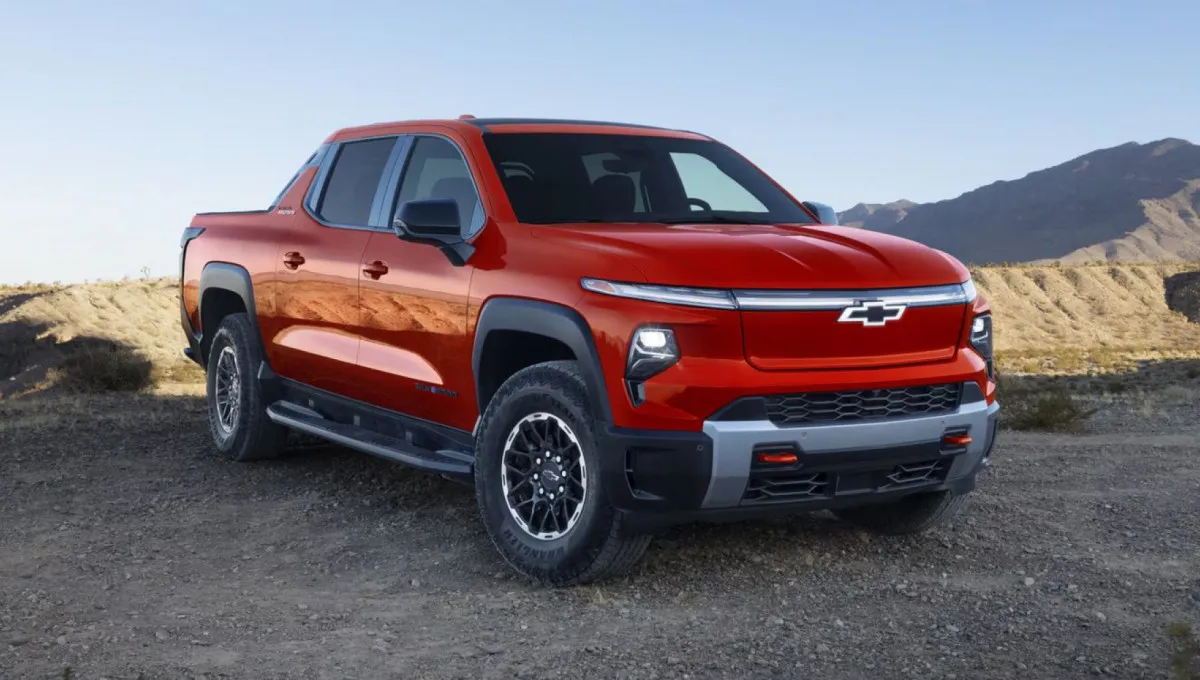
Chevrolet Raises Prices on 2027 Silverado EV and Cuts the Lineup
Chevrolet raises 2027 Silverado EV prices and cuts two trims amid weak electric-pickup demand in the market.