
CATL Sets Its Sights on Batteries With Gasoline-Like Energy Density
The battery giant believes lithium-air technology could become the next major breakthrough after lithium-ion and solid-state cells.
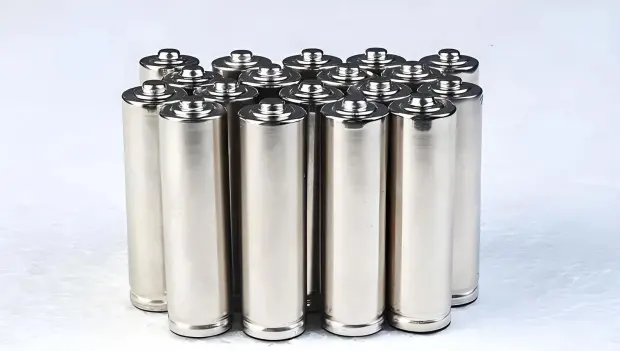
Battery manufacturer CATL has outlined a new long-term research strategy. After advancing sodium-ion and solid-state batteries, the company plans to focus on lithium-air technology, which theoretically could deliver energy density approaching that of gasoline.
The roadmap was revealed by CATL Chief Scientist Wu Kai during the Equipment Powerhouse Forum 2026. According to him, lithium-air batteries are viewed as one of the most promising technologies for the next generation of electric vehicles.
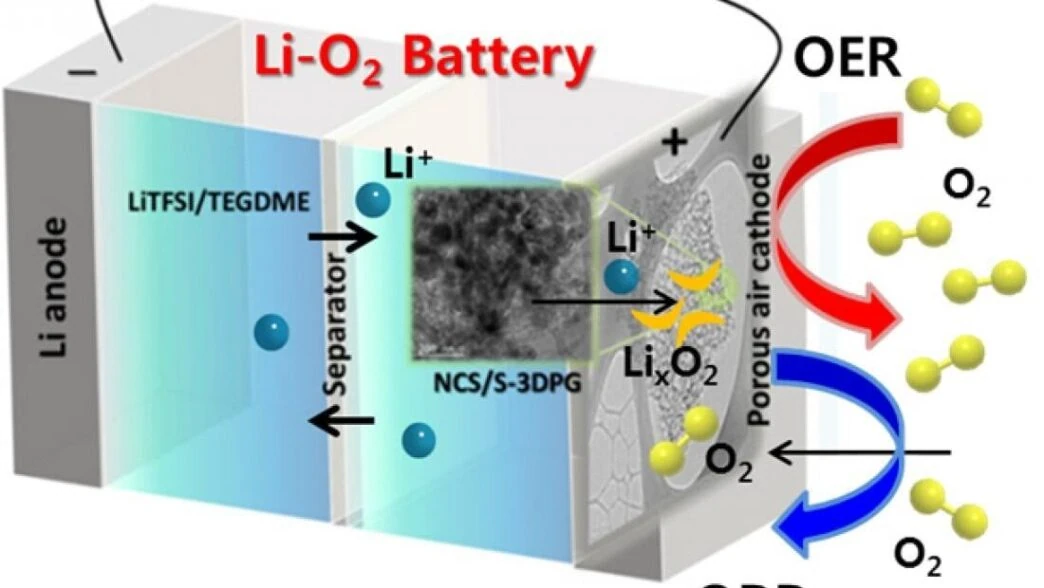
Unlike conventional lithium-ion batteries, lithium-air cells use oxygen from the surrounding atmosphere instead of relying on a heavy cathode material. This significantly reduces battery weight and, at least in theory, could push energy density to around 12,000 Wh/kg.
For comparison, today’s EV battery packs typically offer energy densities in the 250 to 270 Wh/kg range, while next-generation solid-state batteries are expected to reach roughly 500 Wh/kg.
If lithium-air technology eventually becomes commercially viable, electric vehicles could potentially travel more than 1,000 miles on a single charge. Laboratory prototypes have already demonstrated energy densities above 1,200 Wh/kg—more than four times higher than those of most production batteries currently on the market.
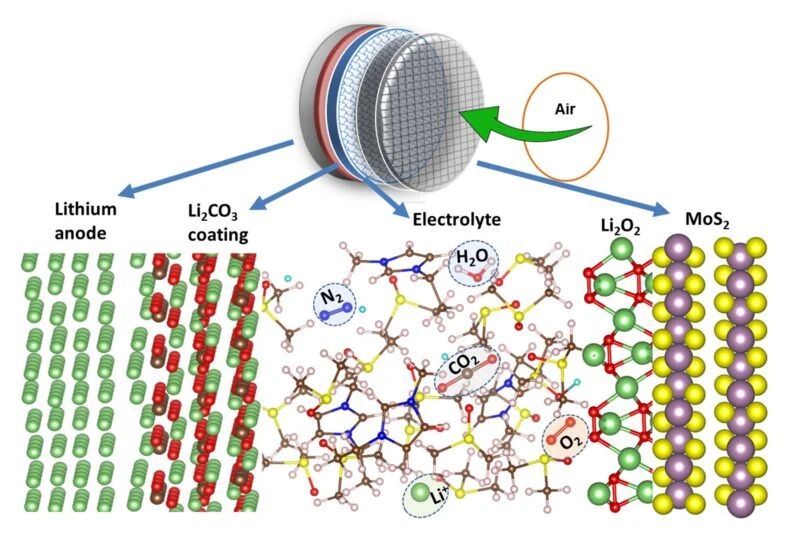
Despite the impressive figures, widespread commercialization remains a distant goal. Lithium-air batteries have been considered a promising concept for decades, but researchers have struggled with several major challenges, including sensitivity to moisture and carbon dioxide, material degradation, limited lifespan, and difficulties maintaining stable performance.
For that reason, CATL currently sees lithium-air cells as a long-term research project rather than a technology ready for commercialization anytime soon.
At the same time, the company continues to invest heavily in technologies that are closer to production. In 2026, CATL is scheduled to begin mass production of sodium-ion batteries while also developing new generations of high-energy lithium-based cells.
The focus on lithium-air technology represents a logical next step for CATL. The company already controls roughly half of China's EV battery market and remains the world's largest battery manufacturer. Its next challenge is finding the technology capable of replacing today's lithium-ion batteries during the next decade.
You may also be interested in the news:
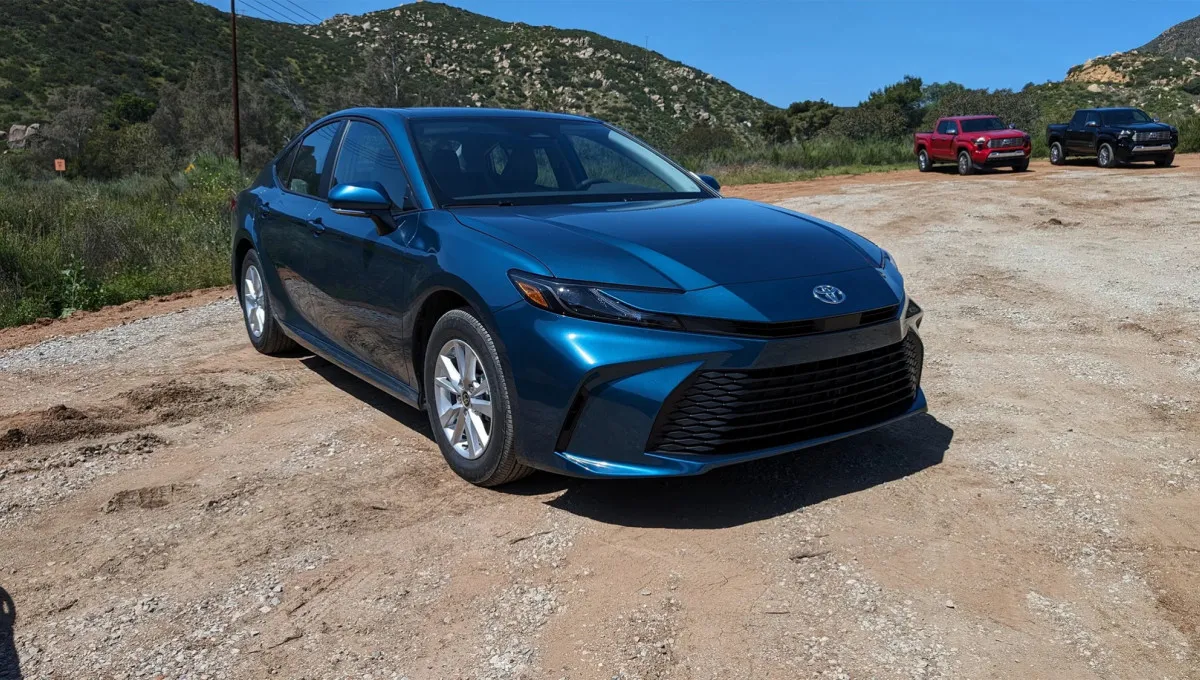
Americans Are Finding Out How Much It Costs to Replace a Hybrid Battery in a Modern Toyota
A Toyota hybrid battery can cost as much as $4,500 to replace, depending on the model and battery type.
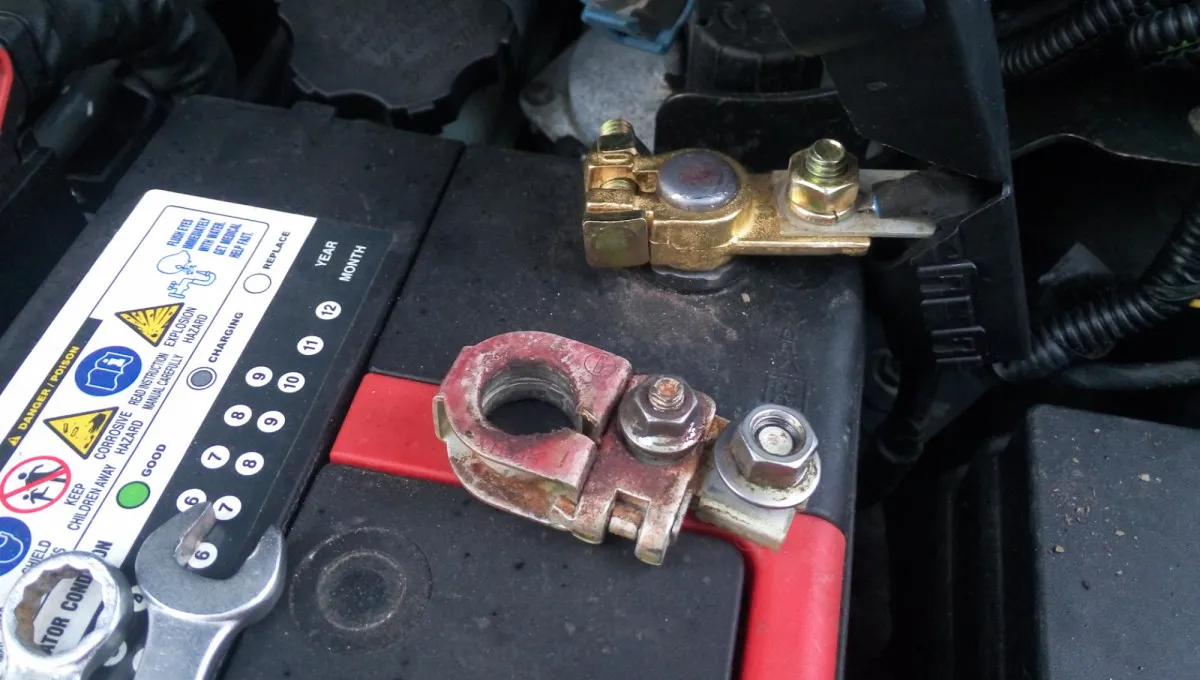
Most Drivers Ignore This When Buying a Car Battery—and It Can Cause Problems
Choosing a replacement car battery requires attention to detail, because even one incorrect specification can cause major installation problems.
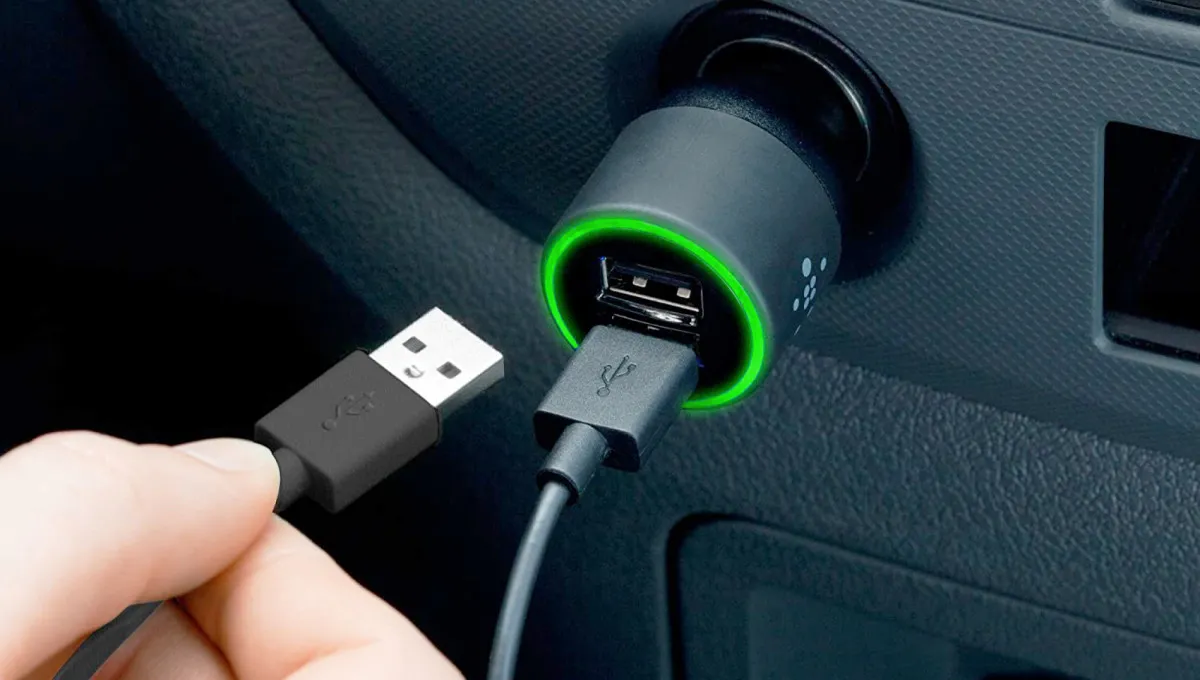
Can Charging Your Phone in the Car Really Kill the Battery
Charging your phone the wrong way can affect more than just your smartphone—it can also put a strain on your car.
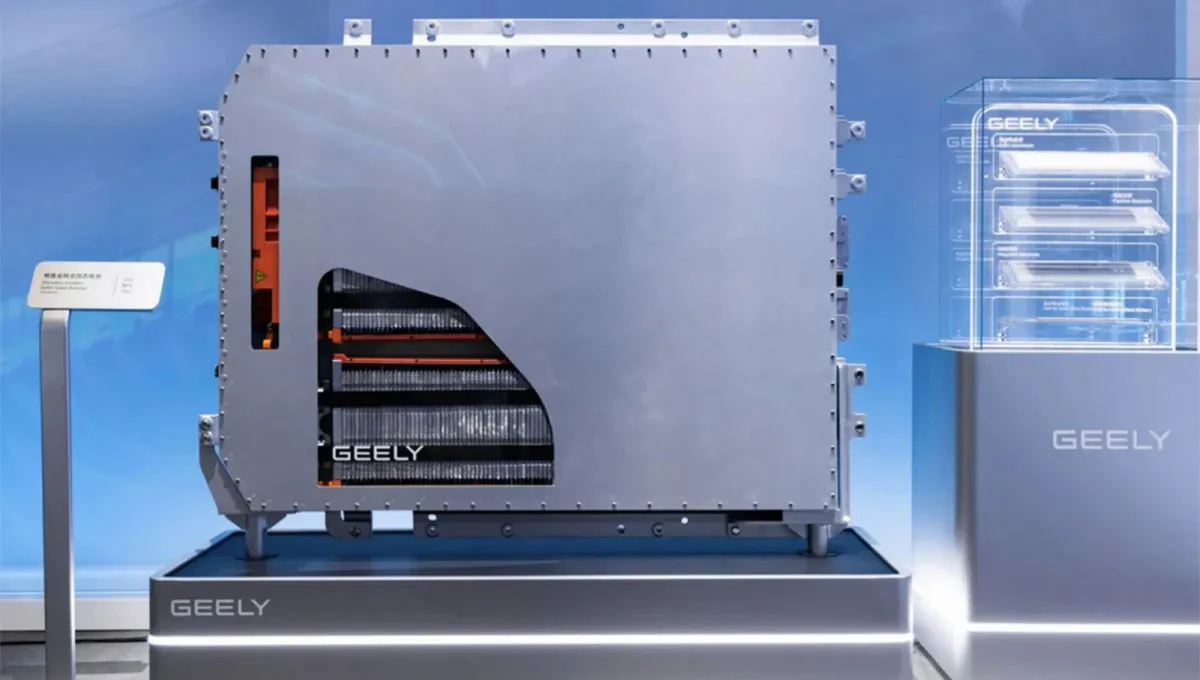
Geely Solid-State Batteries With 500 Wh/kg Density Will Hit the Road in 2027
Geely plans to begin pilot testing solid-state batteries in vehicles from Zeekr, Volvo, and Polestar in 2027.
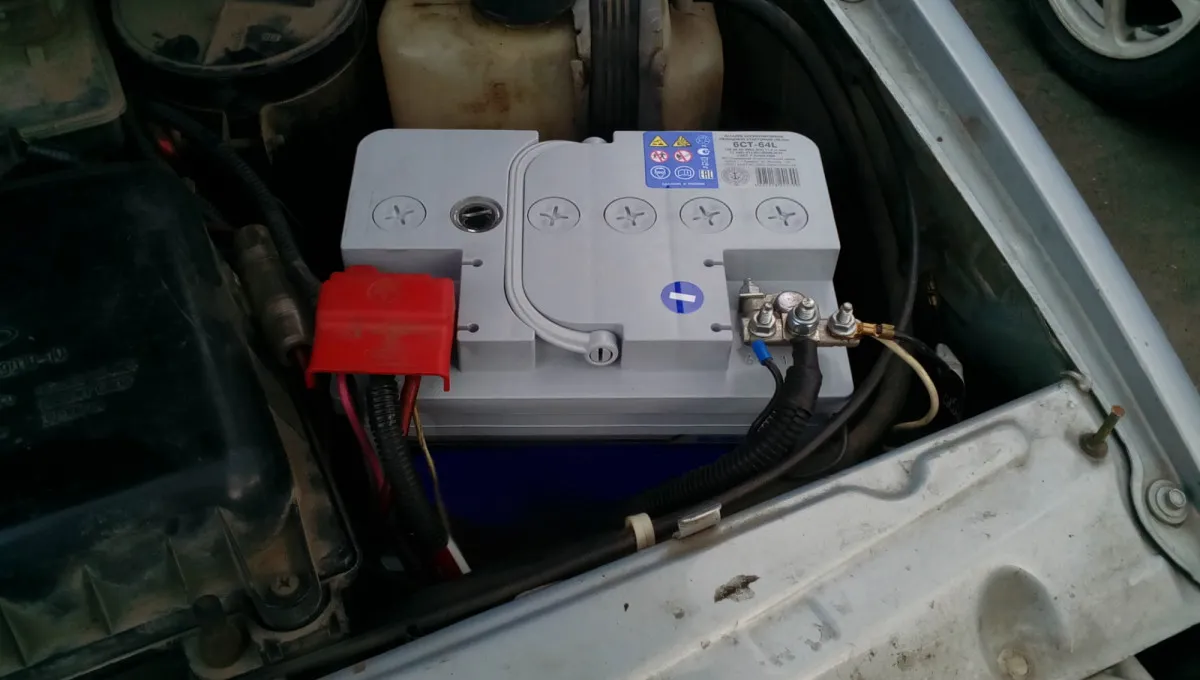
Can You Restore a Car Battery? Here's What Actually Works—and What Doesn't
When a car battery starts failing, many drivers wonder if it can be brought back to life instead of replaced.