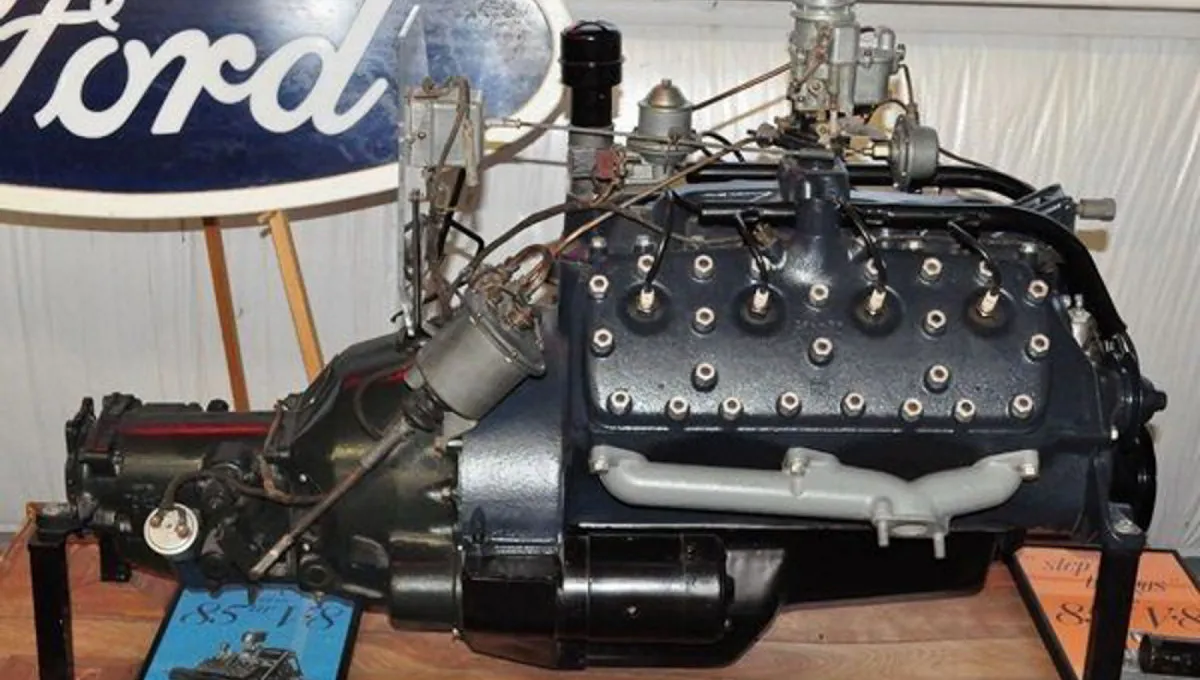
Americans Are Turning Away From EVs — And Hybrids Are Taking Their Place
U.S. EV registrations fell 31% in July as hybrid demand surged and federal tax credits expired.
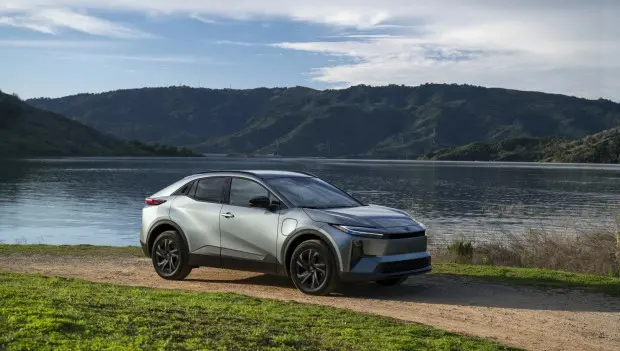
EV demand weakened in July after federal tax credits expired, while Toyota, Ford and other automakers shifted toward hybrids and extended-range EVs.
- U.S. EV registrations fell 31% in July to 85,714 vehicles.
- EVs accounted for 6.2% of the market in July, down from 8.9% a year earlier.
- Toyota's vehicle registrations jumped 86% in July.
U.S. EV registrations declined in July as the market entered its first full month without the federal purchase credits that had helped offset the higher upfront cost of electric vehicles. Battery-electric models lost market share, Tesla remained roughly flat, while Toyota continued to gain ground on the strength of its hybrid lineup.
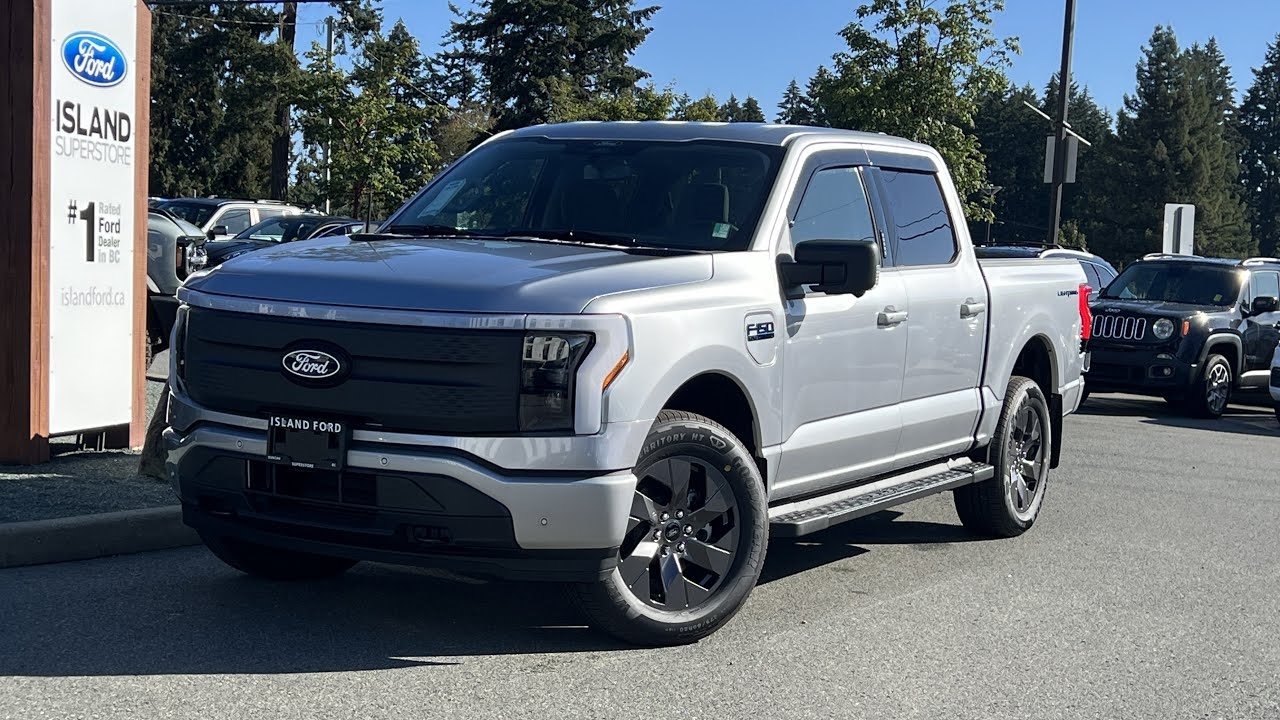
The split tells a broader story. Some automakers are taking a hit from the post-credit slowdown, while others are benefiting from continued demand for hybrids. Ford, meanwhile, confirmed in December 2025 that it plans to turn the F-150 Lightning into an extended-range EV rather than keep it as a fully battery-electric pickup.
Why U.S. EV Registrations Are Slipping
The federal clean-vehicle tax credit framework no longer applies to vehicles acquired after September 30, 2025. That deadline removed a significant price incentive for many EV buyers.
Analysts say some shoppers who wanted to take advantage of the credit moved their purchases forward before the deadline. That left subsequent months looking weaker by comparison. The EV slowdown has also been linked to higher interest rates and a product mix increasingly dominated by larger, more expensive battery-electric vehicles.
Not every EV manufacturer has taken the same hit. Tesla's registrations have remained relatively flat, while several automakers with EV-heavy lineups have recorded much steeper year-over-year declines.
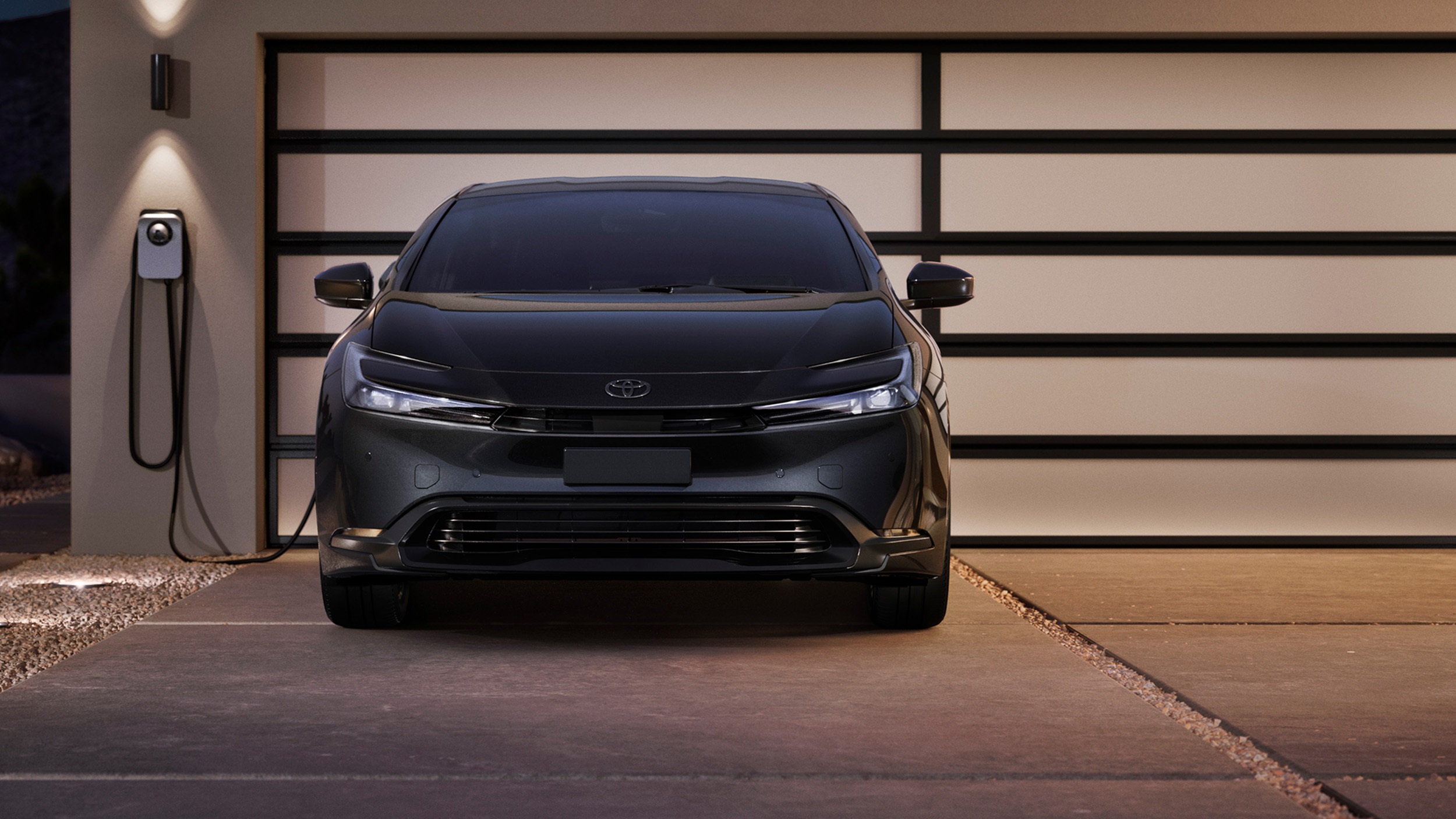
Toyota has moved in the opposite direction. Its hybrid-heavy lineup, led in the U.S. by models such as the RAV4 Hybrid, Corolla Hybrid, Prius and Camry Hybrid, has continued to attract buyers even as several EV-focused competitors have lost ground.
Hybrids Gain Share as EVs Cool
Recent government data show hybrids accounting for a growing share of new light-duty vehicle sales, reaching the low-to-mid teens as a percentage of the overall market. Meanwhile, the share of battery-electric vehicles has edged lower compared with 2025. The gap between hybrids and fully electric vehicles has continued to widen through 2026.
Dealers say hybrids remain in strong demand, with inventory becoming tight in some regions. Retail data services have also reported faster inventory turnover for hybrids than for many EVs, suggesting that demand is outpacing available supply in some parts of the market.
Ford's decision to move the F-150 Lightning toward an extended-range EV format reflects the same market trend that has helped hybrids gain an edge over EVs. Buyers still want the benefits of electric driving and electric assistance for towing, but many don't want to rely entirely on public fast-charging infrastructure.
Automakers are now adjusting their product plans to reflect that preference.
You may also be interested in the news:
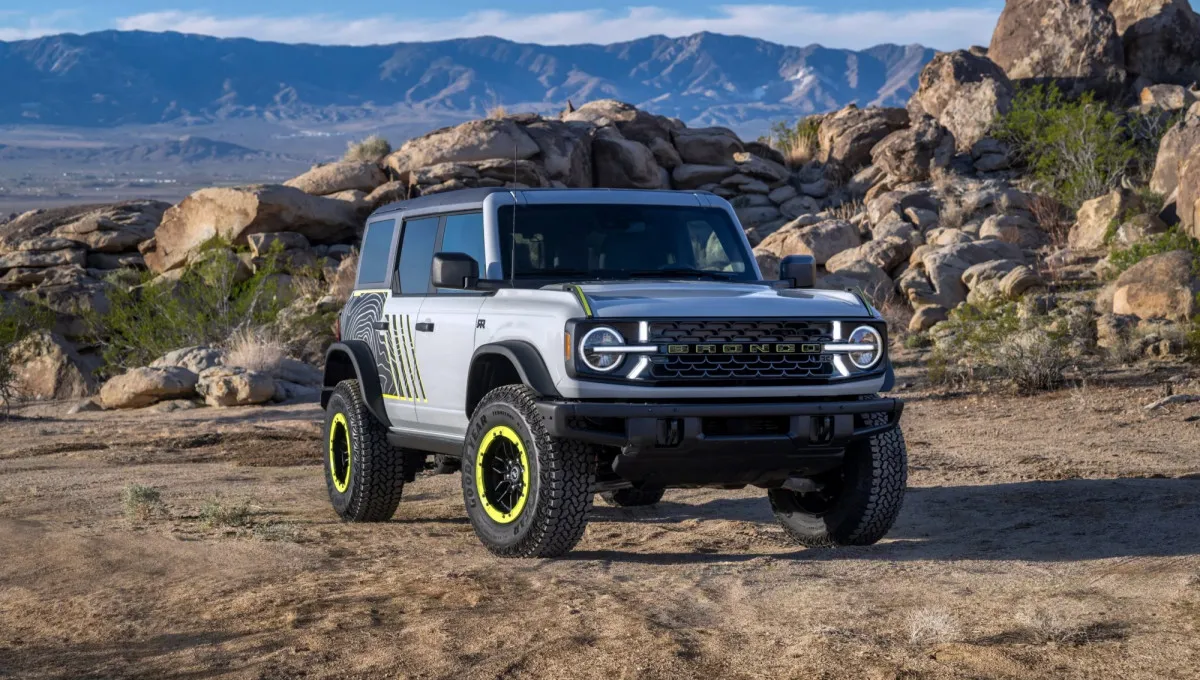
2027 Ford Bronco RTR Priced From $50,495—Undercuts Bronco Raptor by $31,500
Ford has set the starting price for the 2027 Bronco RTR, with orders expected to open later this year.
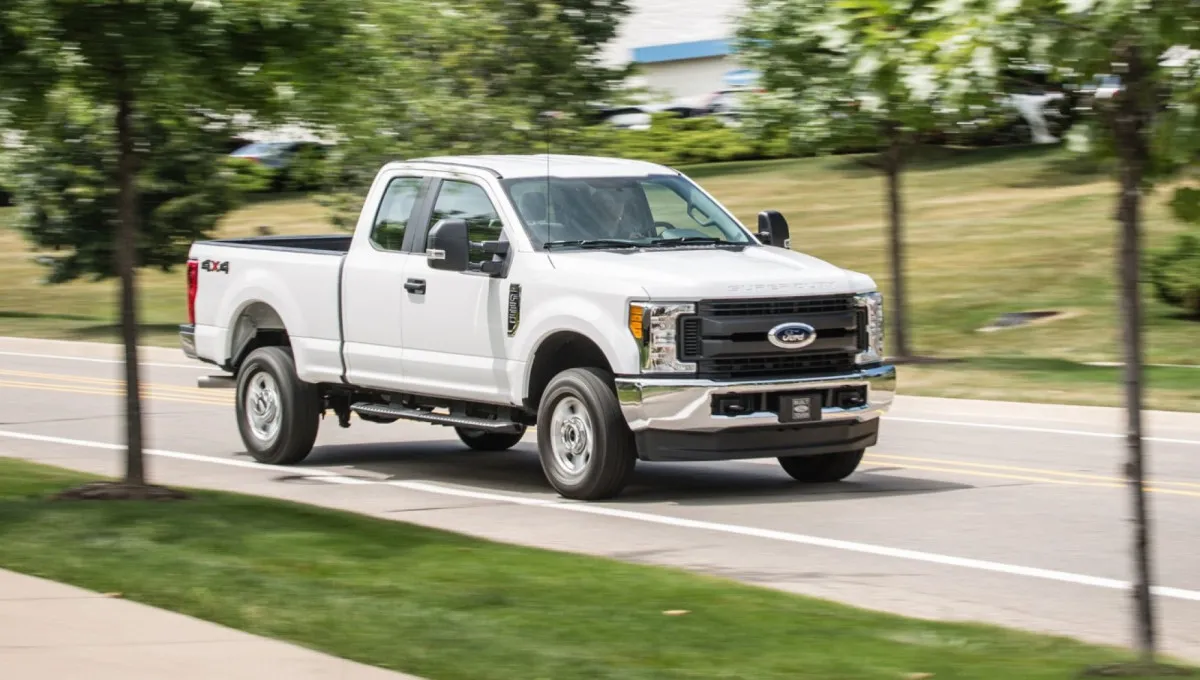
41,748 Ford SUVs and Trucks Recalled—Your Headlights Could Suddenly Stop Working
Ford recalls 41,748 vehicles after contaminated LED chips threaten required headlight performance on newer models.

Armored Ford F-550 Is a Rolling Fortress Built to Carry Millions
TAG Dynamics has unveiled a new armored cash-in-transit vehicle based on the Ford F-550 pickup for security companies and financial institutions.
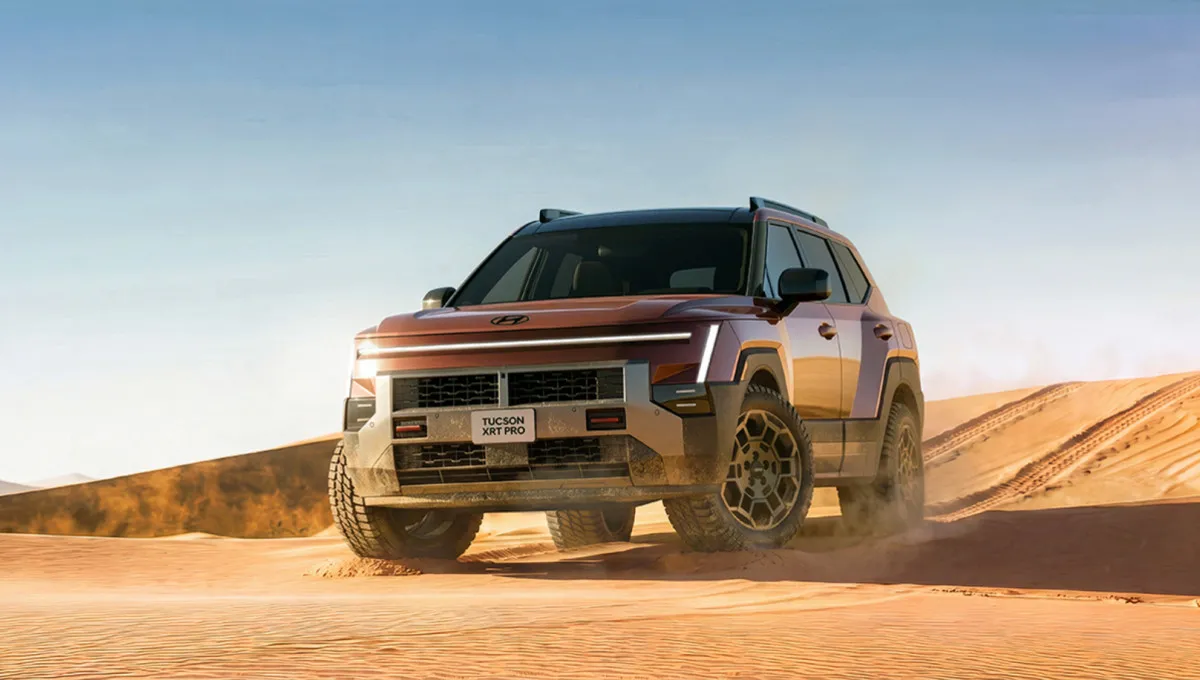
The New Hyundai Tucson Is Official: Hybrid Targets Up to 42 MPG
Hyundai has unveiled the next-generation Tucson with Art of Steel styling, updated hybrid powertrains and new technology.