
Key Signs of a Rolled-Back Car Mileage: 5 Non-Obvious Details That Reveal Deception
Buying a used car? Check these details — they don’t lie, even if the odometer shows a ‘fresh’ mileage.
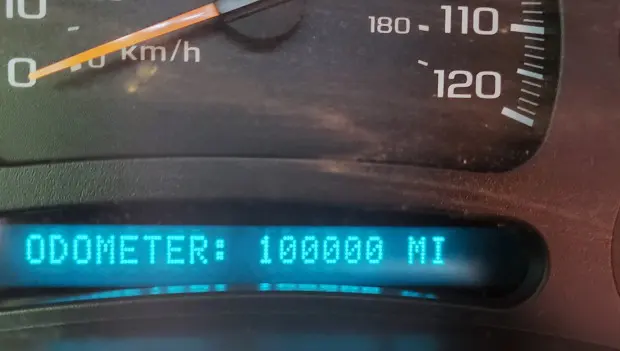
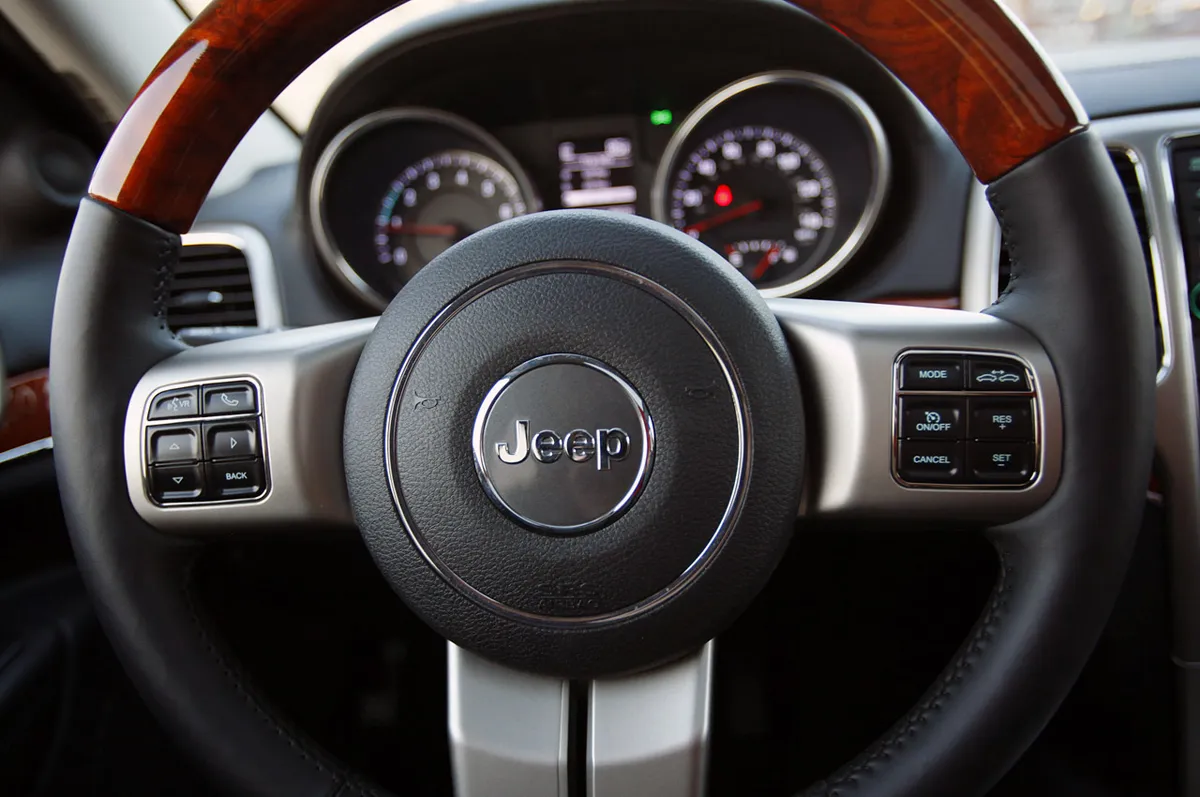
A used car often gives itself away not by the numbers on the odometer, but by the interior details and body condition. If the meter shows 90,000 kilometers (about 56,000 miles), but the seats look like they’ve been used for many years, the steering wheel seems polished by the hands of thousands of drivers, and the pedals shine like a mirror — there’s reason to doubt the seller’s honesty. At such mileage, the upholstery is usually slightly worn but without pronounced wrinkles, and the steering wheel and gear shift lever retain their factory texture, albeit with a hint of use.
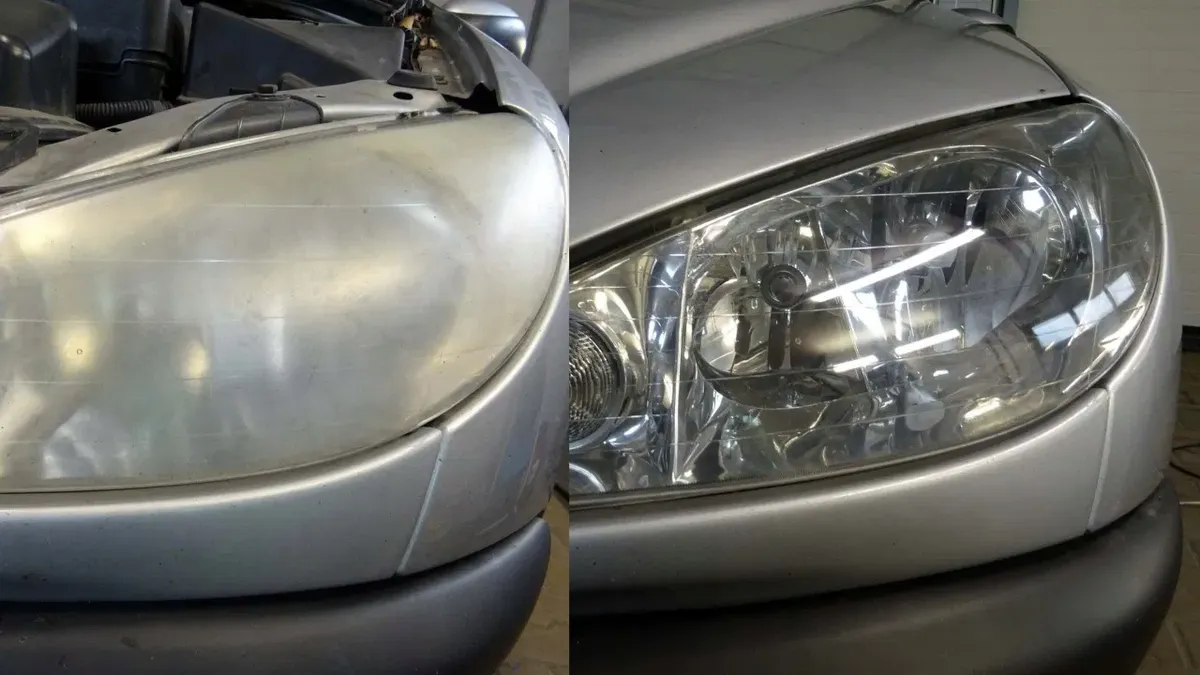
It’s important to check the glass markings. If all the glasses are from the same production year, while the windshield looks new — you should find out the reason for its replacement. Pay attention to the condition of the headlights: cloudiness and yellowing indicate prolonged use. Conversely, if the optics look new on a high-mileage car — they might have been polished or replaced. Assess the tires: even with deep tread, the presence of micro-cracks on the sidewalls indicates that the rubber is old and hasn’t been changed, despite the claimed low mileage (which might suggest its adjustment).
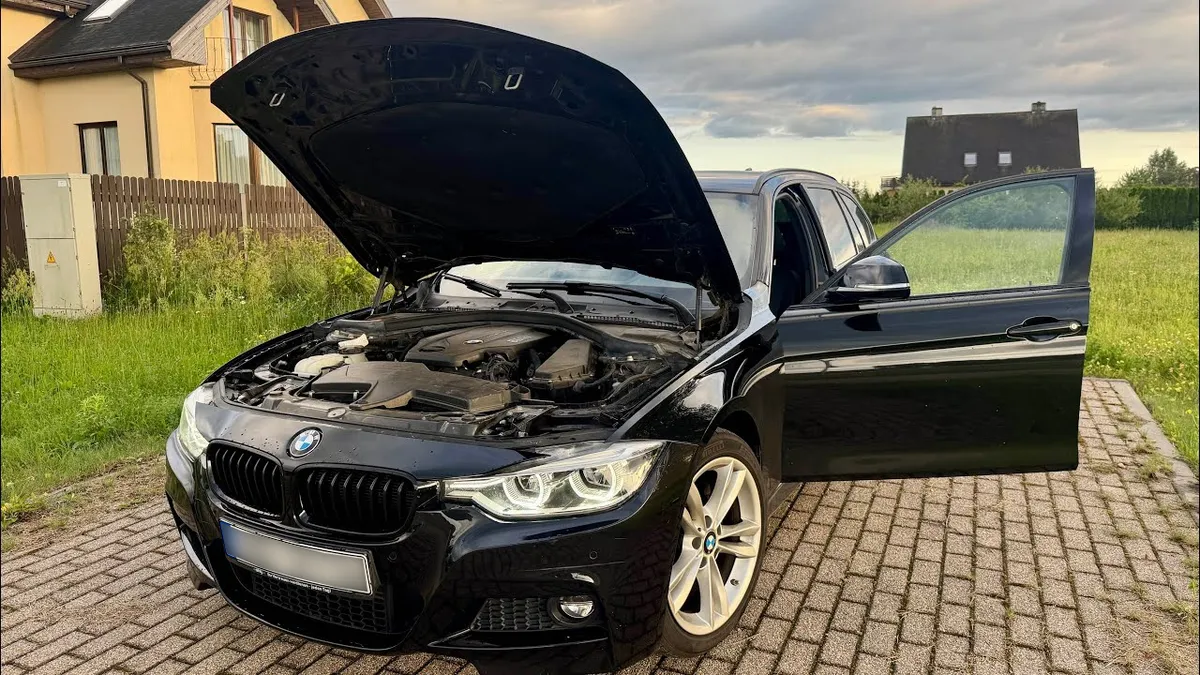
Looking under the hood is worthwhile. Even if the engine has been washed, signs of use are noticeable on the bolts and joints. They’ll tell more than any words from the seller.
A car with 150,000 kilometers (about 93,000 miles) cannot be like new — it will definitely show signs of age. Smooth gear shifts, response to gas pedal pressure, vibrations in motion — all these sensations indicate how active the car’s life has been. Such things can’t be hidden by dry cleaning or covers — an attentive driver will notice them immediately.
You may also be interested in the news:
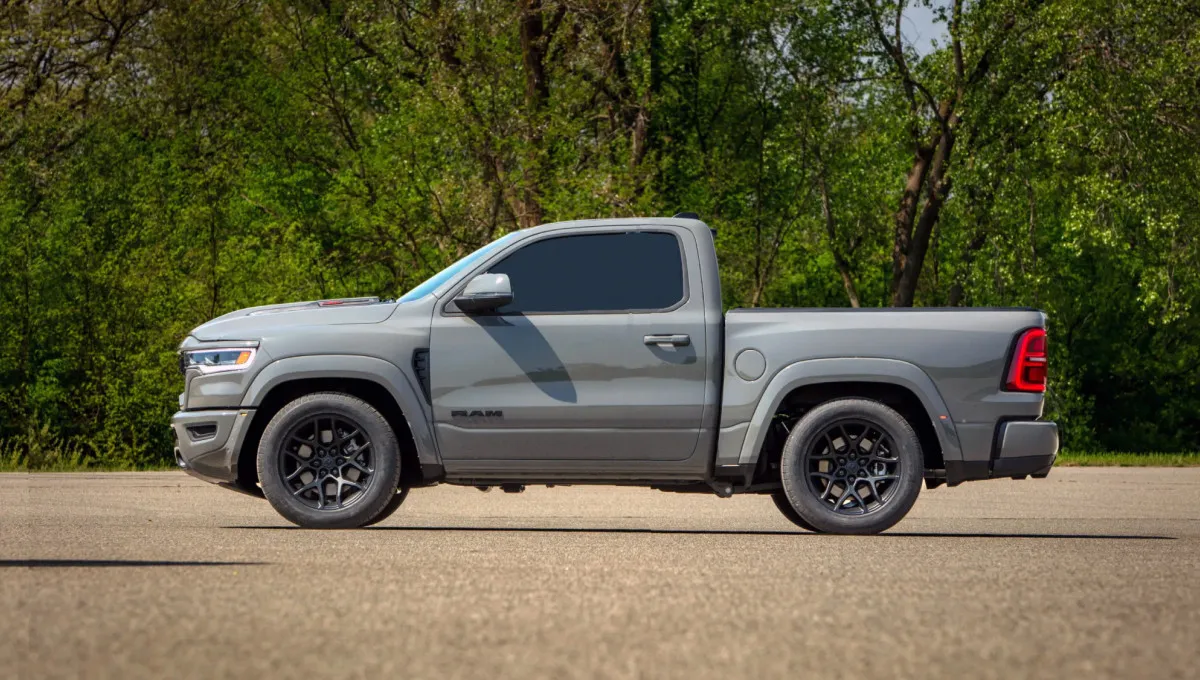
2027 Ram 1500 Rumble Bee: Pricing, Options and How to Build Yours
The 777-HP Ram Rumble Bee Is Coming — But You Can Buy the New Hemi Truck Now
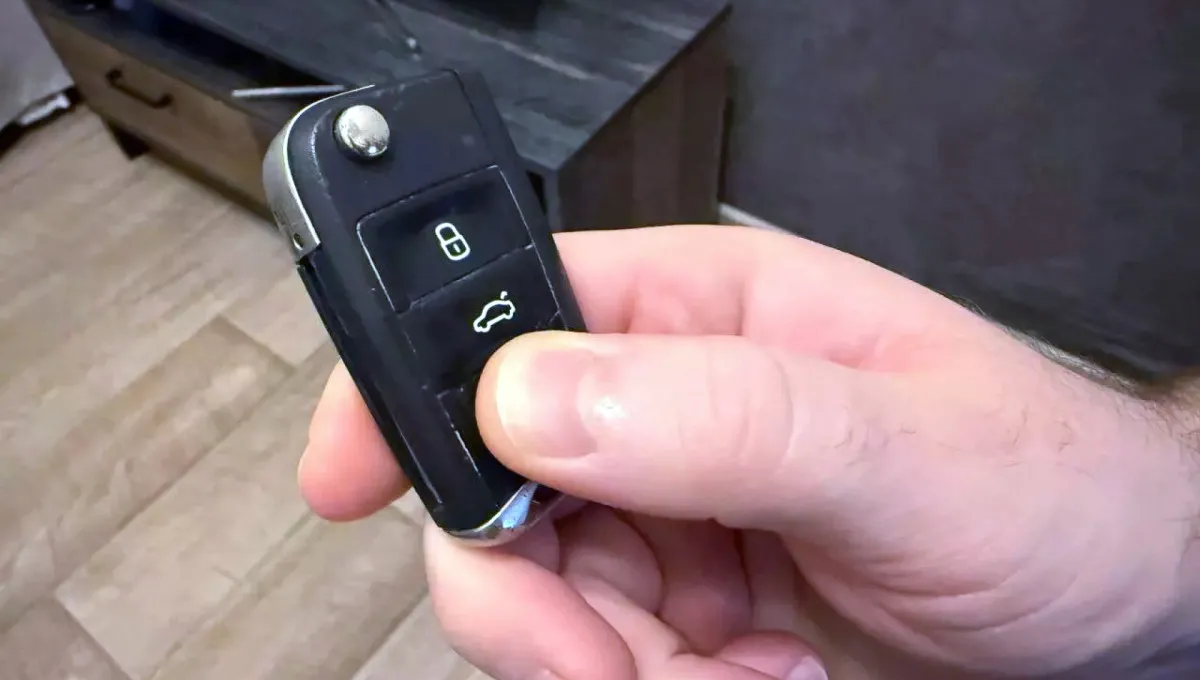
Hidden Key Fob Trick: Open All Your Car Windows With One Button
An auto mechanic explains how drivers can remotely open and close car windows using a key fob, provided the vehicle has the right hardware.
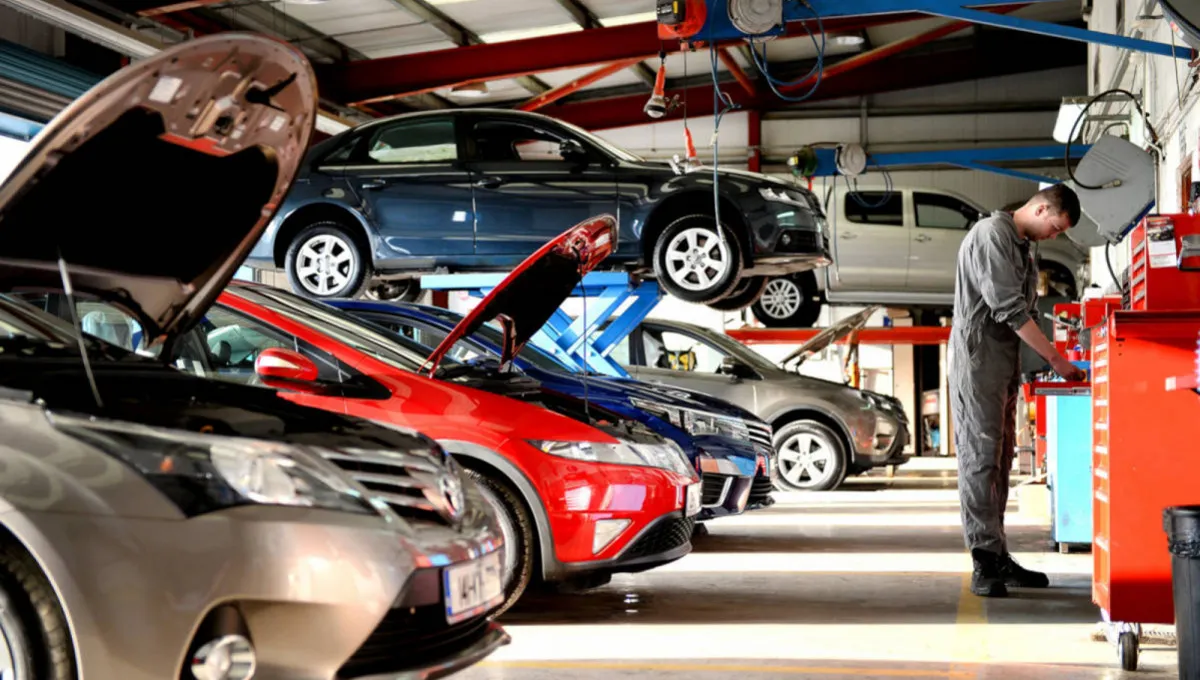
8 Car Maintenance Mistakes That Could Cost You Thousands if You Wait Too Long
Depending on driving conditions, some maintenance tasks may need to be performed sooner and more often than the automaker recommends.
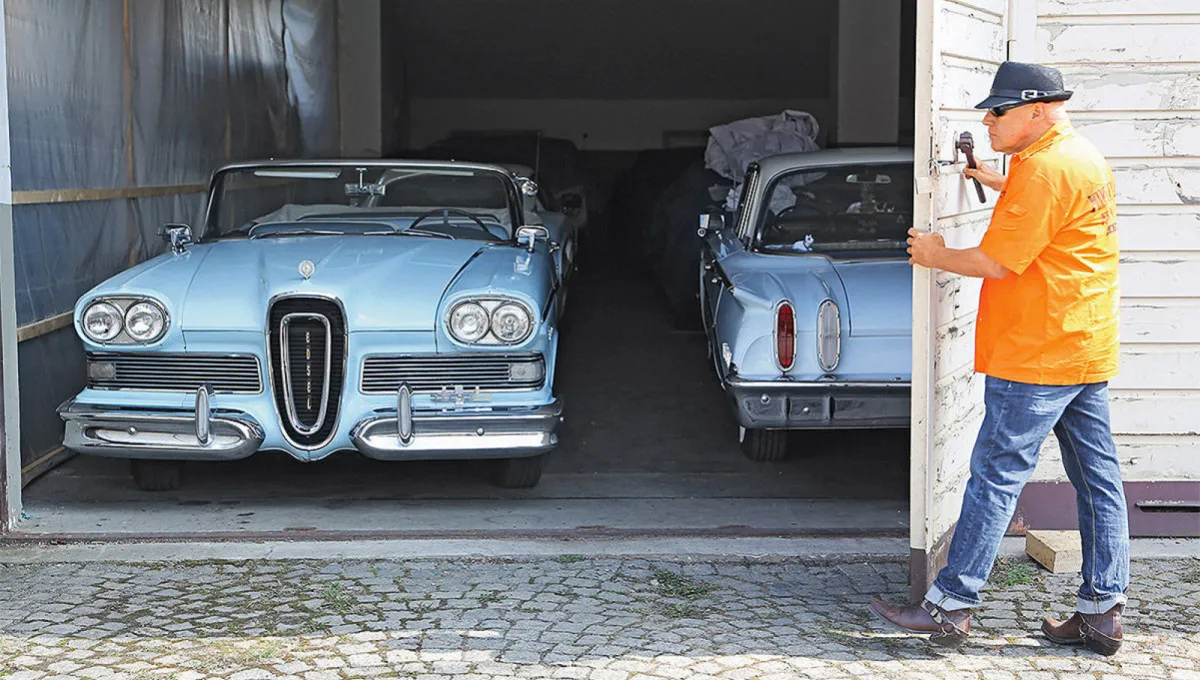
How Long Will Your Car Last? A Guide to Making It Age Gracefully
Automotive experts explain how routine maintenance and timely replacement of aging components can help your car last longer.

Common Car Problems on the Road and How to Handle Them Yourself
A breakdown far from home can leave any driver stranded. Here’s how to assess the problem and decide what to do next.