
Dacia Prepares to Launch Its New Urban EV — the Hipster
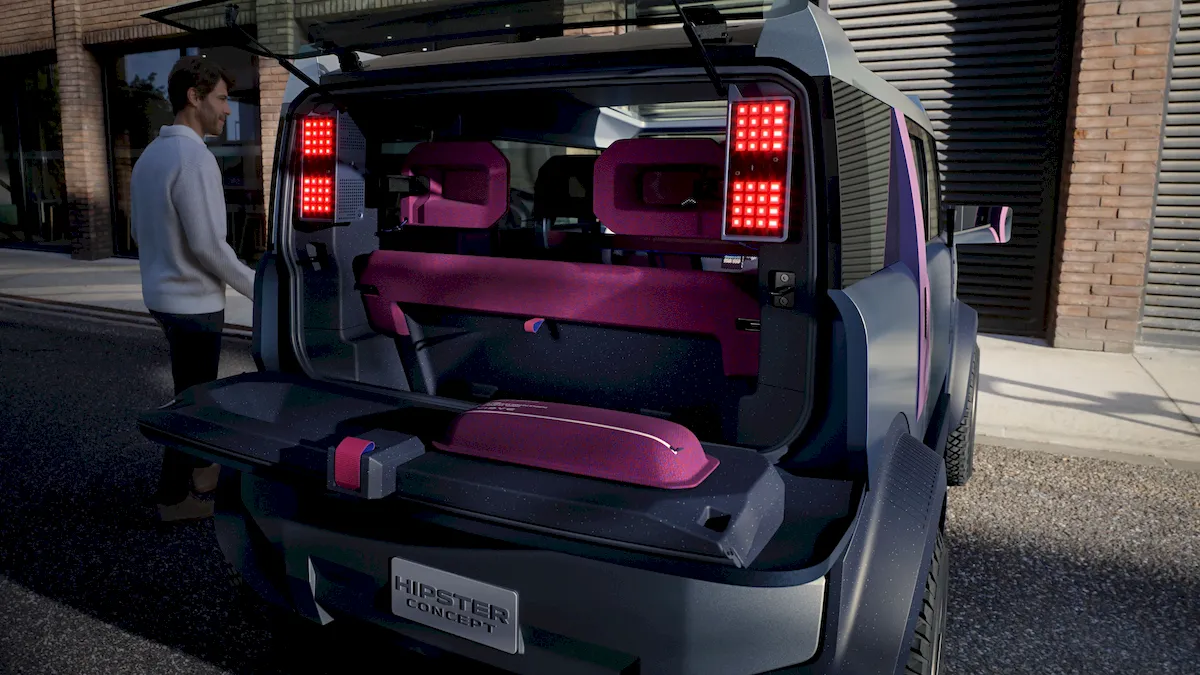
The Dacia Hipster seats four and offers between 70 and 500 liters of cargo space.
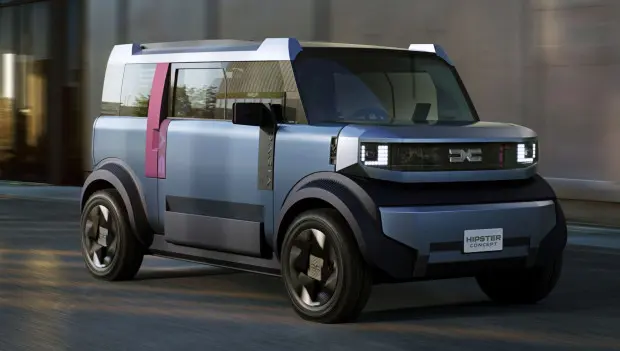
Dacia is gearing up to introduce a new compact electric car called the Hipster in 2027. According to the brand’s chief designer, David Durand, the goal behind the project is to “bring back the meaning of a simple car” — an affordable, no-nonsense alternative to the growing fleet of pricey EVs on the market.
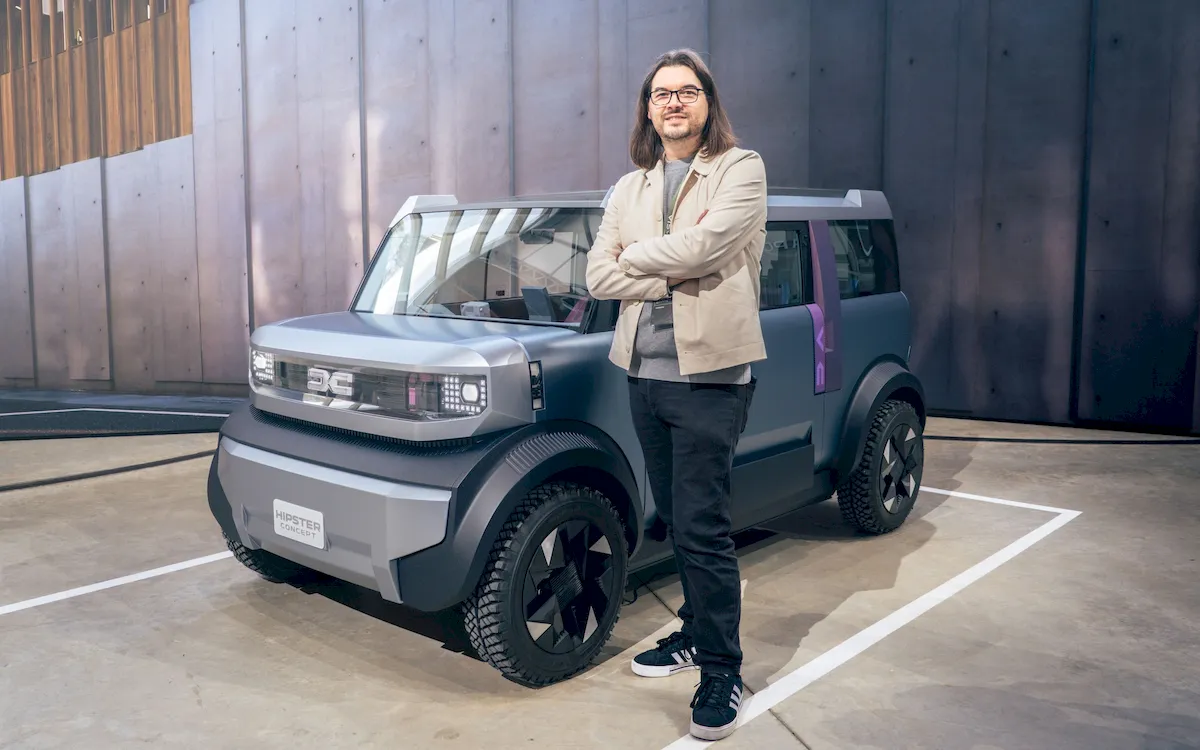
Designed for four passengers, the Hipster offers a luggage capacity ranging from 70 to 500 liters. The car features a lightweight body, straightforward construction, and an emphasis on efficient use of materials.
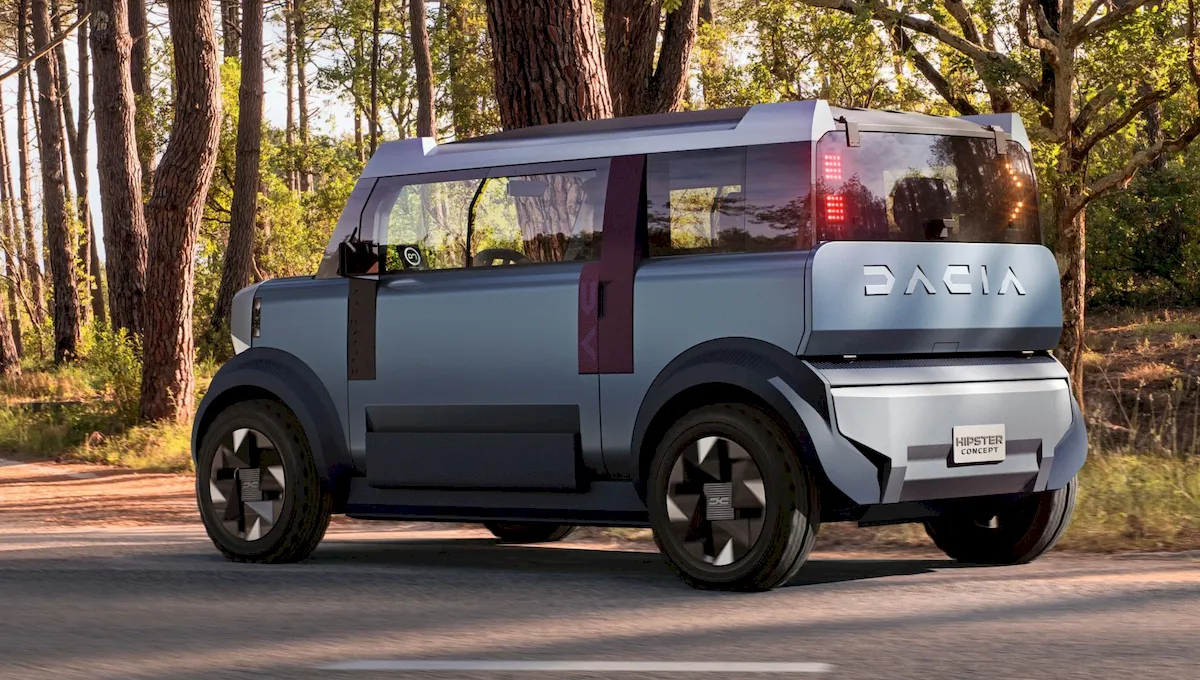
Inside, a smartphone running Dacia’s dedicated app will replace the traditional central display, allowing drivers to control key vehicle functions.
In keeping with the brand’s minimalist philosophy, the windows are operated manually, and the cabin is made from durable, budget-friendly materials.
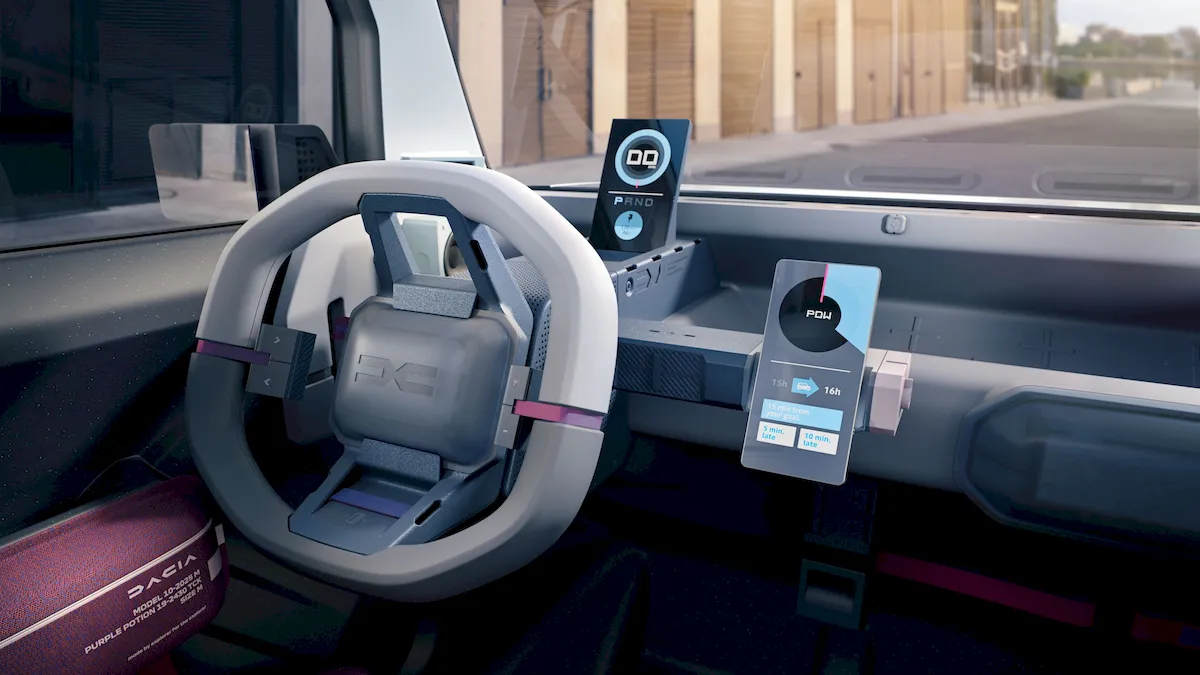
Dacia says the Hipster will deliver enough driving range for daily use, requiring just two charges per week for typical urban commuting.
Mass production of the new electric model is slated to begin in 2027.
You may also be interested in the news:
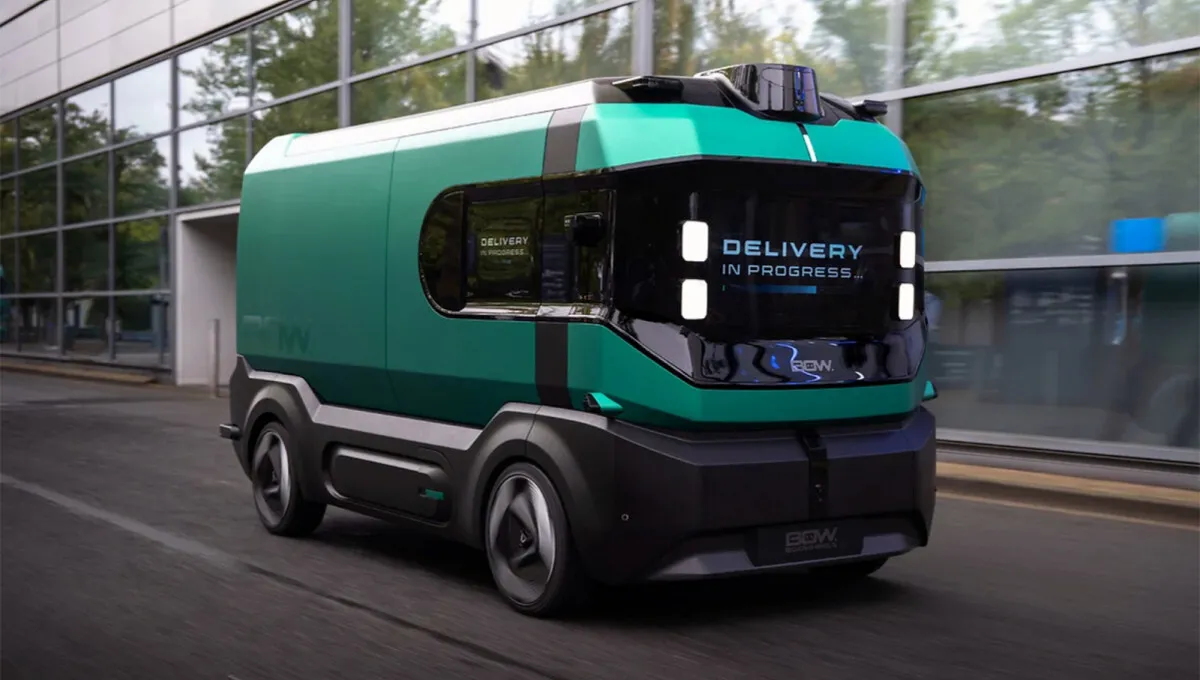
Stellantis and UQI Unveil BOW Autonomous Electric Delivery Van Concept
“Box on Wheels” may sound like a tongue-in-cheek name for an old practical car, but here it is the official name.
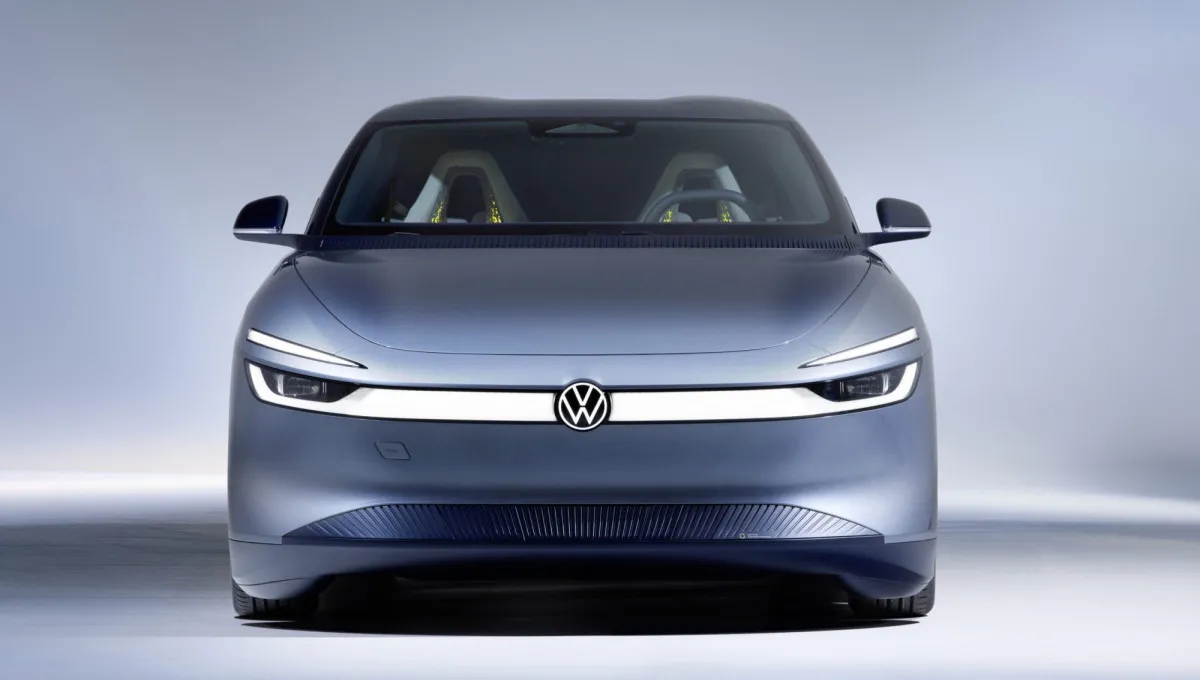
Volkswagen Mission Efficiency Concept Sets Three World Records, Looks Like a 13-Year-Old Model
Volkswagen has unveiled the new Mission Efficiency concept, a radical electric coupe focused on maximizing range and energy efficiency.
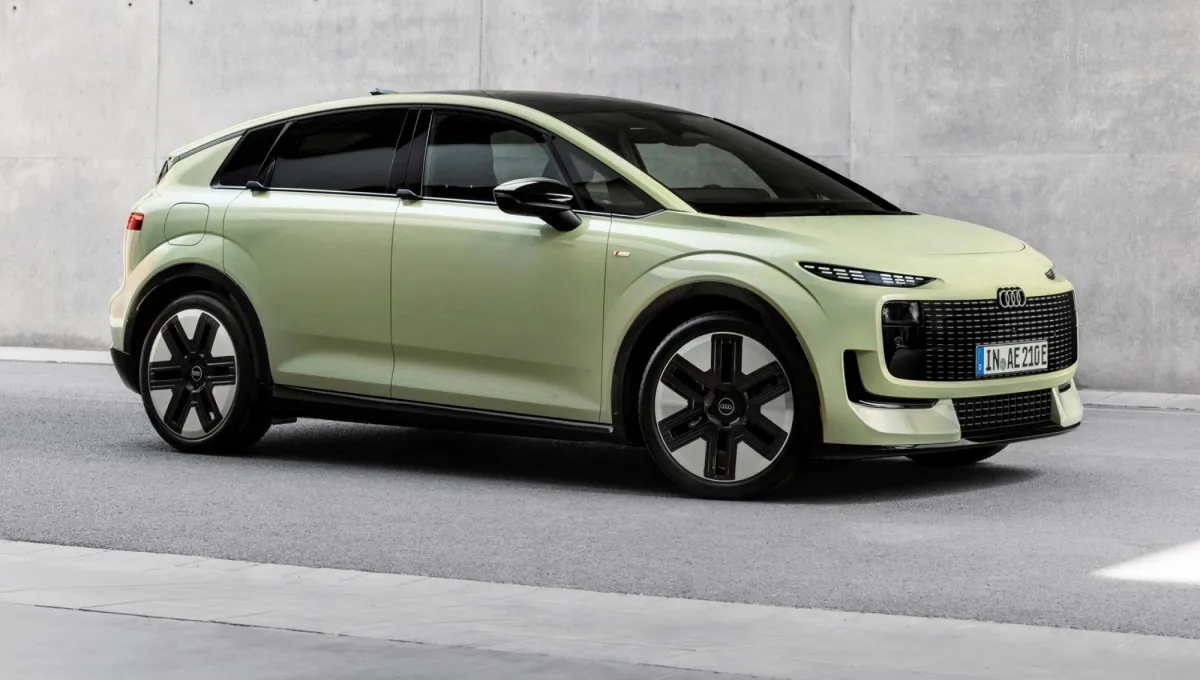
Audi Reveals EV With Unusual Door Handles
Audi has unveiled the new A2 E-Tron, an electric hatchback with distinctive styling and tiny flush-mounted door handles.
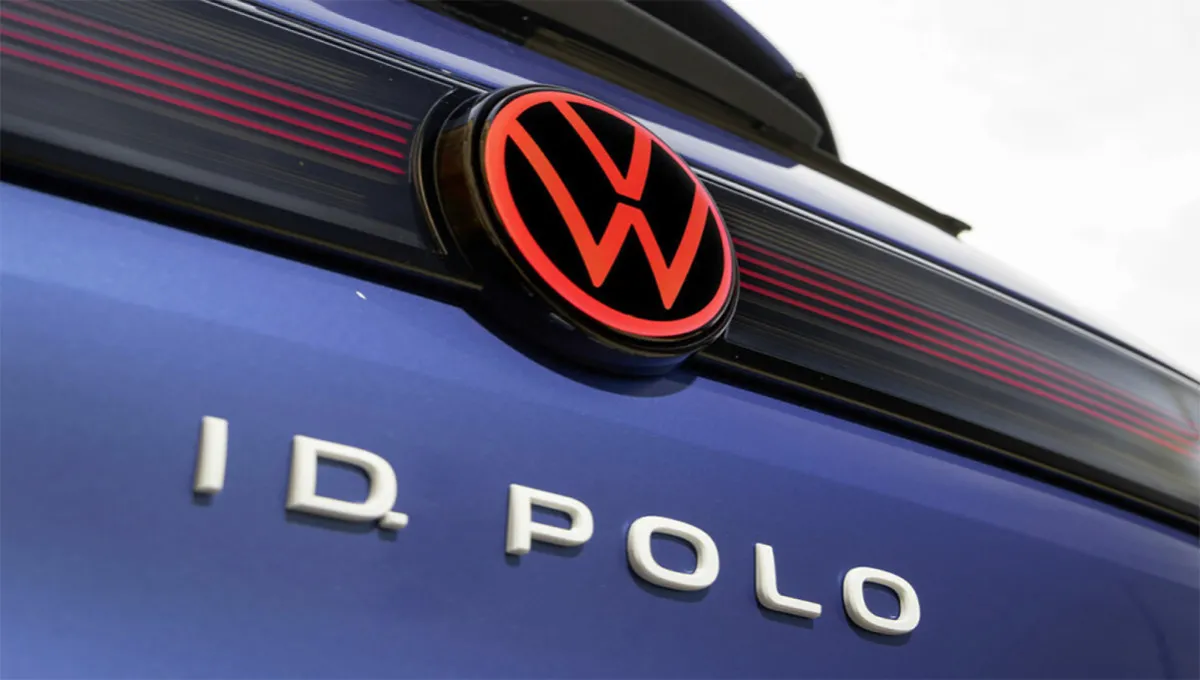
Volkswagen ID. Polo Demand Is So Strong Buyers Face a Nearly Yearlong Wait
Demand for Volkswagen’s affordable EV is so strong that buyers may wait nearly a year before taking delivery.
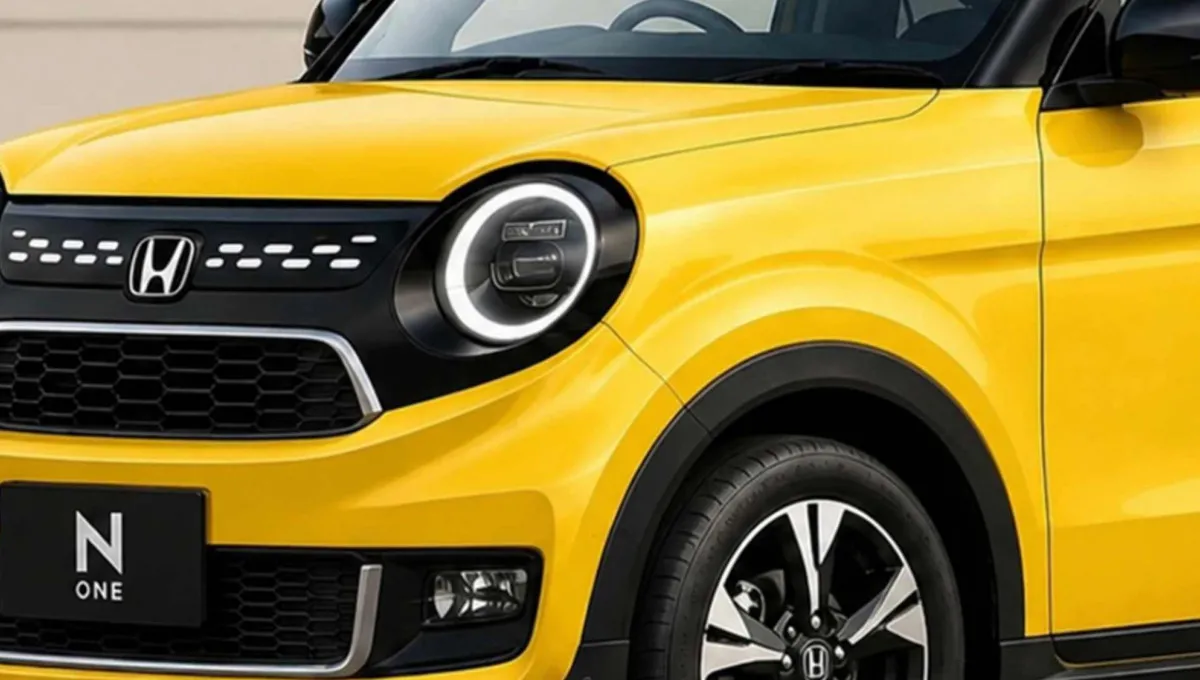
Next-Generation Honda N-One Appears in First Renderings
The Honda N-One family expanded in 2025 with the electric N-One e:, while the gasoline-powered RS received an update.