
The Future Is Here: Kia Shows How to Drive a Car “By Phone” from Hundreds of Miles Away
Kia has successfully tested a remote-driving system in South Korea.
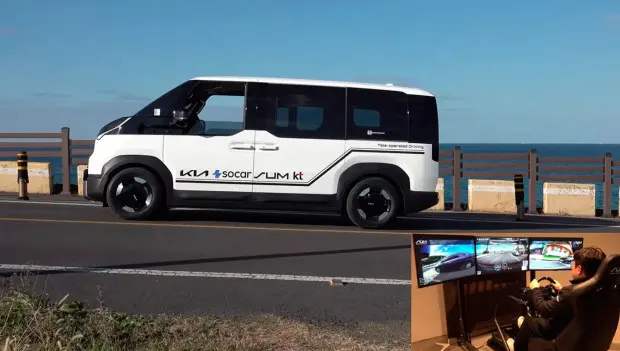
Kia has become the first Korean automaker to pull off a real-world demonstration of remote vehicle control on public roads. The test took place on Jeju Island with officials, industry partners, and government agencies observing the trial.
The technology allows an operator to control a driverless vehicle from a remote command center using 4G and 5G networks. Kia sees the system as a backup for situations where autonomous features fail, as well as a foundation for new mobility services and support programs in regions with limited transportation options.
To move the project forward, Kia formed a consortium with Socar, SUM, and KT. Kia oversaw the entire program; Socar supplied its car-sharing platform; SUM handled the development of the remote-driving solution and test vehicles; and KT provided the telecommunications backbone. The setup is built around the PV5 model, outfitted with redundant communication channels and multi-layer safety protocols.
During the second testing phase, the vehicles logged roughly 70 hours and about 1,000 kilometers on routes around Jeju. The trial delivered the data engineers need to keep advancing the technology.
You may also be interested in the news:
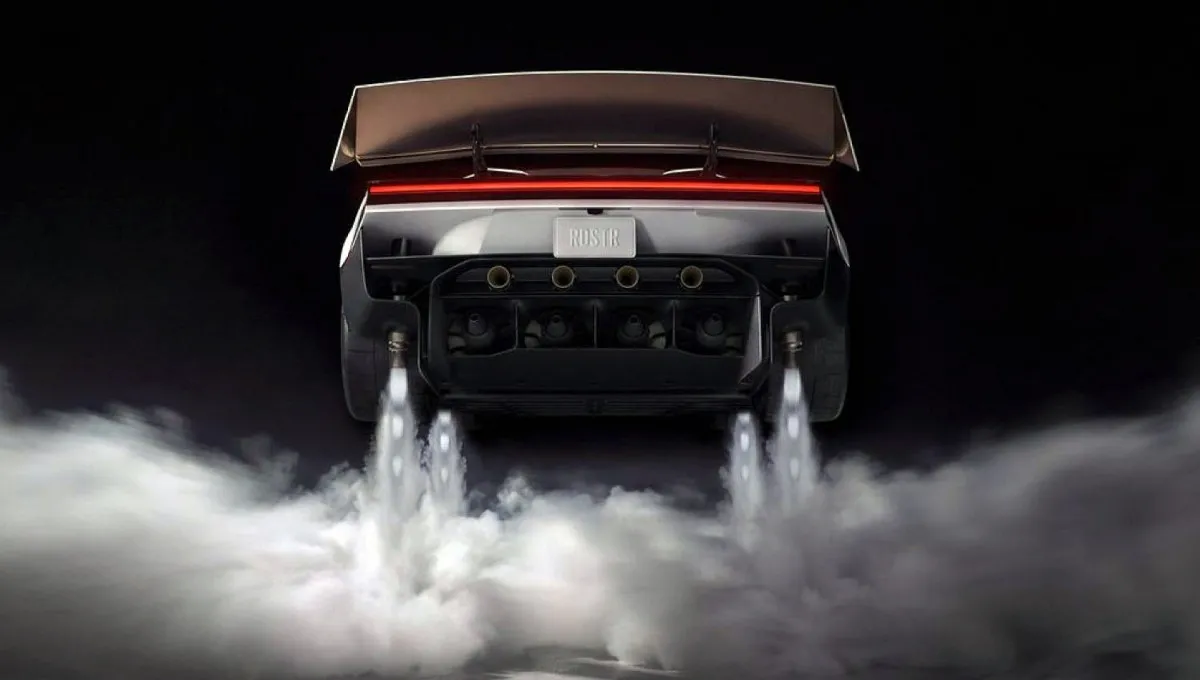
Tesla’s New Roadster Can Fly, but That May Be the Least Impressive Thing About It
Nearly a decade after Elon Musk unveiled the next-generation Roadster, Tesla has finally revealed its most outrageous capabilities.
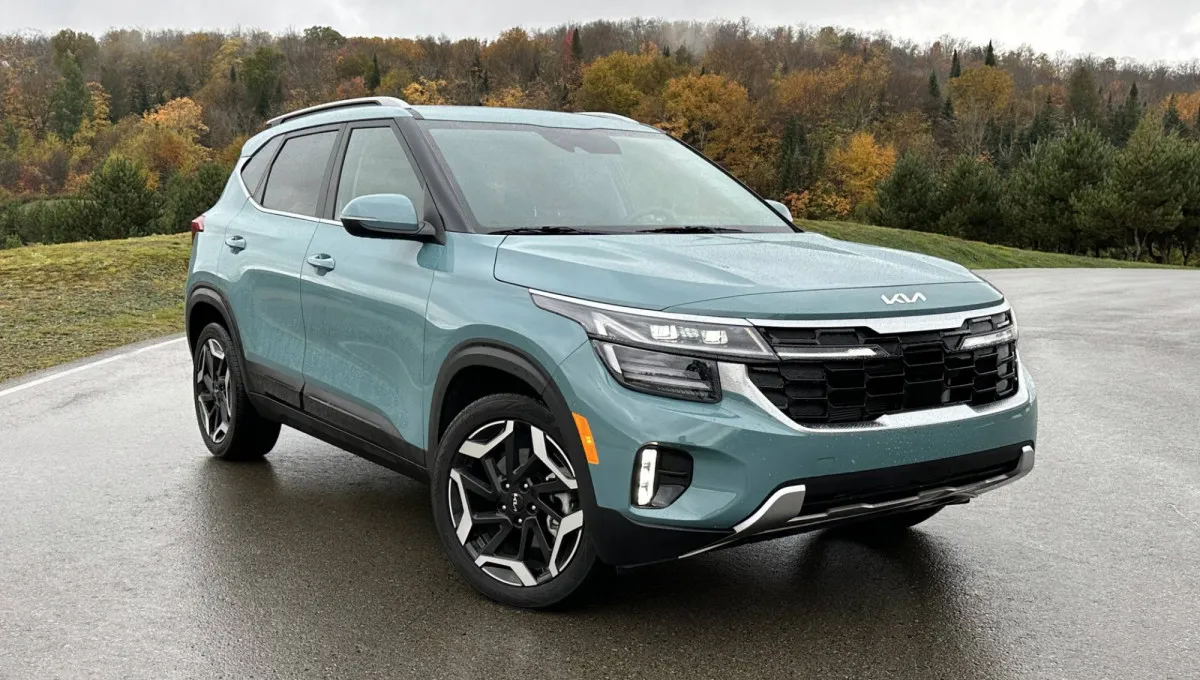
Kia Recalls Nearly 48,000 Seltos SUVs Over a Potential Fire Risk
Kia is recalling 48,070 Seltos crossovers in Canada after discovering a defect that could cause an electrical short circuit and fire.
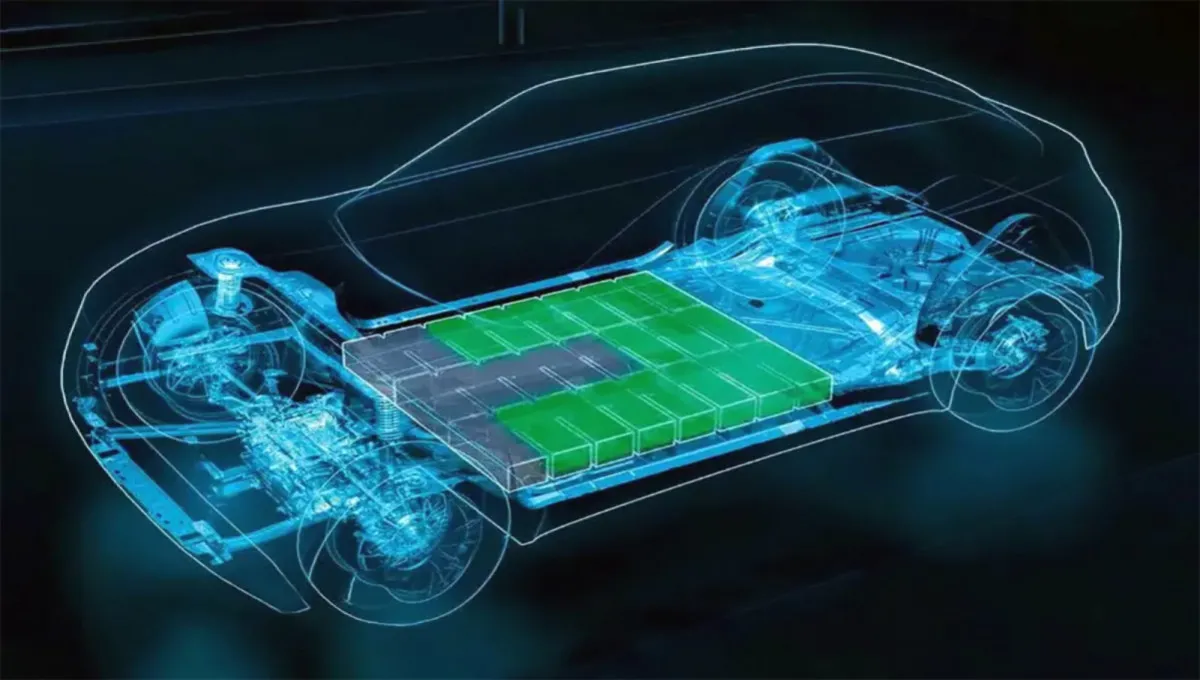
Stellantis Patents System That Lets an EV Drop Its Battery and Drive Away
A new patent details an emergency system that could let an EV disconnect its high-voltage battery and move away from danger.
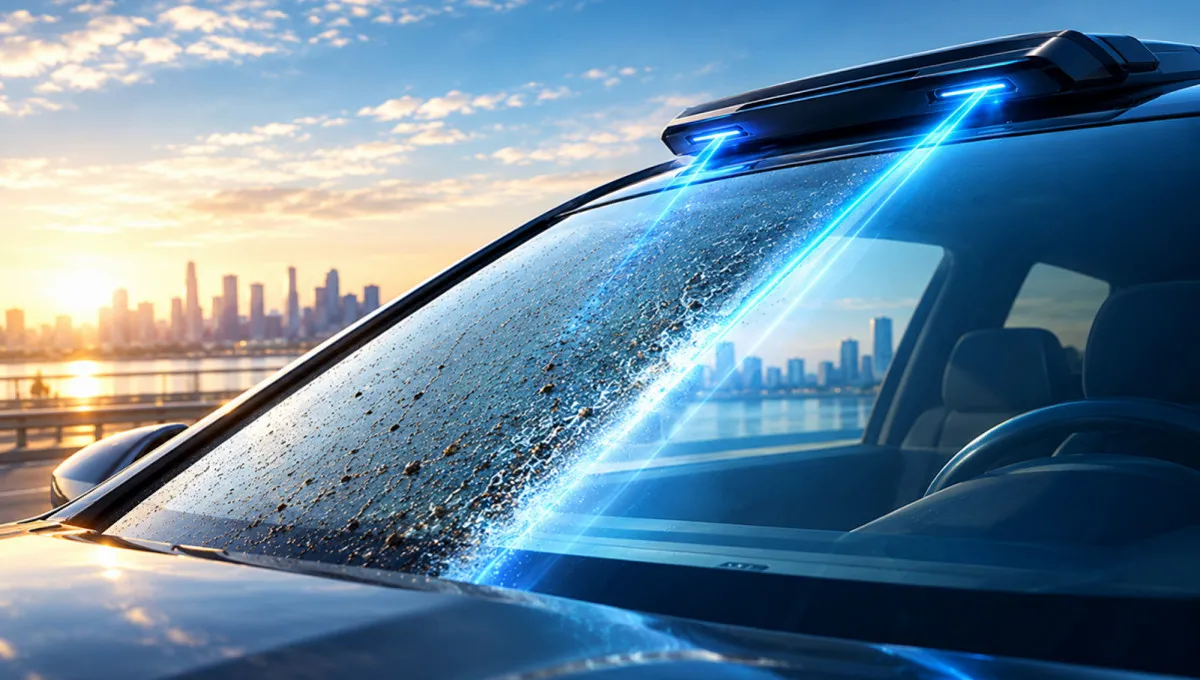
Tesla Patents Laser Windshield Wipers Again in 2026
Tesla is once again pursuing laser windshield cleaning, but the technology raises serious questions about cost, reliability and safety.
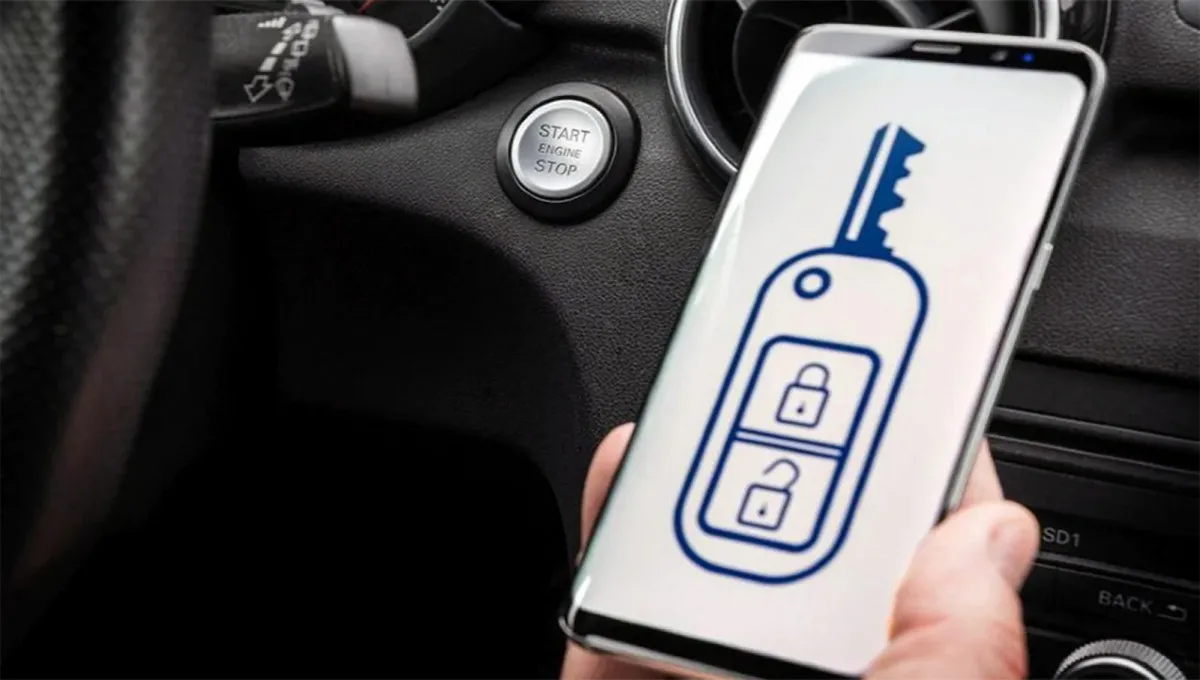
Forget the Key Fob: Apple Car Key Could Soon Expand to More Vehicles
Apple and automakers have yet to reveal the exact models or launch dates for the expanded digital-key feature.