
Bugatti’s 2030 Hypercar Could Feature a Solid-State Battery Developed by Rimac
The engineering firm confirms its next-generation battery is nearing real-world testing
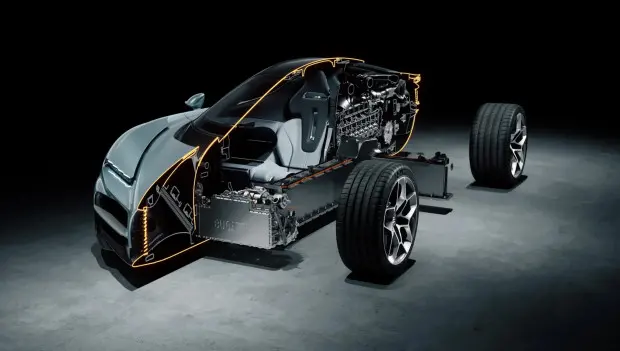
Croatia-based Rimac Technology has announced a major breakthrough in solid-state battery development — a technology that could form the foundation of Bugatti’s next hypercar, targeted for a 2030 debut.
According to the company, its solid-state battery program has now moved into real-world testing, a critical step that brings the technology closer to use in production vehicles.
Rimac, which became an independent supplier of electric powertrains to global automakers in 2022, is developing the new battery in partnership with Mitsubishi and ProLogium. The prototype pack offers a capacity of 100 kWh while weighing about 66 pounds less than current lithium-ion equivalents. Rimac says this translates to roughly 30 percent higher energy density. Chief Operating Officer Nuridin Pitarević noted that internal testing will begin soon, with the long-term goal of achieving cost parity between solid-state cells and conventional NMC batteries by 2035.
The first production vehicle expected to adopt the technology could be a new Bugatti model. Rather than replacing the V16-powered Tourbillon, the upcoming car would expand the brand’s lineup and allow Bugatti to move further toward electrification. While Bugatti has not released official details, industry analysts believe the model will play a central role in the company’s long-term electric strategy.
Solid-state batteries are only one element of Rimac’s broader electrification push. The company is also expanding its range of integrated electric axles, which combine the motor, gearbox, and power electronics into a single unit. These systems deliver outputs ranging from about 200 to 470 horsepower and are already being supplied to automakers such as Porsche and BMW.
Saudi Arabia’s Ceer brand, developed in partnership with Foxconn, plans to use a Rimac rear electric drive unit in an upcoming crossover. This setup will be lighter than the one used in the Rimac Nevera, weighing just under 290 pounds, while delivering more than 1,200 horsepower. In addition, Rimac is developing a compact e-axle weighing roughly 106 pounds that can produce around 500 horsepower.
Analysts suggest that Bugatti’s future model could take the form of an ultra-light, high-performance electric vehicle or an advanced hybrid positioned above the Tourbillon. If Rimac’s solid-state batteries achieve their projected performance, they could redefine what electric hypercars are capable of and shape Bugatti’s direction for decades to come.
You may also be interested in the news:
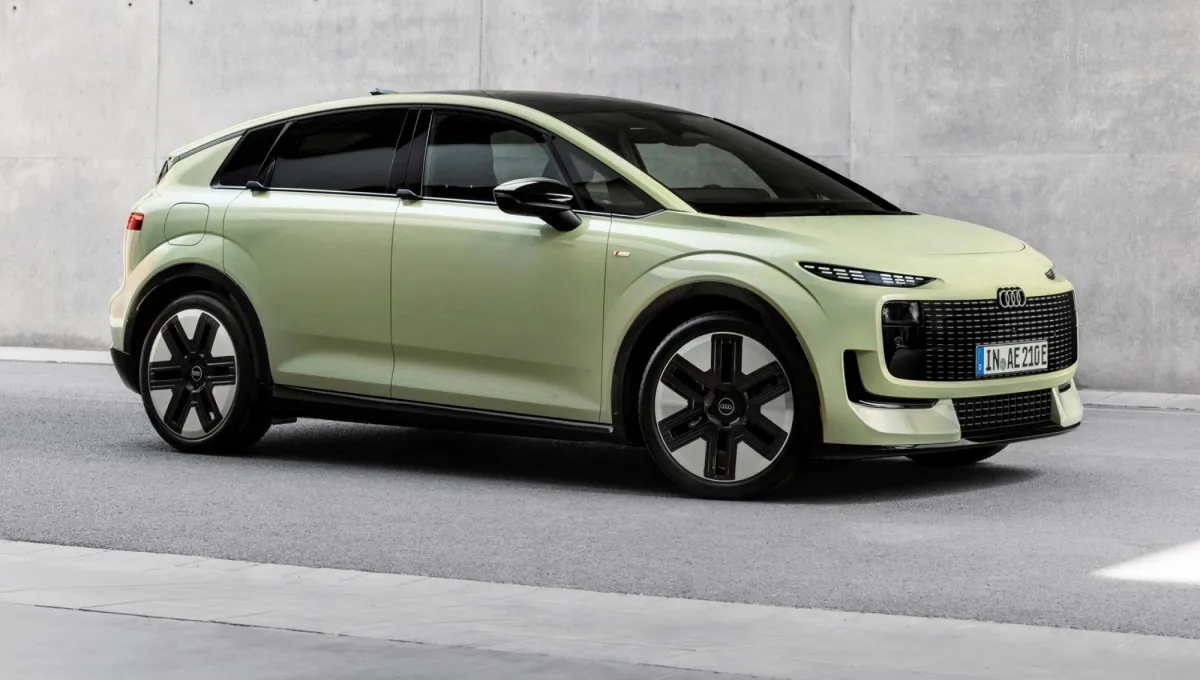
Audi Reveals EV With Unusual Door Handles
Audi has unveiled the new A2 E-Tron, an electric hatchback with distinctive styling and tiny flush-mounted door handles.
Volkswagen ID. Polo Demand Is So Strong Buyers Face a Nearly Yearlong Wait
Demand for Volkswagen’s affordable EV is so strong that buyers may wait nearly a year before taking delivery.
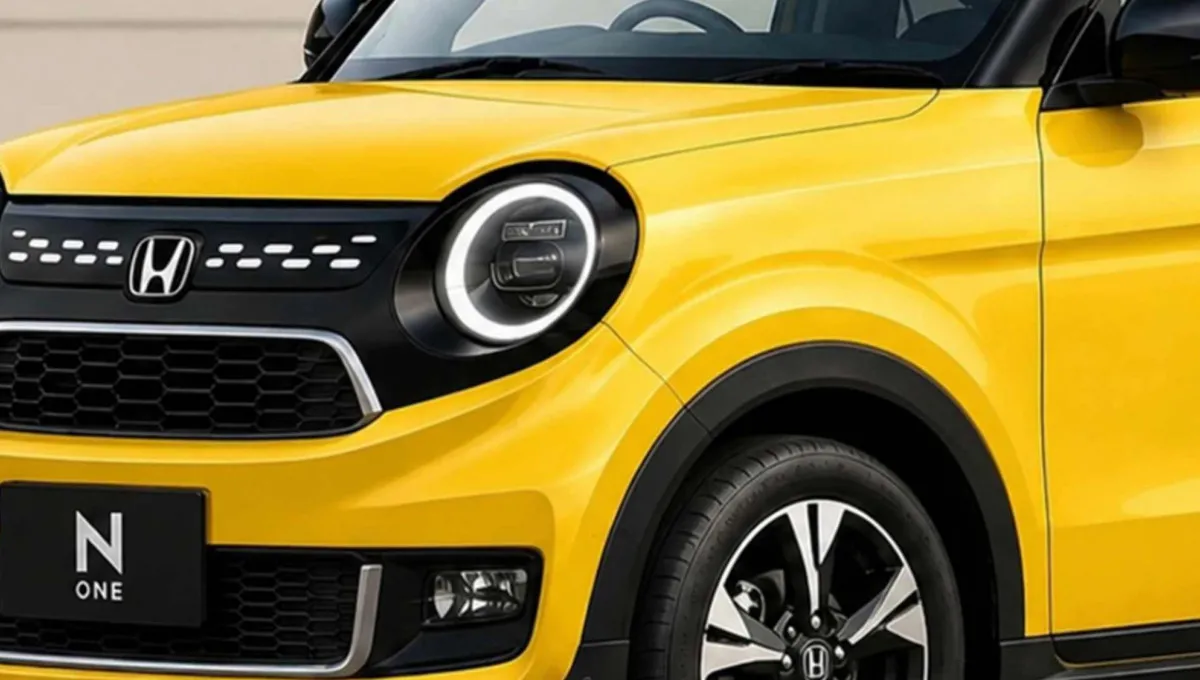
Next-Generation Honda N-One Appears in First Renderings
The Honda N-One family expanded in 2025 with the electric N-One e:, while the gasoline-powered RS received an update.
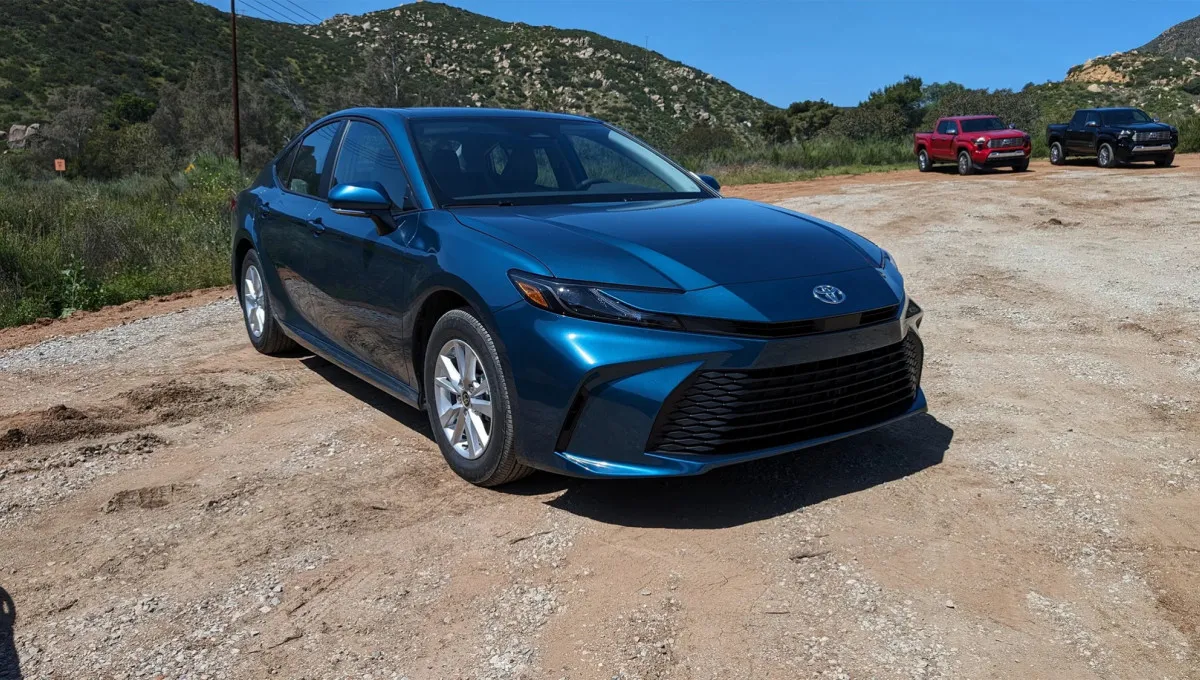
Americans Are Finding Out How Much It Costs to Replace a Hybrid Battery in a Modern Toyota
A Toyota hybrid battery can cost as much as $4,500 to replace, depending on the model and battery type.
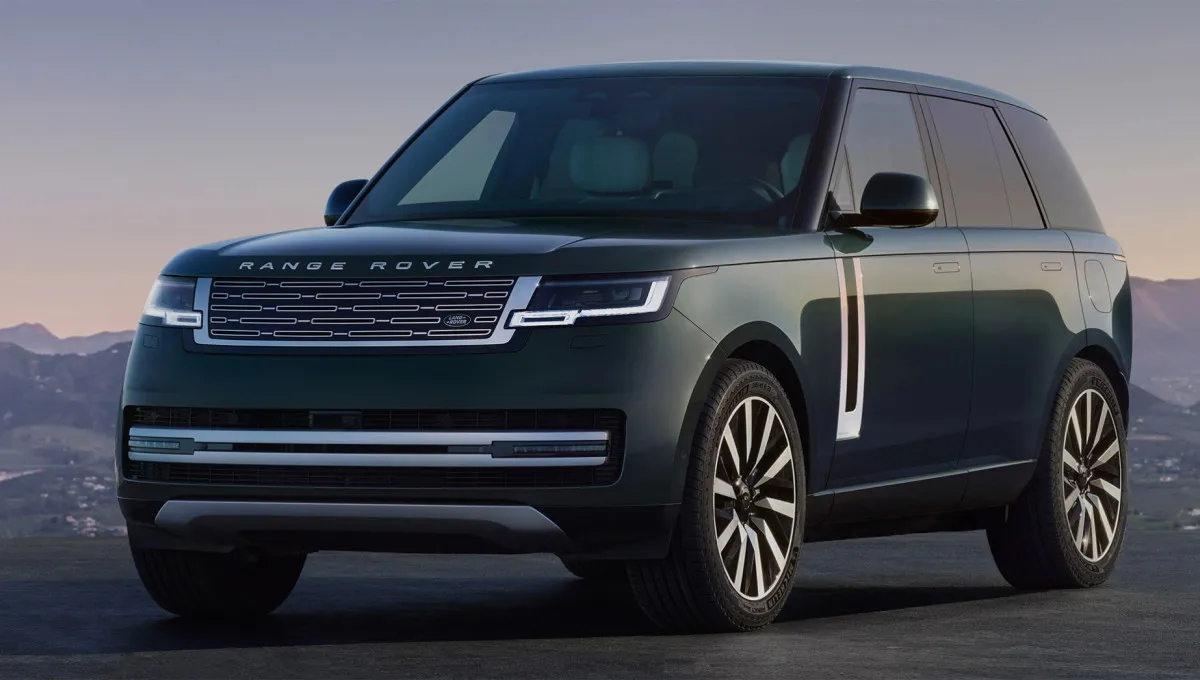
Range Rover Electric Revealed With Serious Off-Road Capability and Sports-Car Performance
British automaker Land Rover has unveiled the all-electric Range Rover, revealing pricing for an SUV that blends extreme off-road capability with sports-car performance.