
New Reliability Rankings Show EVs and Plug-In Hybrids Lag Behind Gas-Powered Cars
In its latest study, Consumer Reports looked at everything from minor annoyances to major, costly mechanical failures.
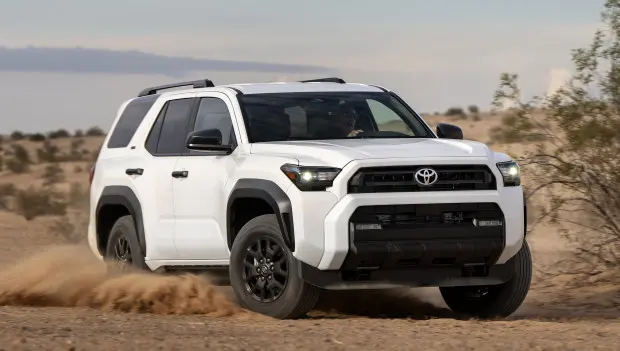
Consumer Reports has released its newest vehicle reliability rankings, and the overall picture hasn’t changed much at the top. Japanese brands continue to dominate the leaderboard. That said, there are a few surprises this year: Mazda slides significantly, while Tesla posts an unexpected improvement. Even so, battery-electric vehicles and plug-in hybrids still trail traditional gas-powered cars and conventional hybrids in overall reliability.
Each year, Consumer Reports surveys its members about problems they’ve experienced with their vehicles over the previous 12 months. For the latest report, the organization analyzed data from roughly 380,000 vehicles spanning model years 2000 through 2025, along with a handful of early-release 2026 models that had been on sale long enough to qualify.
To generate reliable brand-level scores, Consumer Reports requires data from at least two models introduced in the 2023, 2024, 2025, or early 2026 model years (the U.S. model year typically begins around July). Several automakers didn’t meet that threshold and were therefore excluded from the rankings, including Alfa Romeo, Dodge, Fiat, Infiniti, Jaguar, Land Rover, Lucid, Maserati, Mini, Mitsubishi, Polestar, and Porsche.
In compiling the results, CR evaluated both minor issues—such as interior trim defects or software updates needed to fix infotainment glitches—and more serious, potentially expensive problems involving engines, transmissions, and EV traction batteries. Each vehicle received a predicted reliability score ranging from 1 to 100, which was then factored into an overall score for each brand.
Here’s how this year’s rankings stack up:
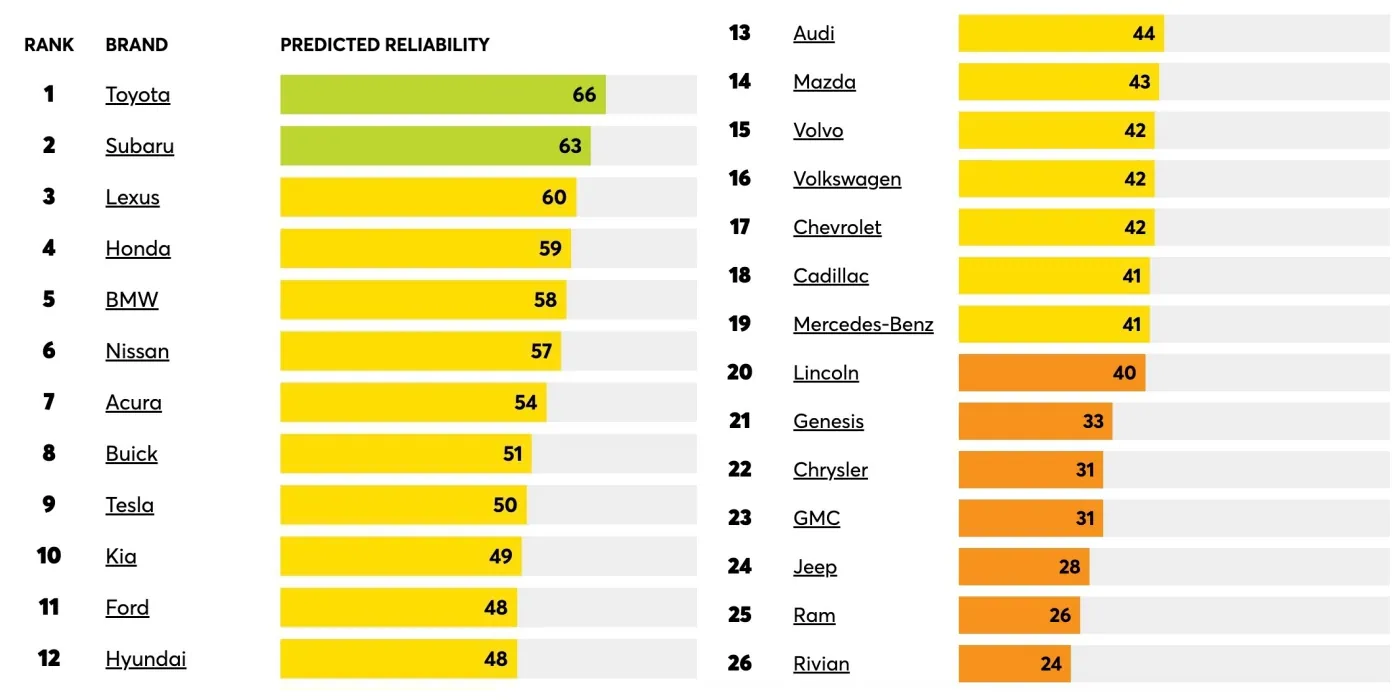
Toyota takes the top spot once again, followed by Subaru in second place and Lexus in third. Mazda, however, drops eight positions compared to last year’s results. Tesla moves in the opposite direction, climbing eight spots to ninth overall. Consumer Reports notes that Tesla has made noticeable progress in reducing issues related to body panels, paint quality, interior fit and finish, and electrical accessories. The Model 3 and Model Y stand out as the brand’s most trouble-free vehicles, while the Cybertruck posts below-average reliability scores.
“The latest survey results show that fully electric vehicles and plug-in hybrids continue to cause more problems for owners than other types of vehicles,” the report states. “By contrast, traditional hybrids that don’t require plugging in remain one of the most reliable choices on the market, and they typically deliver excellent fuel economy as well.”
You may also be interested in the news:
328,000 Jeep Grand Cherokees Recalled Over a Hidden Crash Risk — Owners Should Act Now
Chrysler is recalling more than 328,000 Jeep Grand Cherokees over a rear coil spring problem that could increase the risk of a crash.

The Worst Cars in the World: A History of Automotive Failures and Disappointments
The auto industry has produced countless groundbreaking models, but some cars became infamous for all the wrong reasons.
Americans Are Finding Out How Much It Costs to Replace a Hybrid Battery in a Modern Toyota
A Toyota hybrid battery can cost as much as $4,500 to replace, depending on the model and battery type.
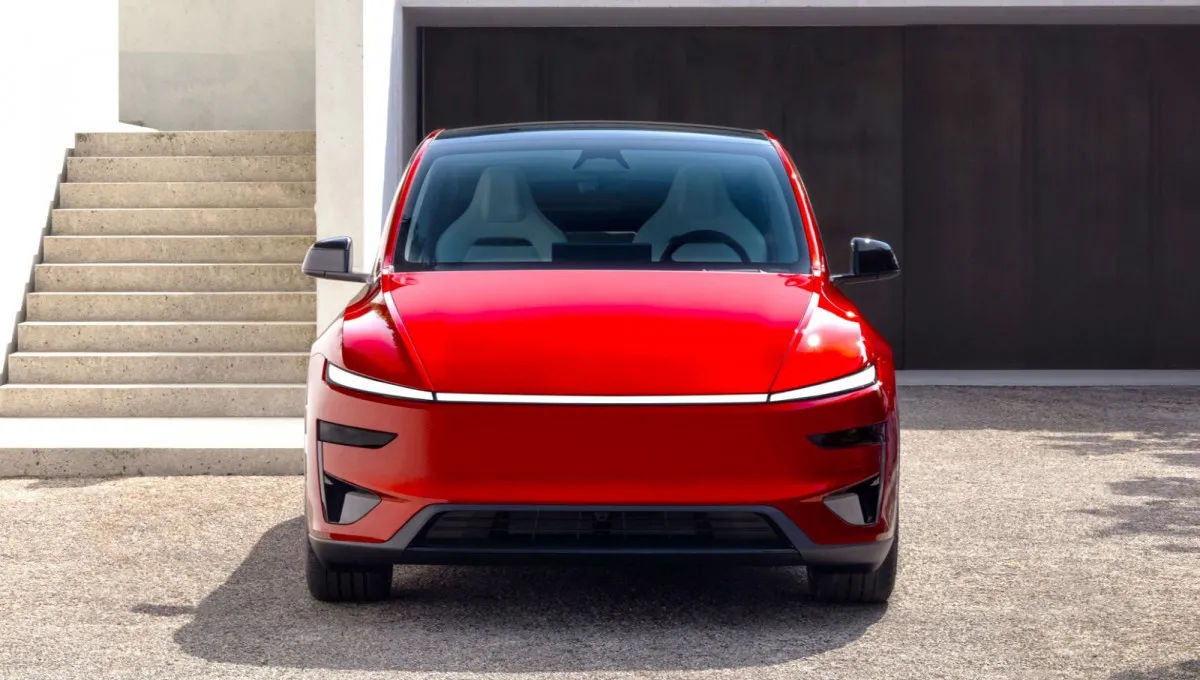
Tesla Recalls 2026 Model Y Over Front Suspension Fasteners That Could Affect Steering
Tesla has recalled select 2026 Model Y vehicles after front suspension fasteners were found improperly tightened during assembly.
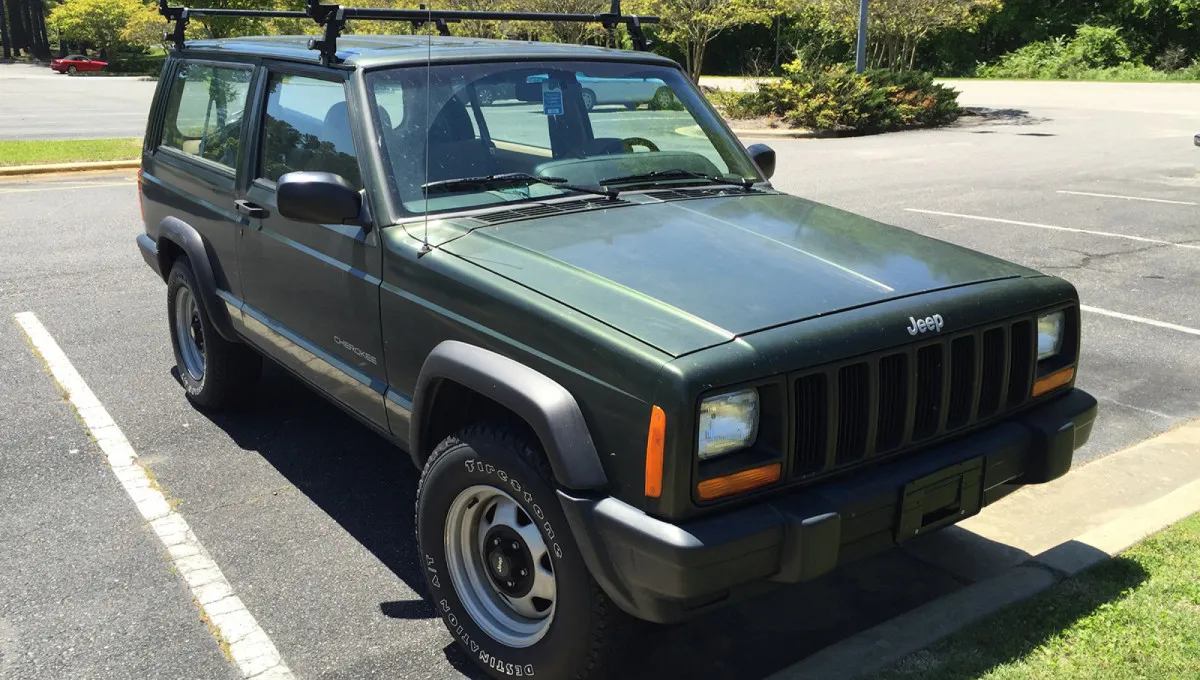
10 of the Most Durable SUVs of All Time
Which SUVs can rack up hundreds of thousands of miles and remain on the road after decades of use?