
Taking Stock and Looking Ahead: What Awaits the Auto Industry in 2026—Our View and Predictions
The future is at the doorstep. Here’s what could surprise drivers in the years ahead.
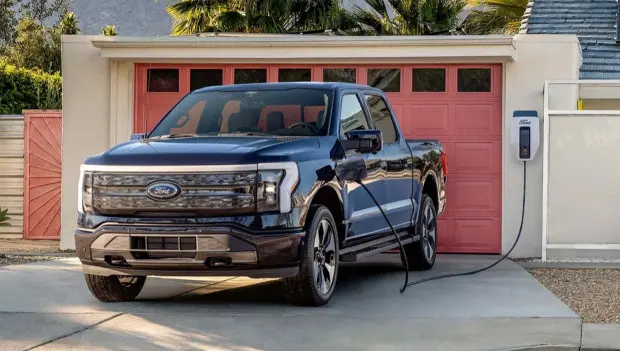
The automotive market has just come through a year defined by uncertainty. Forecasts for 2026 raise more questions than answers, as electric vehicles and emerging technologies continue to rewrite the rules. So what surprises does the industry have in store?
Just a year ago, trying to predict where the car market was headed felt almost pointless. Changes were happening too fast and too unpredictably. The past year—2025—only reinforced that feeling, proving to be every bit as volatile as expected. At the same time, that volatility has pushed the industry to take a fresh look at the future and ask what 2026 and the years beyond may bring.
The last period has been a real stress test. Automakers, dealers, and buyers alike have had to operate in an environment where familiar rules no longer apply, especially as interest in electric vehicles and new technologies has accelerated. Not long ago, electric sedans and crossovers were still a niche product. Today, they’re becoming an increasingly common sight on American roads.
By 2026, EVs are expected to shed their novelty status for good. Major automakers are no longer just experimenting—they’re moving electric models into full-scale production. And it’s not limited to passenger cars. Electric trucks, SUVs, and even pickups are entering the mainstream. Competition is heating up, with brands trying to stand out by focusing on range, charging speed, or bold new design approaches.
At the same time, consumer attitudes are shifting. Skepticism toward EVs is gradually giving way to a willingness to make the switch. For some, it’s frustration with rising fuel prices. For others, it’s the appeal of new technology or a desire for a cleaner alternative. Still, plenty of buyers remain cautious, questioning the long-term reliability of these newer platforms.
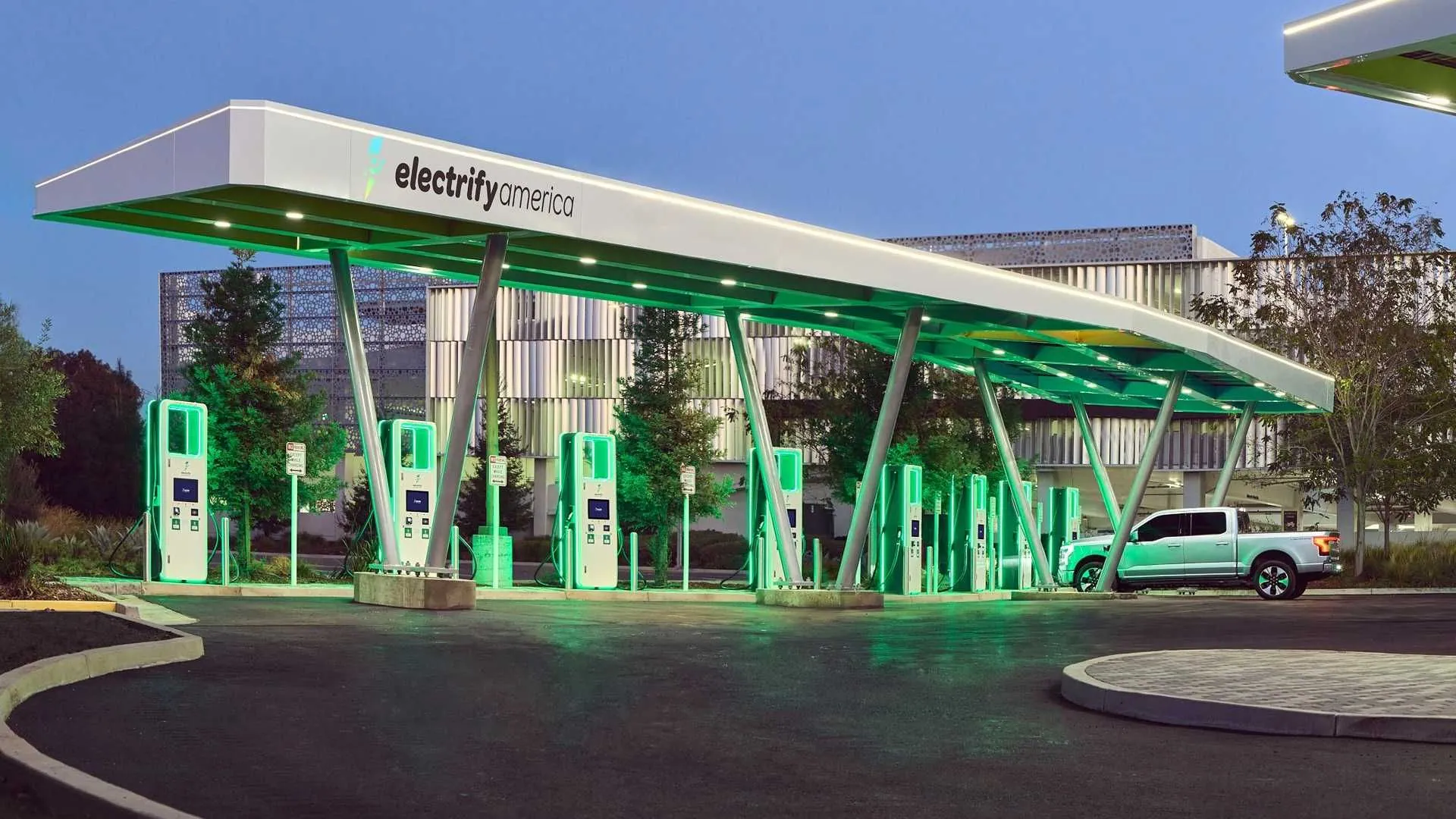
Charging infrastructure remains a key piece of the puzzle. In major metro areas, public chargers are becoming routine, but coverage in smaller cities and rural areas is still inconsistent. Even so, progress is visible, driven by public investment, private funding, and automakers themselves pushing faster and more convenient charging solutions.
Commercial vehicles shouldn’t be overlooked either. Electric delivery vans and heavy-duty trucks are slowly gaining traction. While their market share is still modest, analysts expect growth to accelerate—especially in logistics, where emissions regulations continue to tighten.
All things considered, 2026 is shaping up to be a turning point. Electric vehicles are moving beyond early adopters and into everyday life. Automakers are adapting to a new reality, and buyers are rethinking long-held habits. The only question now is what unexpected twists the market will deliver in the years ahead.
You may also be interested in the news:
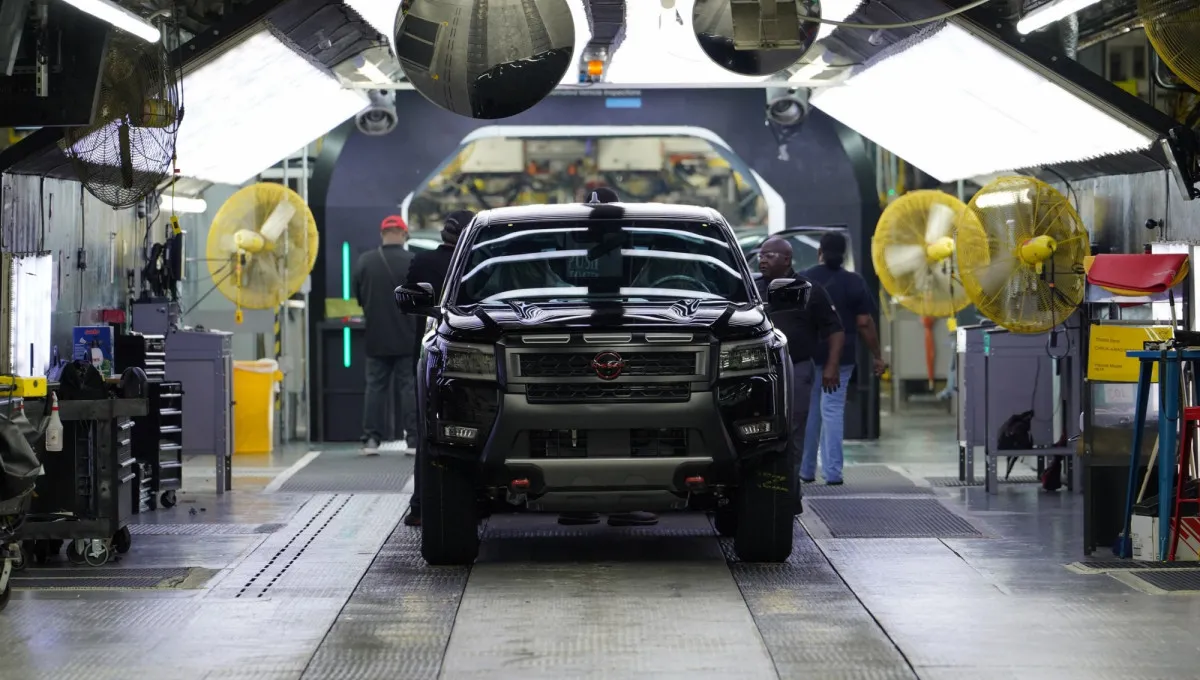
Nissan Restarts US-Made Murano, Pathfinder, Frontier Sales in Canada
Nissan resumed Canadian sales of three U.S.-built models, but tariffs keep supply below earlier levels.
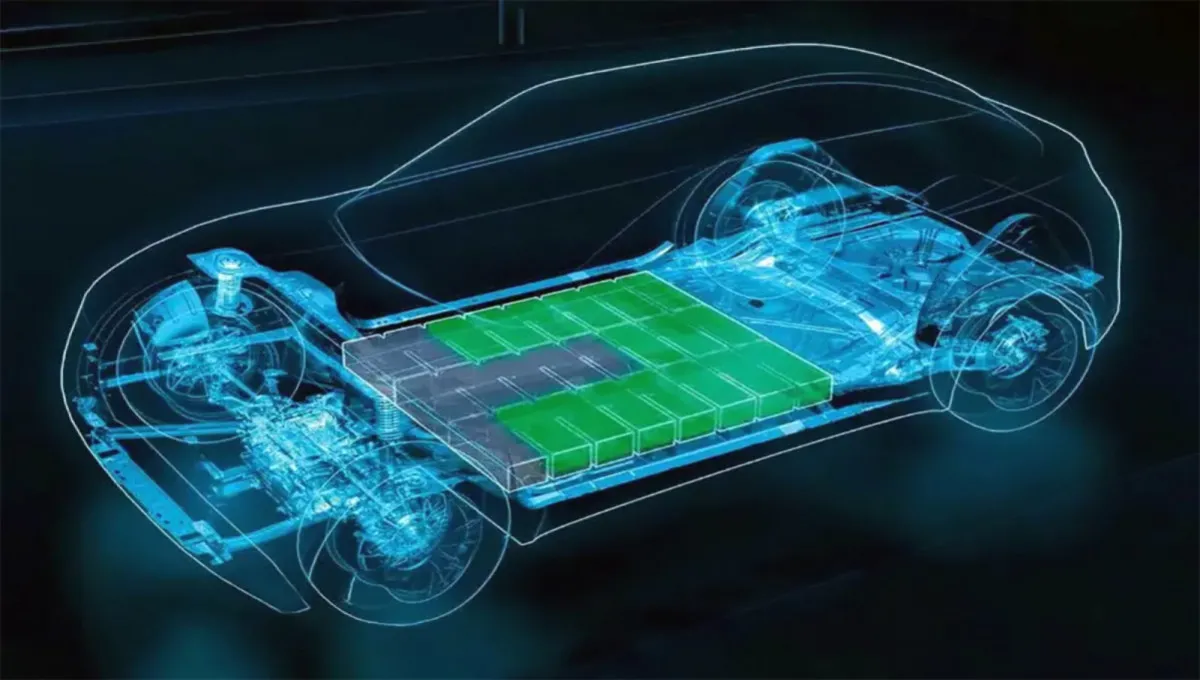
Stellantis Patents System That Lets an EV Drop Its Battery and Drive Away
A new patent details an emergency system that could let an EV disconnect its high-voltage battery and move away from danger.
Stellantis Just Revealed Nine New Cars Under $40,000 — And Two Could Cost Less Than $30K
Stellantis plans nine cheaper vehicles as high prices leave American shoppers with fewer affordable new-car choices.
He Sold His House to Buy 20 Teslas—Then Sold 213 of Them in One Year
A car dealer admitted he briefly questioned his decision after betting his property money on a fleet of Teslas.
These 5 Mercedes-Benz Models Can Look Like Bargains — Until the Repair Bills Arrive
These five used Mercedes-Benz models have reported issues that could turn an attractive bargain into an expensive ownership headache.