
Best and Worst Cars of 2025 Ranked by Value for Money: 10 Winners and 10 Losers
Germany’s ADAC has tested 100 new 2025 models, ranking them by price versus real-world value.

Germany’s largest automobile club, ADAC, has evaluated 100 new vehicles from the 2025 model year and published a ranking based on value for money—balancing purchase price against overall consumer benefits. According to the study, cited by Rossiyskaya Gazeta, models from Audi, BMW, and Mercedes-Benz ended up clustered near the bottom of the list.
Out of the 100 cars tested, 32 earned an overall rating of “good,” 63 were rated “satisfactory,” and five were deemed merely “adequate.” Not a single model achieved the top score of “very good.” Notably, this is the first time since the ranking began that seven electric vehicles have made it into the top ten.

The highest overall score, 2.0, was shared by the Hyundai Inster and the Mini Cooper E. ADAC notes that the Mini scored higher in technical performance, while the Hyundai stood out for its low total cost of ownership. In Germany, the Inster starts at €23,900 (about $28,000), while the Mini Cooper E is priced at €28,900 (roughly $33,800).

Also making the top ten were the Dacia Spring Electric, Kia EV3, Mini Aceman, Renault R5, and Skoda Elroq. The Elroq earned the best technical score in the entire test—1.6—but missed out on the top spot due to its higher price and projected resale losses. The list of best-value cars was rounded out by the Skoda Octavia Combi, Skoda Scala, and Toyota Yaris.
ADAC analysts attribute the improving performance of EVs in the rankings to greater efficiency and lower running costs. The evaluation went beyond sticker price, factoring in five-year ownership costs such as depreciation, insurance, taxes, maintenance, and fuel or electricity. Electric vehicles benefited further from Germany’s exemption from vehicle tax and reduced service expenses.
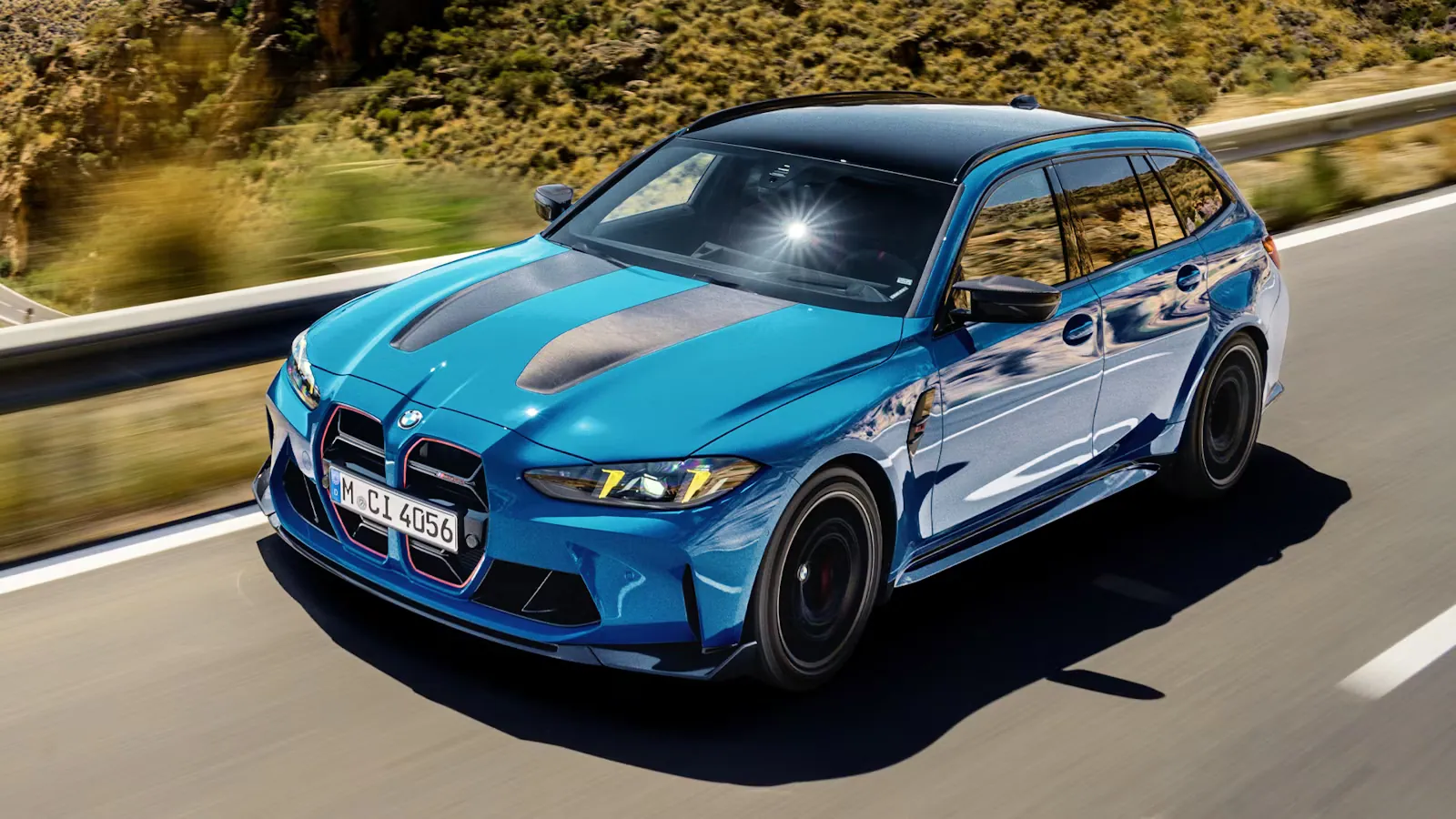
At the other end of the spectrum, the worst value-for-money cars were dominated by premium models. The Audi Q8 finished last, with a starting price of €94,700—approximately $111,000. It was joined near the bottom by the BMW M3, Audi Q7, Volvo XC90 and EX90, Mercedes-Benz GLC and EQS, two versions of the CLE, the Volvo XC60 plug-in hybrid, and the Mercedes-Benz EQV.
The results highlight a growing divide in 2025: while many mainstream and electric vehicles are delivering stronger value, high-priced luxury models are increasingly struggling to justify their cost.
You may also be interested in the news:
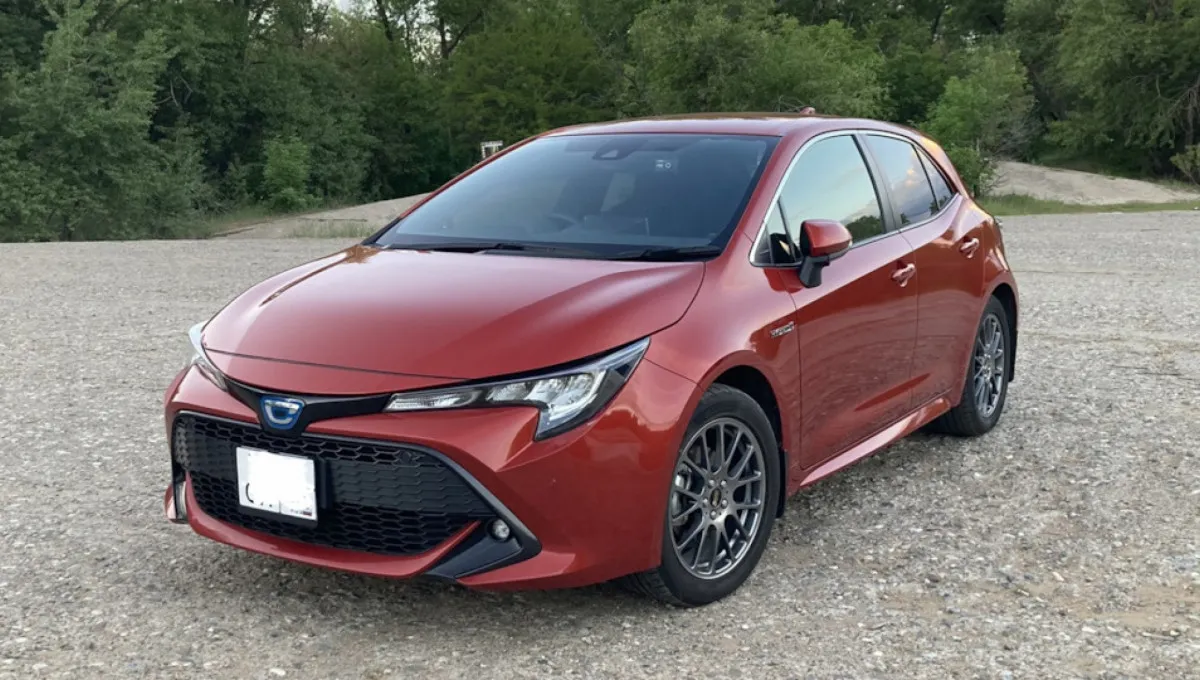
Japan’s Most Fuel-Efficient Cars of 2026 Revealed, With Toyota Taking Eight of the Top 10
Toyota dominates Japan’s 2026 fuel-economy rankings, taking eight of the top 10 spots with hybrid models.
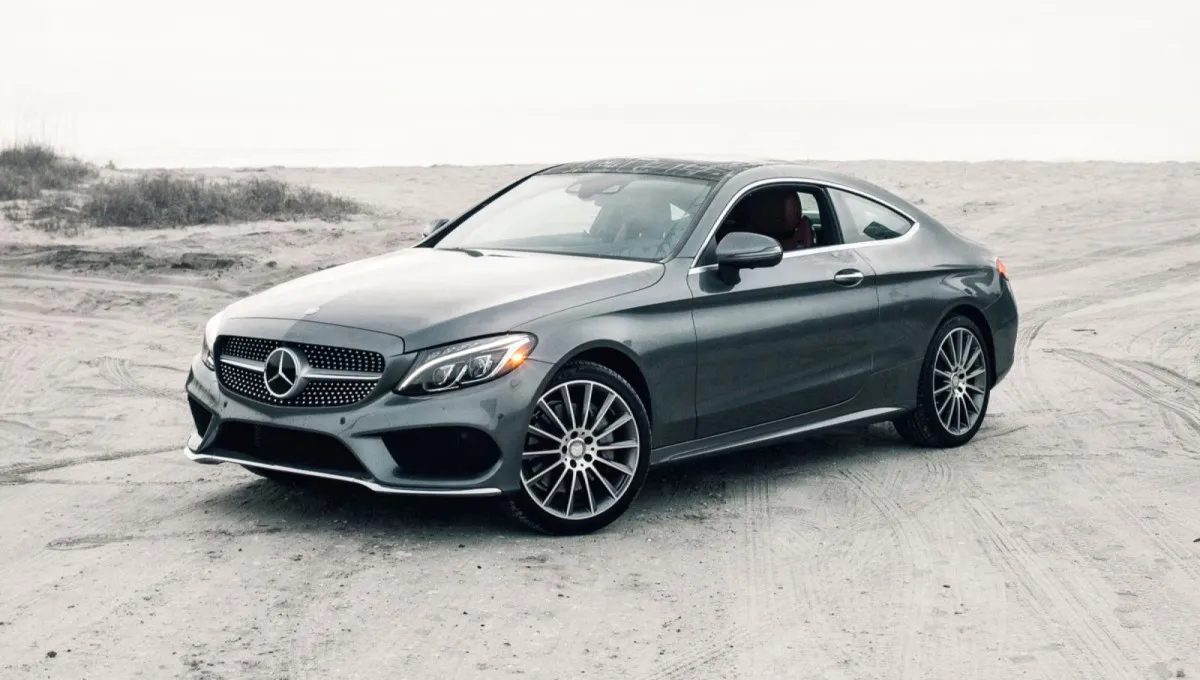
These 5 Mercedes-Benz Models Can Look Like Bargains — Until the Repair Bills Arrive
These five used Mercedes-Benz models have reported issues that could turn an attractive bargain into an expensive ownership headache.

A 100-Year BMW Legacy Is in Trouble as Germany’s Oldest Dealer Files for Insolvency
German dealers accuse Chinese automakers of poor payment practices as an iconic BMW dealer enters insolvency.
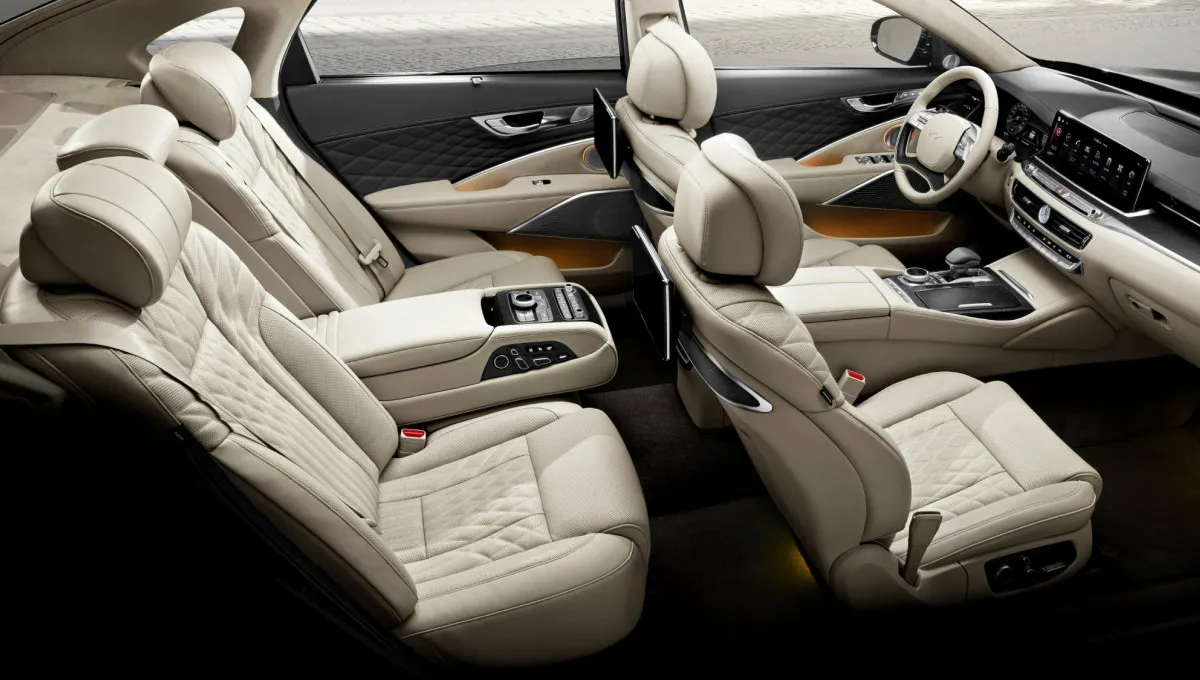
Best Sedans for Interior Space: The Roomiest Cars of 2026
These six sedans offer generous legroom and shoulder room, giving families a comfortable alternative to larger SUVs for long trips.

Best Cars for Teen Drivers: Affordable and Safe Picks
These affordable used and new vehicles combine strong safety ratings, reliability, and reasonable prices for young drivers and their families.