
Stellantis Admits It Overestimated Electrification: PHEVs Dropped in the U.S., Hemi V8 Returns to Ram 1500 and TRX
According to media reports, Stellantis made a noticeable strategic pivot by February 6.
According to media reports, Stellantis has undergone a significant strategic shift by February 6, following management changes at the top level. The company has effectively acknowledged that its earlier expectations for the pace of electrification were overly optimistic and that future decisions will need to be aligned with real consumer demand rather than top-down policy targets.
In North America, Stellantis has revised its approach to powertrains. This is not a minor adjustment but a change in priorities that has already affected key models.
The changes include:
- abandoning plug-in hybrids (PHEVs) in the North American market;
- discontinuing the fully electric Ram 1500 REV;
- bringing back the 5.7-liter Hemi V8 to the lineup;
- restoring the supercharged 6.2-liter V8 for the Ram TRX.
Stellantis reported total costs of $226.2 billion, which the company attributes to a shift toward a “freedom of choice in power” strategy. This approach emphasizes the parallel development of internal combustion engines, hybrids, and fully electric vehicles, allowing customers to choose what best fits their needs.
In official language, these moves are described as a “reset.” The core idea is straightforward: electrification will no longer be driven by centralized planning, but by what the market is actually willing to buy.
Antonio Filosa linked the shift to reforms launched in 2025. According to him, the company is reassessing past decisions through the lens of customer needs. He also noted that the scale of the costs reflects an earlier overestimation of how quickly the transition to new energy sources would occur, which led to a mismatch between production plans and consumer capabilities and preferences. At the same time, the new management team is working to address the consequences of weak operational performance in the previous period.
The logic of this “reset” becomes clear when looking at the breakdown of expenses:
-
$117.4 billion for adjustments to production planning and responses to changes in U.S. emissions regulations, which lowered market expectations for fully electric vehicles;
-
$33.4 billion in asset write-downs tied to canceled projects;
-
$22.5 billion from scaling back EV supply chains;
-
$66.4 billion for operational changes, including layoffs in Europe.
Stellantis expects revenue in the second half of 2025 to range between $992.2 billion and $994.6 billion. Even at those levels, the company has warned it could post a net loss of up to $224.8 billion. Against this backdrop, Stellantis has decided to cancel dividends for 2026 and raise capital through debt issuance.
The market reaction was harsh: Stellantis shares fell nearly 24% in a single day.
Despite the pressure, total vehicle shipments in the second half of 2025 rose to 2.8 million units, and several key markets began to recover. The company also noted a marked reduction in quality issues with new vehicles in North America and Europe, with changes to its engineering processes starting to show results.
Looking ahead, Stellantis is counting on a wave of new and updated models to support sales, including:
- the new Jeep Cherokee, Commander, and Recon;
- refreshed Grand Cherokee and Grand Wagoneer models;
- the Dodge Charger with a twin-turbo inline-six engine;
- the Ram 1500, which has regained market appeal following the return of the Hemi V8.
You may also be interested in the news:
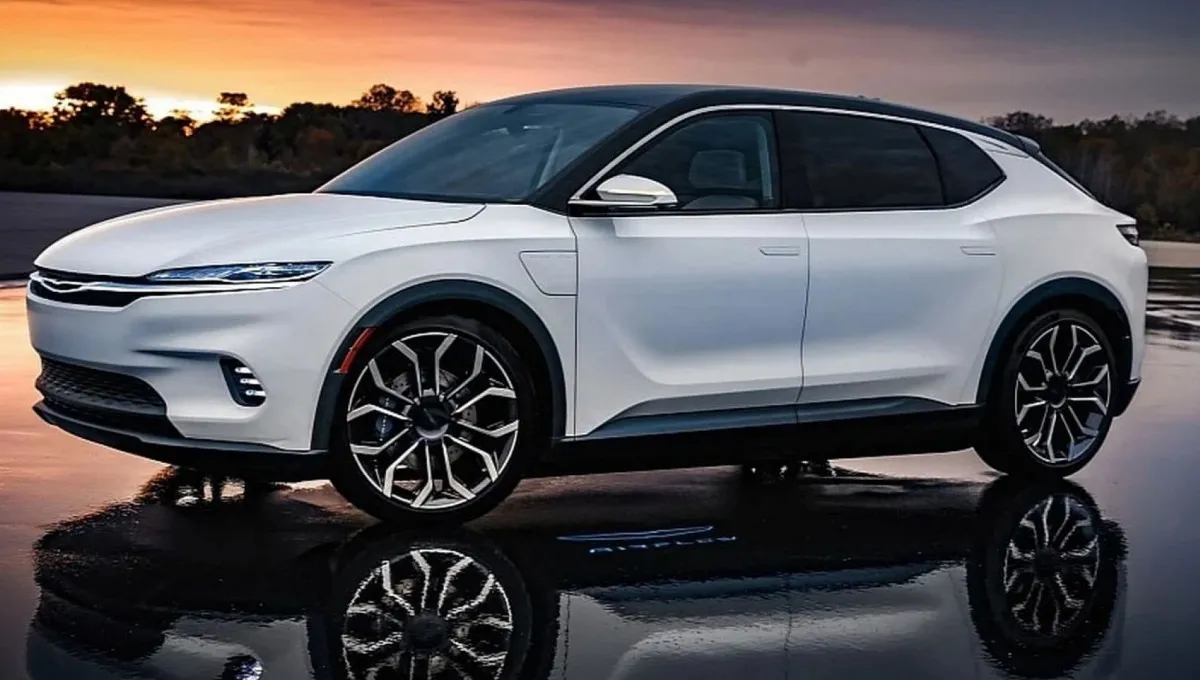
Chrysler Will Shift to Affordable SUVs as the Company Overhauls Its Strategy
The head of Stellantis announced a historic shift in how Chrysler is positioned. The American company is moving away from expensive vehicles and will focus on affordable models.
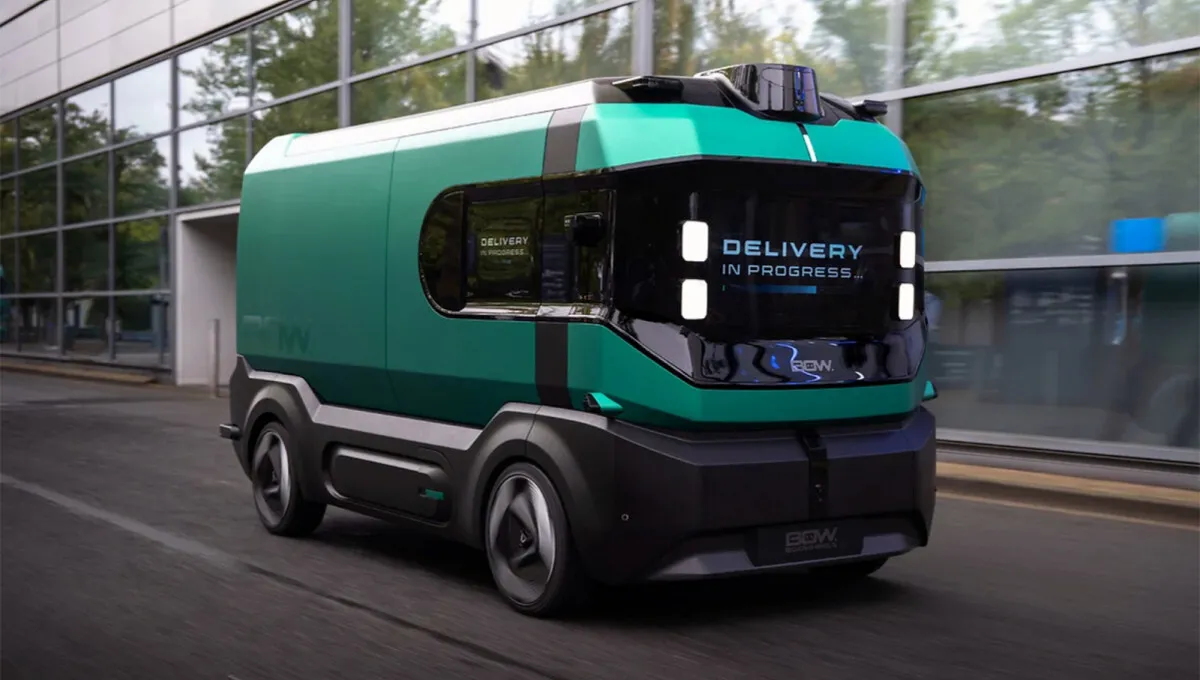
Stellantis and UQI Unveil BOW Autonomous Electric Delivery Van Concept
“Box on Wheels” may sound like a tongue-in-cheek name for an old practical car, but here it is the official name.
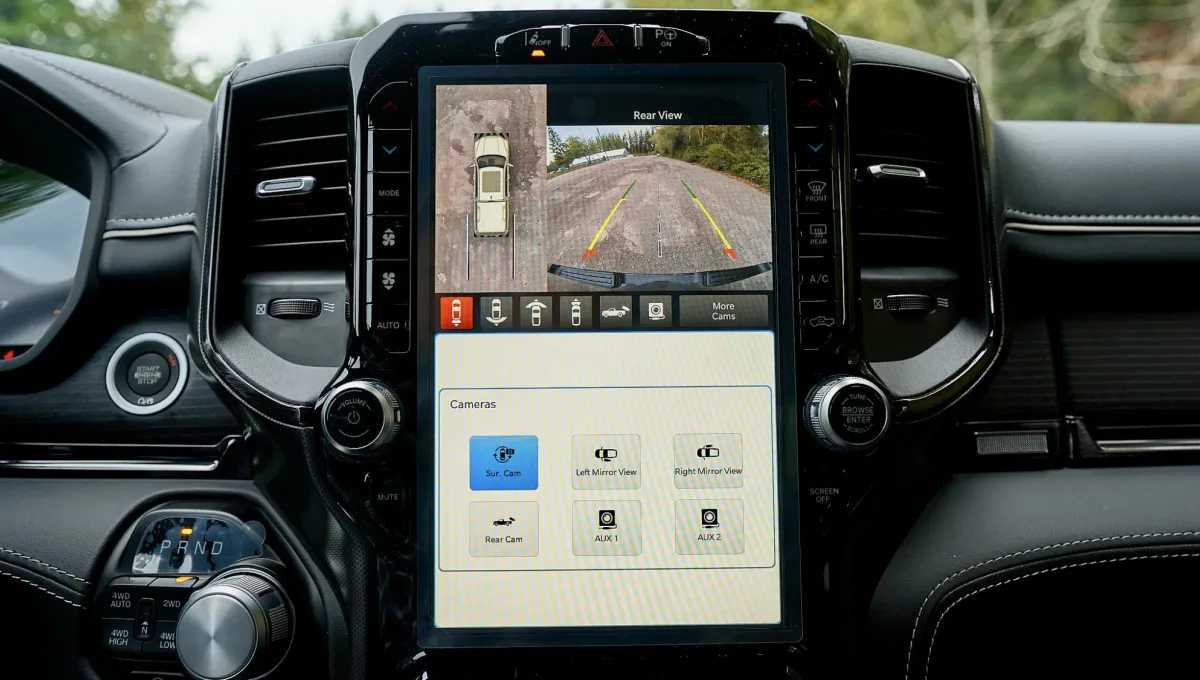
Chrysler Recalls More Than 239,000 Ram 1500 Trucks Over Rearview Camera Problem
Software can prevent the rearview camera image from appearing when Ram 1500 trucks enter Reverse.
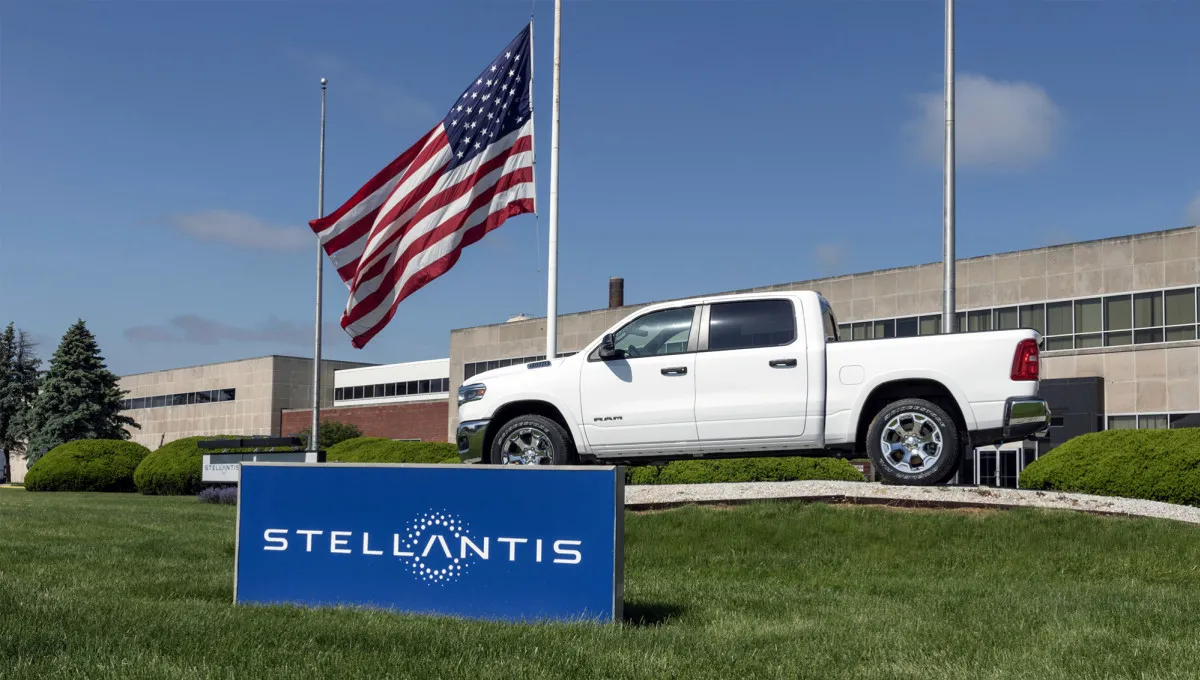
Multiple Stellantis North America Brands Hit With 844,027-Vehicle Recall
A radio software defect affecting rearview camera images triggers a recall across Ram, Jeep, Dodge, and Chrysler models.
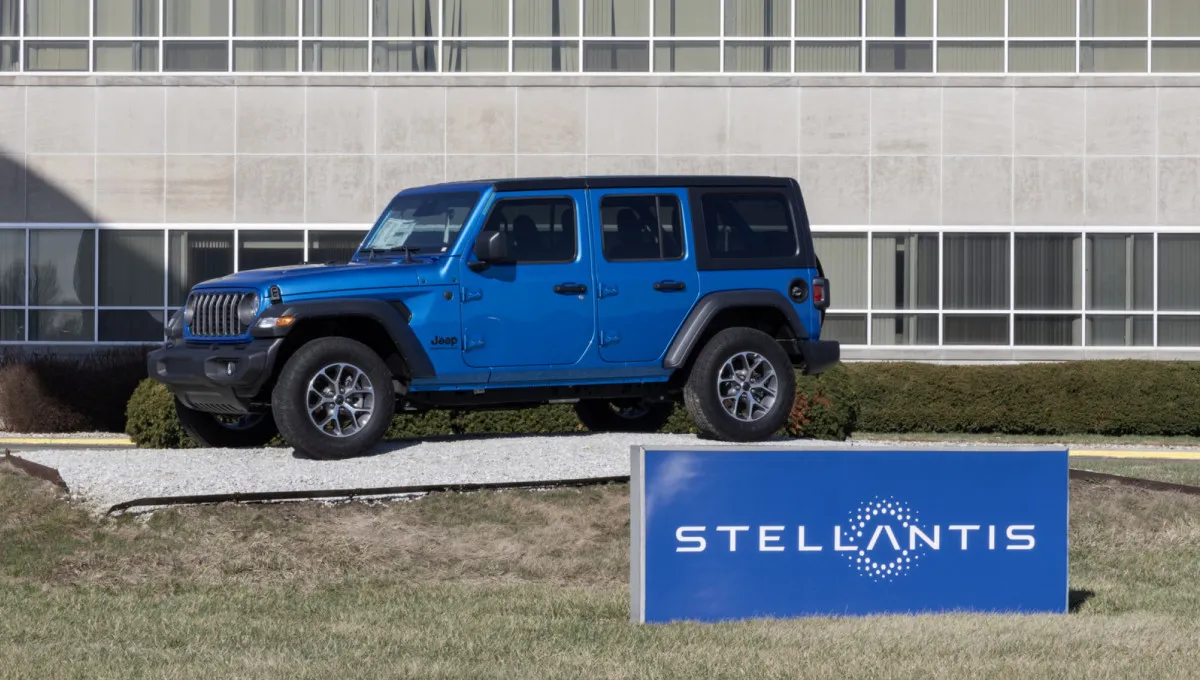
Stellantis Launches China-Built Jeep and Peugeot EVs for Global Export
An American icon built in China: what Jeep’s move to Chinese production means for the global auto industry