
Honda Patents Ultra-Affordable Electric Motorcycle
Honda’s motorcycle division generates revenue for the Japanese company on a scale comparable to its car business.
Honda’s motorcycle arm brings in profits that rival those from its automotive operations. With such strong demand worldwide, it’s no surprise the brand continues expanding its lineup with new models.
Recently, the segment has been steadily moving toward electrification. Honda, not wanting to fall behind competitors, has been developing electric motorcycles one after another. The challenge, however, is that electric bikes typically cost significantly more than comparable gasoline-powered models, which makes them a tough sell for many buyers.
That could soon change. Honda appears to be preparing a brand-new electric motorcycle designed to be exceptionally affordable.
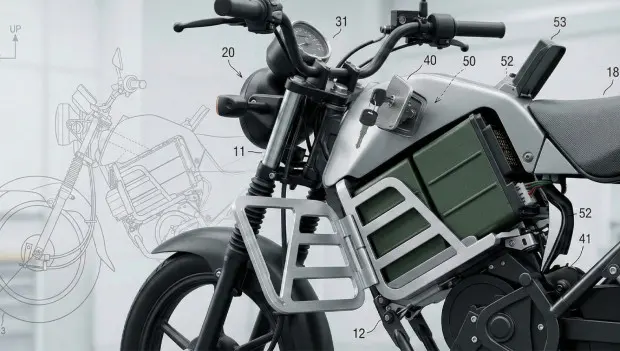
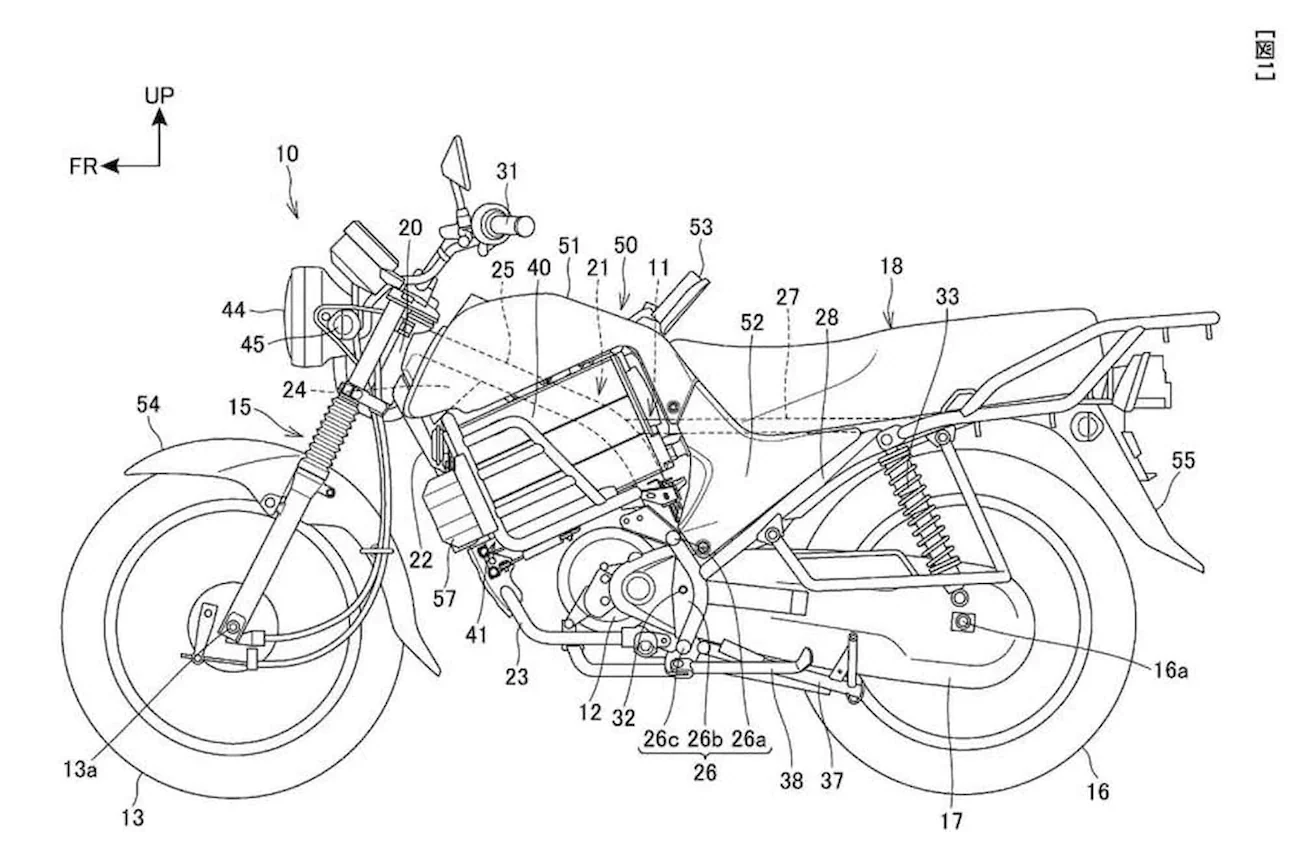
Patent images of the project surfaced online this week, offering the first glimpse of the upcoming bike. According to the drawings, Honda plans to base the model on inexpensive motorcycles currently sold in African markets. Engineers intend to keep the original mechanical architecture largely intact while replacing the internal combustion engine with an electric motor. The space previously occupied by the engine would be partially repurposed for the battery pack.
By relying heavily on an existing production line—and even using the same frame design found on gasoline bikes—Honda could dramatically reduce development and manufacturing costs. That approach should allow the company to price the new model far below most electric motorcycles currently on the market.
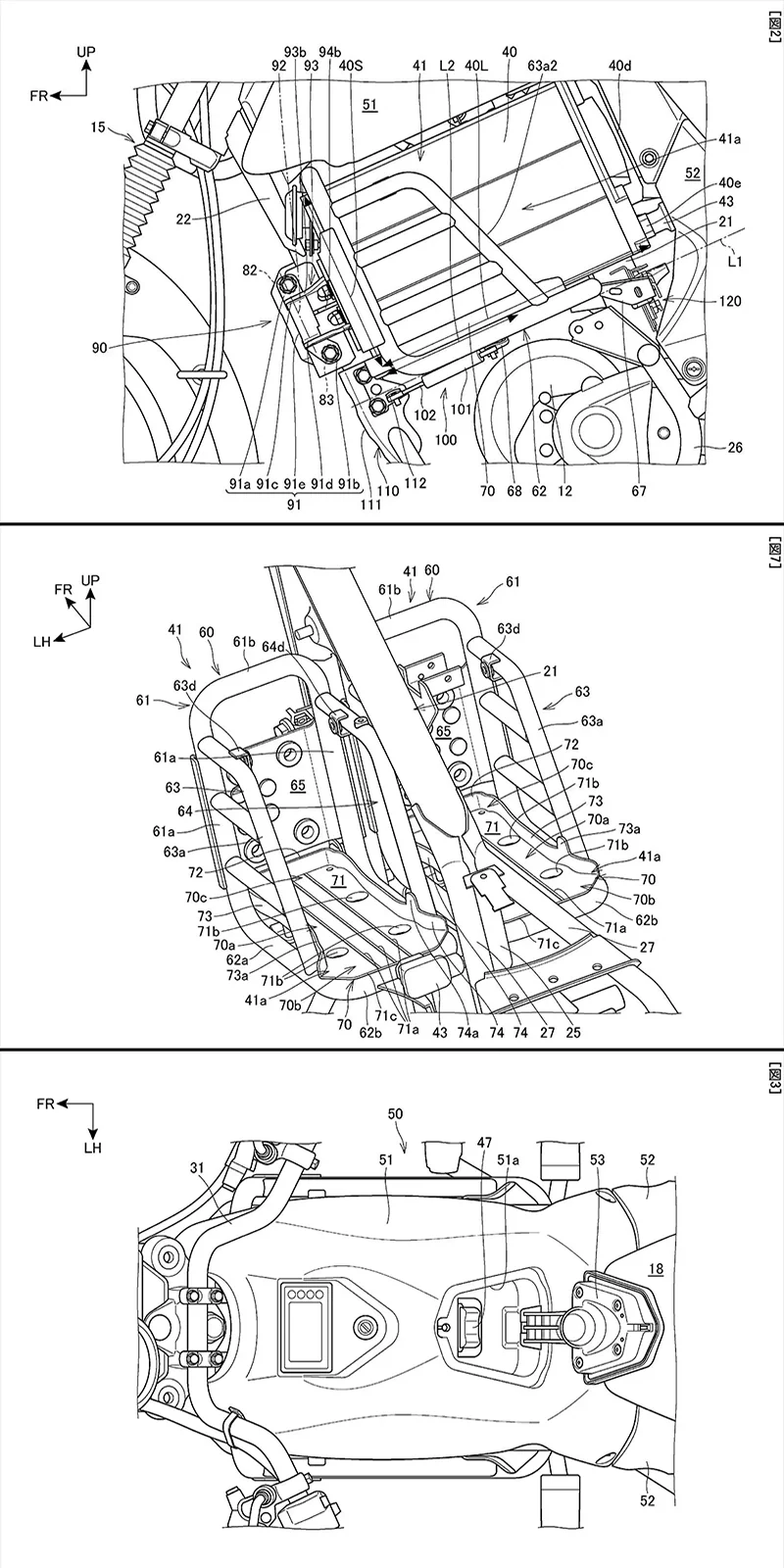
One of the key elements revealed in the patent is the battery mounting system. The design encloses the battery pack within a protective structure meant to prevent damage if the motorcycle tips over.
Because the bike is aimed primarily at emerging markets such as Africa and India, the design also includes basic anti-theft features. At the same time, the construction relies almost entirely on simple mechanical connections, helping keep the bike durable, easy to repair, and inexpensive to build.
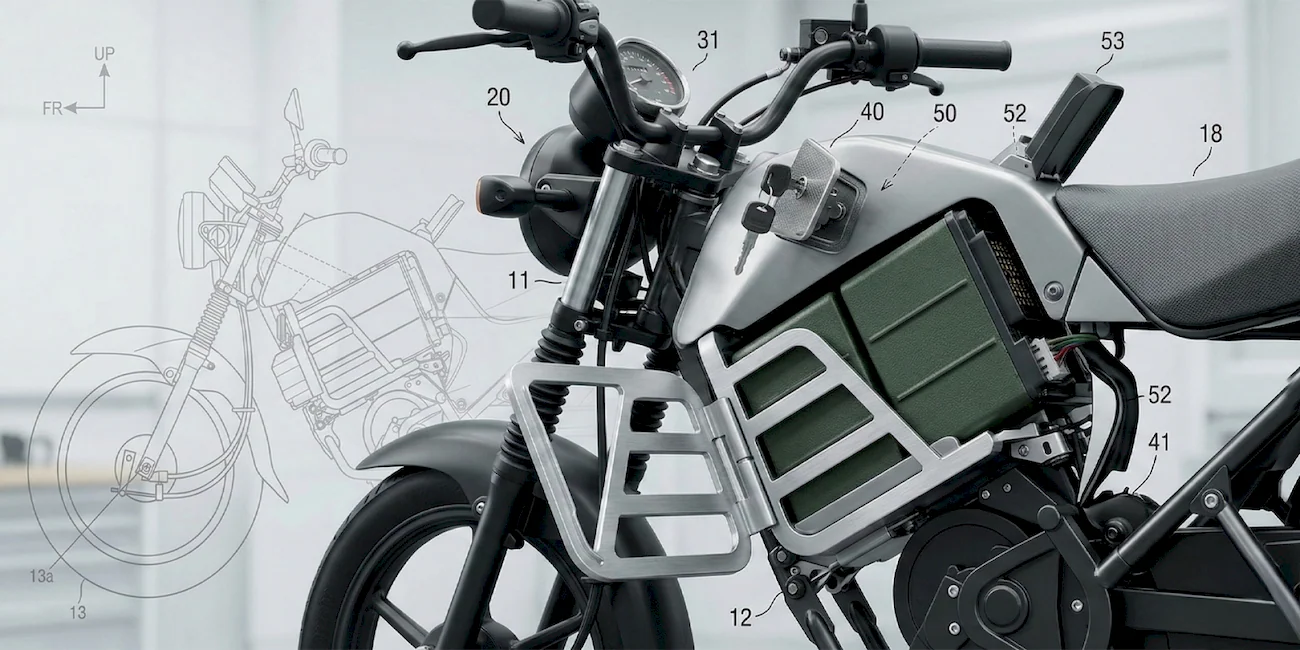
Electronic equipment appears to be kept to a minimum. The instrument panel uses traditional analog gauges, and the braking system is a simple cable-actuated drum brake setup—another cost-saving measure intended to keep the price as low as possible.
Honda could unveil this potentially game-changing electric motorcycle sometime later this year.
You may also be interested in the news:
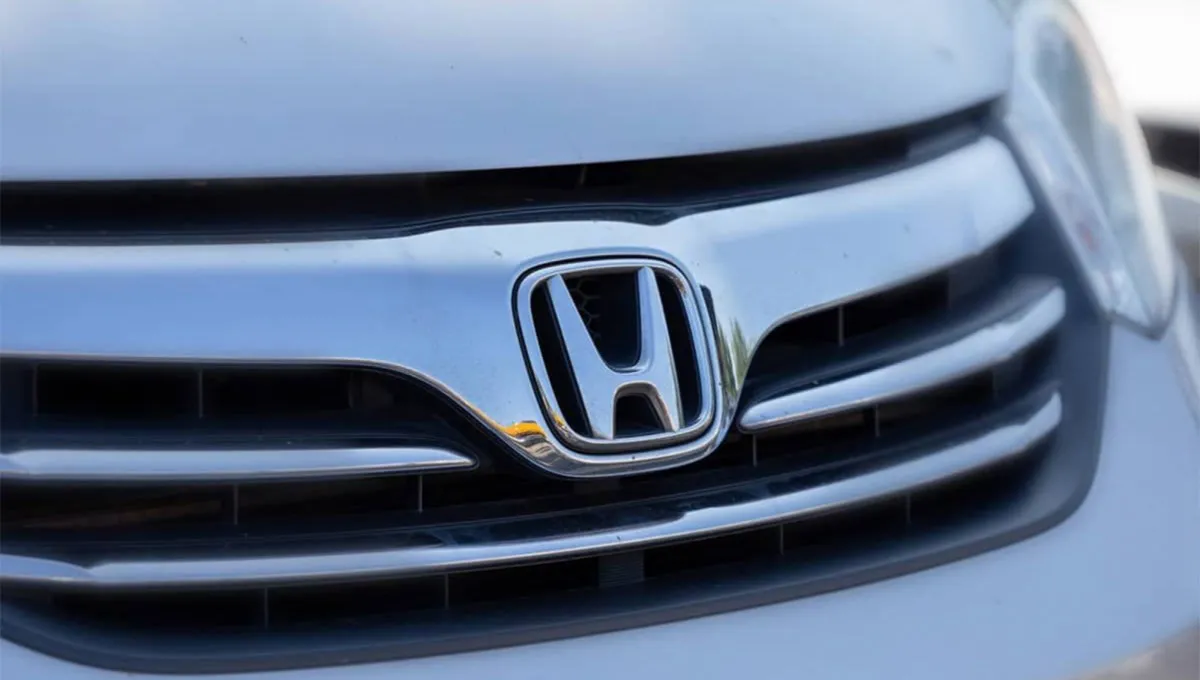
Honda Is Developing a System That Charges EVs While They Drive
Honda plans to begin testing wireless charging technology for electric vehicles on the move later this year.

Harley-Davidson Riders Could Face $2,500 Fines Under New Law Targeting ‘Weaving’ on Roads
Arizona’s new motorcycle law targets lane splitting, exposing repeat offenders to steep fines, possible jail time, and license suspensions.
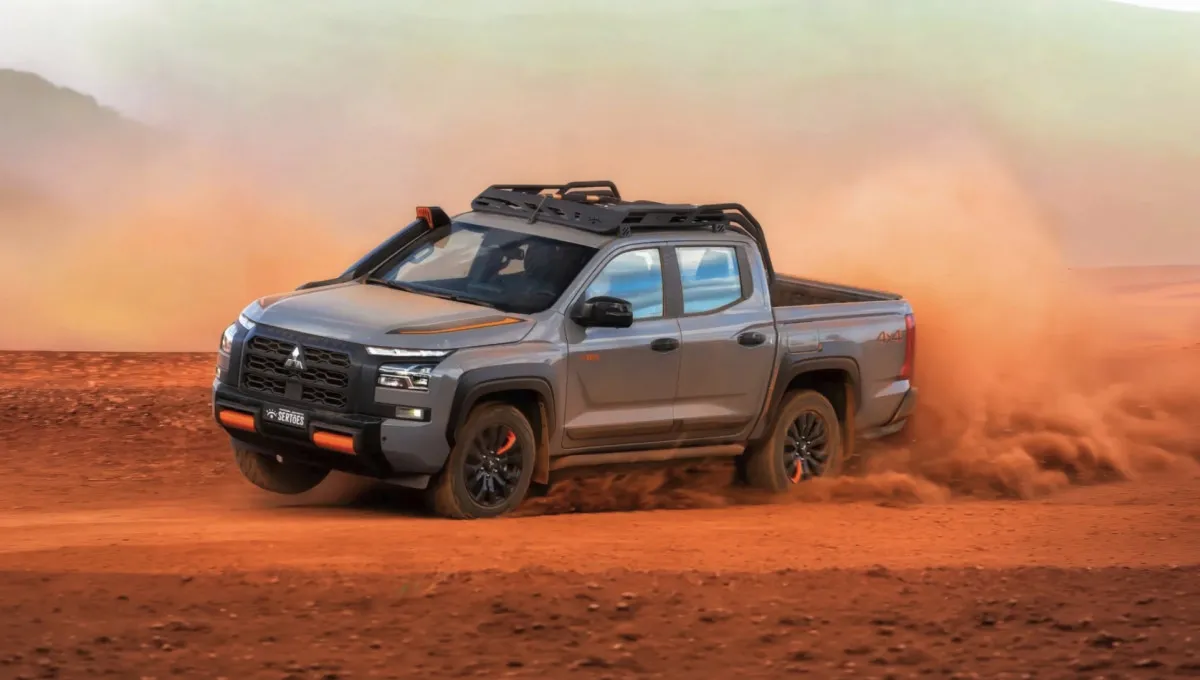
Honda Could Launch a Mitsubishi-Based Midsize Pickup in 2028
Honda could enter the midsize pickup market with a rebadged Mitsubishi Triton, expanding its Southeast Asian lineup as early as 2028.
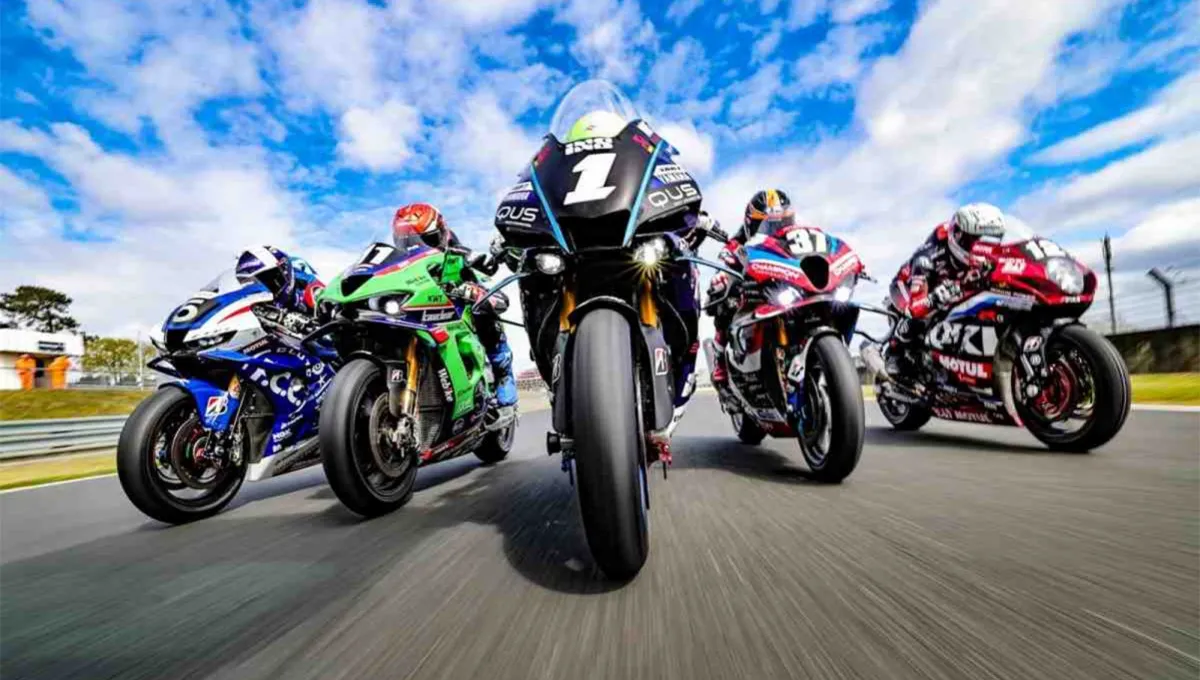
Scooter vs. $32,000 Superbike: The Ending Nobody Saw Coming
A young rider thought his brand-new superbike was unbeatable, until an old man on a little scooter gave him a surprise.
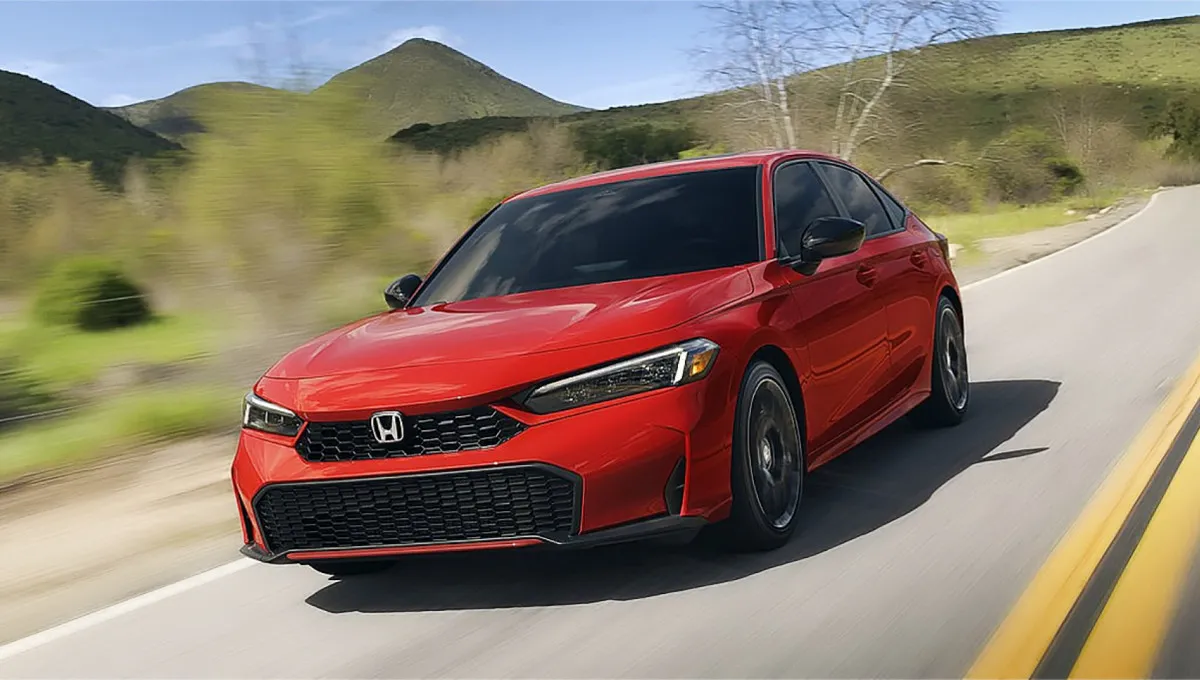
The 2027 Honda Civic Just Got More Premium — And It Still Starts Under $27,000
Honda has updated the Civic for the U.S. market, adding premium features and new driving technology without significantly raising prices.