
Largest U.S. VTOL Test Program Launches Across 26 States With New Routes and Aircraft
Eight projects, 26 states, and dozens of VTOL aircraft could reshape the future of air mobility in the U.S.

The United States is preparing to launch a massive testing program for VTOL aircraft—electric vehicles capable of vertical takeoff and landing. The initiative will involve major aerospace companies and transportation agencies, with test operations planned across 26 states. Industry observers say the project could significantly influence the future of urban and regional air mobility.
Federal officials have approved what is being described as the largest testing program of its kind in the country. Beginning this summer, dozens of new VTOL aircraft are expected to take to the skies over multiple states. Engineers, regulators, and local communities will be closely watching how the aircraft perform. For the first time, a project of this scale brings together government agencies and leading companies with the goal of integrating air taxis and cargo drones into everyday transportation networks.

The initiative, known as the eIPP (Electric Innovative Partnerships Program), was launched by the U.S. Department of Transportation together with the Federal Aviation Administration. It reflects growing interest in advanced air mobility solutions for cities and regional routes. More than 30 proposals were submitted for the program, and eight projects were selected. The evaluation process looked not only at the maturity of each technology but also at its potential to shape future standards for safety, certification, and industry regulation.
Companies selected for the program include Archer, BETA Technologies, Electra, Joby Aviation, Wisk Aero, Elroy Air, Ampaire, and Reliable Robotics. Each participant is bringing a different concept to the program—from passenger air taxis to cargo delivery aircraft and even medical transport missions.
In the Northeast, aircraft from Archer, BETA, Electra, and Joby will be tested in New York and New England under the coordination of the Port Authority of New York and New Jersey. In Texas, the state’s Department of Transportation will support test flights between Dallas, Austin, San Antonio, and Houston, involving aircraft from Archer, BETA, Joby, and Wisk.

Regional connectivity is another key focus of the program. In Pennsylvania and 12 other states, projects from BETA and Electra are being integrated into the Essential Air Service initiative, which aims to maintain transportation access for smaller communities. In Louisiana, Texas, and Mississippi, the aircraft will be used to transport cargo and personnel to energy industry facilities. Meanwhile, Florida will host tests involving passenger operations, automated flight systems, and medical transport missions.
In North Carolina, BETA and Joby plan to focus on regional passenger routes, while in Albuquerque, New Mexico, Reliable Robotics will work on deploying autonomous aviation systems designed to improve both safety and accessibility in air travel.
The program’s diversity extends beyond geography to the aircraft themselves. Archer will test its Midnight eVTOL aircraft, Joby will fly its own electric air taxi design, BETA will operate the ALIA, Electra will test the EL9, Wisk will bring its Generation 6 autonomous aircraft, and Elroy Air plans to deploy the Chaparral cargo drone. Ampaire has not yet revealed details about its specific aircraft, while Reliable Robotics is focusing primarily on automation technology rather than a new aircraft platform.
Experts say the program could set important benchmarks for the global electric aviation industry. The way the U.S. integrates air taxis and cargo drones into existing infrastructure may serve as a model for other countries developing similar systems.
Over the coming months, residents across 26 states may see these aircraft in action as testing begins. For manufacturers, the program offers a chance to demonstrate the safety and reliability of their technologies. For regulators, it provides valuable data on how quickly advanced aviation systems could become part of everyday transportation.
The road—or rather the sky—ahead will likely include both breakthroughs and setbacks. But projects like this are often what push new transportation technologies from concept to reality.
You may also be interested in the news:

The 1957 Dodge: How “Autodynamics” Shaped One of Detroit’s Boldest Designs
The 1957 Dodge Looked Like a Dream Car, but Its Biggest Flaw Was Hiding Beneath the Surface.

The 1937 Ford Was a Quality Car at an Affordable Price — Here’s What Made It Stand Out
The 1937 Ford featured several major changes and improvements. Let’s take a closer look.
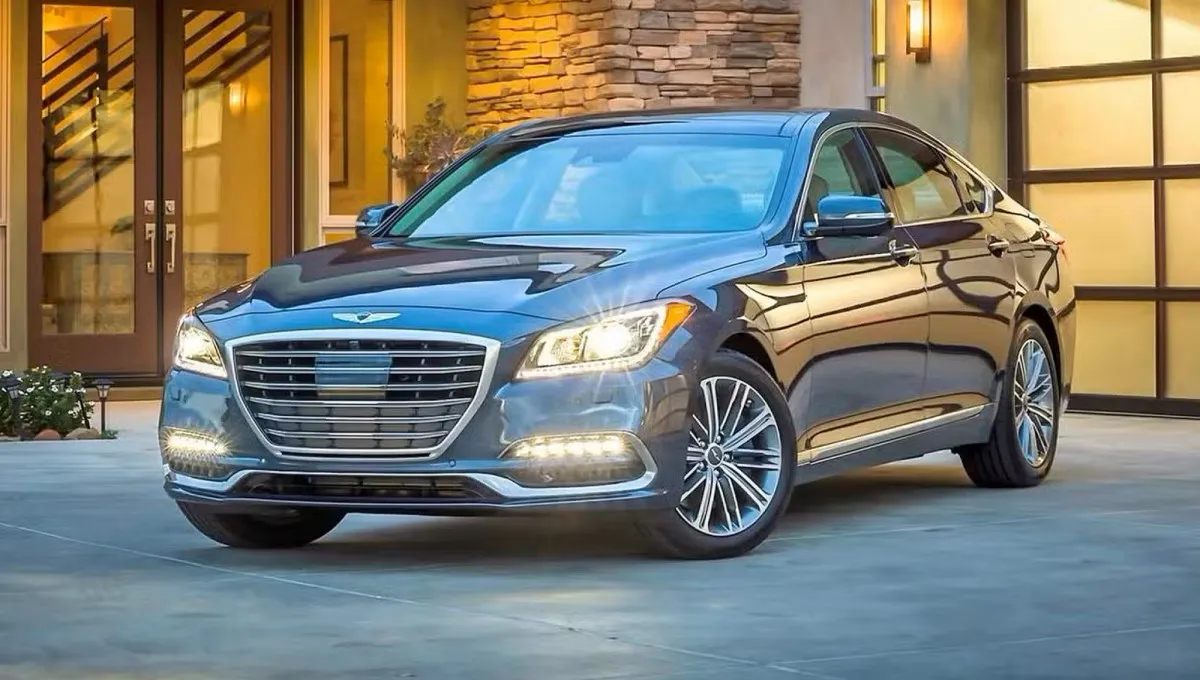
Hyundai Recalls Nearly 95,000 Genesis Sedans Over Fire Risk From Power Seats
Hyundai is recalling 94,622 Genesis sedans after a faulty power seat switch was linked to overheating and potential vehicle fires.
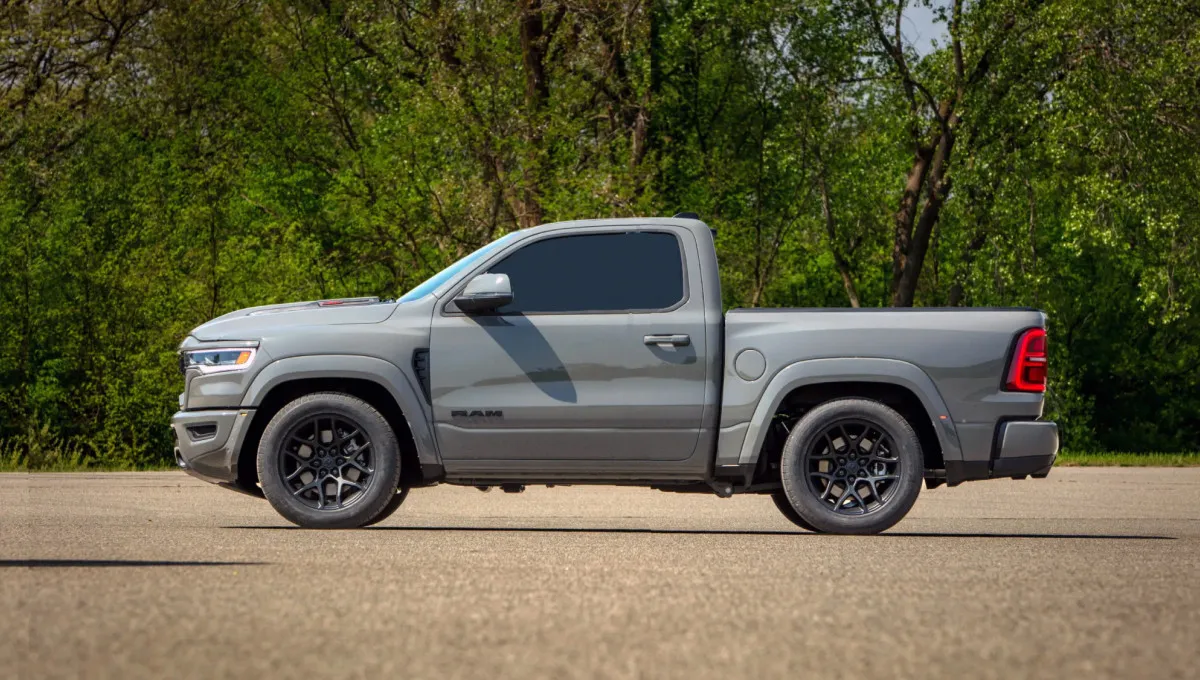
2027 Ram 1500 Rumble Bee: Pricing, Options and How to Build Yours
The 777-HP Ram Rumble Bee Is Coming — But You Can Buy the New Hemi Truck Now
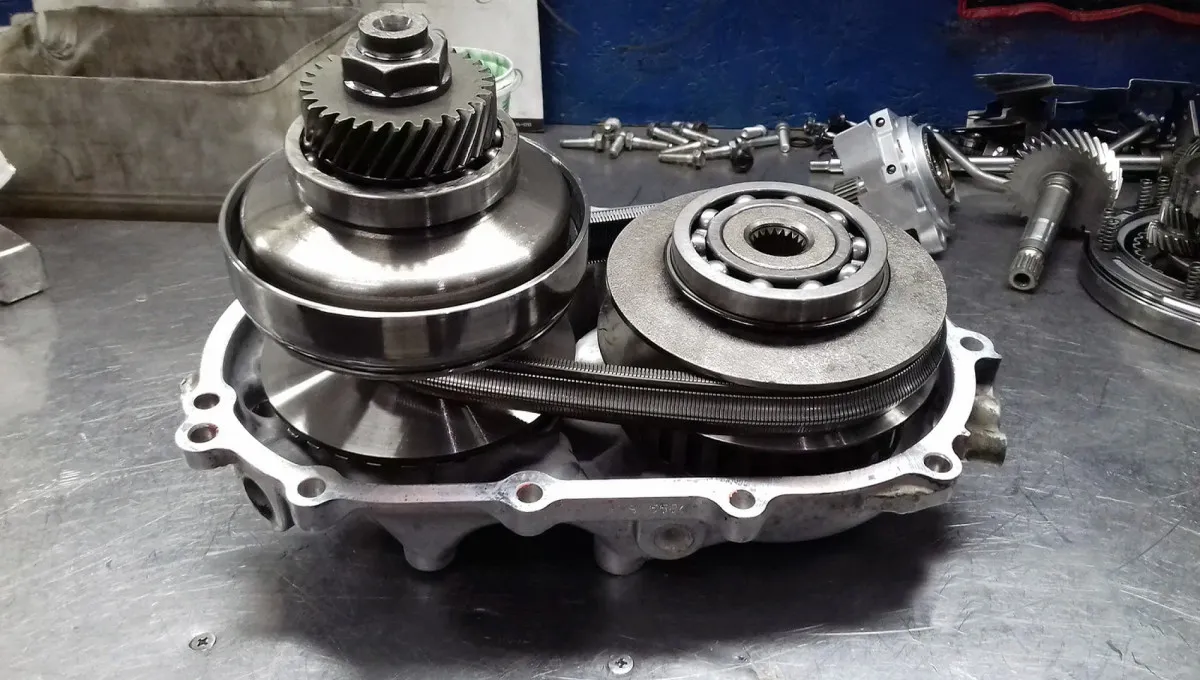
Why Experienced Drivers Still Warn Against Buying a Used Car With a CVT
CVTs offer smooth acceleration and good fuel economy, but expensive repairs and durability concerns make used models risky.