
Steering Wheel-Free Tesla Cybercab Drops Wireless Charging: What Replaced It
A new leak reveals key Tesla Cybercab changes, including charging updates and improved accessibility features.
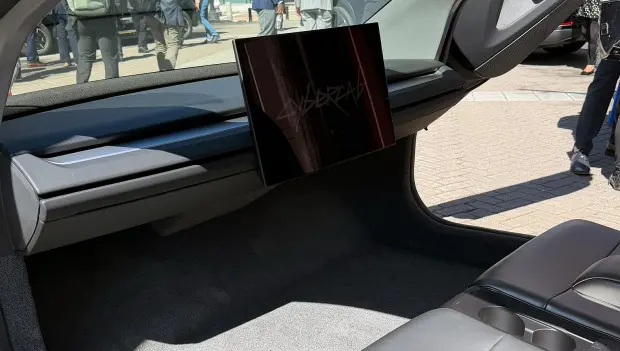
On March 19, a notable leak surfaced online. A few days earlier, on March 14, X user Josh West shared details outlining several key updates to the production version of the Tesla Cybercab. These aren’t cosmetic tweaks—they focus on practical changes, including charging and accessibility.
New photos of a test vehicle suggest that Tesla may have backed away, at least for now, from the idea of wireless charging. In its place, the Cybercab features a standard NACS charging port, complete with a sealing ring around the connector. To help control costs and avoid expensive repairs down the line, Tesla also ditched the powered charge port door—it now opens and closes manually.
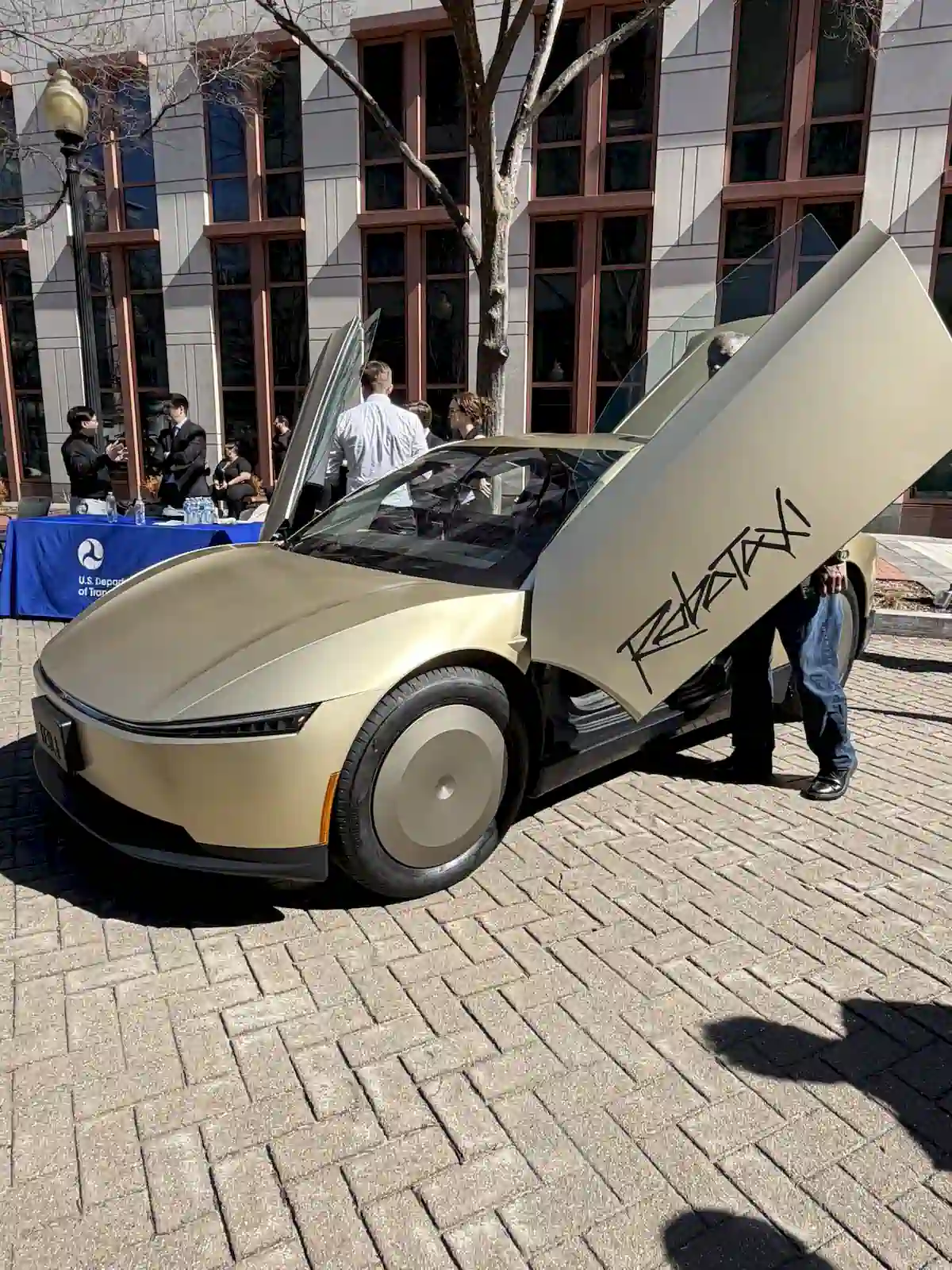
To support its fully autonomous system—one that operates without a steering wheel or pedals—the Cybercab has been upgraded with a larger front-facing camera, a high-pressure cleaning system for all exterior cameras, and a new interior camera. That interior unit is reportedly designed to detect items left behind in the vehicle.
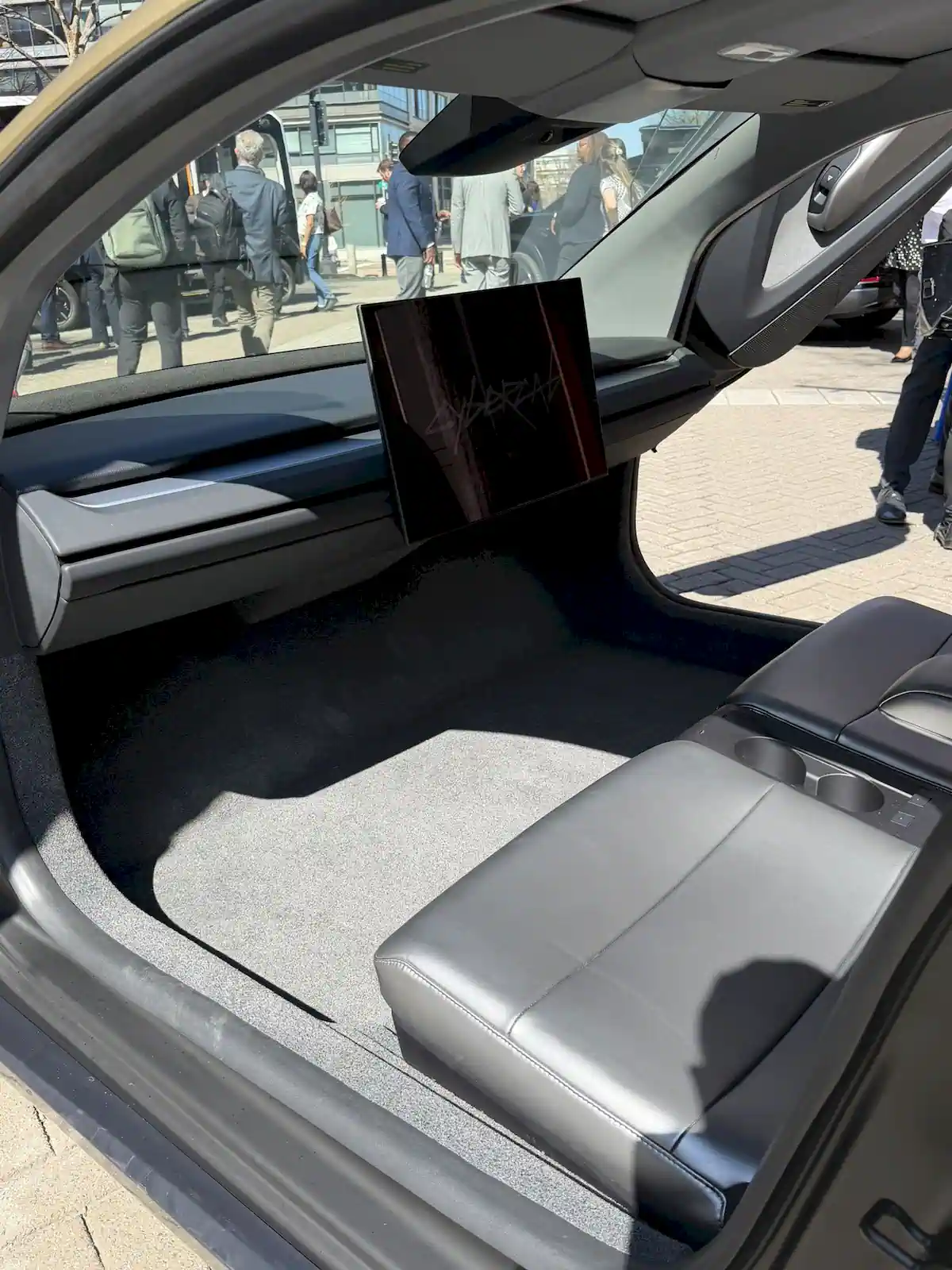
Accessibility appears to be a major focus as well. According to the leak, Tesla’s engineering team confirmed that seat height has been specifically set to match standard wheelchair height. Combined with butterfly-style doors, this setup allows passengers to roll up close and transfer sideways into the cabin.
Inside, nearly all controls are handled through a large 21-inch touchscreen. Physical buttons are kept to a minimum—just door controls, window switches, and a hazard light button that also doubles as an emergency stop.
By 2026, the robotaxi market has become highly competitive. Tesla continues to push its vision-based, end-to-end autonomy approach, while many rivals rely on a broader sensor suite that combines lidar, radar, and cameras.
In the U.S., Waymo currently leads the space. Its sixth-generation hardware platform has become significantly more cost-efficient, and the company aims to reach 1 million paid rides per week by the end of the year. Meanwhile, Zoox—owned by Amazon—is taking a different approach, preparing to launch a bidirectional, steering wheel-free robotaxi on the Uber platform as early as this summer.
You may also be interested in the news:
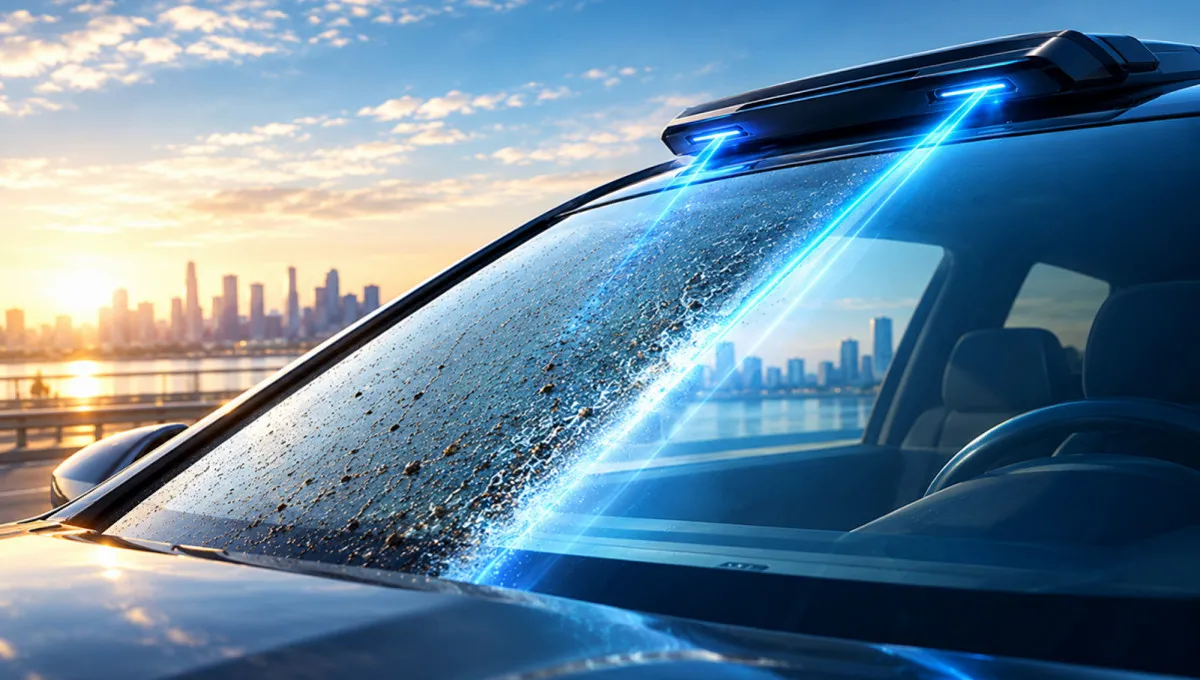
Tesla Patents Laser Windshield Wipers Again in 2026
Tesla is once again pursuing laser windshield cleaning, but the technology raises serious questions about cost, reliability and safety.
Hyundai Delays Nvidia-Based Automated Driving System
Hyundai Motor Group has pushed back the rollout of its own driver-assistance system to the end of 2029.
Tesla Will Unveil the Roadster on October 2. Teaser Hints at SpaceX Thrusters
Tesla has officially confirmed that the long-awaited second-generation 2026 Roadster will finally be unveiled on October 2.
She Thought Her Tesla Was Acting Strange. ‘I’m in Your Car’: Man Used a Tesla App to Harass His Ex
A man remotely controlled his ex-partner’s Tesla, changed its settings, and restricted how fast she could drive.

Elon Musk’s 2025 Tesla Pay Could Buy Nearly 10% of Bitcoin’s Maximum Supply
Elon Musk’s 2025 Tesla compensation could have bought nearly 10% of Bitcoin’s maximum supply at May’s price.