
What Drivers Should Never Do When Car Windows Fog Up
Foggy car windows reduce visibility fast, but many drivers unknowingly make the situation worse.

It’s a situation almost every driver recognizes. You get into the car, start driving, and suddenly the windows begin to fog up. Many people treat it as a minor inconvenience, but it can quickly become a serious safety issue. When glass fogs over, visibility drops sharply, making it harder to read the road and increasing the risk of mistakes while driving.
Most drivers react out of habit. Some wipe the glass with their hand, which usually leaves blurry streaks that make visibility even worse. Others crack a window, hoping fresh air will solve the problem. While that can help briefly, the fog often returns within minutes. The reason is simple: these quick fixes don’t address the underlying cause — excess moisture inside the cabin.

A much more effective solution is already built into the vehicle. The ventilation system and air conditioning are specifically designed to deal with situations like this. Even in winter, the air conditioner can help clear foggy windows. Its main job isn’t just cooling the cabin but also removing moisture from the air.
The process is straightforward. Air passes through a cold component inside the system, causing moisture to condense and collect on its surface. The same principle can be seen at home when a cold bottle taken from the refrigerator quickly forms water droplets on its surface.
To clear the windows quickly, the sequence matters. First, turn on the air conditioner. Then direct airflow toward the windshield and the front side windows. In a short time, the glass should become clear again.
For the rear window and side mirrors, the built-in heating elements are usually the fastest way to remove condensation. They warm the glass and evaporate moisture much more effectively than wiping it manually.
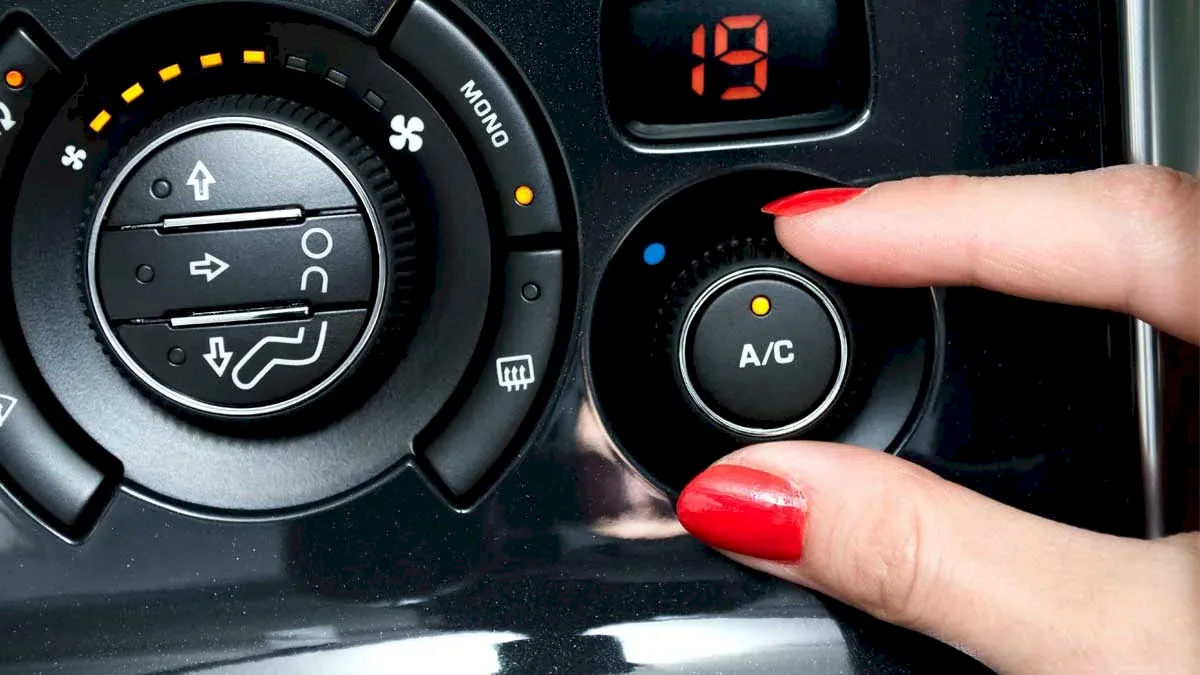
There is also a common mistake drivers should avoid. When windows are fogging up, do not activate the air recirculation mode. In that setting, fresh air from outside is blocked, allowing humidity inside the cabin to build up. The result is predictable — condensation increases and the windows fog even more.
This can even happen during relatively dry or mild weather if moisture has already accumulated inside the vehicle. Using the ventilation system properly is the fastest and safest way to restore clear visibility while driving.
You may also be interested in the news:
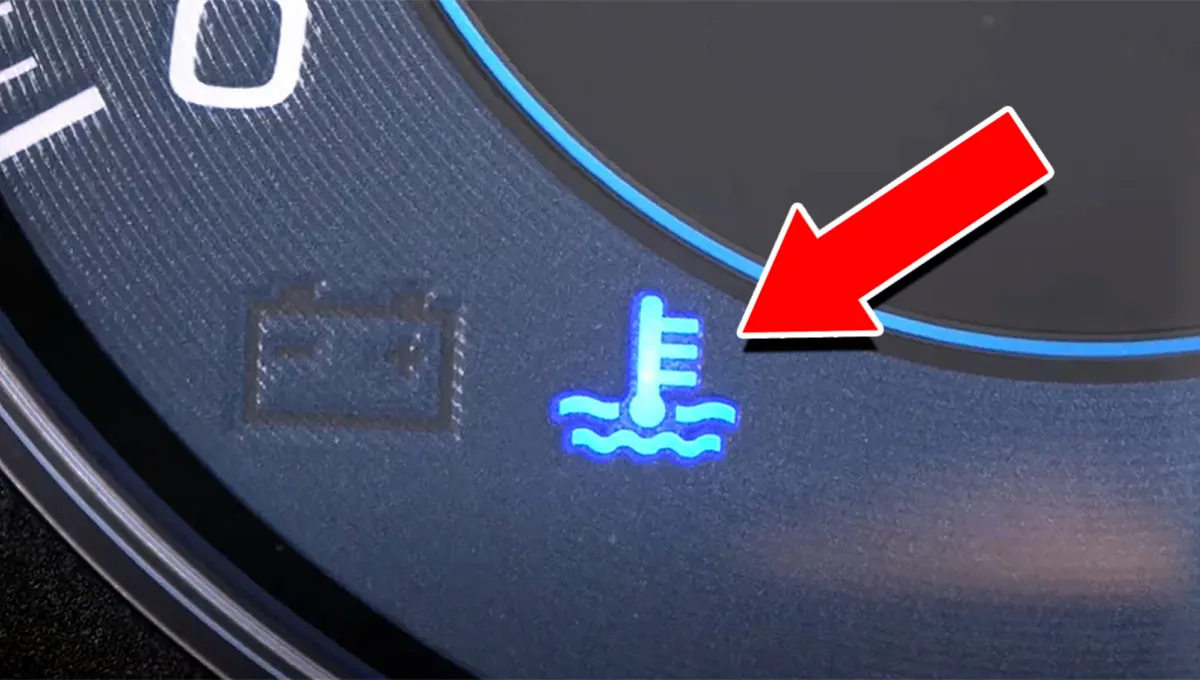
These 7 Dashboard Warning Lights Could Leave You Stranded—Here’s What They Really Mean
These dashboard warning lights can signal serious problems, from low oil pressure to overheating or brake trouble.

Five Used Mercedes-Benz Models That Deserve Extra Scrutiny Before You Buy
These five used Mercedes-Benz models have reported issues that could turn an attractive bargain into an expensive ownership headache.
These 10 Used Family Cars Could Save You From Buying the Wrong SUV or Minivan
Shopping for a used family vehicle? These 10 SUVs and minivans offer the practicality American families need every day.

That Little Auto Hold Button Could Make Your Daily Commute a Lot Less Annoying
That little Auto Hold button can take the strain out of stop-and-go traffic, steep hills, and everyday city driving.

He Traded His F-150 for a Loaded Ram 1500—Then the Door Sticker Revealed Just 782 Pounds of Payload
2026 Ram 1500 Limited Buyer Trades His F-150 and Finds Only 782 Pounds of Payload