
Lucid Gravity Robotaxis Secure California Testing Permits as Tesla Still Waits on the Sidelines
California regulators cleared Lucid Gravity robotaxis for expanded testing ahead of planned commercial launches later this year.
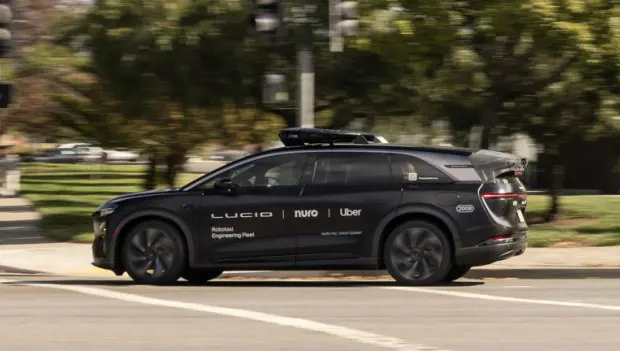
Lucid’s robotaxi ambitions just received a major boost after autonomous driving company Nuro secured two important California permits that move the Lucid Gravity closer to commercial driverless ride-hailing service.
Nuro, which has partnered with Lucid and Uber to develop a fleet of autonomous Gravity SUVs, confirmed Friday that it obtained approval from the California Public Utilities Commission (CPUC) to begin testing robotaxis with passengers onboard while using a human safety monitor.
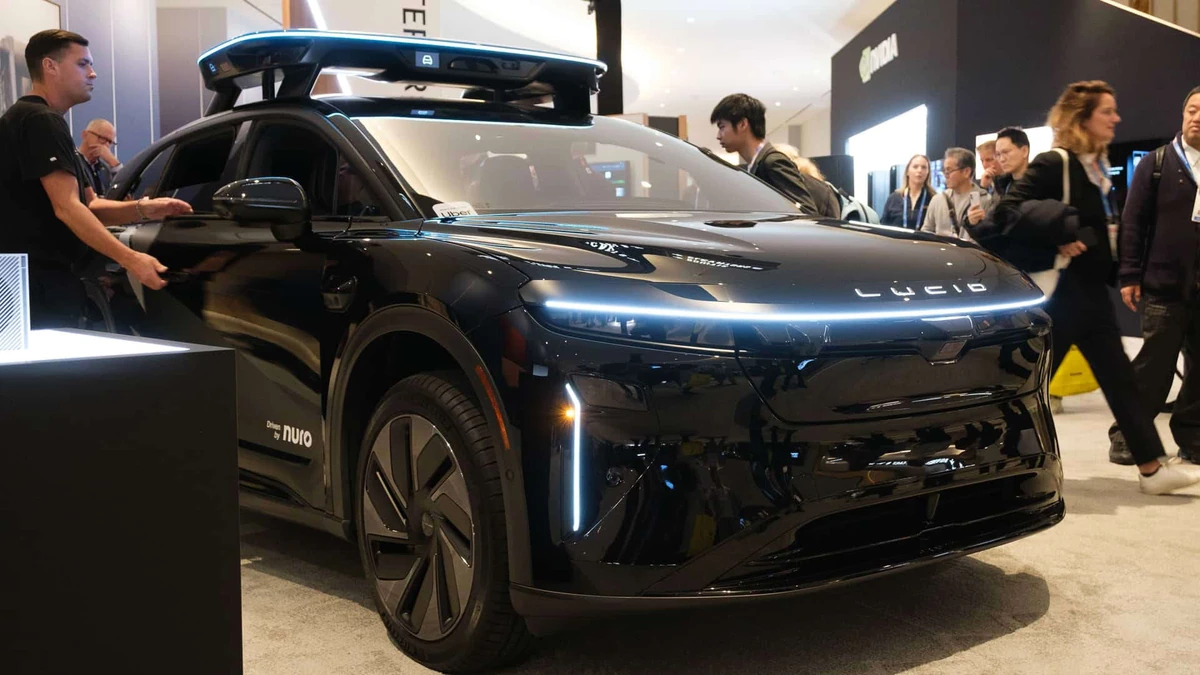
The company had already received another key authorization earlier this spring from the California Department of Motor Vehicles. That permit allows Nuro to conduct fully driverless public-road testing without a safety driver inside the vehicle.
For now, however, the company still cannot charge passengers for rides.
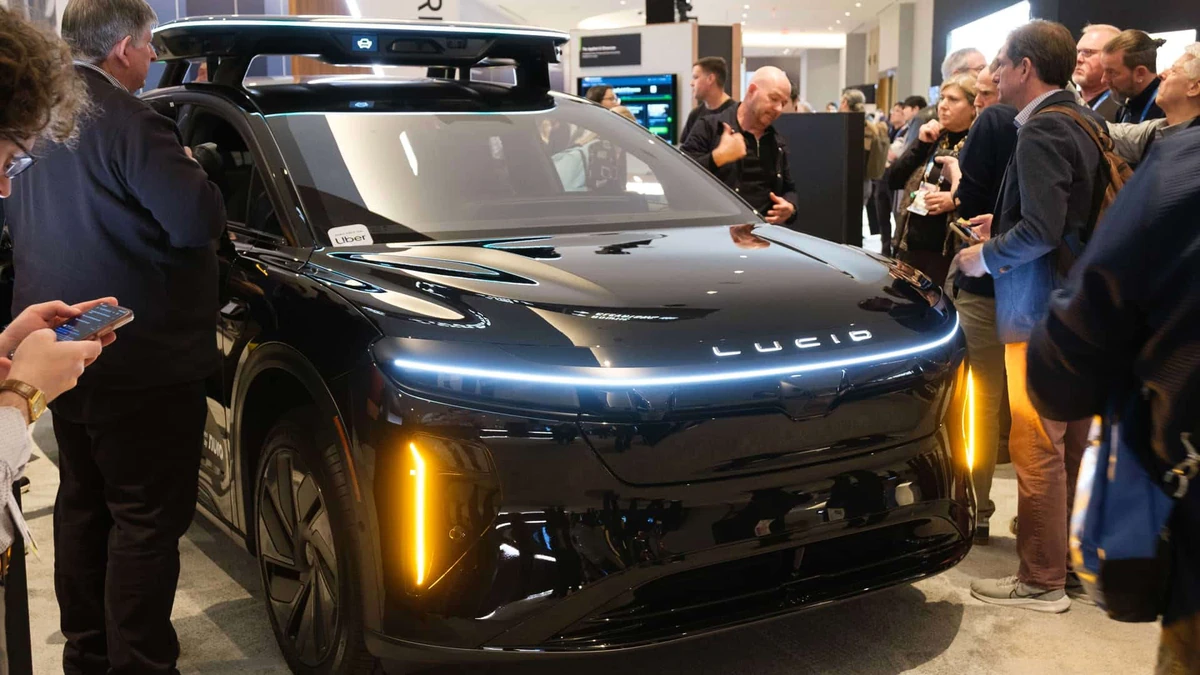
The approvals represent a significant milestone in the increasingly competitive robotaxi race currently unfolding across the auto industry. Automakers and tech companies continue investing billions into autonomous driving systems, arguing the technology could eventually reduce crashes caused by human error and dramatically reshape urban transportation.
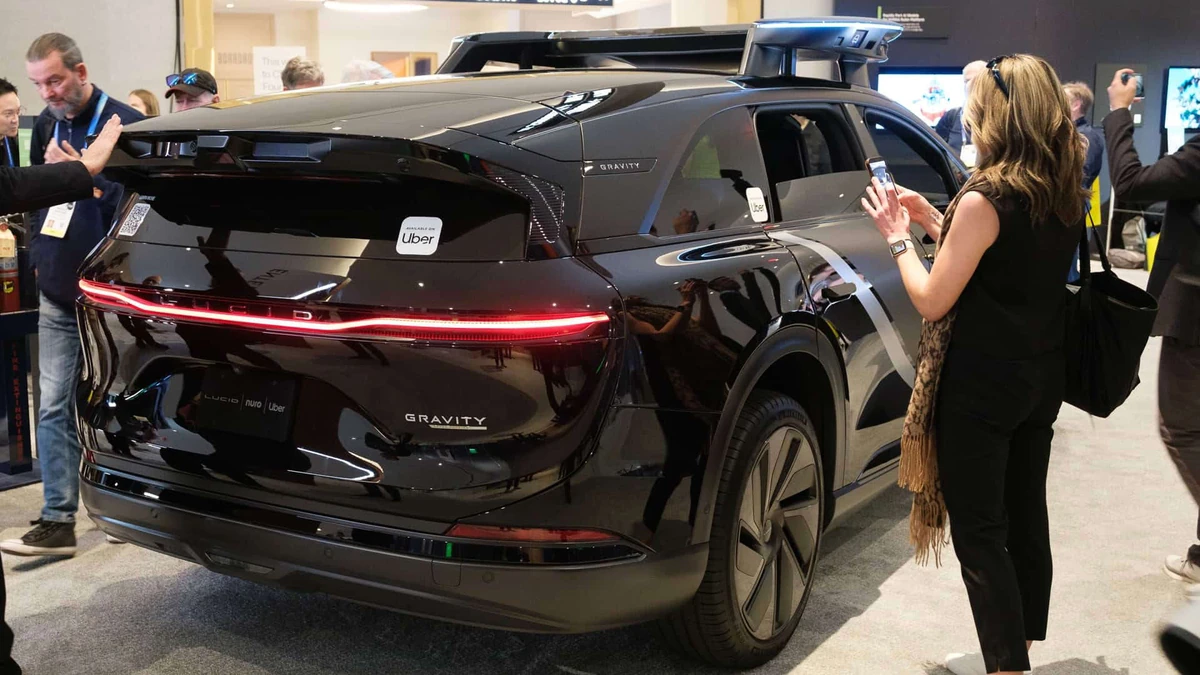
California remains one of the most important testing grounds for self-driving vehicles because of its strict regulatory process and complex real-world driving conditions. Companies that successfully navigate the state’s permit system gain valuable opportunities to collect driving data, improve software performance, and solve operational problems before wider deployment begins.
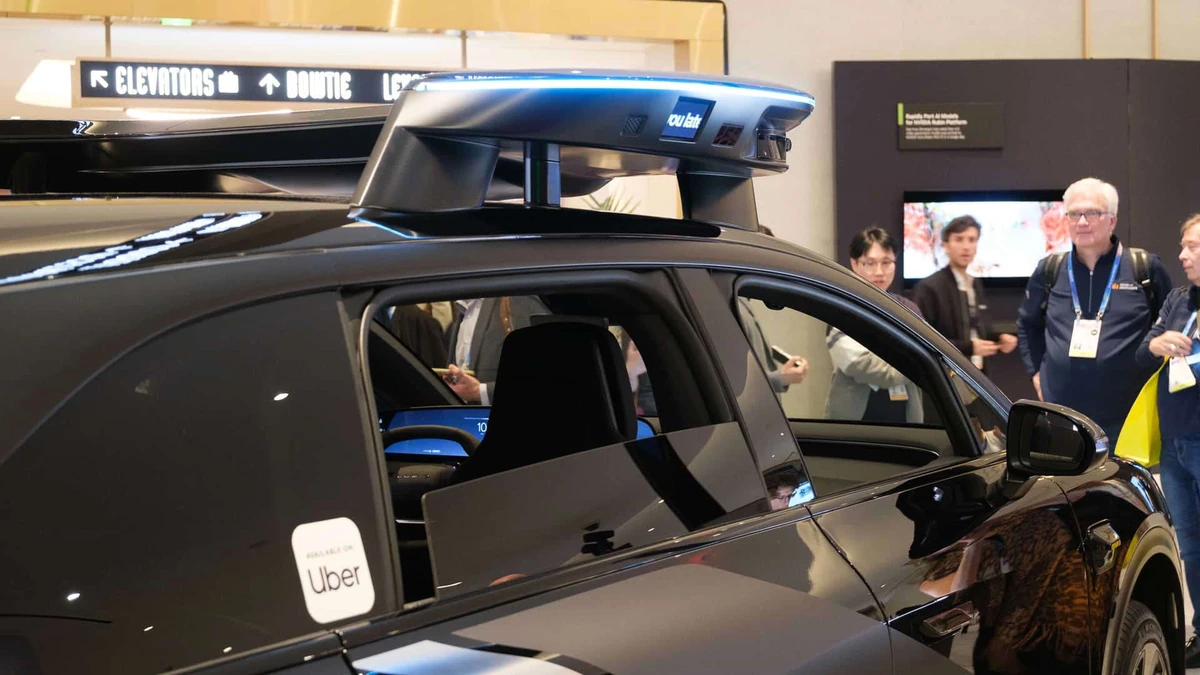
According to California DMV records, Nuro’s permits currently allow testing of the Lucid Gravity robotaxis in Santa Clara and San Mateo counties.
The authorization includes operation on both dry and wet pavement, as well as driving in light rain and light-to-moderate fog. Testing speeds are currently capped at 45 mph.
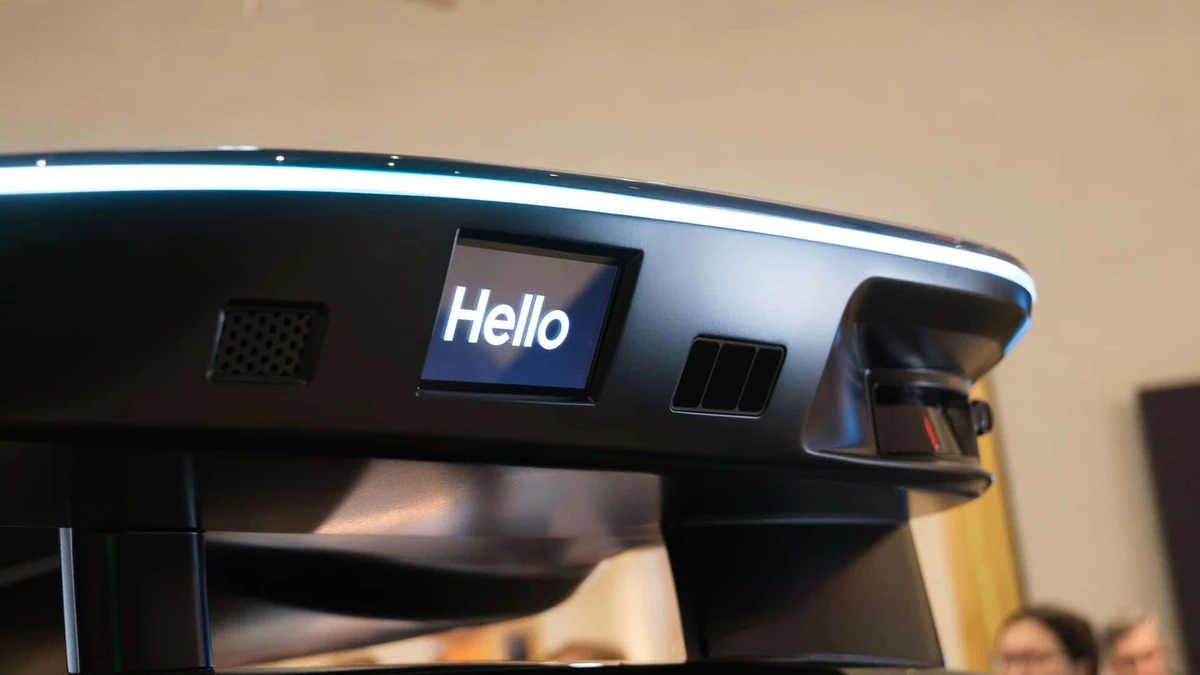
That flexibility gives the company room to gather data in a wider range of real-world driving environments instead of relying solely on perfect weather conditions.
The Lucid Gravity robotaxis will now join several other autonomous vehicle programs already operating across California. Competitors include Amazon-backed Zoox and Chinese autonomous driving company WeRide, which already operates commercial robotaxi services in parts of China and the Middle East.
The development is also likely to increase pressure on Tesla, which has spent years promoting its Full Self-Driving technology but reportedly has not yet applied for some of the California permits required for similar commercial robotaxi operations.
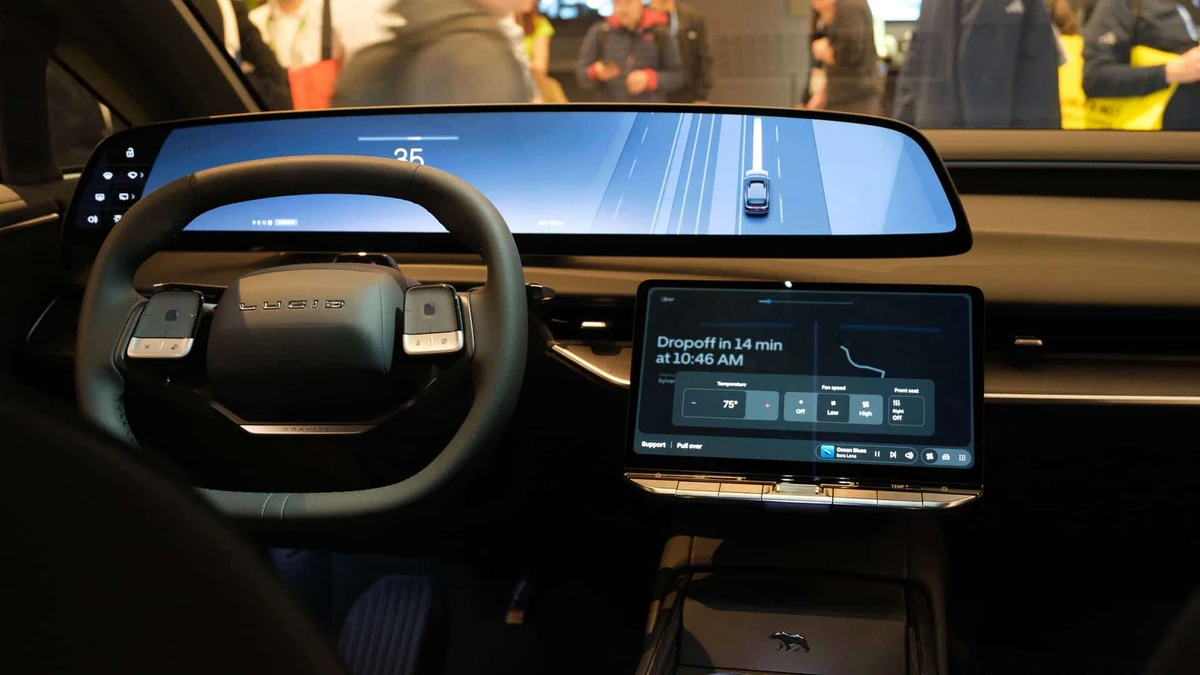
Nuro’s rapid progress highlights how quickly newer partnerships are advancing while some larger automakers continue navigating regulatory and techncal hurdles.
Uber’s involvement could also become a major advantage. The ride-hailing giant already has a massive existing customer base and infrastructure network that could help accelerate deployment once autonomous ride approvals finally arrive.
For Lucid, the move represents another attempt to expand beyond simply building luxury EVs and become part of the rapidly evolving autonomous transportation market. The company has struggled with production challenges and financial pressure in recent years, making future robotaxi opportunities potentially very important for its long-term business strategy.
Commercial launches may still be months away, but California’s latest approvals suggest the Gravity robotaxi project is now moving much faster than many expected just a year ago.
You may also be interested in the news:
Hyundai Delays Nvidia-Based Automated Driving System
Hyundai Motor Group has pushed back the rollout of its own driver-assistance system to the end of 2029.
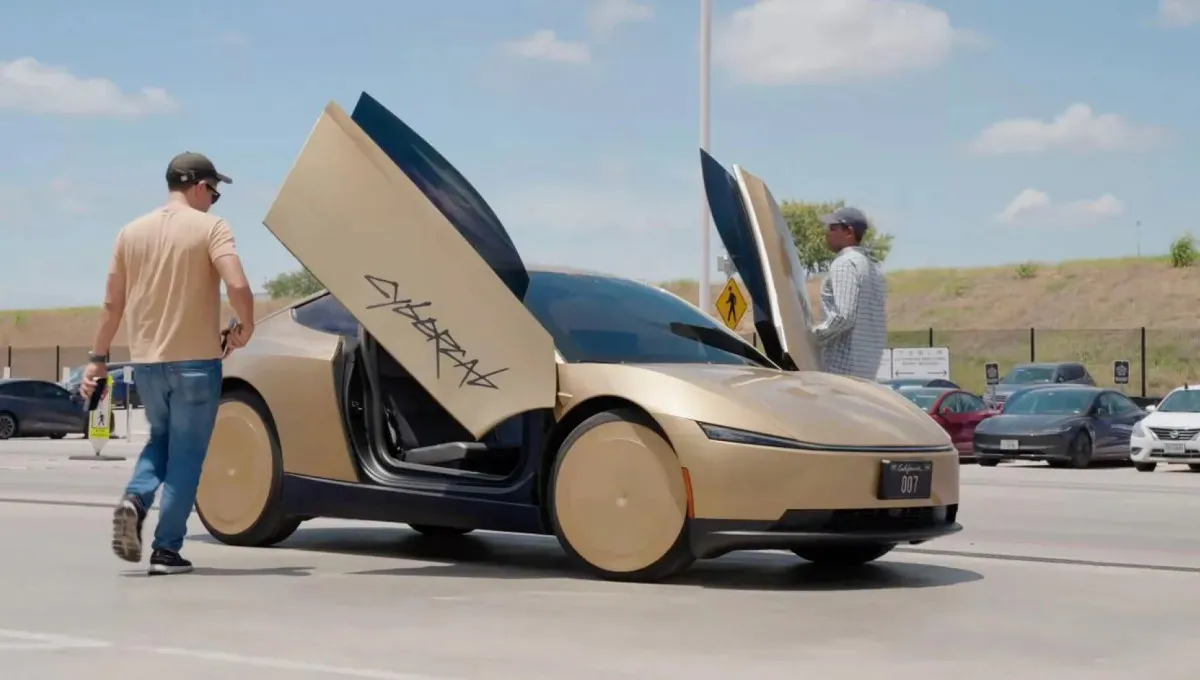
Tesla Has Expanded Its Robotaxi Fleet Sevenfold in Three Weeks — Cybercab Is Already on the Way
The number of officially registered Tesla Cybercabs in Texas has risen from 7 to 45 in just a few days, while the existing Robotaxi service using Model Y vehicles is already operating in Austin, Dallas, and Houston without a safety operator. According to Tesla's head of autonomous driving, Ashok Elluswamy, the fleet has covered more than 380,000 miles without any serious incidents.
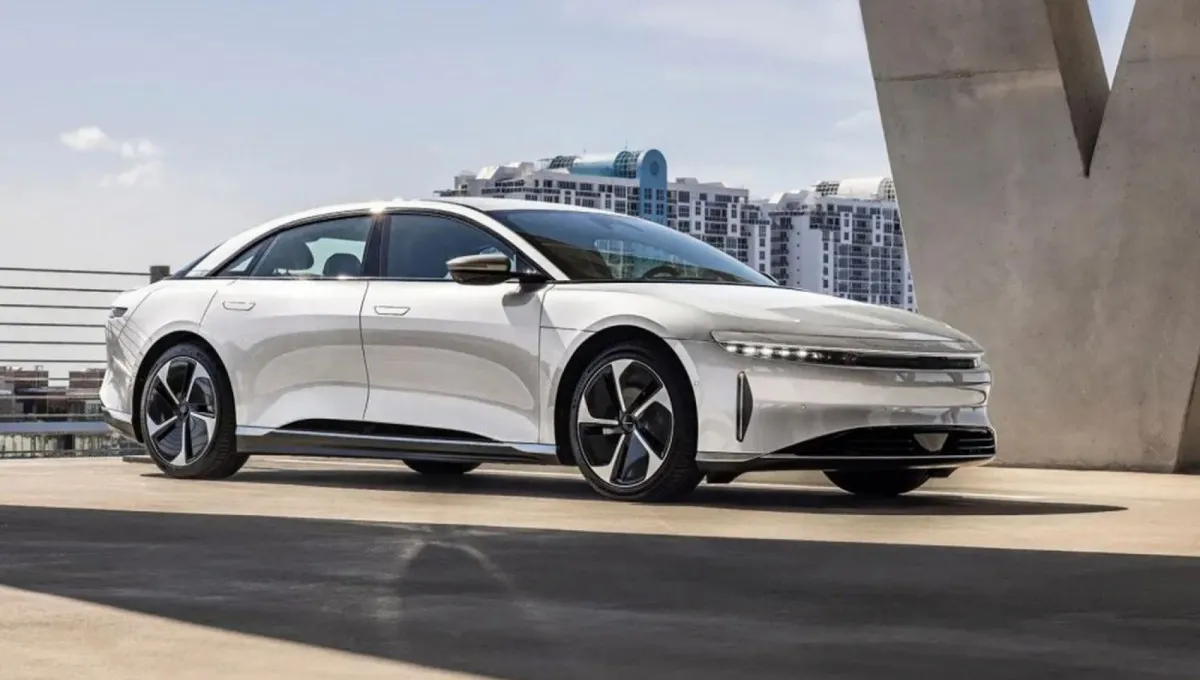
27,000 Lucid Air Sedans Recalled in the U.S. Over Electrical Fire Risk
The massive recall involves a fire risk caused by overheating in the exterior lighting circuit.
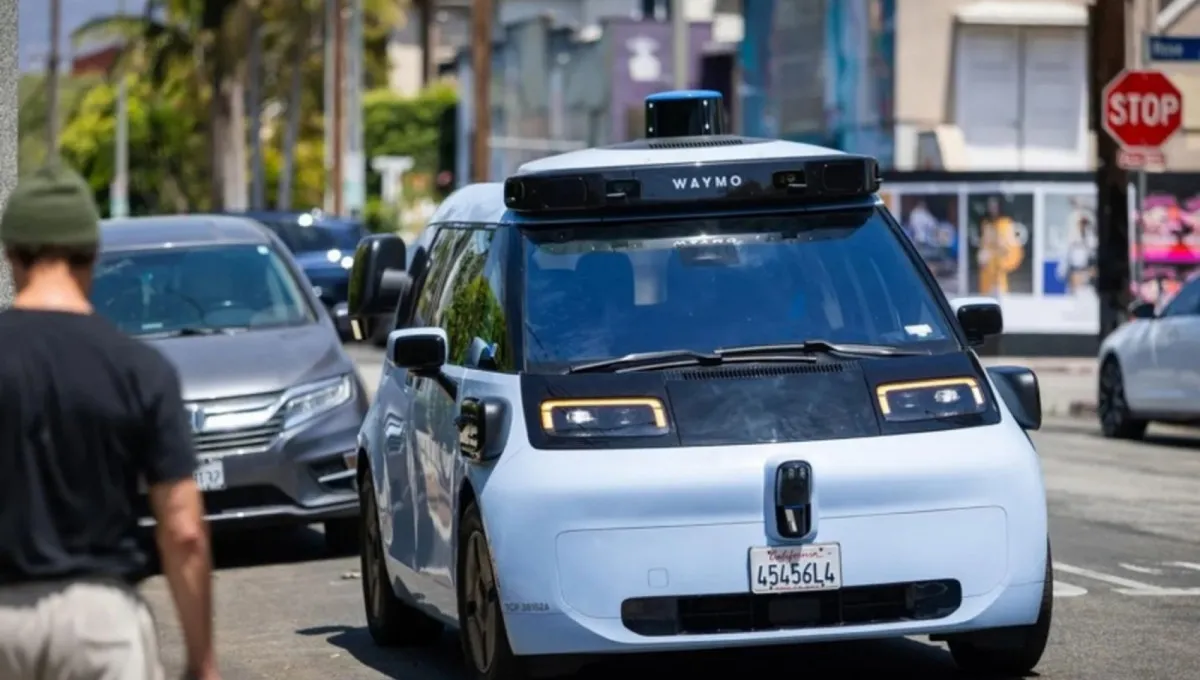
Waymo Has Imported More Than 3,200 Zeekr Robotaxis Into the U.S. Despite 102.5% Tariffs
Waymo has imported more than 3,200 Zeekr-based Ojai robotaxis into the U.S. despite tariffs of 102.5%, with hundreds now undergoing integration.