
No Steering Wheel or Pedals — Lucid Reveals Lunar Two-Seat Autonomous Robotaxi
Lucid unveiled Lunar, a two-seat autonomous robotaxi concept designed for large-scale ride-hailing fleets worldwide.
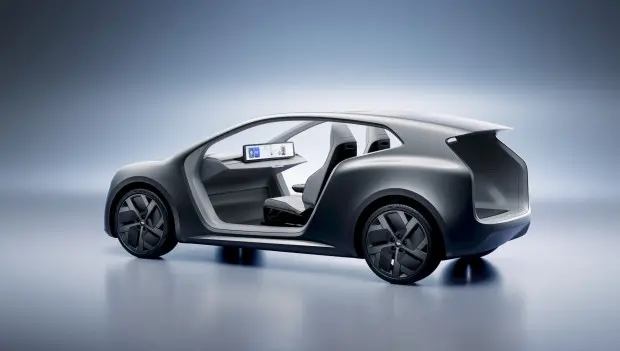
Lucid Motors has introduced a new autonomous vehicle concept called Lunar, a compact two-seat robotaxi designed specifically for ride-hailing services. The company revealed the concept during its investor day event in New York City while outlining broader plans to expand into autonomous transportation and build large robotaxi fleets.
The Lunar concept is a fully autonomous electric vehicle with no steering wheel and no pedals. Instead of being designed for private ownership, the car was developed from the ground up for mobility services, where vehicles operate almost continuously and need to withstand heavy daily use.
Built for Autonomous Fleet Operations
According to Lucid, the design focuses on efficiency and durability. With only two seats and a simplified interior layout, the vehicle is meant to maximize operational uptime and minimize maintenance costs in high-usage fleets.
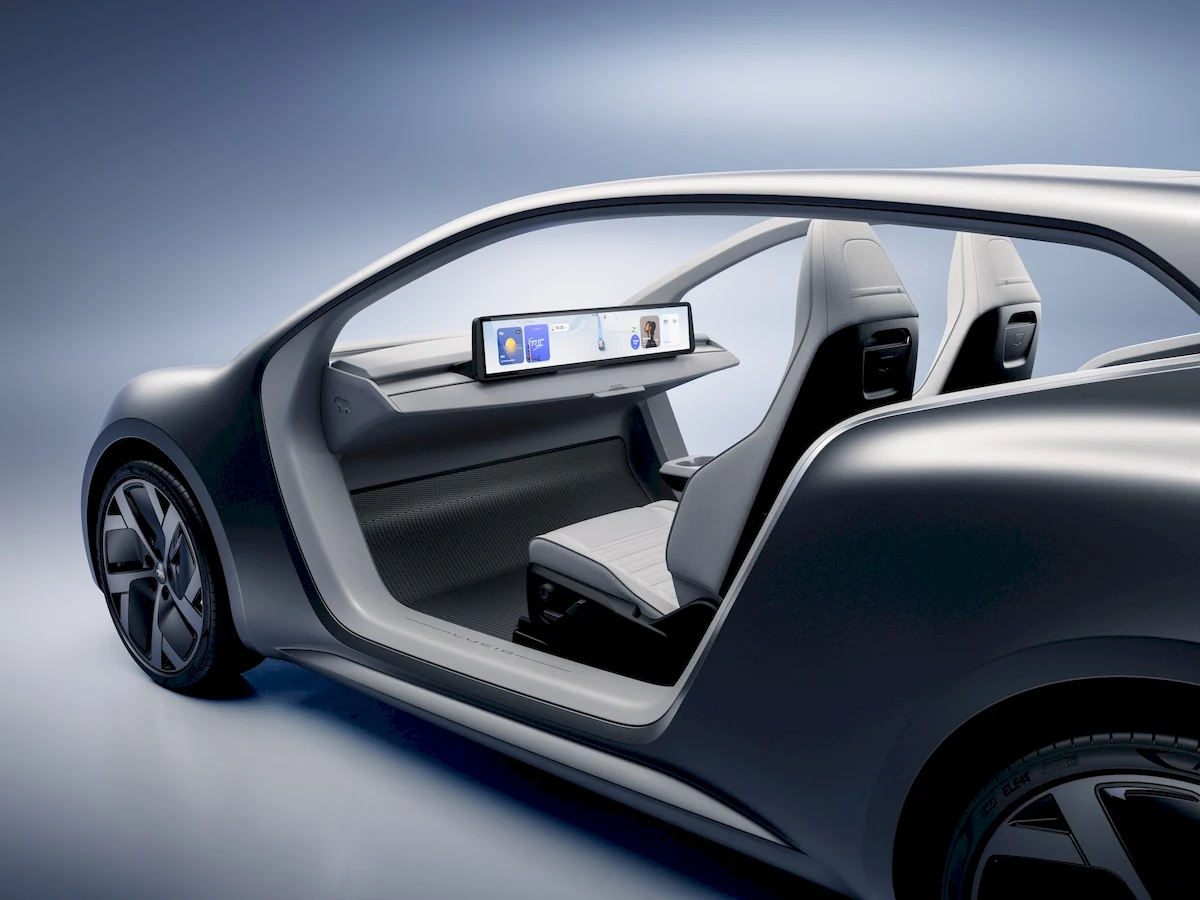
Lunar is based on Lucid’s new Midsize EV platform, which the company plans to use for both consumer electric vehicles and mobility service vehicles. The flexible architecture allows Lucid to adapt its technologies for different types of transportation.
The automaker says the robotaxi concept was created with long-term operating economics in mind. By removing traditional controls and simplifying the cabin, the vehicle becomes easier to maintain and more efficient for fleet operators.
Potential Partnership With Uber
Lucid also revealed that it is currently in discussions with Uber about the potential large-scale use of vehicles built on the new platform.
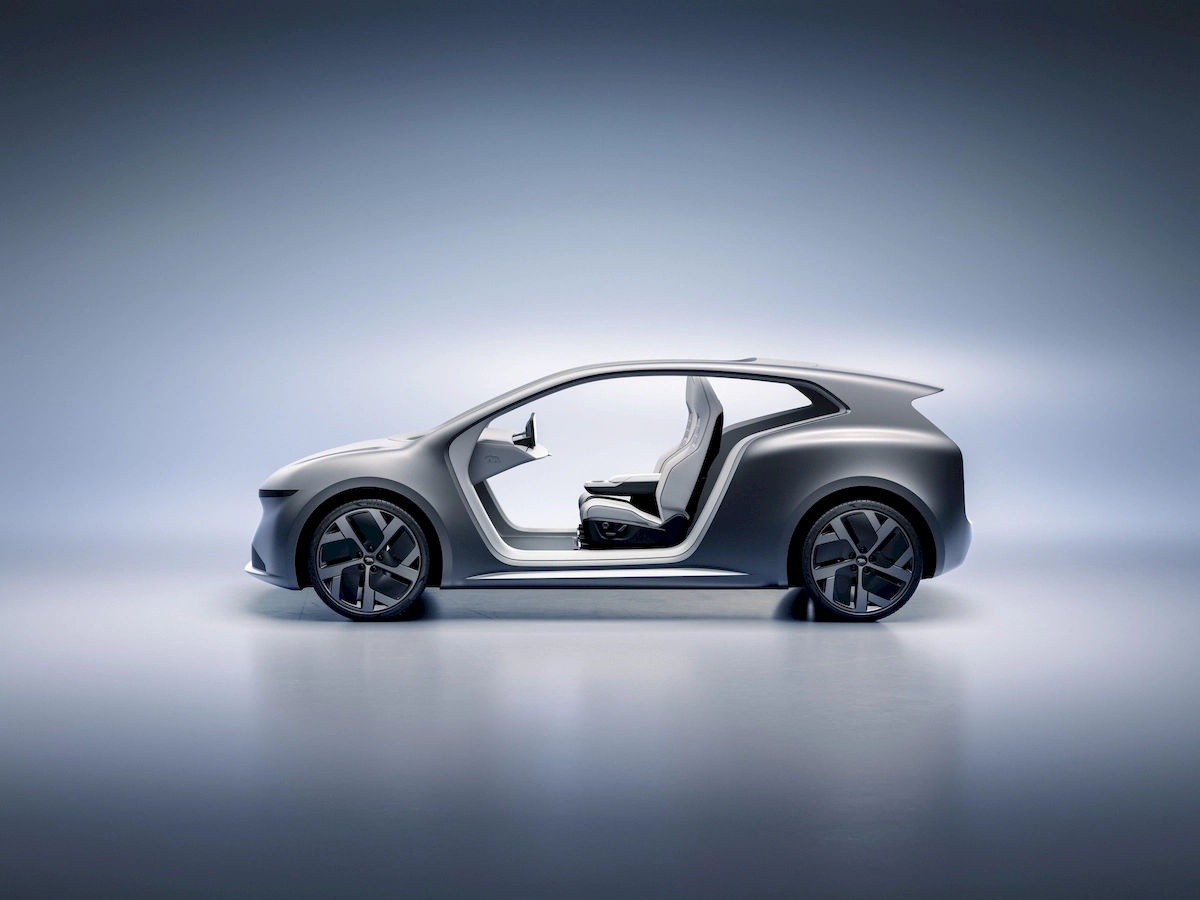
Executives at Uber reportedly see Lucid as a possible strategic partner for rapidly expanding autonomous transportation services around the world. According to the company, Lucid’s focus on energy efficiency and its vehicle architecture—already prepared for advanced driver-assistance and autonomous technologies—makes it an attractive platform for robotaxi networks.
Lucid engineers say their vehicle systems were designed from the start to integrate sensors, computing hardware, and autonomous driving technologies.
New Platform and Future Models
During the same presentation, Lucid also highlighted the Midsize EV platform that will underpin Lunar. The company plans to use the architecture for several upcoming production vehicles.
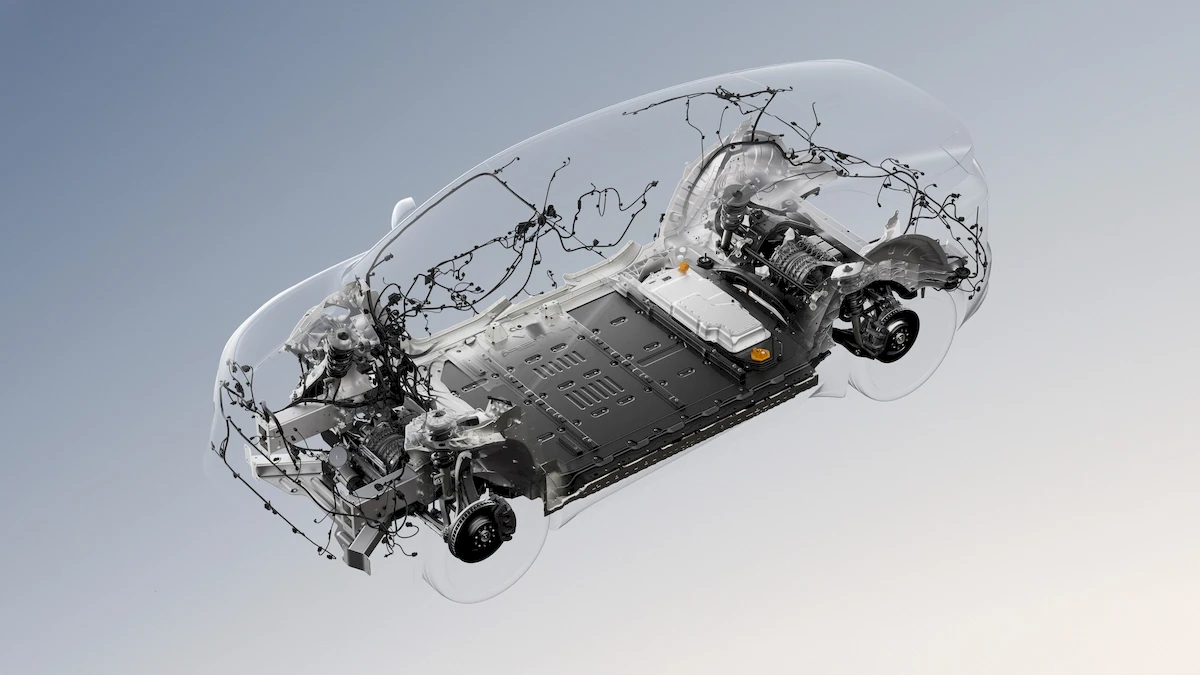
Among them are two consumer-focused crossovers called the Lucid Cosmos and Lucid Earth. A third model is expected to follow later.
Lucid estimates that vehicles built on this platform could start at under $50,000, placing them in a more accessible part of the premium EV market.
New Atlas Electric Drive
The platform will also introduce Lucid’s next-generation electric powertrain called Atlas. Engineers say the new system is smaller, lighter, and easier to manufacture than previous designs.
The company continues to emphasize energy efficiency as its biggest competitive advantage. More efficient vehicles require smaller battery packs, which can significantly reduce production costs.
Software and New Revenue Streams
Interim CEO Marc Winterhoff said Lucid has already demonstrated strong engineering capabilities through its existing vehicles and technologies. The next phase, he explained, will focus on scaling production, improving capital efficiency, and controlling costs.
Lucid also plans to introduce new software-based services. These include an in-car AI assistant and subscription-based autonomous driving features, expected to cost between $69 and $199 per month.
Company leadership believes that combining efficient EV platforms, software revenue, and partnerships in autonomous mobility could help Lucid move toward profitability while expanding its presence in the global transportation market.
You may also be interested in the news:
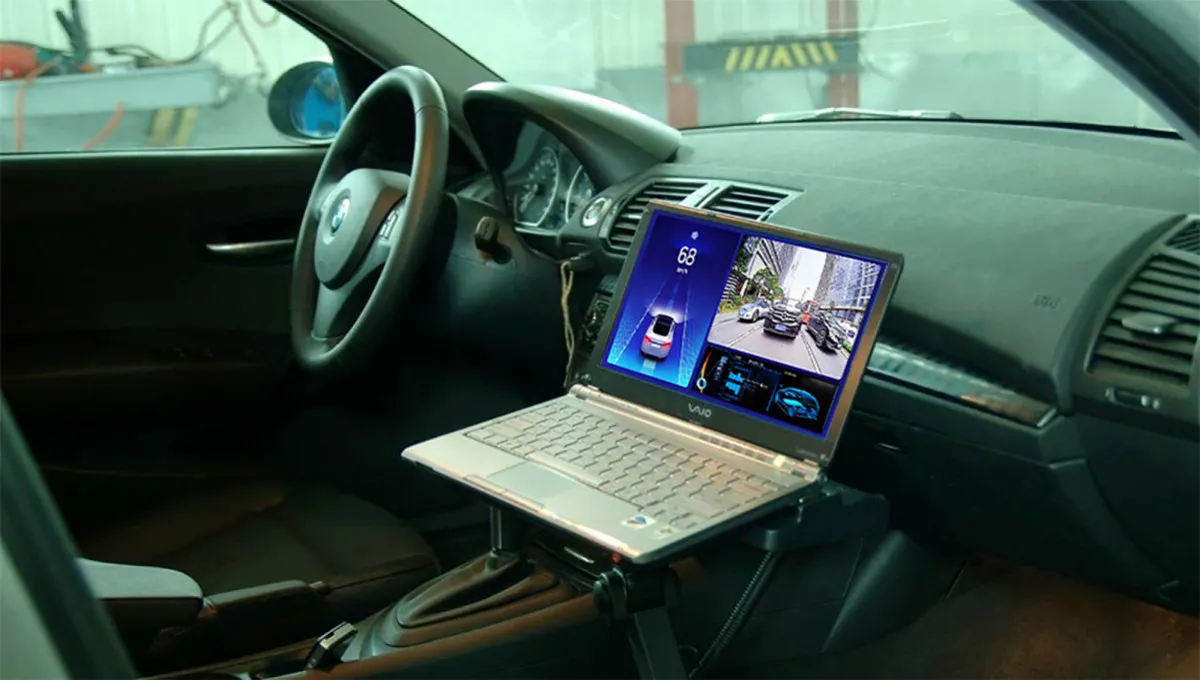
AI Took Over a Real Car. What Happened Next Was a Wake-Up Call
An American engineer handed several AI models control of a real car, and their driving performance fell short of expectations.

Hyundai Delays Nvidia-Based Automated Driving System
Hyundai Motor Group has pushed back the rollout of its own driver-assistance system to the end of 2029.
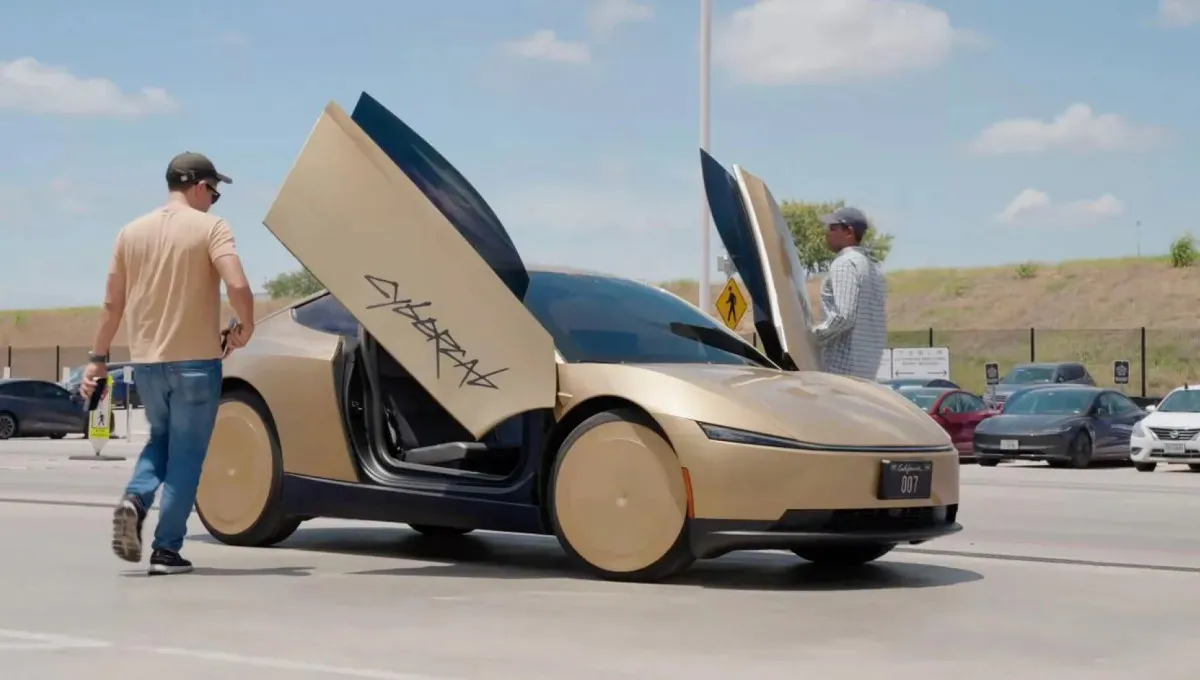
Tesla Has Expanded Its Robotaxi Fleet Sevenfold in Three Weeks — Cybercab Is Already on the Way
The number of officially registered Tesla Cybercabs in Texas has risen from 7 to 45 in just a few days, while the existing Robotaxi service using Model Y vehicles is already operating in Austin, Dallas, and Houston without a safety operator. According to Tesla's head of autonomous driving, Ashok Elluswamy, the fleet has covered more than 380,000 miles without any serious incidents.
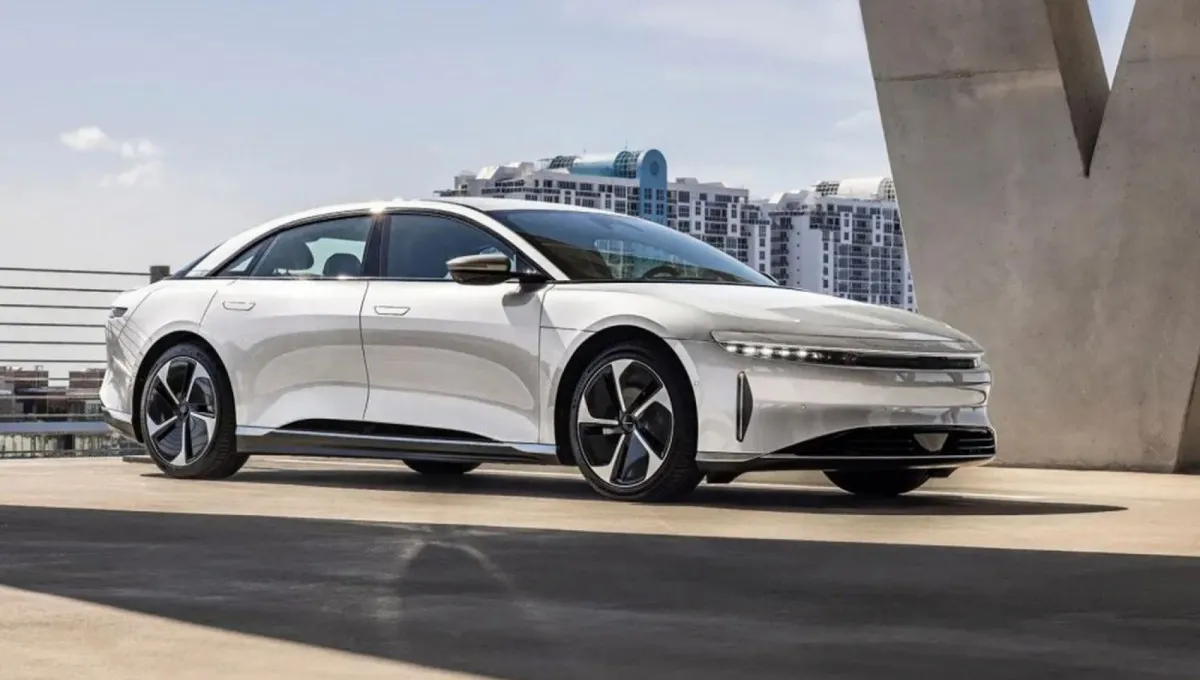
27,000 Lucid Air Sedans Recalled in the U.S. Over Electrical Fire Risk
The massive recall involves a fire risk caused by overheating in the exterior lighting circuit.
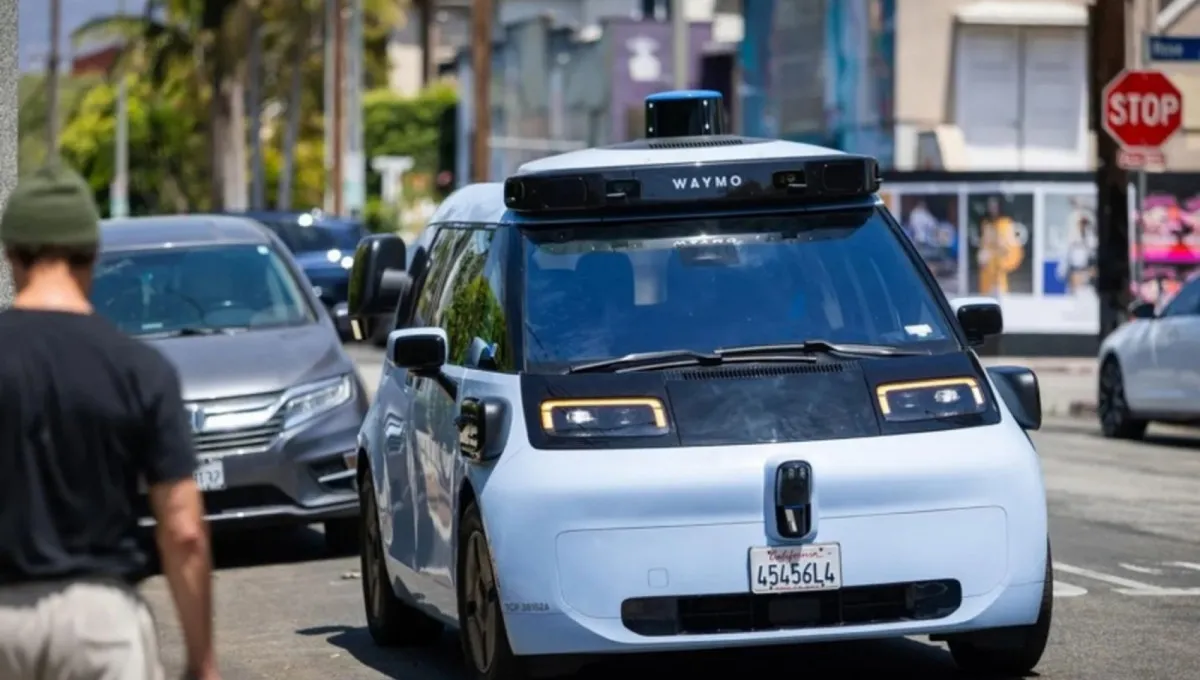
Waymo Has Imported More Than 3,200 Zeekr Robotaxis Into the U.S. Despite 102.5% Tariffs
Waymo has imported more than 3,200 Zeekr-based Ojai robotaxis into the U.S. despite tariffs of 102.5%, with hundreds now undergoing integration.