
How to Loosen a Seized Nut or Bolt: 5 Tricks Professional Mechanics Use
Rusted bolts and frozen nuts can frustrate any DIY mechanic, but pros have reliable solutions.
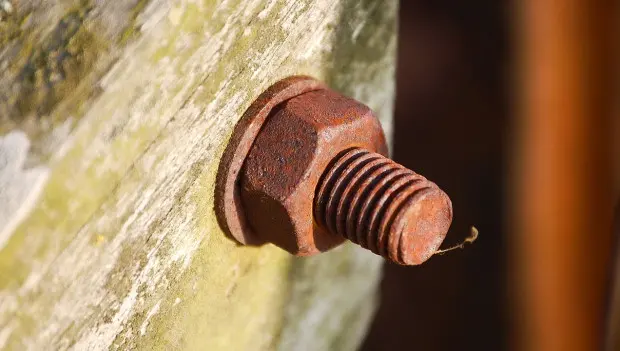
Anyone who works on cars long enough eventually runs into seized fasteners. Moisture and corrosion cause bolts, nuts, and screws to rust over time, making them incredibly difficult to remove. But no matter how stubborn the hardware looks, experienced mechanics have several proven techniques for getting even the toughest parts apart.
Tap It Loose
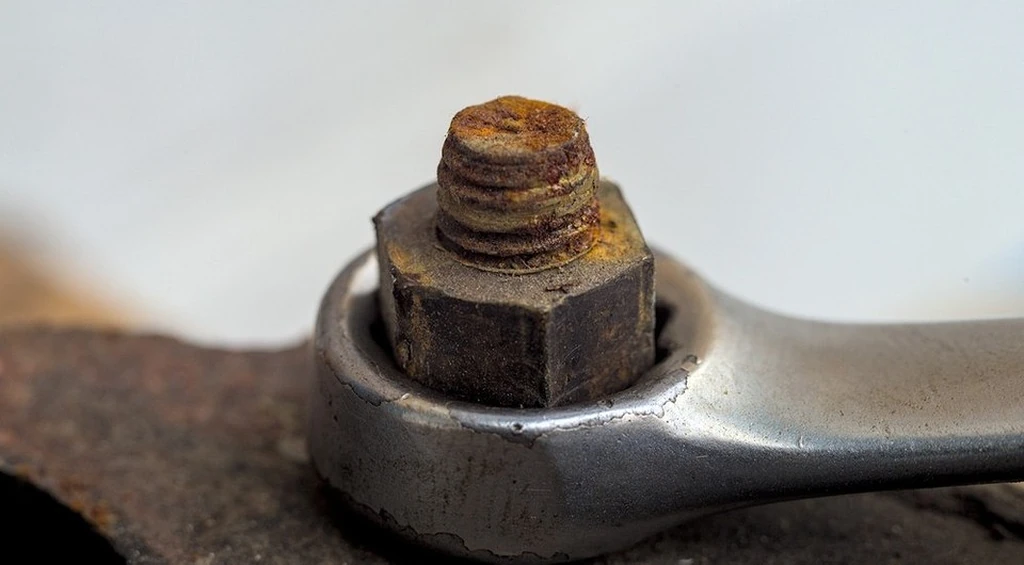
If a fastener is heavily rusted, mechanics usually start by cleaning it with a wire brush. After that, they tap it lightly from different angles using a hammer. It’s a simple method, but it often helps break up corrosion and saves both time and effort.
Use a Longer Lever
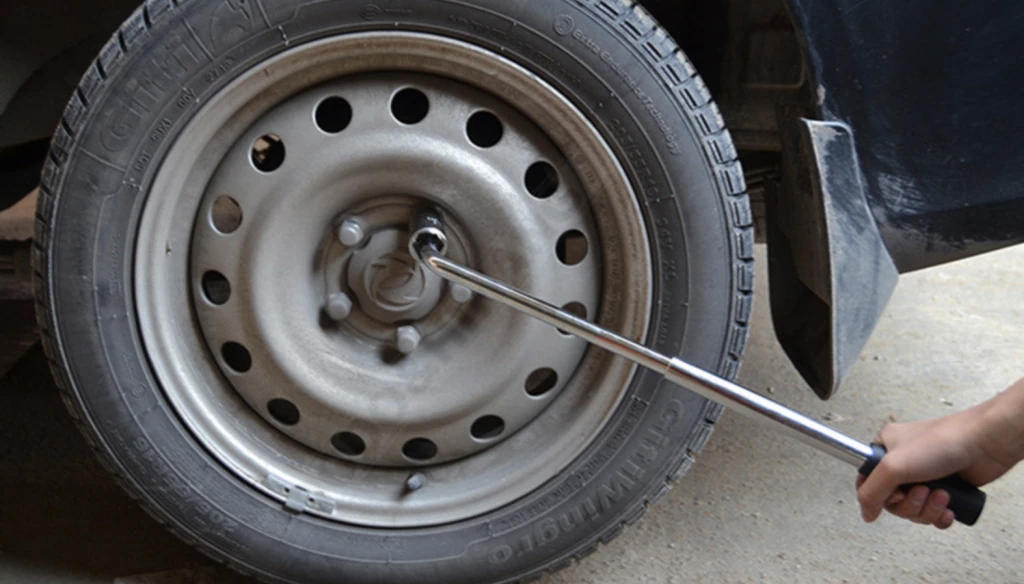
Drivers who have done their own repairs know that larger bolts and nuts require more force to loosen. When rust is involved, the job gets even harder. That’s why mechanics often extend the handle of a wrench using a metal pipe that fits over it.
The added length increases leverage and allows more torque to be applied with less physical effort.
In theory, this trick can loosen almost any stuck fastener — but there’s a catch. Too much force can strip the head of the bolt or nut, turning a difficult repair into a much bigger problem.
Lubricate the Threads
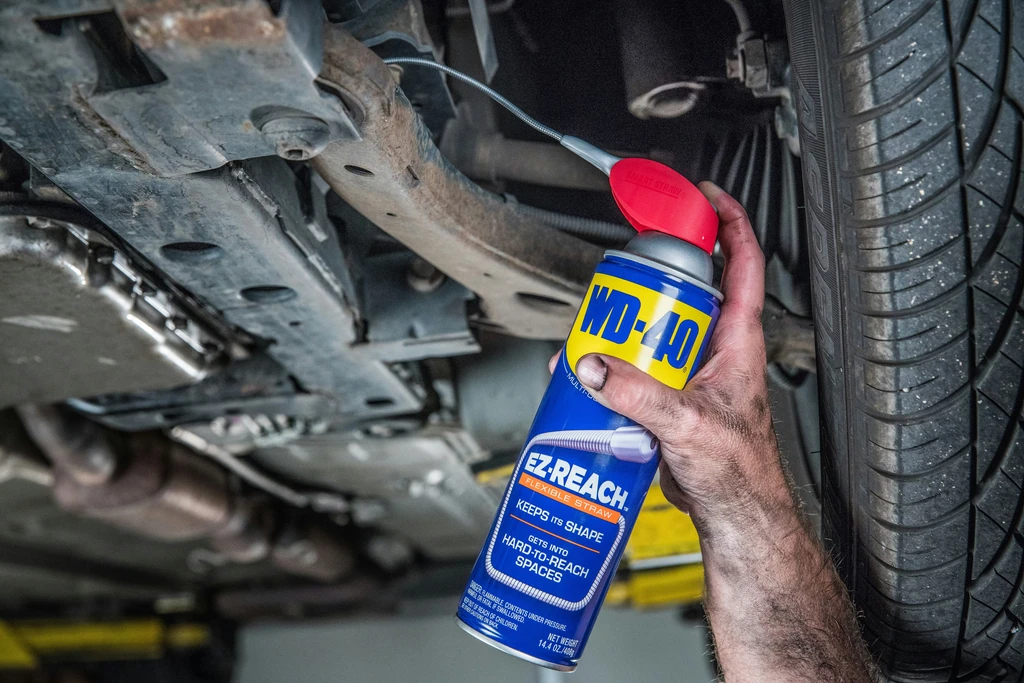
Bolts and nuts that have sat untouched for years often seize directly to the threads around them. In those cases, penetrating lubricants can help.
The first product most people think of is WD-40, though some mechanics also use kerosene. Still, many professionals will tell you that if WD-40 doesn’t free the fastener, stronger chemicals usually won’t make much difference either.
Apply Heat
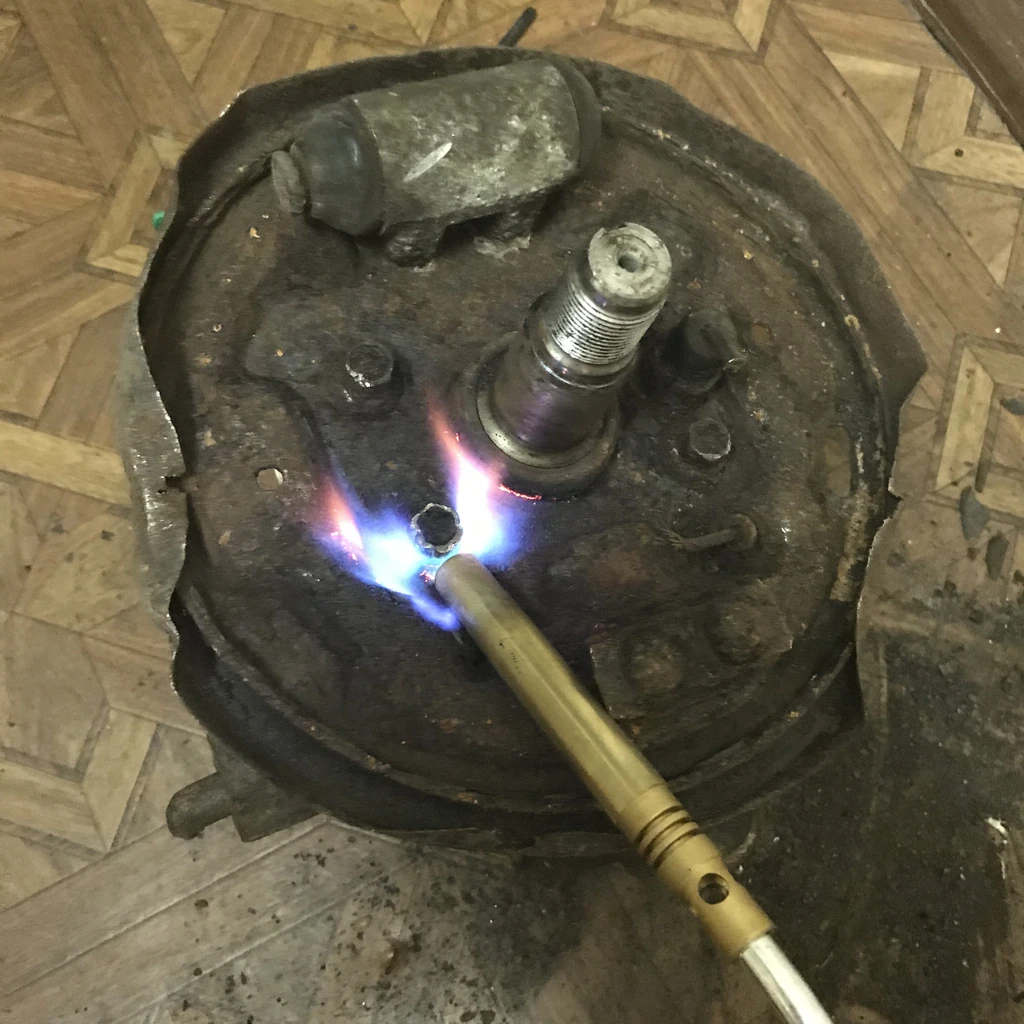
If the easier methods fail, mechanics move on to more aggressive solutions. One of the most effective is heat.
A propane or gas torch is commonly used to heat seized components. When removing a nut, the nut itself should be heated. If it’s a bolt, heat is applied to the surrounding part instead. As the metal expands under high temperatures, the gap in the threads increases slightly, making removal easier.
Heat also softens thread-locking compounds frequently used during vehicle assembly. Once those compounds become less rigid, bolts and nuts can often be removed with far less effort.
Cut It Off
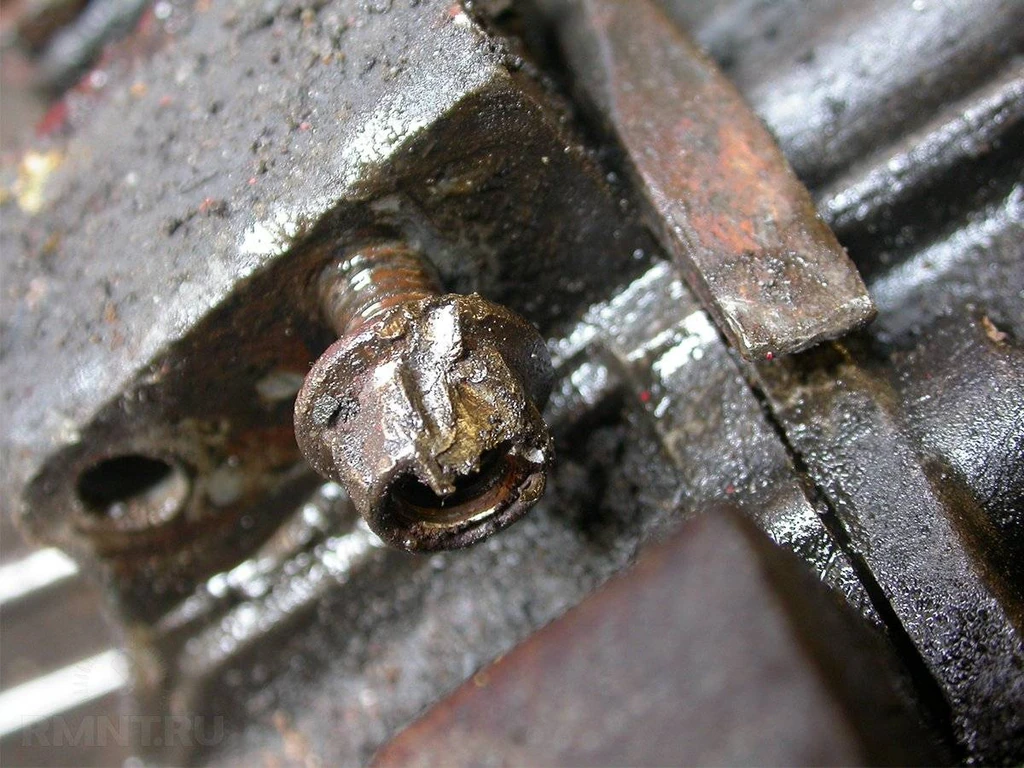
Sometimes, non-destructive methods simply don’t work. In those cases, the only option left is to remove the damaged hardware by force.
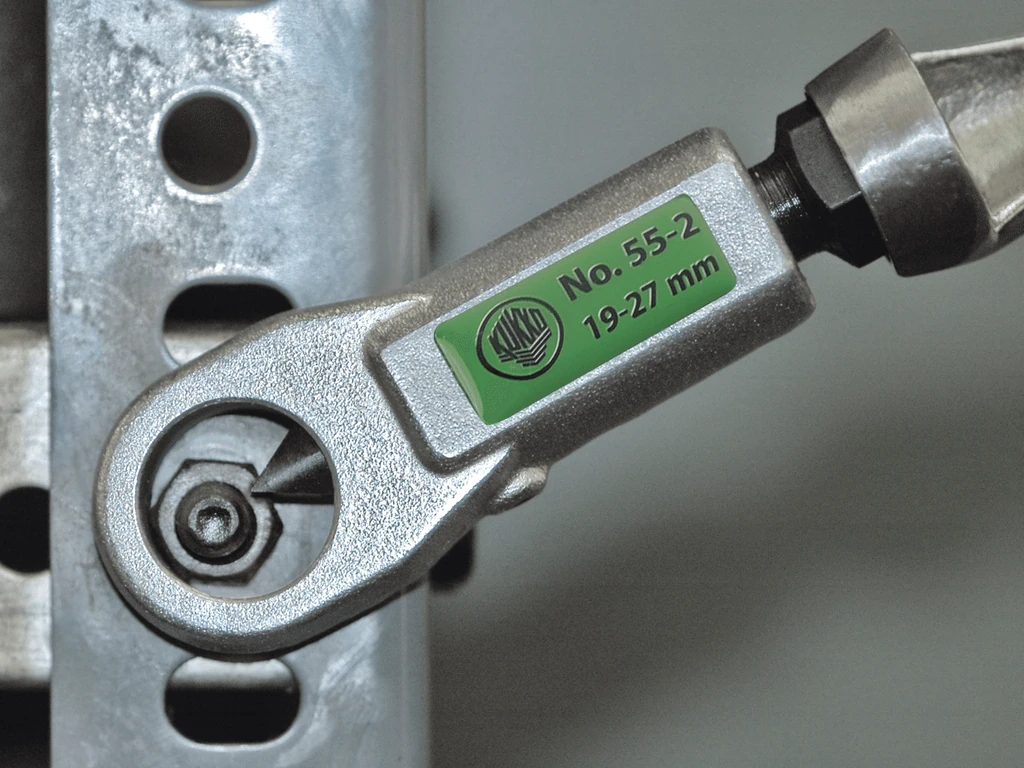
Mechanics may use anything from a chisel and hacksaw to an angle grinder or a specialized nut splitter. No matter which method is chosen, the fastener itself is usually destroyed in the process.
You may also be interested in the news:
These 7 Dashboard Warning Lights Could Leave You Stranded—Here’s What They Really Mean
These dashboard warning lights can signal serious problems, from low oil pressure to overheating or brake trouble.

Five Used Mercedes-Benz Models That Deserve Extra Scrutiny Before You Buy
These five used Mercedes-Benz models have reported issues that could turn an attractive bargain into an expensive ownership headache.
These 10 Used Family Cars Could Save You From Buying the Wrong SUV or Minivan
Shopping for a used family vehicle? These 10 SUVs and minivans offer the practicality American families need every day.
That Little Auto Hold Button Could Make Your Daily Commute a Lot Less Annoying
That little Auto Hold button can take the strain out of stop-and-go traffic, steep hills, and everyday city driving.
He Traded His F-150 for a Loaded Ram 1500—Then the Door Sticker Revealed Just 782 Pounds of Payload
2026 Ram 1500 Limited Buyer Trades His F-150 and Finds Only 782 Pounds of Payload