
Why Windshield Wipers Squeak — and How to Fix the Problem
Squeaky windshield wipers are annoying, but the issue is usually easy to diagnose and prevent.
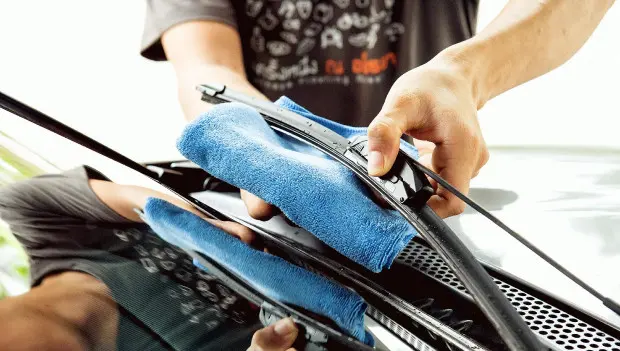
Windshield wipers may not be the biggest part of a vehicle, but they’re one of the most important safety components on the road. Without proper care, wipers can start squeaking, streaking the glass, and performing poorly in bad weather.
Here are the most common reasons wiper blades start making noise — and what drivers can do about it.
1. Poor-Quality Wiper Blades

The quality of the product is the first thing drivers should pay attention to when buying new wiper blades. Even brand-new blades can squeak or leave streaks across the windshield if the rubber material is low quality.
In the worst cases, cheap blades can smear dirt across the glass instead of cleaning it.
What to do:
Choose wiper blades from trusted manufacturers and avoid the cheapest options on the shelf. This is one car component where saving a few dollars often leads to worse performance and shorter lifespan.
2. Normal Wear and Tear
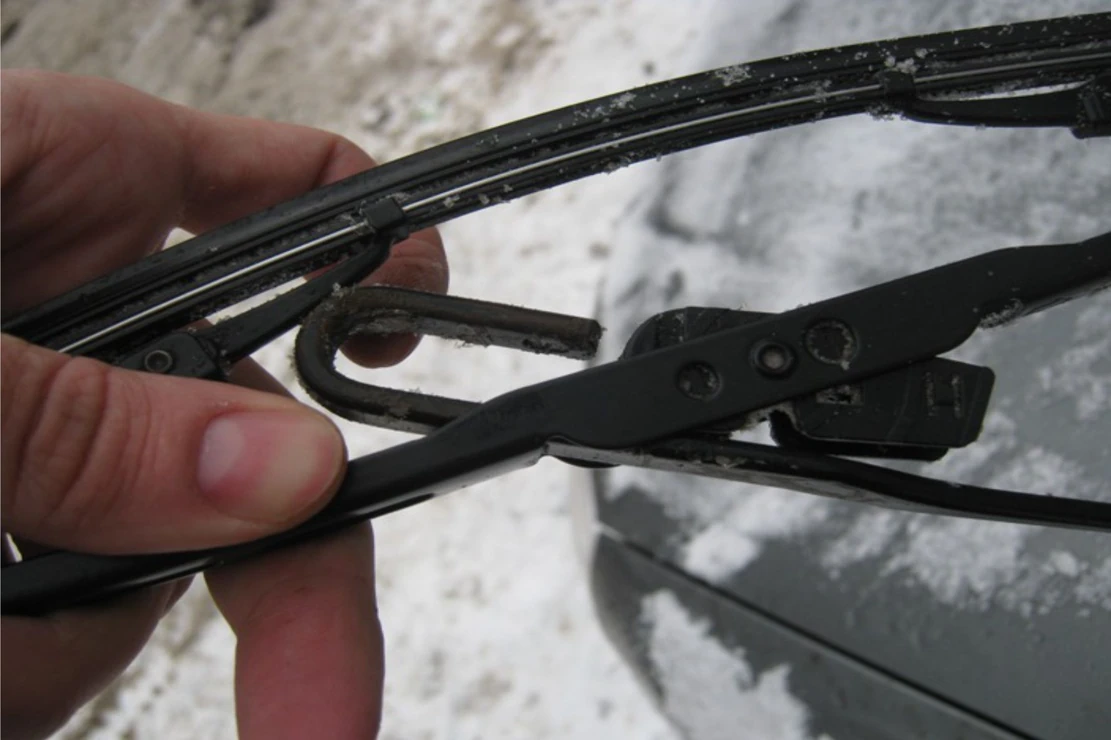
Natural wear is one of the most common causes of squeaky wipers. Over time, the rubber loses flexibility due to sun exposure, temperature swings, dirt, and moisture.
Many drivers also wear out their blades faster by using the same type year-round.
What to do:
Replace wiper blades at least every two years, and ideally switch between winter and summer blades depending on the season. Seasonal blades are designed for different temperatures and weather conditions, which helps extend their lifespan and improve performance.
3. Dirt, Loose Mounts, and Other Problems

There are also several smaller issues that can cause wiper noise.
One common problem is a loose mounting mechanism, which creates excess movement in the wiper arm. Dirt and debris trapped under the rubber edge can also cause squeaking and potentially scratch the windshield.
Both problems can damage not only the wiper blades themselves but also the glass.
What to do:
Inspect the wipers regularly and check for looseness in the mounting hardware. Clean away dirt buildup whenever necessary. The blade should sit evenly and perpendicular against the windshield surface.
It’s also a good idea to inspect the wiper arm tension spring every few months to make sure the blades maintain proper pressure against the glass.
You may also be interested in the news:
These 7 Dashboard Warning Lights Could Leave You Stranded—Here’s What They Really Mean
These dashboard warning lights can signal serious problems, from low oil pressure to overheating or brake trouble.

Five Used Mercedes-Benz Models That Deserve Extra Scrutiny Before You Buy
These five used Mercedes-Benz models have reported issues that could turn an attractive bargain into an expensive ownership headache.
These 10 Used Family Cars Could Save You From Buying the Wrong SUV or Minivan
Shopping for a used family vehicle? These 10 SUVs and minivans offer the practicality American families need every day.
That Little Auto Hold Button Could Make Your Daily Commute a Lot Less Annoying
That little Auto Hold button can take the strain out of stop-and-go traffic, steep hills, and everyday city driving.
He Traded His F-150 for a Loaded Ram 1500—Then the Door Sticker Revealed Just 782 Pounds of Payload
2026 Ram 1500 Limited Buyer Trades His F-150 and Finds Only 782 Pounds of Payload