
How to Maintain an Older Car Properly and Avoid Expensive Breakdowns
Older vehicles can remain reliable for years with proper maintenance, careful driving habits, and timely repairs.
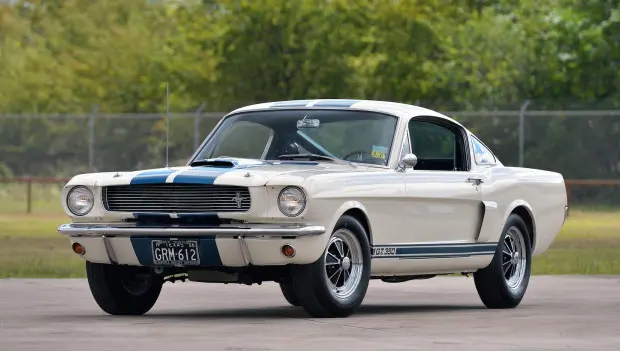
Millions of Americans drive vehicles that are more than seven years old and have logged well over 125,000 miles. With proper care, many of these cars can continue running reliably for years without major mechanical failures. But older vehicles require a different maintenance approach than newer models.
Maintenance Intervals Matter More on Older Cars
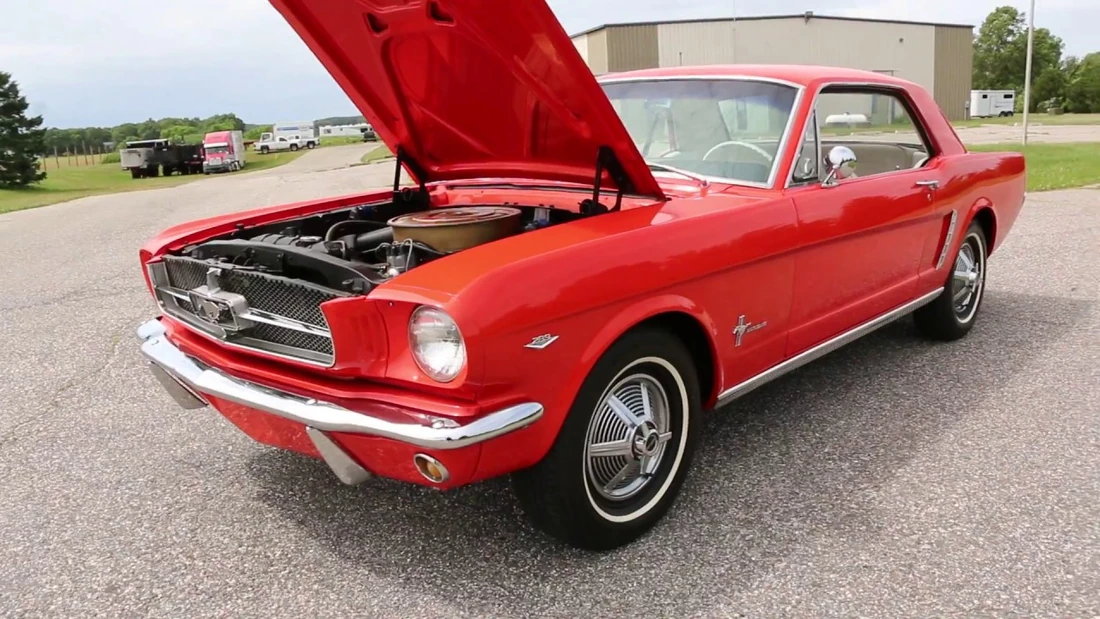
The biggest difference between an aging vehicle and a new one comes down to wear. Components on older cars are naturally much closer to their critical wear limits, which means regular inspections become significantly more important over time.
While many newer vehicles can comfortably follow maintenance intervals of around 9,000 miles, older cars often benefit from service every 6,000 miles — or even sooner depending on driving conditions and mileage.
What Should Be Checked During Service?
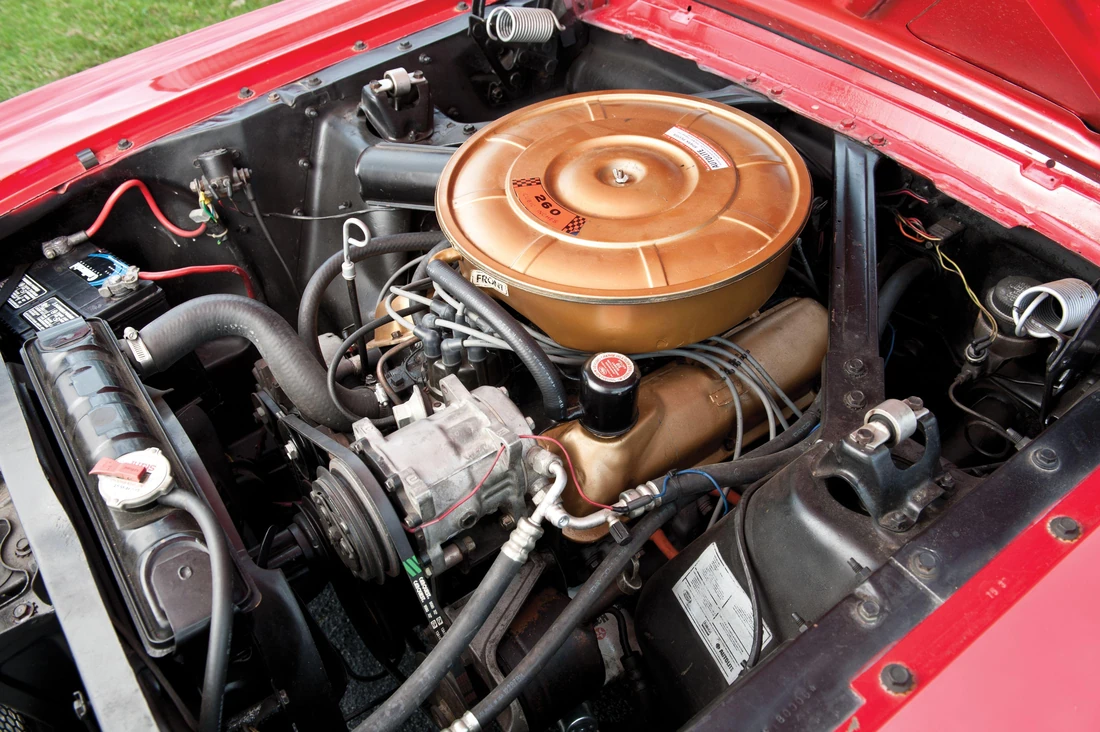
At every scheduled service appointment, engine oil and the oil filter should be replaced without exception. Suspension components should also be inspected regularly, especially on higher-mileage vehicles where worn bushings, shocks, and joints can affect both comfort and safety.
Timing belt replacement is another critical area owners should never ignore. Missing the replacement interval can lead to catastrophic engine damage if the belt fails, potentially resulting in a complete engine rebuild.
Drivers should also monitor fluid levels and condition carefully, including:
- brake fluid;
- power steering fluid;
- engine coolant;
- transmission fluid where applicable.
When replacing a failed component, it often makes sense to service nearby parts at the same time. Doing so can reduce future labor costs and prevent repeat visits to the repair shop.
For example, when replacing a timing belt, it’s smart to inspect — and possibly replace — the water pump, accessory belts, and air-conditioning drive belt while everything is already disassembled.
Even Tire Pressure Can Affect Reliability
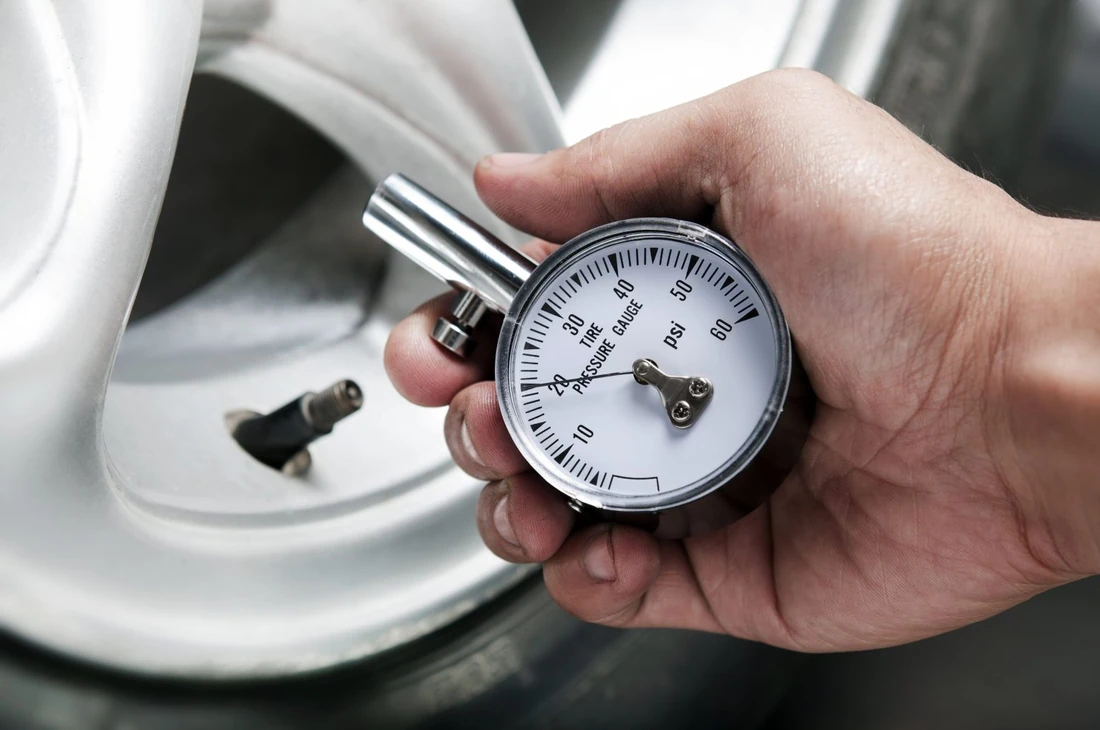
Modern vehicles are far more interconnected than many drivers realize. Something as simple as incorrect tire pressure can have a surprisingly large impact on performance and operating costs.
A tire that’s underinflated by just 4 psi compared to factory recommendations can noticeably increase fuel consumption, lengthen braking distances, reduce handling stability, and accelerate suspension wear.
If your vehicle suddenly starts using significantly more fuel and no obvious mechanical problem appears, checking tire pressure is one of the easiest and cheapest troubleshooting steps.
Older Cars Need Gentler Treatment
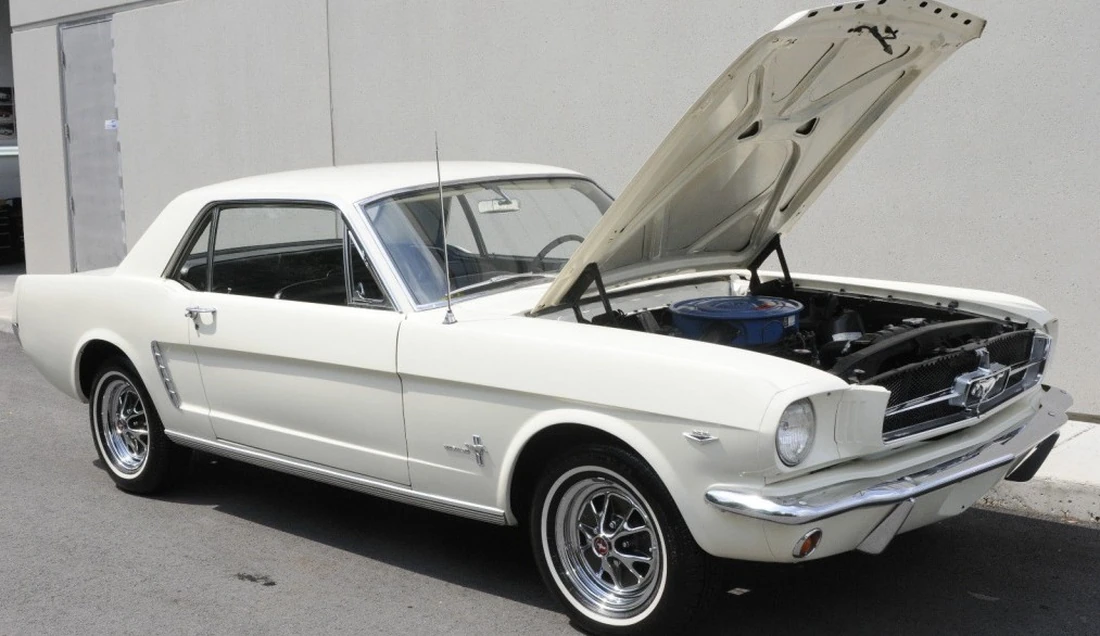
Aging vehicles generally respond better to careful driving and more attentive ownership habits. Regular washing is especially important, not just for appearance but for preserving the paint and bodywork.
During hot weather, dirt and contaminants left on the paint surface can contribute to uneven fading and damage to the clear coat over time.
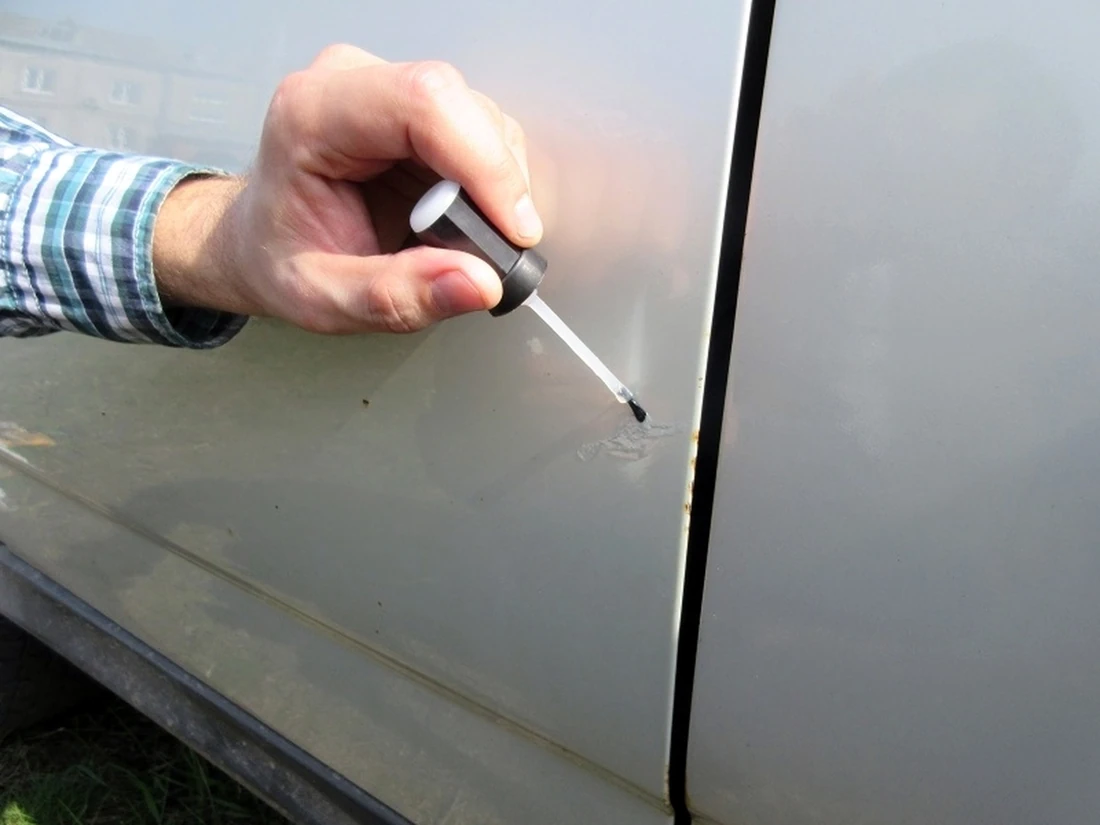
Rust prevention becomes increasingly important as vehicles age. Small scratches, paint chips, and early corrosion spots should be treated quickly before they spread.
Some owners use clear nail polish as a temporary low-cost fix for small paint chips. While not perfect, it can help seal exposed metal from moisture. More complete repair kits are also widely available and typically include sandpaper, touch-up paint, and clear coat. Many can be color-matched closely to factory paint finishes.
With patience and careful application, even fairly noticeable cosmetic damage can often be repaired at home without professional bodywork costs.
You may also be interested in the news:
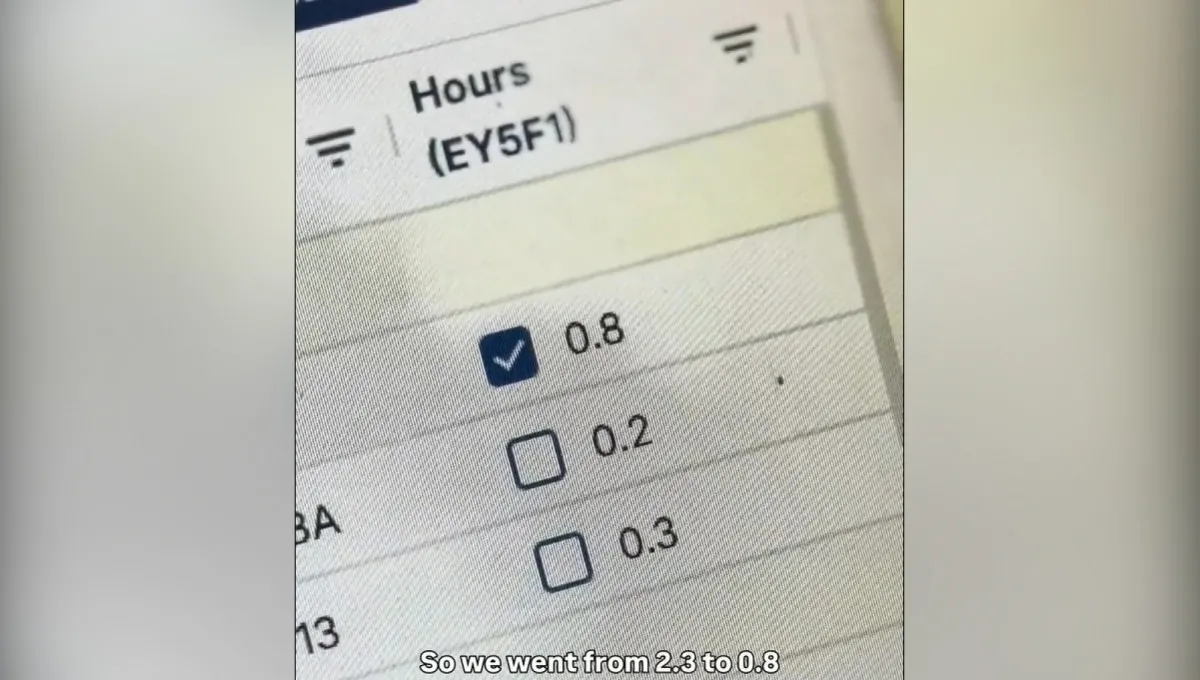
Toyota Technician Walks Away After Viral TikTok Exposes a Nearly 3x Pay Cut on One Repair
A Toyota technician with 11 years of experience quit after a viral TikTok sparked a dispute over repair pay.
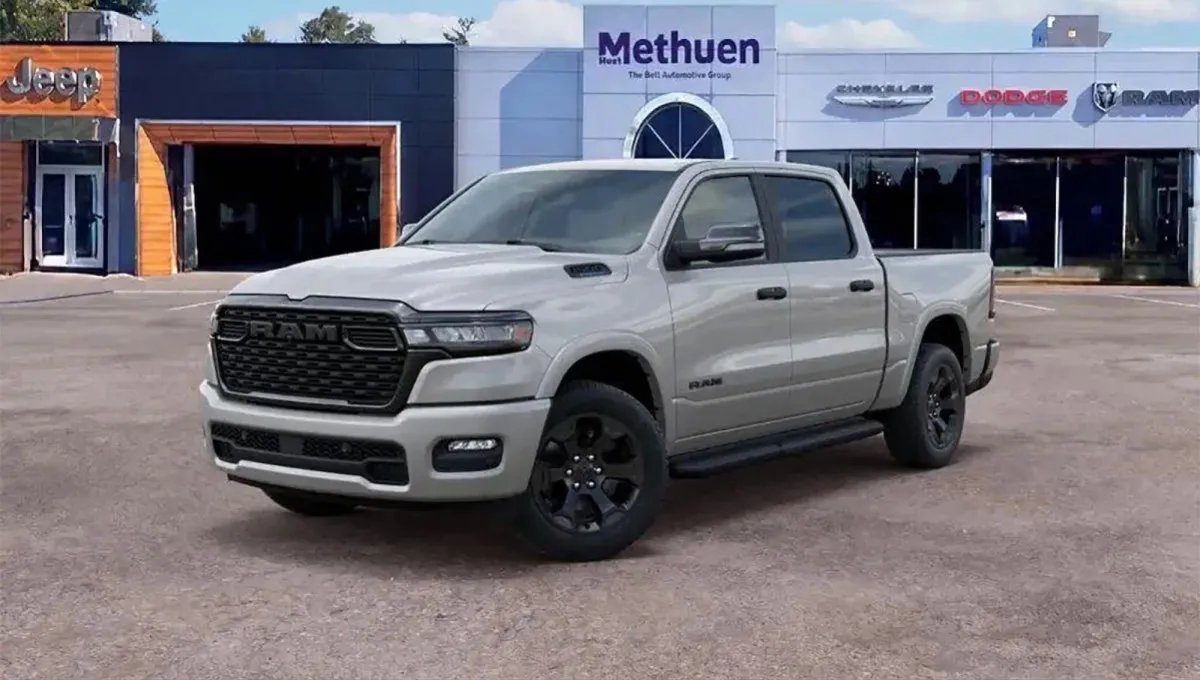
Ram 1500 Battery Drain Posts Are Everywhere, But One Owner's Storage Mode Trick Worked After 6 Days at the Airport
Leaving Your Ram 1500 at the Airport? This Hidden Setting Could Keep the Battery From Dying
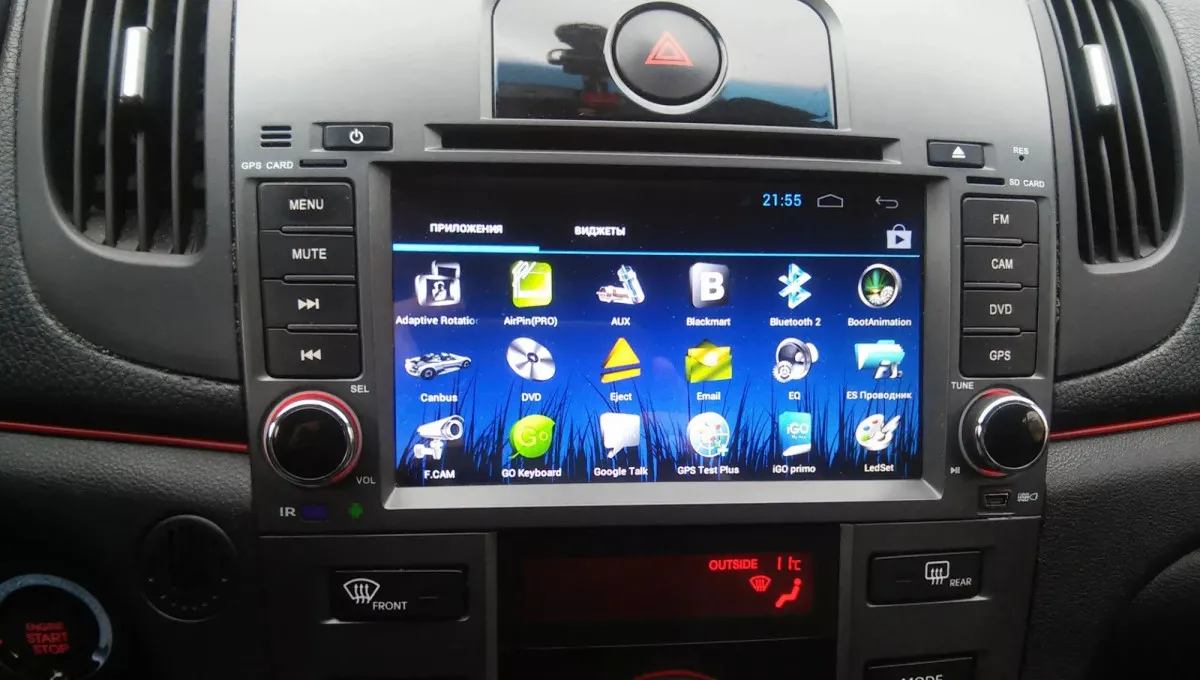
Your Old Car Can Feel New Again With These 7 Upgrades That Actually Make a Difference
Modernizing an Older Car: Better Audio, Navigation, Safety and Everyday Tech. An older car does not have to feel outdated when a few smart upgrades can transform everyday driving.
Expert Cautions: Spraying This on These 10 Car Parts Could Make the Problem Worse
WD-40 solves many automotive problems, but using it on the wrong parts can cause expensive damage.
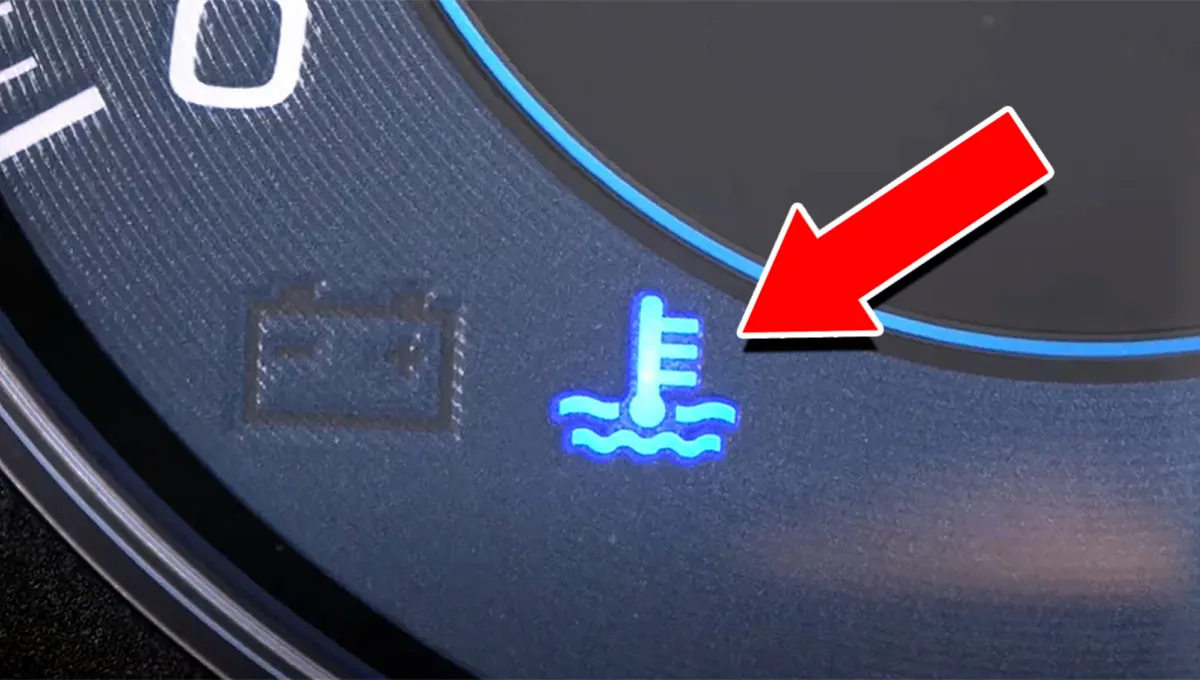
These 7 Dashboard Warning Lights Could Leave You Stranded—Here’s What They Really Mean
These dashboard warning lights can signal serious problems, from low oil pressure to overheating or brake trouble.