
When Should You Replace Spark Plugs? The Key Factors That Affect Their Lifespan
Spark plugs may look simple, but they endure extreme stress every time your engine starts and runs.
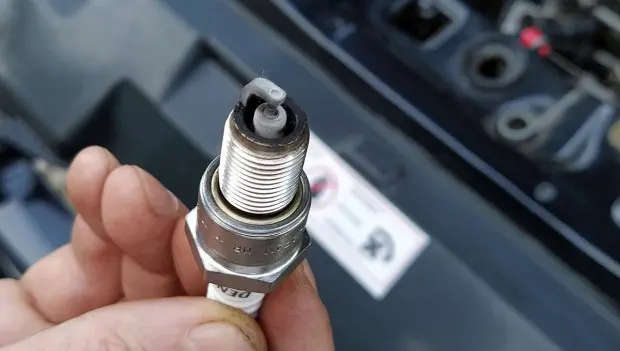
At first glance, a spark plug seems like one of the simplest parts inside a modern engine. Much like the bicycle, its basic design has barely changed in more than a century. Its job also appears straightforward: ignite the air-fuel mixture inside the combustion chamber. But that’s where the apparent simplicity ends.
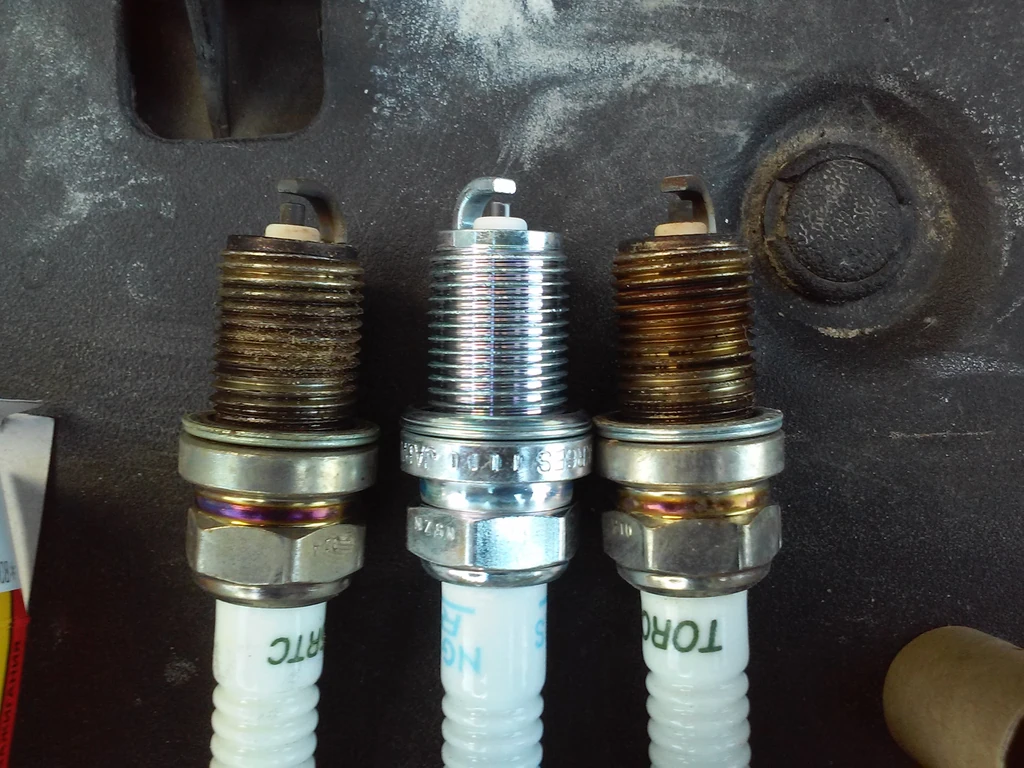
Spark plugs operate under punishing conditions throughout their lifespan. Consider what they’re expected to handle:
- A modern spark plug can last more than 62,000 miles, delivering hundreds of millions of sparks during its service life.
- The intensity and consistency of those sparks must remain stable over time.
- Operating conditions swing dramatically, from freezing cold starts with low pressure to extremely high combustion temperatures and pressures under full load.
- Spark timing has to remain precise — neither too early nor too late.
- Carbon buildup, deposits, and contaminants constantly interfere with normal operation.
It’s a demanding assignment for a tiny component that receives limited cooling and continues shrinking as modern downsized engines become more compact. A few decades ago, spark plugs were a frequent topic of discussion among mechanics and car enthusiasts alike. Today, many drivers barely think about them at all, with some even assuming they never need replacement. But the question remains: how often should spark plugs actually be changed in modern vehicles?
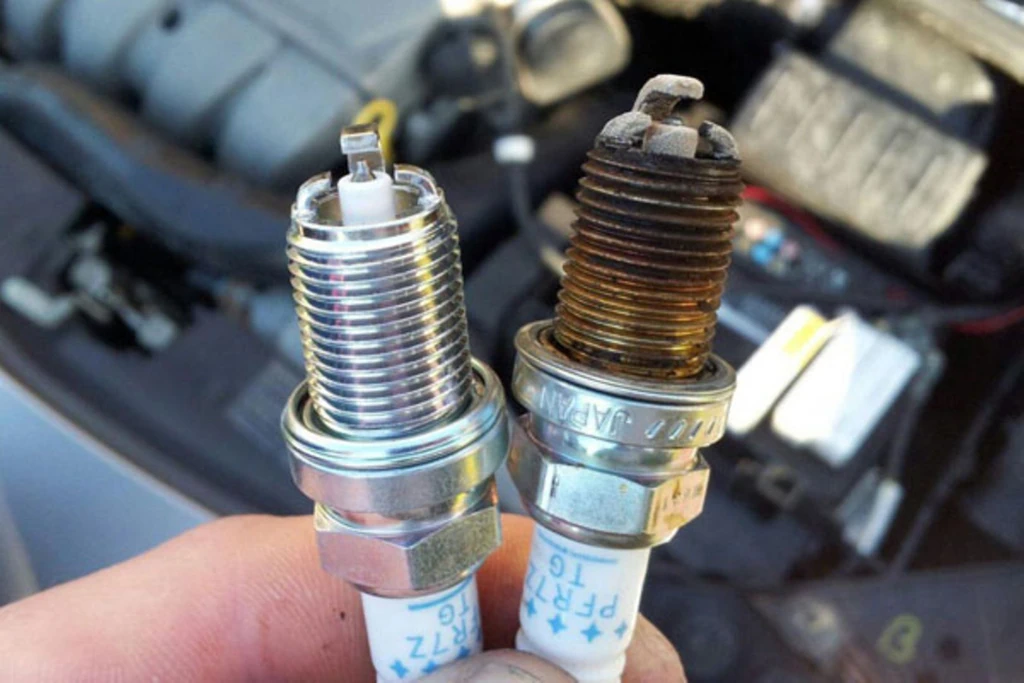
In some cases, spark plugs need replacement far sooner than the automaker recommends. Engines suffering from excessive oil consumption are one of the biggest reasons. Burning oil leaves thick carbon deposits on the plugs, and attempting to clean them mechanically is often more trouble than it’s worth. At best, cleaning can damage the ceramic insulator and shorten the plug’s life even further. In reality, replacing the plugs is usually the smarter solution — though the underlying oil-burning issue still needs repair. Otherwise, spark plug replacement simply becomes a recurring ritual.
Fuel quality also plays a major role. Drivers who regularly fill up at questionable gas stations may encounter an old problem that still hasn’t disappeared completely: ferrocene additives in gasoline. These additives can leave reddish deposits on spark plug insulators, quickly affecting engine efficiency.
The science behind it is fairly simple. Electrical sparks naturally seek the path of least resistance. Instead of jumping across the electrode gap, the spark can travel along the contaminated insulator surface. Once that happens, combustion efficiency drops and fuel economy suffers. In these situations, replacing the spark plugs is usually the easiest fix — but the contaminated fuel must also be dealt with.
For vehicles equipped with inexpensive standard spark plugs, replacement is generally recommended every 18,000 to 20,000 miles. Over time, the electrodes wear down, the spark gap widens, and the ignition coils face increased electrical нагрузка. Eventually, misfires can occur, potentially damaging the catalytic converter.
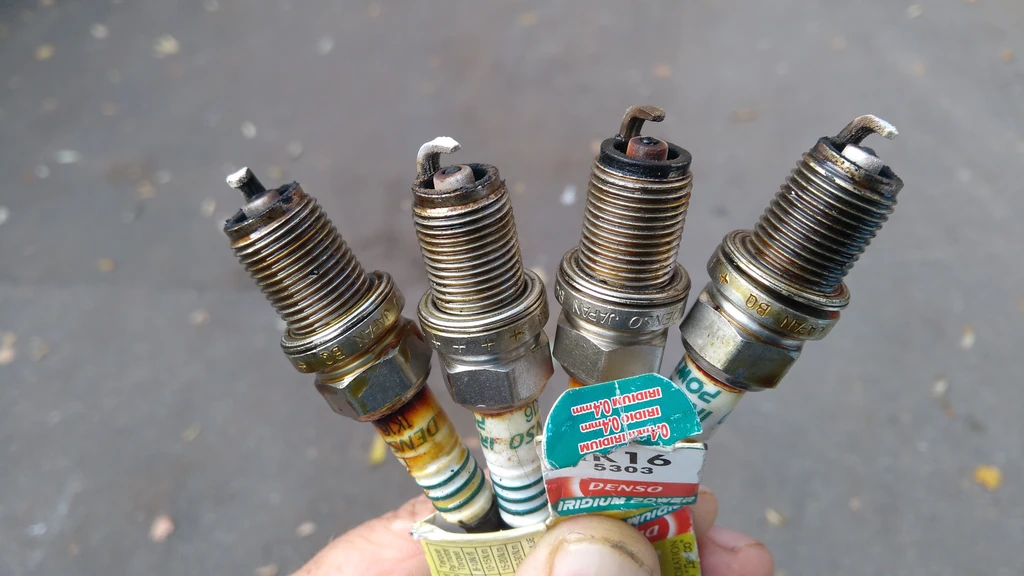
Iridium spark plugs are a different story. Their ultra-thin center electrodes — sometimes as small as 0.024 inches — allow them to operate reliably for 62,000 miles or more. For some owners, that’s close to the usable lifespan of the vehicle itself.
However, even premium iridium plugs are not immune to poor fuel quality or oil-burning engines. And surprisingly, some automakers still recommend replacing them earlier than expected, making it important to follow the maintenance schedule in the owner’s manual.
It’s also wise to inspect spark plugs periodically, even if they still appear functional. Excessive spark gap wear may not destroy the plug itself, but the higher voltage required to fire it can eventually damage the ignition coil — or even an entire ignition module on certain vehicles.
You may also be interested in the news:
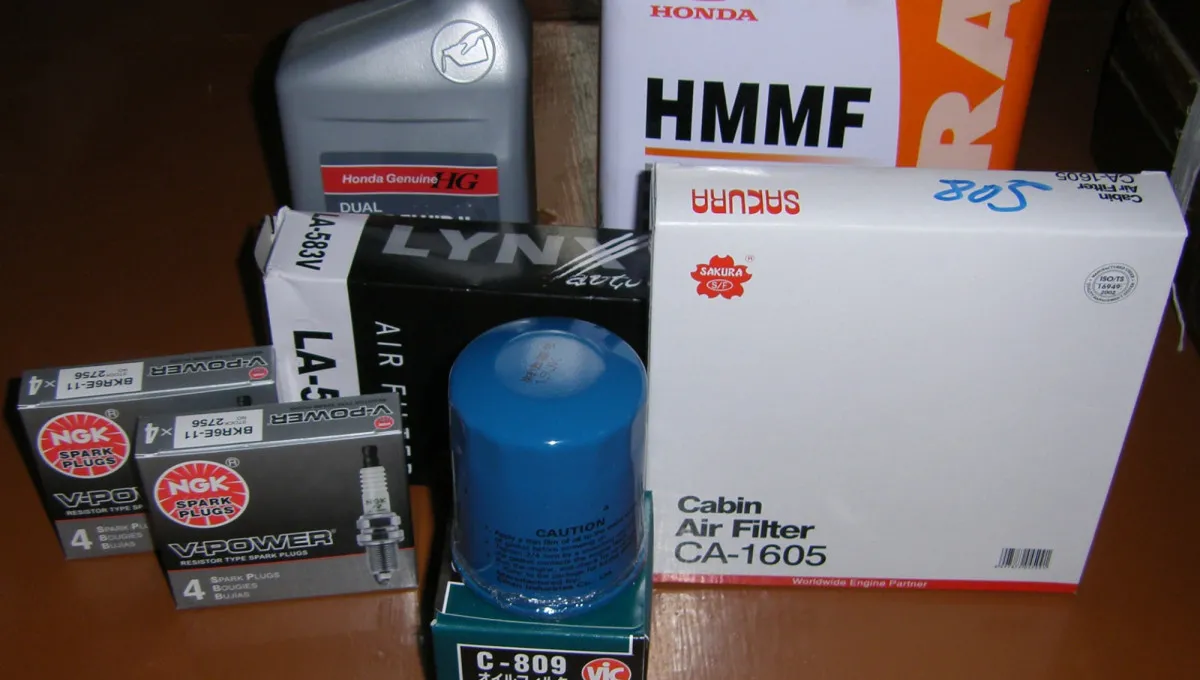
Changing Your Car’s Filters: How to Do Basic Maintenance Yourself Without Damaging the Engine
Changing the oil, engine air filter and cabin air filter yourself can save money, but small mistakes can cause expensive problems.
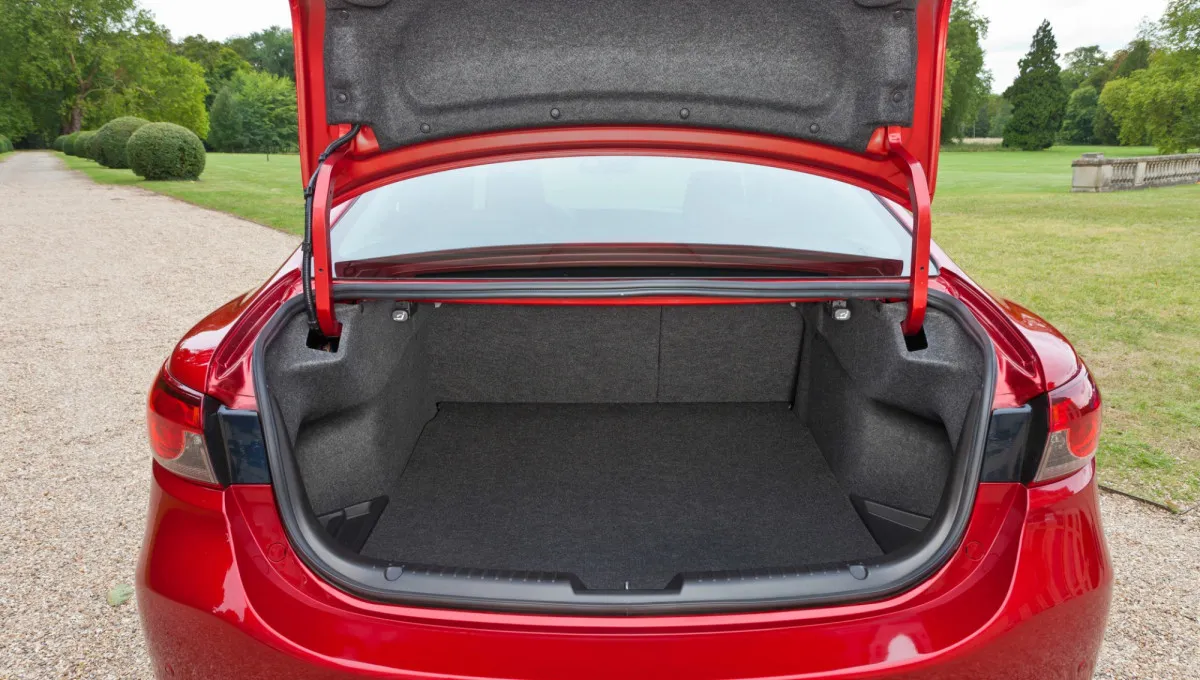
That Stuff in Your Trunk Is Costing You More Than You Think—Here’s What to Take Out
Carrying unnecessary cargo can quietly increase fuel use, accelerate wear and create an avoidable safety hazard for drivers and passengers.
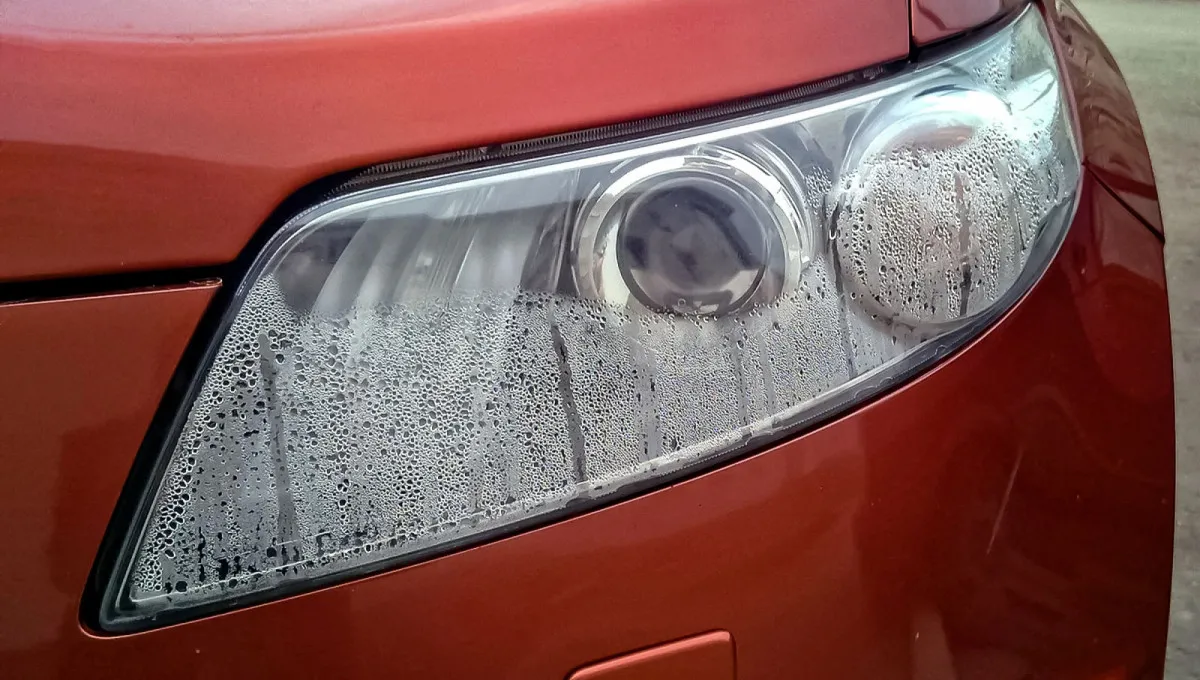
Your Headlights Are Fogging Up for a Reason: 4 Causes and 5 Steps to Fix Them
Foggy headlights are not always a sign of damage, but persistent condensation can point to a problem that needs attention.

Why Is Your Car’s Suspension Making a Knocking Noise? 5 Symptoms Every Driver Should Know
Five common suspension noises can point to specific problems, helping drivers narrow the cause before inspection.

How to Protect Your Windshield From Flying Rocks: This Simple Trick Could Save You From Replacing It
Keep your distance, slow down and repair chips quickly to help prevent small windshield damage from becoming costly cracks.