
Volvo Will Offer the New EX90 to Buyers in Just One Version
The 2026 Volvo EX90 will get a 106-kWh battery, up to 388 miles of range, and a 0-62 mph time of 5.5 seconds. Sales are set to begin October 12, with pricing expected to range from $108,000 to $141,000 before taxes.
Volvo is preparing to launch its large electric EX90 SUV in the Indian market, and it turns out buyers there will be offered just one trim level. The official sales launch is scheduled for October 12, while the Indian-spec vehicle was shown to the public ahead of its presentation. The Swedish automaker has kept the lineup simple, going straight for the range-topping T5 Twin Motor Ultra with the maximum package of available features. No stripped-down versions or alternative battery packs are planned—the EX90 will be sold in India in just one configuration.
Technically, the SUV gets a 106-kWh battery with a claimed range of 388 miles. Two electric motors produce a combined 456 horsepower and 670 Nm of torque. The EX90 takes 5.5 seconds to reach 62 mph, a respectable figure for a family-oriented electric SUV.
What Buyers Get for Their Money
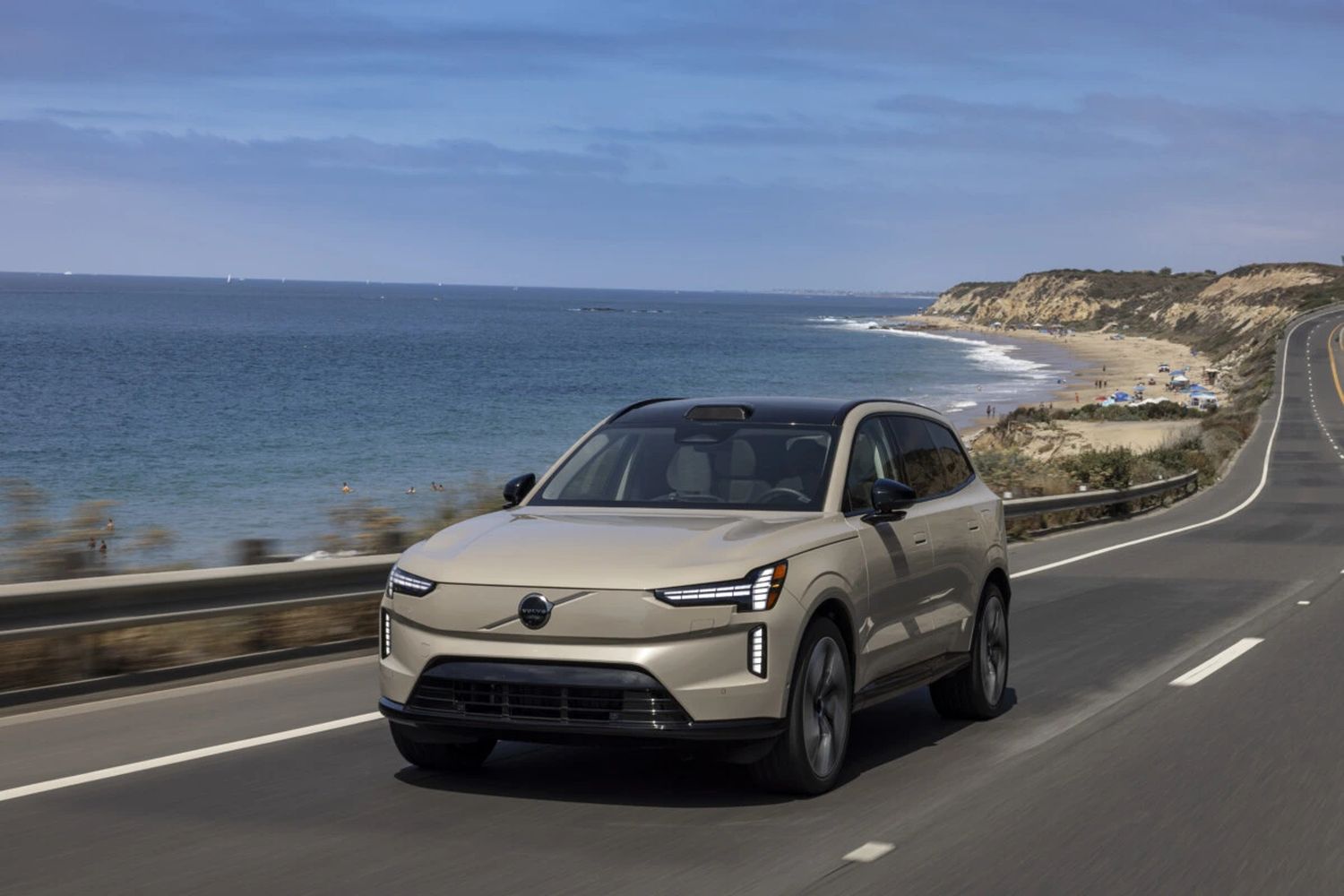
The only available trim is indeed loaded with equipment. The Indian-spec EX90 comes with:
- four-zone climate control;
- a glass roof with dimming function;
- Digital Key Plus;
- Level 2 autonomous driving assistance (ADAS);
- a 360-degree camera system with automatic parking;
- a Bowers & Wilkins audio system with 25 speakers and an Abbey Road sound package;
- air suspension;
- full LED lighting.
Competition With the Mercedes-Benz EQS SUV
However, the EX90's October launch will coincide with active sales of its direct competitor, the Mercedes-Benz EQS SUV. Both electric SUVs are similar in size and feature three rows of seats, all-wheel drive, substantial range, and large multimedia screens.
A detailed comparison makes it clear that the German model has several advantages. The EQS SUV offers greater range, more torque, and expanded equipment options for the third row. Mercedes-Benz also has a much more developed dealer and service network in India than Volvo. There is another difference: the German SUV is available in both five- and seven-seat configurations, while the EX90 is offered exclusively with six seats.
To remain competitive in the market, the Swedish brand will most likely have to price the EX90 more attractively than its Mercedes-Benz rival. Preliminary estimates put the new model's price at 10 million to 13 million Indian rupees (approximately $108,000 to $141,000) before taxes, based on the ex-showroom price.
By the way, questions from traffic police officers to drivers aren't limited to lighting equipment. For example, traffic police have also explained whether driving during the day with fog lights is permitted and what penalties drivers can face. Police have separately warned about situations during traffic stops when even an apparently harmless conversation with an officer can result in a ticket—traffic police themselves have explained how answering the question “Where are you headed?” can lead to a fine.
You may also be interested in the news:
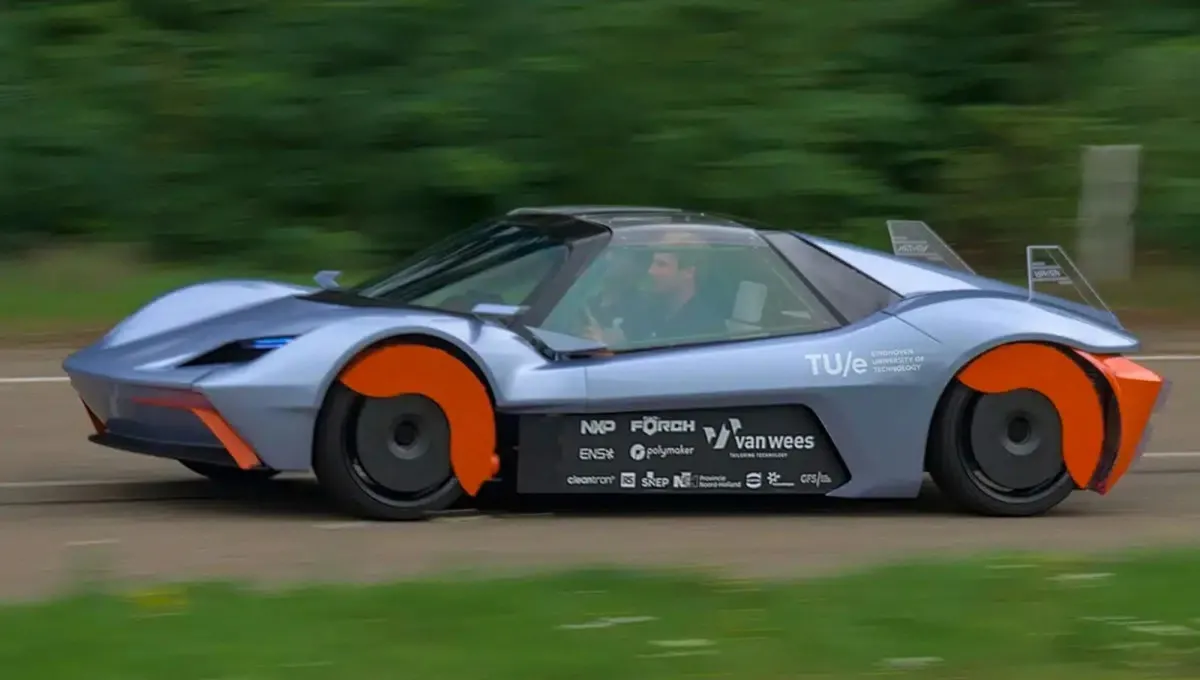
Students Develop an Electric Car That Captures Tire and Brake Dust
A student-built electric concept aims to reduce road pollution by collecting microscopic particles released by tires and brakes.
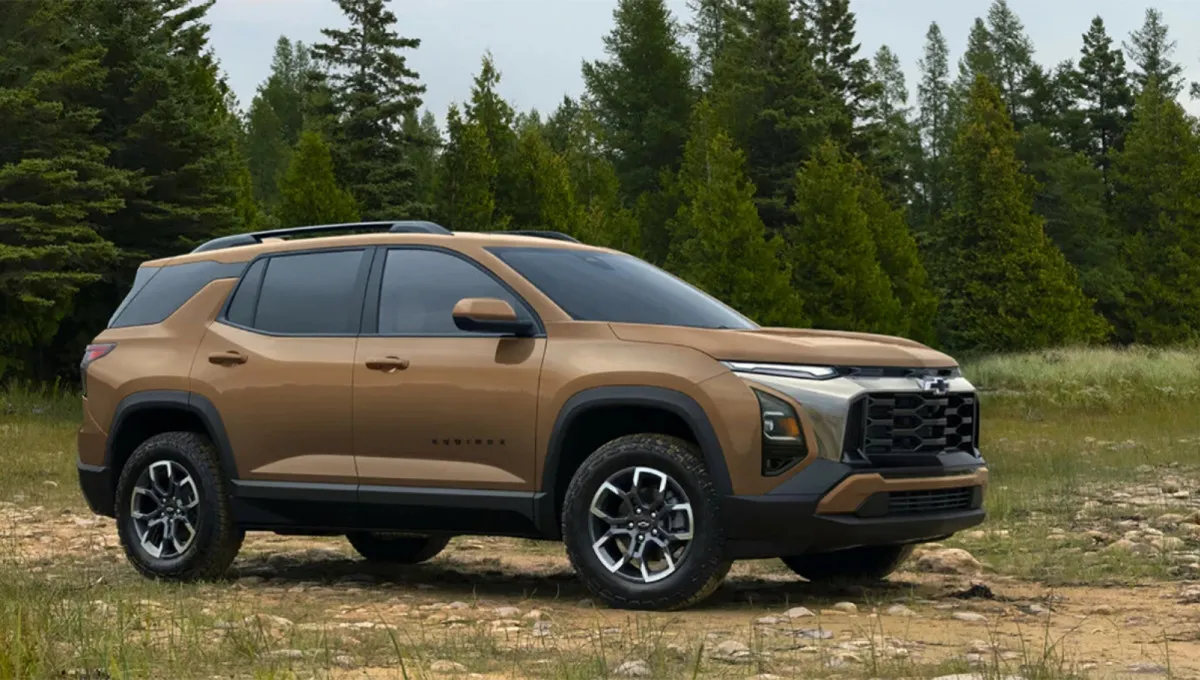
2027 Chevrolet Equinox Drops Its CVT, but Prices Go Up Across the Lineup
Chevrolet has unveiled the updated 2027 Equinox in the U.S., replacing its CVT and raising prices across the lineup.
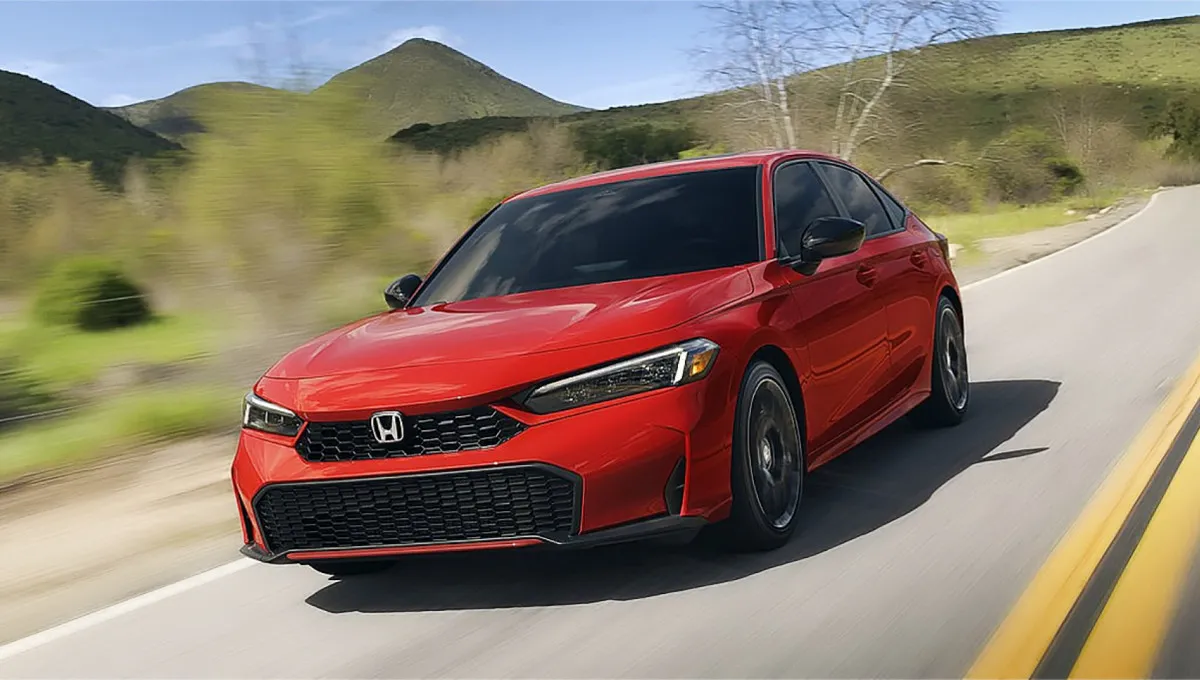
The 2027 Honda Civic Just Got More Premium — And It Still Starts Under $27,000
Honda has updated the Civic for the U.S. market, adding premium features and new driving technology without significantly raising prices.
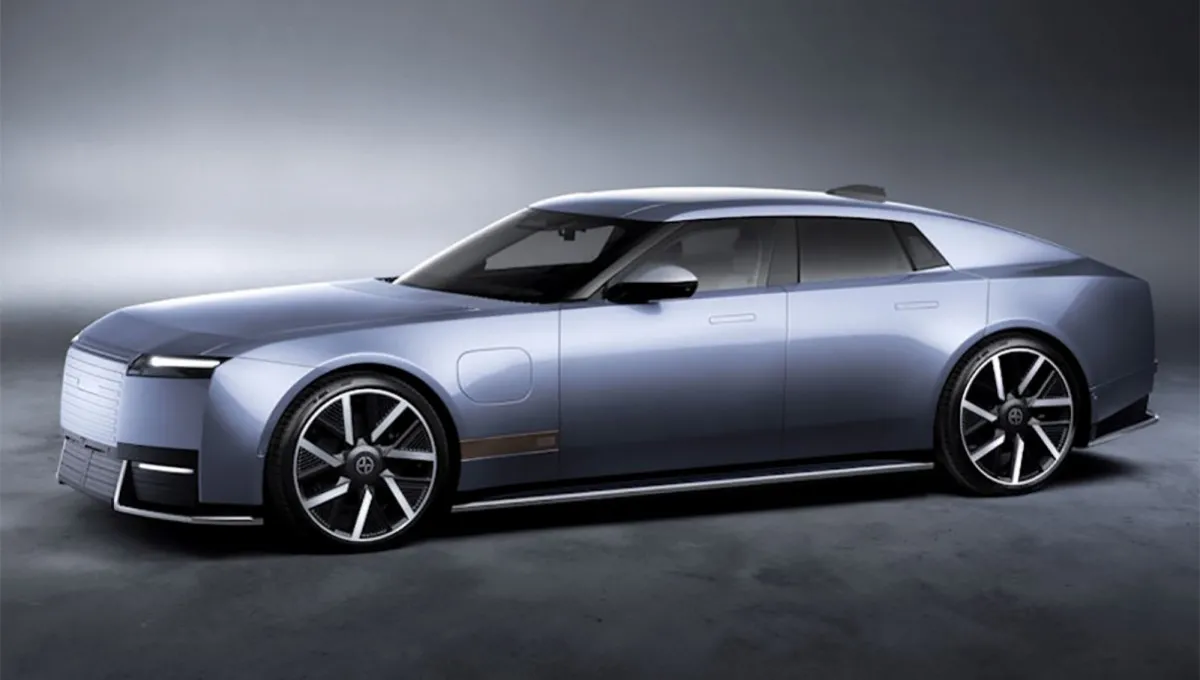
Jaguar Type 01 Revealed as Brand's First Production Model After Its Reinvention — Pricing Announced
Jaguar has unveiled the Type 01, a luxury electric grand tourer that marks a new chapter for the British automaker ahead of 2027 production.
Volkswagen's New Electric SUV Can Travel 372 Miles on a Charge — And It's Replacing the ID.4
Volkswagen has officially unveiled the all-electric ID. Tiguan, a new SUV designed to replace the ID.4 with updated styling and improved range.