
Not every car enthusiast knows that you can lose a car if you tighten the wheel bolts incorrectly
Many car owners do not even suspect that ordinary negligence when installing wheels can lead to serious consequences and financial losses.
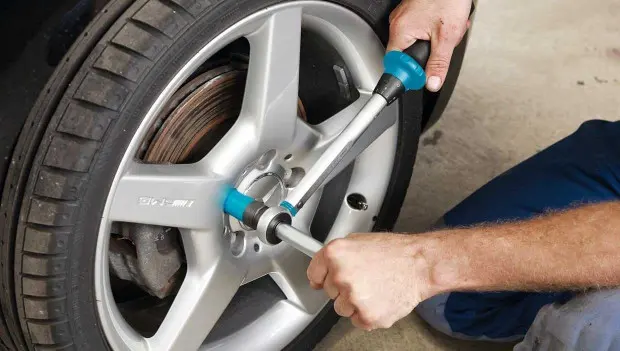
For many car enthusiasts, the process of wheel tightening at a service station still causes surprise when a mechanic checks the nuts or bolts with a torque wrench, especially in the presence of an administrator. In such a situation, the question involuntarily arises, why is this done? Is it really possible to lose a car if you don't tighten the wheels after performing tire service at the service station or on your own? This question was answered by the chief manager of the service station specifically for Auto30.com.
In modern realities, expensive wheel rims are used extensively on cars, which require correct installation adhering to all technological aspects. Over-tightening fasteners, for example, can lead to damage of the casting, and vice versa can result in the wheel traveling on the hub and subsequent loosening of the bolts or studs until it is completely unscrewed. All this can lead to a road accident.
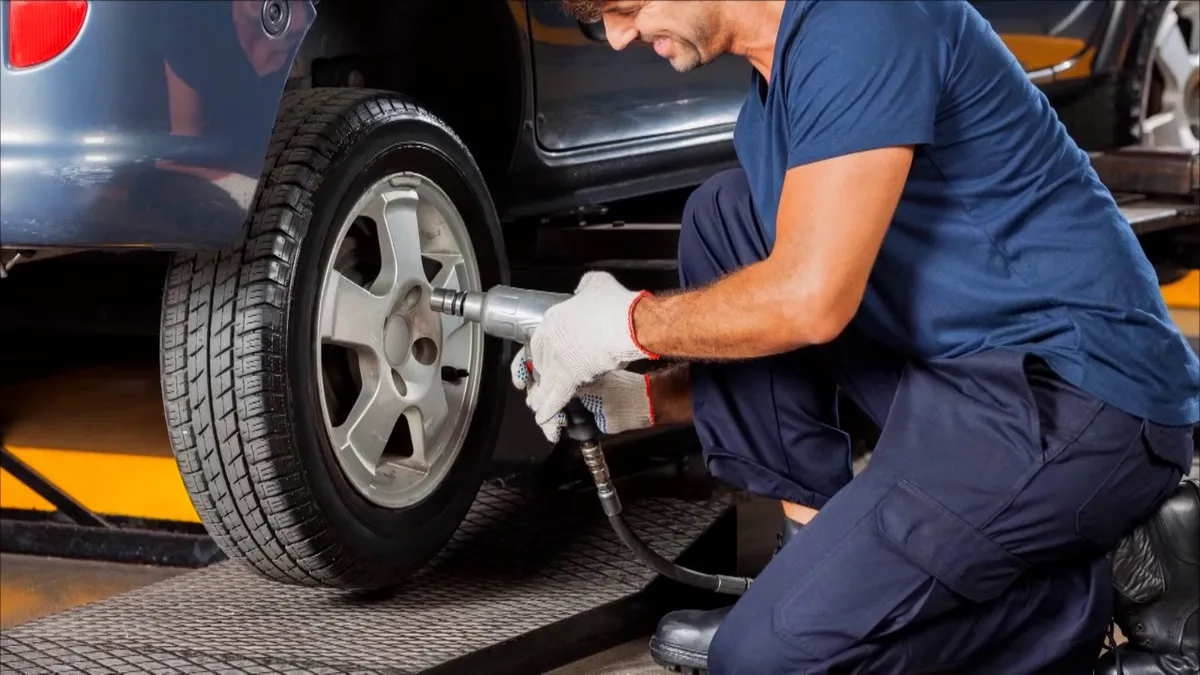
It is worth noting that in such an accident, the car owner is no longer considered at fault, but the mechanic at the service station who performed the tire fitting and did not properly install the wheel. Accordingly, all expenses related to car restoration and moral damage will be borne by the service station. To avoid this, any tire shop has rules for working with clients and the procedure for releasing cars after the work has been completed.
Wheel tightening with a torque wrench allows determining whether the fastener is sufficiently tightened. It's important to note that for each car, depending on the diameter of the rim and the overall area of the wheel, a specific moment is chosen for the use of the tool. Drivers themselves often neglect this process, tightening the fasteners to the point of refusal. This can lead to subsequent difficulties with removing the wheel in the field.
Also, an over-tightened fastener can break during tightening or during subsequent disassembly. This, in turn, leads to the replacement of the hub. All these problems can be avoided if the fasteners are tightened on the wheels with the correct torque. Lastly, it's important to note the use of special tools. Unfortunately, not every car enthusiast can afford a torque wrench due to its cost.
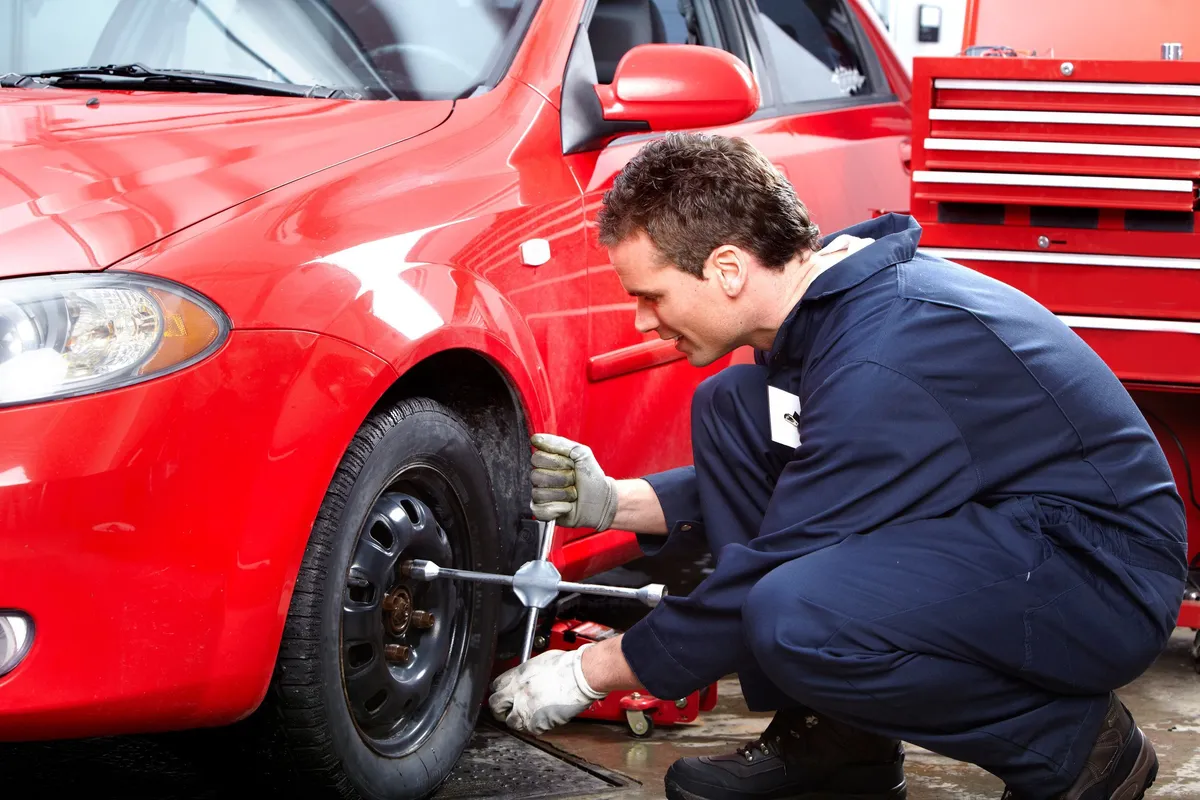
Therefore, tire fitting work is increasingly being entrusted to professionals, or as an alternative, a car owner can complete everything independently and then visit the nearest service station and ask them to check if the bolts or nuts are tightened correctly. This service requires minimal expense. In this situation, you won't need to buy a costly torque wrench and learn how to use it correctly, as there are also nuances in particularly setting the tool.
You may also be interested in the news:

Hyundai Recalls Nearly 95,000 Genesis Sedans Over Fire Risk From Power Seats
Hyundai is recalling 94,622 Genesis sedans after a faulty power seat switch was linked to overheating and potential vehicle fires.
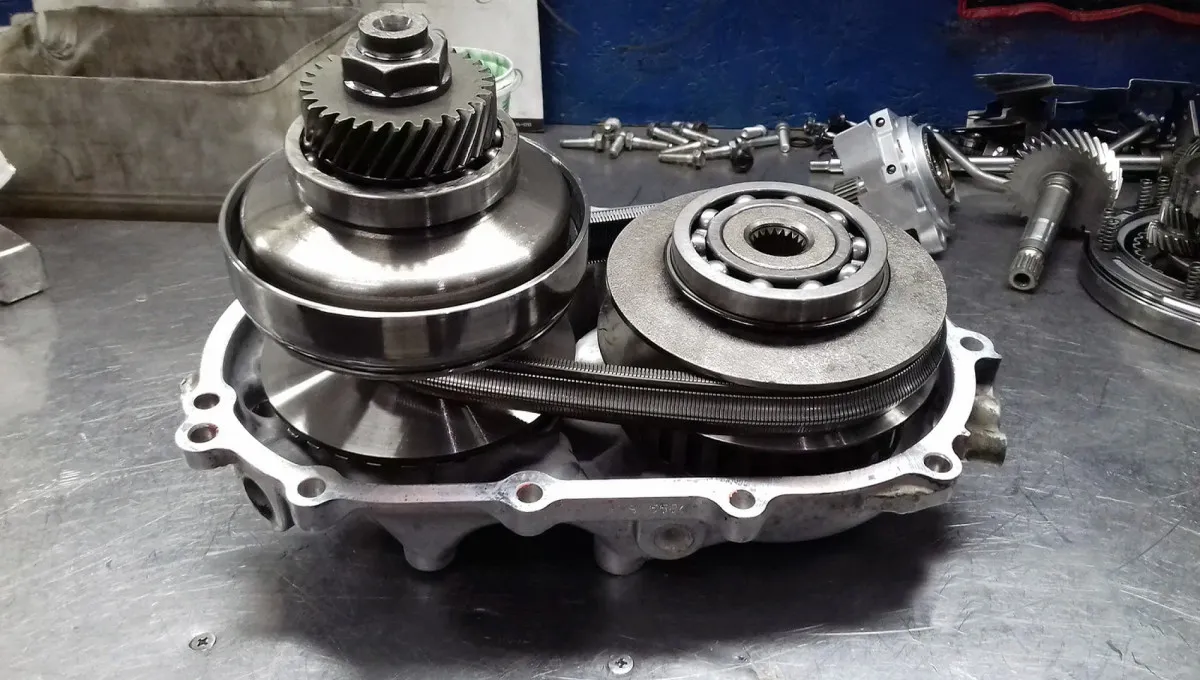
Why Experienced Drivers Still Warn Against Buying a Used Car With a CVT
CVTs offer smooth acceleration and good fuel economy, but expensive repairs and durability concerns make used models risky.
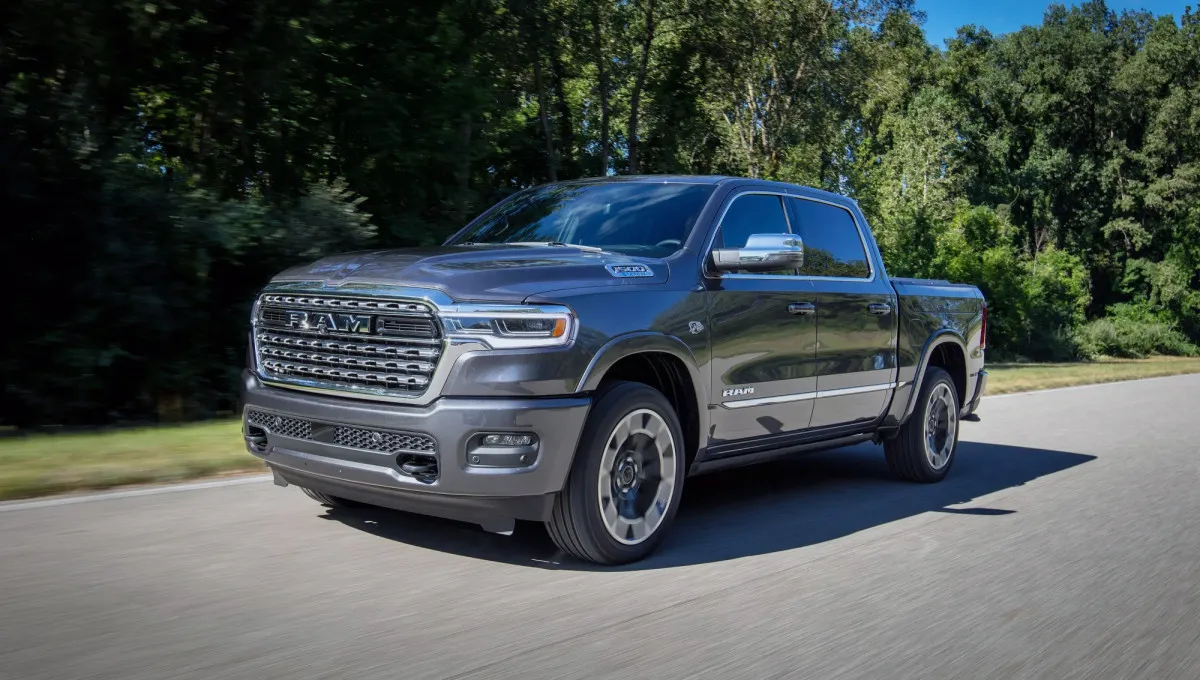
2026 Ram 1500 Recall: 16K Trucks May Have Faulty Tire Pressure Sensors
Ram is recalling 16,385 model-year 2026 Ram 1500 trucks
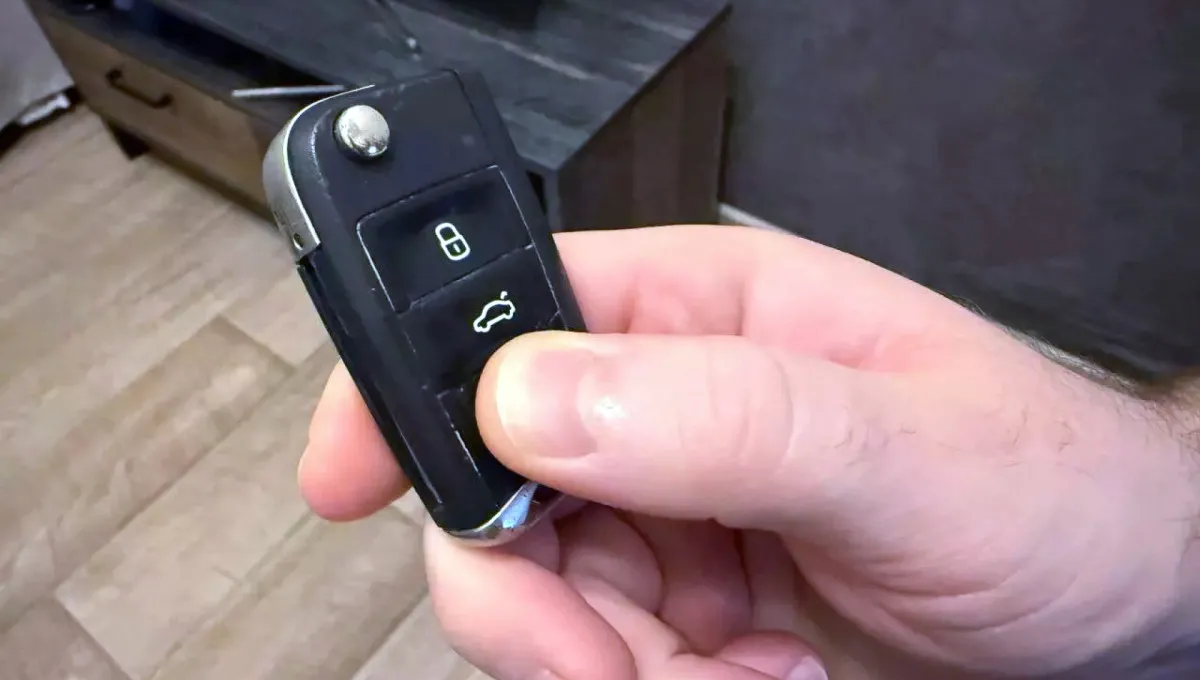
Hidden Key Fob Trick: Open All Your Car Windows With One Button
An auto mechanic explains how drivers can remotely open and close car windows using a key fob, provided the vehicle has the right hardware.
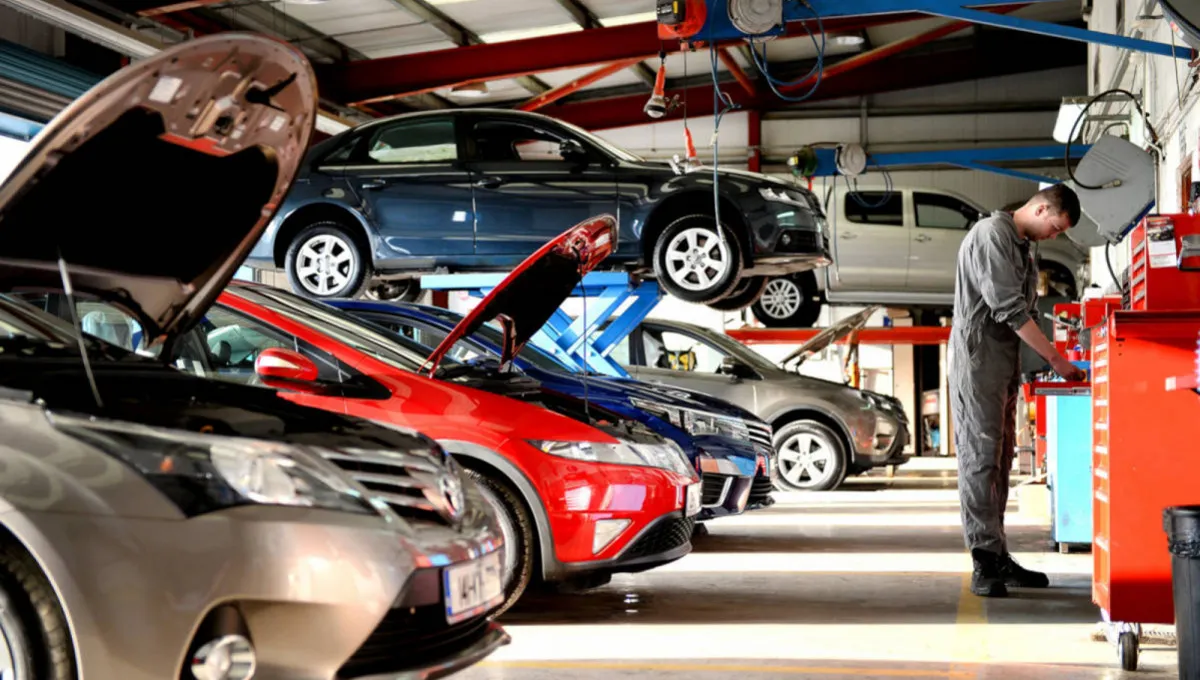
8 Car Maintenance Mistakes That Could Cost You Thousands if You Wait Too Long
Depending on driving conditions, some maintenance tasks may need to be performed sooner and more often than the automaker recommends.