
U.S. Tests Advanced Hypersonic Engine With No Moving Parts
GE Aerospace is conducting flight trials of the Atmospheric Test of Launched Airbreathing System (ATLAS), powered by a new engine design.

American aerospace giant GE Aerospace is testing a hypersonic engine with no moving parts.
The main advantages of a scramjet (supersonic combustion ramjet) are its minimal moving components and its ability to reach hypersonic speeds above Mach 5. GE Aerospace is now running flight trials of its Atmospheric Test of Launched Airbreathing System (ATLAS), equipped with the new scramjet engine.
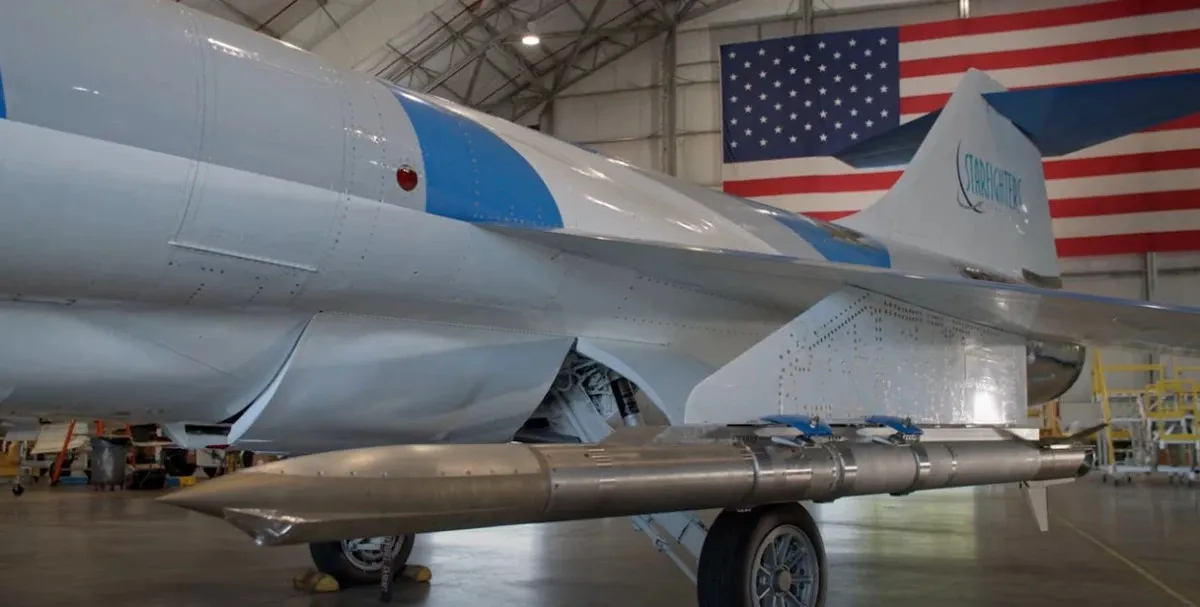
One of the biggest engineering challenges remains accelerating an aircraft to hypersonic speeds. At those velocities, incoming air floods the engine at extreme pressure and heats the combustion chamber to several thousand degrees, potentially melting it.
The ATLAS program avoids the use of liquid fuel. Instead, the inner surface of the engine is coated with a solid hydrocarbon material that resembles rubber. This layered “fuel cake” burns as incoming air passes through, igniting the material in stages, layer by layer.
For testing, the prototype scramjet was mounted on an F-104 fighter jet that had been converted into a flying testbed capable of speeds up to Mach 2.2 — since no wind tunnel can truly simulate hypersonic flight. At this stage, however, the engine itself was not ignited; the goal was to validate aerodynamic performance.
You may also be interested in the news:
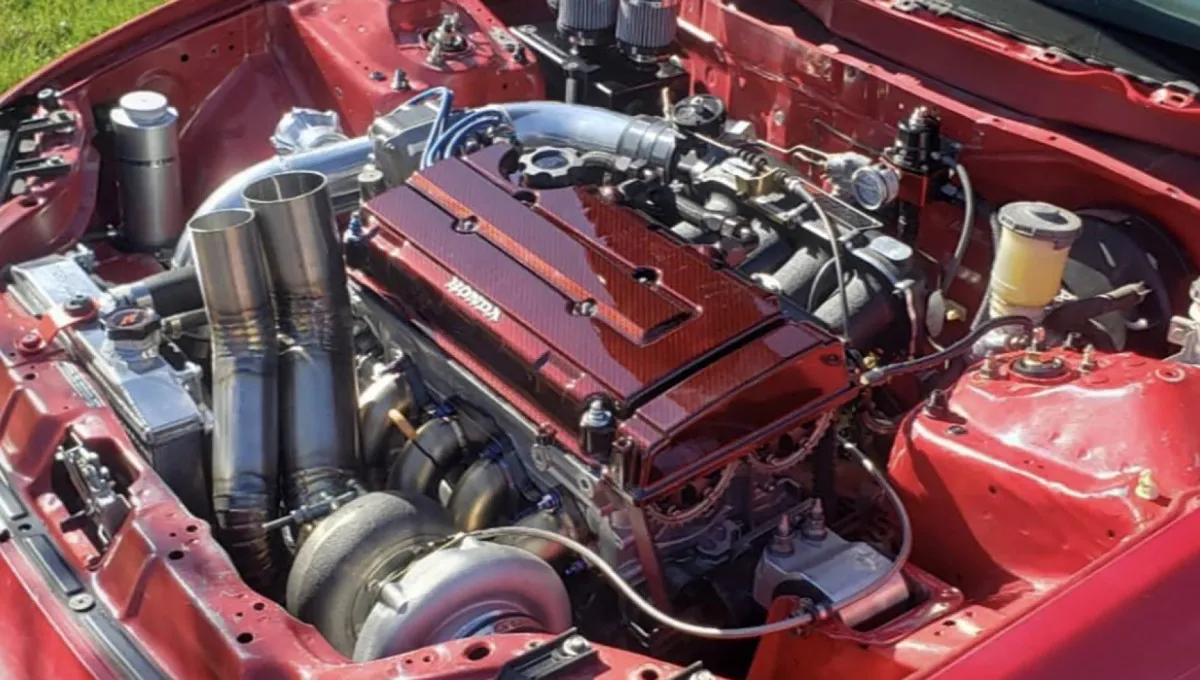
Honda K-Series Engines Can Go Past 300,000 Miles — Here's Why They're So Reliable
How long can a Honda K-series engine last, and what makes this family of Japanese engines so durable?

5 of the Most Beautiful Chevrolet Cars: Timeless Designs With Stunning Silhouettes
Which Chevrolet models deserve to be called the most beautiful?
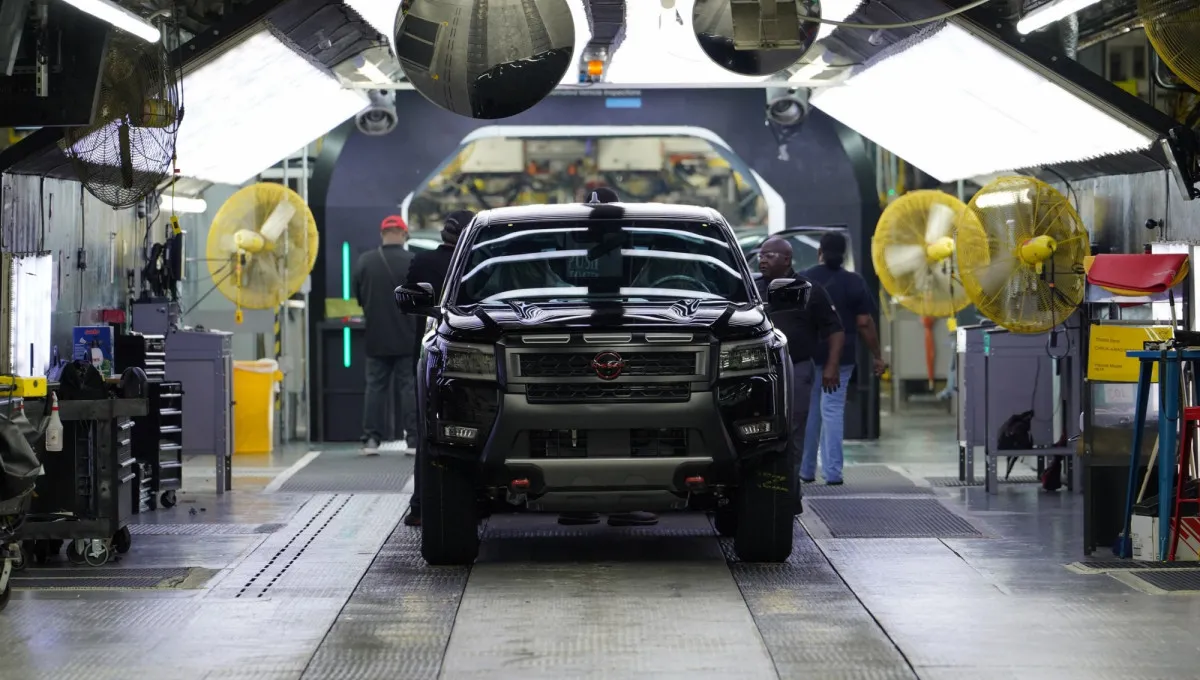
Nissan Restarts US-Made Murano, Pathfinder, Frontier Sales in Canada
Nissan resumed Canadian sales of three U.S.-built models, but tariffs keep supply below earlier levels.

41,748 Ford SUVs and Trucks Recalled—Your Headlights Could Suddenly Stop Working
Ford recalls 41,748 vehicles after contaminated LED chips threaten required headlight performance on newer models.

The Sheriff Knew She Was Speeding—Then This Blonde Driver Turned the Ticket Against Him
A sheriff pulls over a Ferrari for speeding, but the driver's bizarre logic quickly turns the traffic stop against him.