
Will They All Survive? The True Number of Chinese Car Brands Revealed
China’s economic boom has given rise to an equally powerful automotive industry that’s now challenging the long-established global hierarchy. Today, we take a closer look at what China’s automakers are offering—and what the world will have to face in the coming years.
For more than a century, the global auto industry—roughly 120 years old—was relatively stable. It was dominated by American, European, and later Japanese and Korean brands. But the past five years have dramatically reshaped that balance of power. China’s economic boom has created an automotive industry strong enough to challenge the old order.
So what sets China’s auto market apart? Its sheer scale and number of players. As of October 2025, China is home to over 100 car brands. For comparison, the combined total of European, American, Japanese, and Korean brands is fewer than 90. With more than 24 million vehicles sold annually, China’s vast domestic market can sustain an extraordinary level of diversity.
However, not all Chinese carmakers are created equal. They can be divided into several clear categories, each with its own strategy and target audience.
1. Budget Brands
These brands rely on older technologies and platforms, often derived from outdated Western models. Their main advantage is ultra-low pricing, aimed at buyers in smaller cities and rural areas.
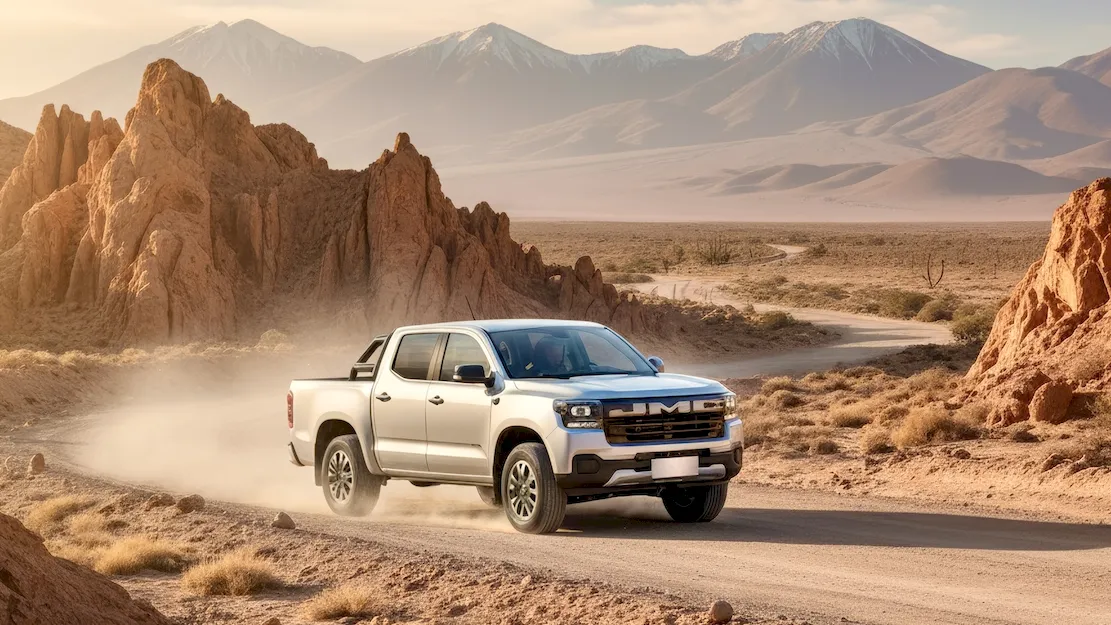
Examples: Haima, Hengrun, Pocco, Vi Auto.
Export-focused brands: SWM, ZX Auto, JMC.
2. Mainstream Brands
This is the largest segment, dominated by major conglomerates like Chery Automobile, Geely Automobile Holdings, and Great Wall Motor (GWM).
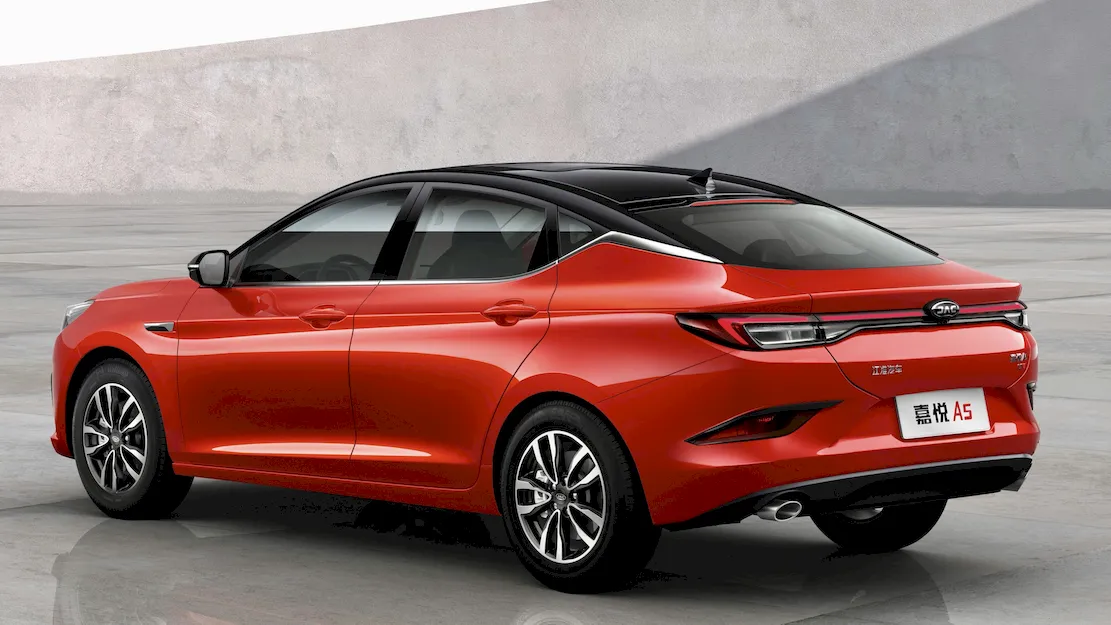
It can be further divided into three subgroups:
-
Economy segment: JAC, Forthing, and others.
-
Mass market: BAIC, Bestune (FAW), Changan, Chery, Haval, as well as MG (owned by SAIC) and Geely—both rapidly expanding in Europe.
-
Upper mass market: Jetour, Omoda, and Jaecoo (all Chery sub-brands), along with the giant BYD, which already holds 1.1% of the European market.
3. Premium Brands
These brands offer higher levels of technology, design, and comfort but have yet to reach true luxury status.
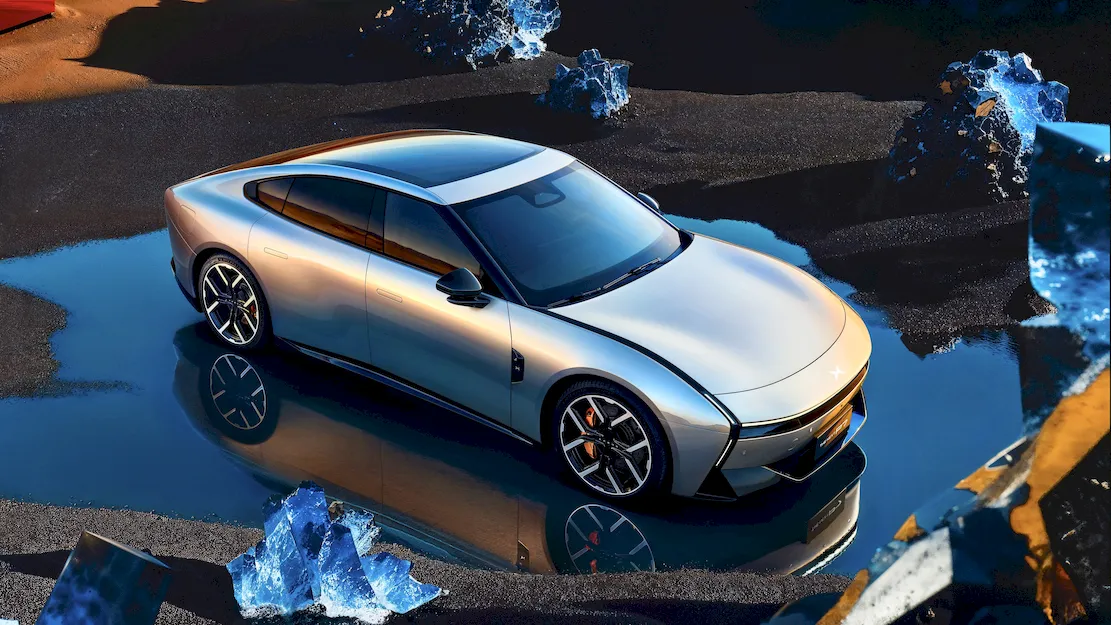
The best-known in the international market include Hongqi (FAW), Voyah, Zeekr, Lynk & Co, Tank, and Xpeng.
There are also emerging premium players still largely unknown outside China, such as Denza, Stelato, MHero, and Yuanhang.
4. High-Tech Brands and EV Startups
These are the driving force behind China’s electric revolution—agile, tech-savvy companies often backed by IT giants.
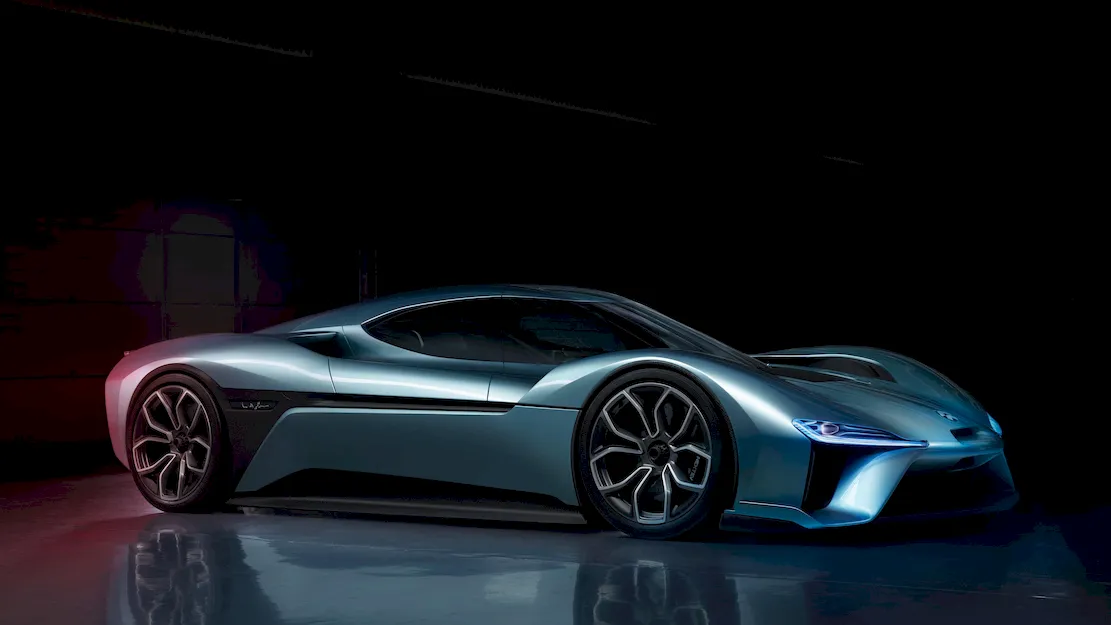
Key names include Xiaomi, Luxeed, NIO, Avatr, Aito, and Li Auto.
5. Luxury Brands
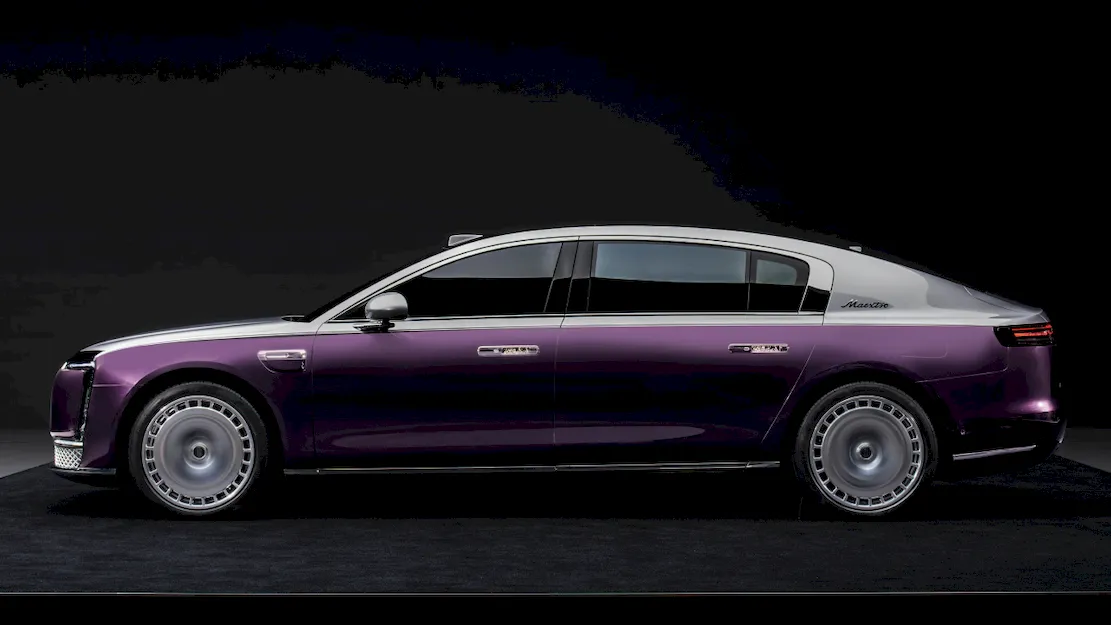
At the very top of the market are the brands aiming to compete with Bentley, Maserati, Mercedes-Maybach, and Porsche.
Currently, only three Chinese marques have such ambitions:
Golden Sunflower (a sub-brand of Hongqi), Yangwang (a BYD subsidiary), and Maextro (a joint venture between JAC and Huawei).
It’s clear that such a vast number of brands cannot coexist indefinitely. A wave of industry consolidation is inevitable. Yet China’s massive domestic market gives these companies a rare opportunity to survive and grow.
Beijing’s global expansion strategy is deliberate and long-term, and it’s already redrawing the map of the global auto industry. China is no longer just the “world’s factory”—it’s a new powerhouse of automotive innovation, offering an unparalleled diversity of brands and technologies.
You may also be interested in the news:
2027 Ram 1500 Rumble Bee: Pricing, Options and How to Build Yours
The 777-HP Ram Rumble Bee Is Coming — But You Can Buy the New Hemi Truck Now
“Are You Sure It’s Chinese?” Who Really Builds China’s Car Engines
Who Really Develops China’s Car Engines?
This Ford F-150 Isn’t Just a Pickup — It’s an Orange Apocalypse on Four Wheels
This outrageous Ford F-150 listing turns an ordinary pickup into a mud-loving, obstacle-crushing legend with attitude.
Nissan Restarts US-Made Murano, Pathfinder, Frontier Sales in Canada
Nissan resumed Canadian sales of three U.S.-built models, but tariffs keep supply below earlier levels.
Stellantis Just Revealed Nine New Cars Under $40,000 — And Two Could Cost Less Than $30K
Stellantis plans nine cheaper vehicles as high prices leave American shoppers with fewer affordable new-car choices.