
All-New Nissan Teana Ushers In the “Smart Era” of Gasoline Cars: The World’s First ICE Model with Huawei’s HarmonyOS 5 Smart Cockpit
Until now, Huawei’s advanced infotainment system had been available only in electric and hybrid vehicles.
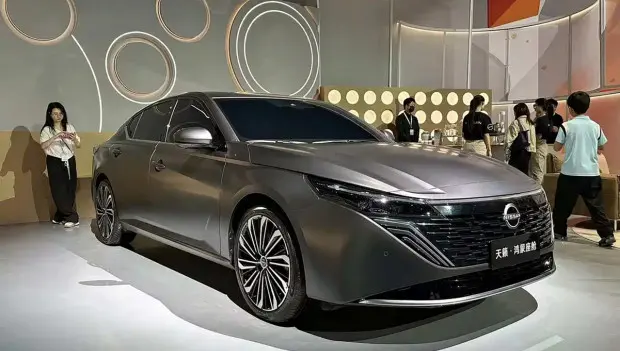
The first gasoline-powered car equipped with Huawei’s HarmonyOS 5 infotainment system has been unveiled — the refreshed Nissan Teana. The joint project between Huawei and Dongfeng Nissan marks a breakthrough in smart automotive technology in China, as systems previously reserved for hybrids and EVs are now making their way into traditional gasoline vehicles.
The next-generation Teana features not only the HarmonyOS 5 system and a 15.6-inch central display but also a premium 17-speaker Huawei Sound audio system.
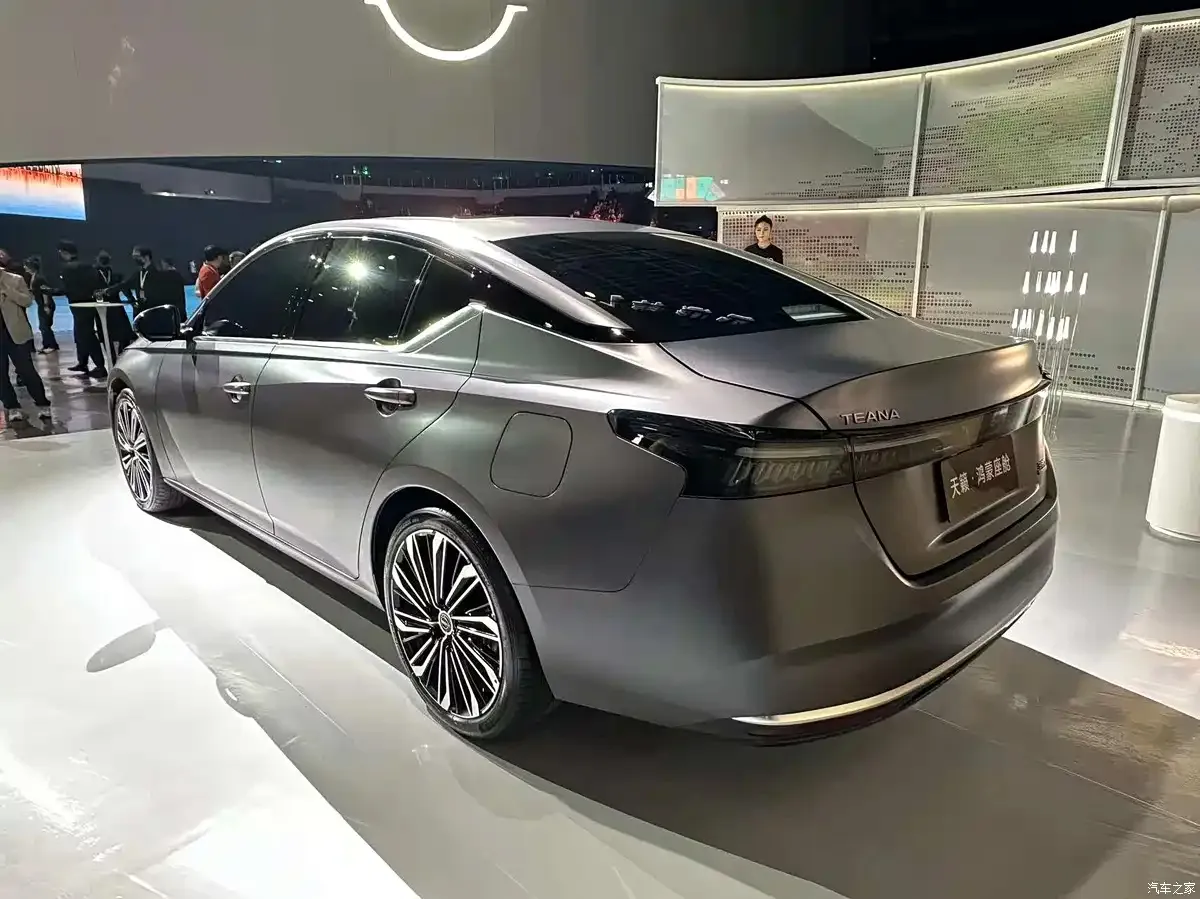
The partnership between Huawei and Dongfeng Nissan is already being described as an “ecosystem revolution” — an example of how cutting-edge digital technologies are merging with conventional automotive engineering.
Mass production of the Nissan Teana began just a few days ago. The sedan is powered by a 2.0-liter turbocharged engine producing 243 horsepower, paired with a CVT that simulates eight gear shifts. The car measures 4,920 × 1,850 × 1,447 mm with a wheelbase of 2,825 mm. Its market debut is expected by the end of this year.
You may also be interested in the news:
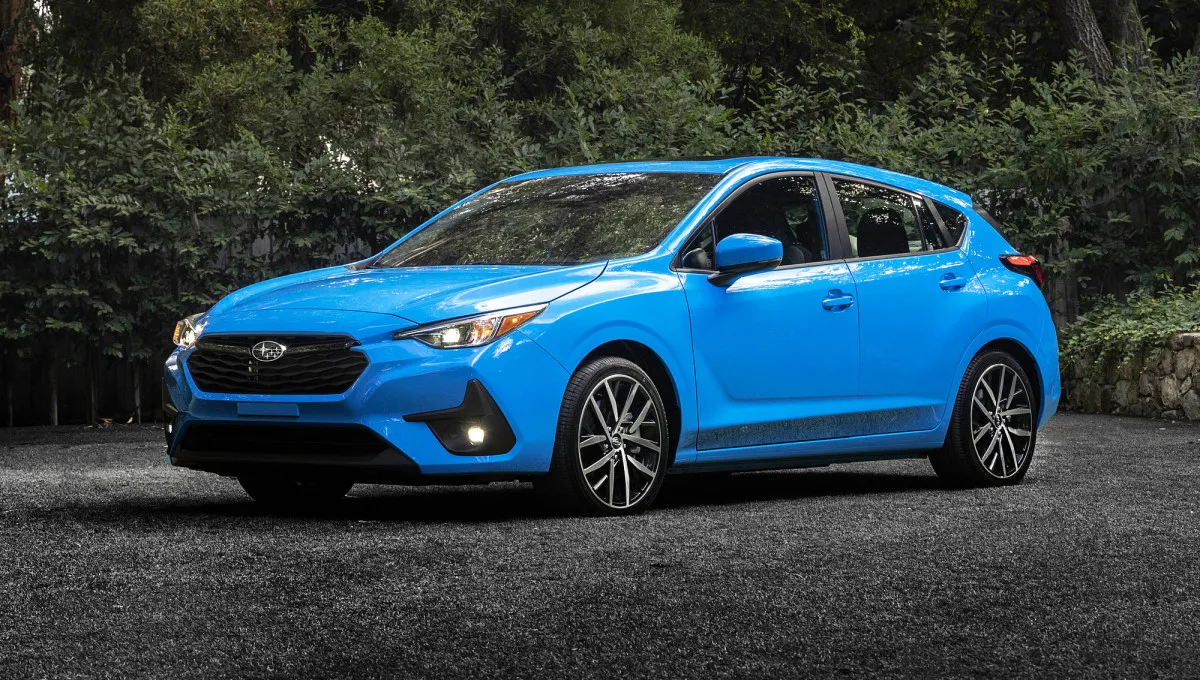
Subaru Just Cut 8 Standard Features From the Impreza — Here’s What Owners Now Have to Pay For
Subaru has updated the Impreza in Japan, with pricing starting at about $19,000 and fewer features included as standard.
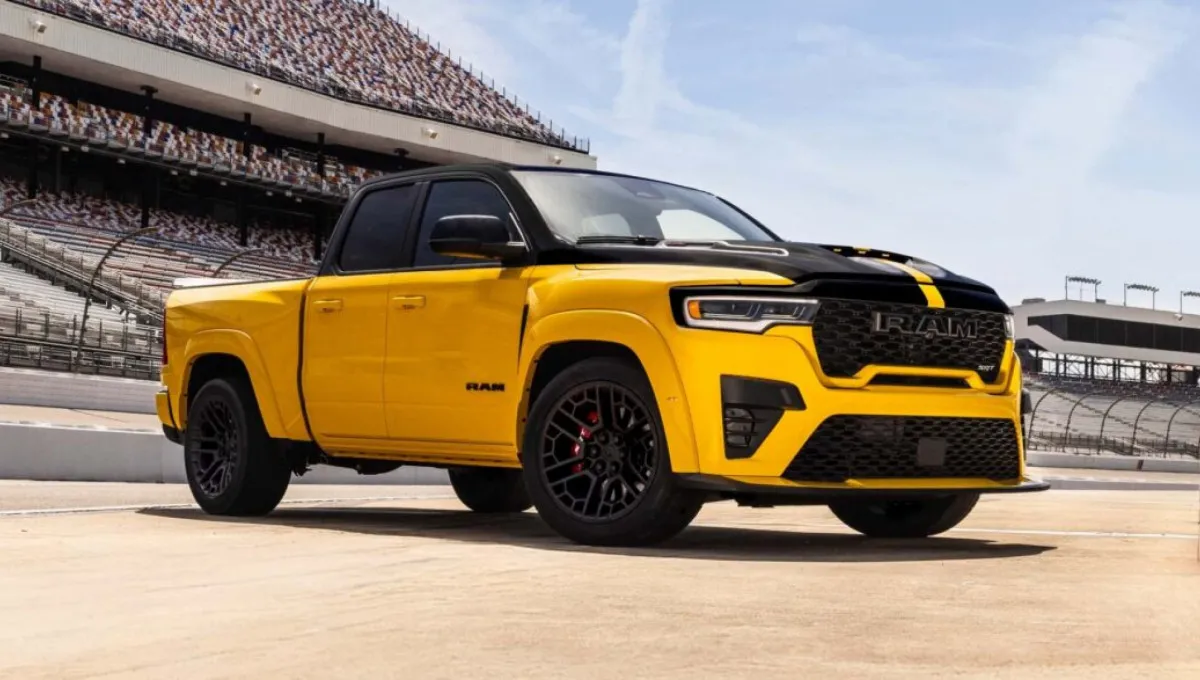
UFC Boss Dana White Buys Two Unique Ram Trucks for $1.5 Million
Dana White paid $1.5 million for the first customer-bound 2027 Ram 1500 Rumble Bee SRT and a one-off Viper-powered Ram SRT-10.
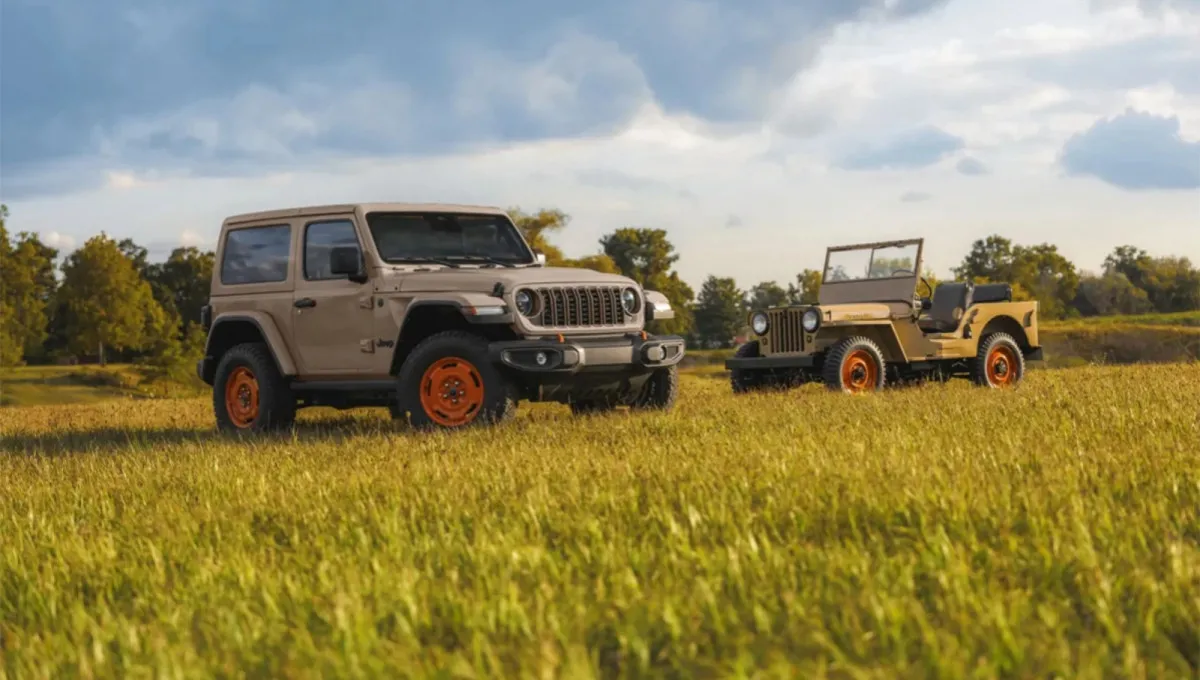
2027 Jeep Wrangler JL-2A Brings the Original CJ-2A Back to Life
Jeep revives the spirit of its first civilian model with a retro Wrangler featuring orange wheels and military-inspired styling.
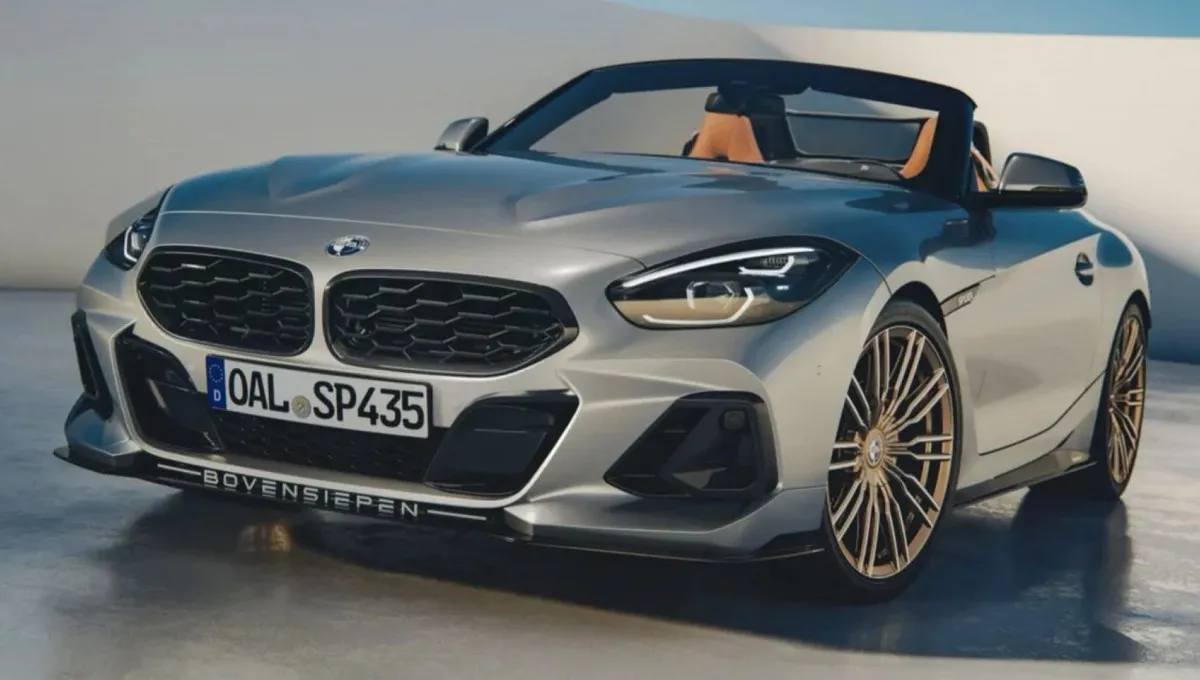
Bovensiepen Spider Debuts as Former Alpina Specialists Rework the BMW Z4
Bovensiepen has unveiled the new Spider roadster based on the BMW Z4. The car gets exterior modifications and a more powerful engine for improved performance.

Cord Returns in 2028: From Vintage Style to Space-Age Futurism — What Models Could We See?
Cord cemented its place in automotive history with two iconic models that pushed American design and engineering forward.