
Dealers Warned About New Car-Theft Scheme: Scammers Pose as Transport Companies to Steal Luxury Vehicles
In recent months, dealerships have increasingly faced a troubling trend: fraud schemes during vehicle transport are on the rise.
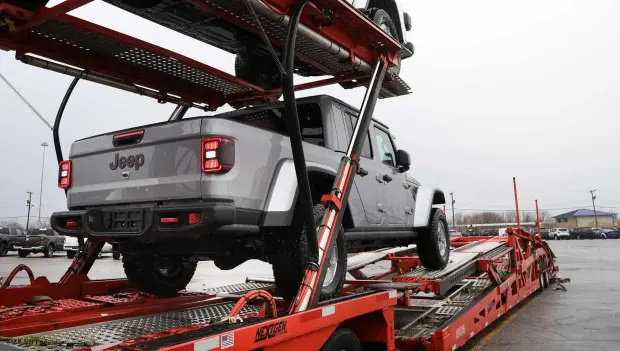
In recent months, dealerships have been seeing a growing and alarming trend: fraudulent schemes during vehicle transportation. Criminals pose as transport companies, show up to pick up a vehicle, and make it appear as if everything is going according to plan. By the time it becomes clear the carrier was fake, the car is long gone.
The problem is worsened by the booming interstate trade in high-end used cars. Deals often involve brokers, auctions, shippers, and multiple dealerships. The more links in the chain, the easier it is for criminals to exploit communication gaps and weak verification during handoffs. Representatives from Cox Automotive’s transport division note that each “handoff” creates a window of opportunity for those targeting valuable vehicles.
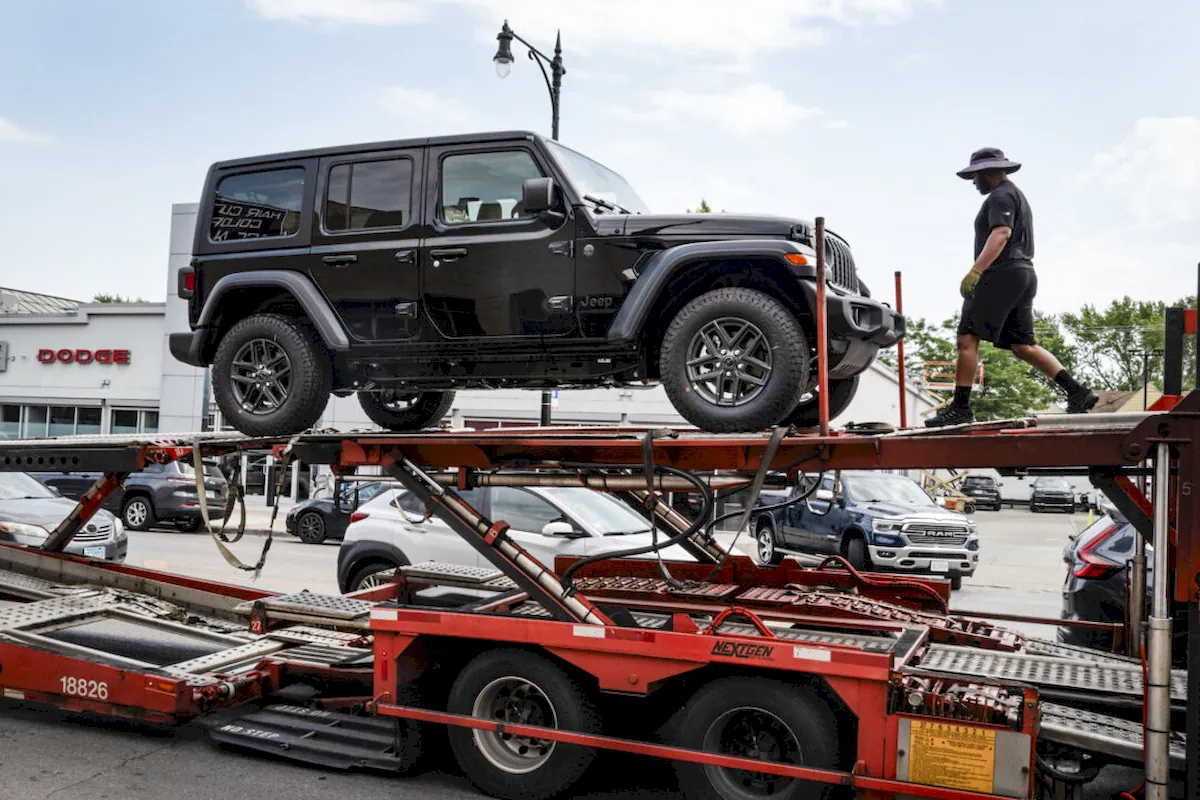
A notable case occurred in January. Illinois dealership Loeber Motors (Mercedes-Benz) purchased a 2023 Mercedes-AMG G63 for nearly $350,000 from a dealer in Laredo, Texas. When the official carrier arrived to pick up the SUV, it turned out the vehicle had already been taken three days earlier. Loeber Motors subsequently filed a lawsuit over the missing G-Wagon.
Experts emphasize that these thefts rarely appear amateurish. Scammers use phishing emails, cloned websites, fake carrier IDs, and sometimes even operate under the names of real companies using stolen credentials on logistics platforms. Another common scenario: criminals monitor open transport listings, identify the dealer via vehicle information, arrive before the legitimate driver, present convincing paperwork, load the car, and vanish. In some cases, the vehicle is transferred to another truck within minutes.
The solution largely comes down to discipline. Dealers are advised to verify drivers’ licenses against pre-registered carrier information and to always contact the transport company directly before releasing a vehicle. Digital safeguards—such as two-factor authentication, QR code verification, and other identity-confirmation tools—can provide an additional layer of security. Skipping these verification steps can be costly: a six-figure vehicle can disappear in a single visit from a “carrier.”
You may also be interested in the news:

Gilded 1953 Cadillac Sells for a Record $1.275 Million
The unique Cadillac Elegante, featuring an Italian aluminum body and 24-karat gold trim, went to auction for the first time more than 70 years after it was built. It became the most expensive Cadillac ever sold at public auction.
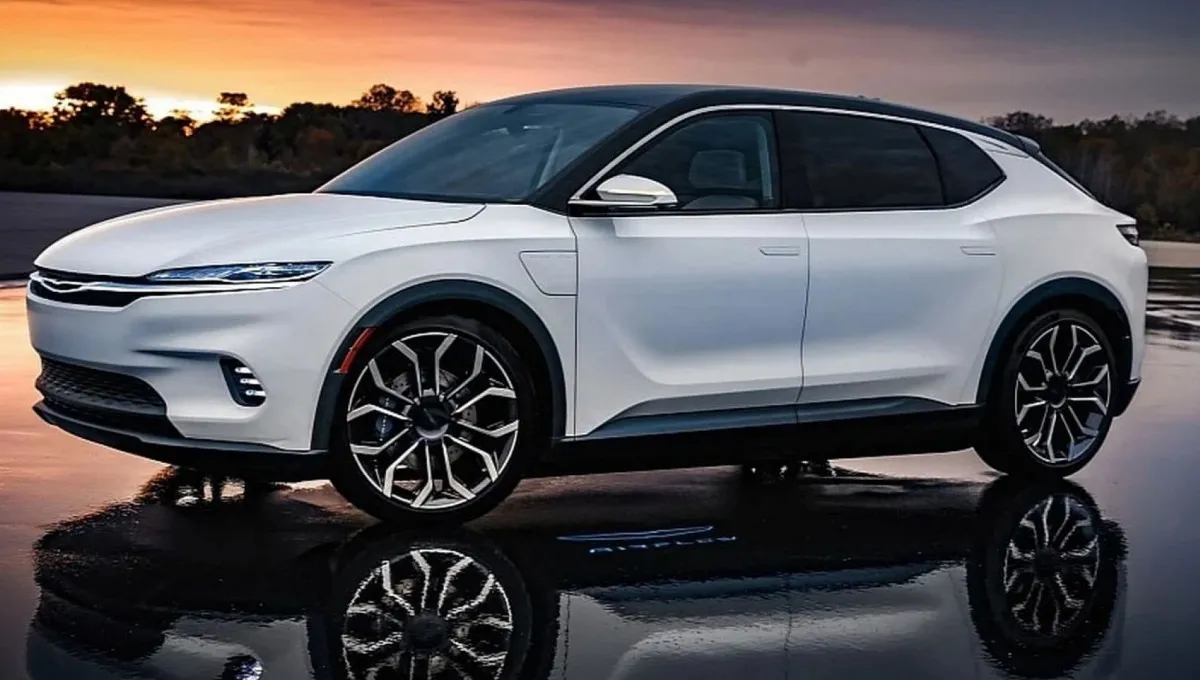
Chrysler Will Shift to Affordable SUVs as the Company Overhauls Its Strategy
The head of Stellantis announced a historic shift in how Chrysler is positioned. The American company is moving away from expensive vehicles and will focus on affordable models.
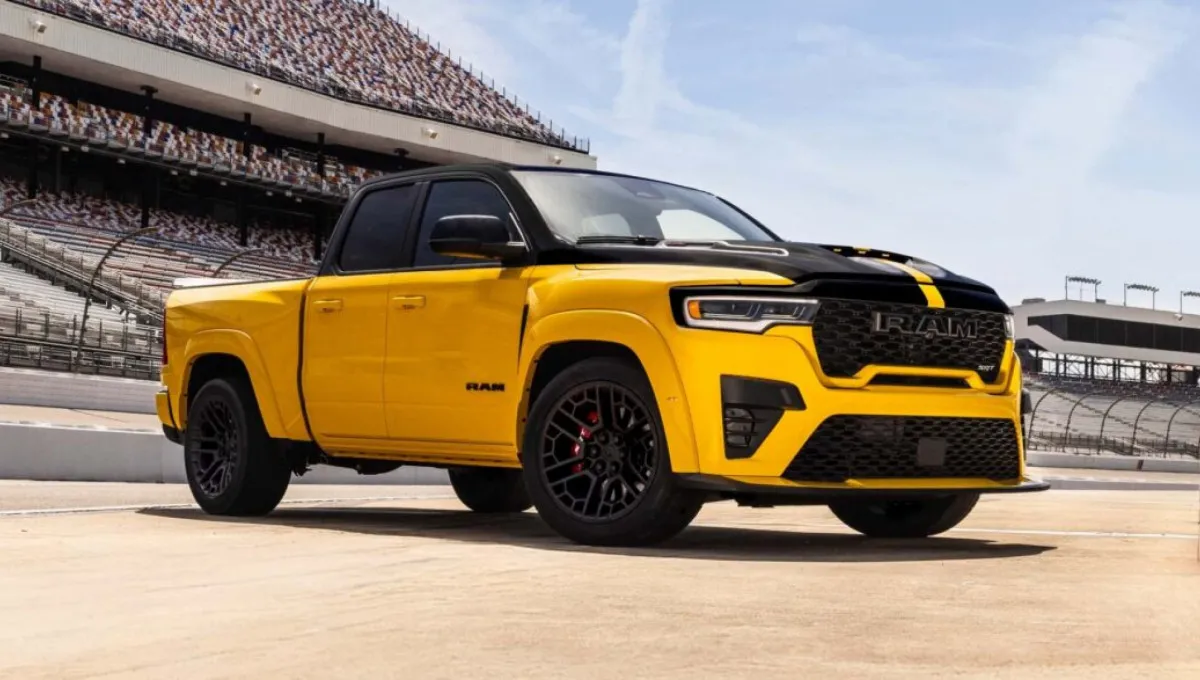
UFC Boss Dana White Buys Two Unique Ram Trucks for $1.5 Million
Dana White paid $1.5 million for the first customer-bound 2027 Ram 1500 Rumble Bee SRT and a one-off Viper-powered Ram SRT-10.
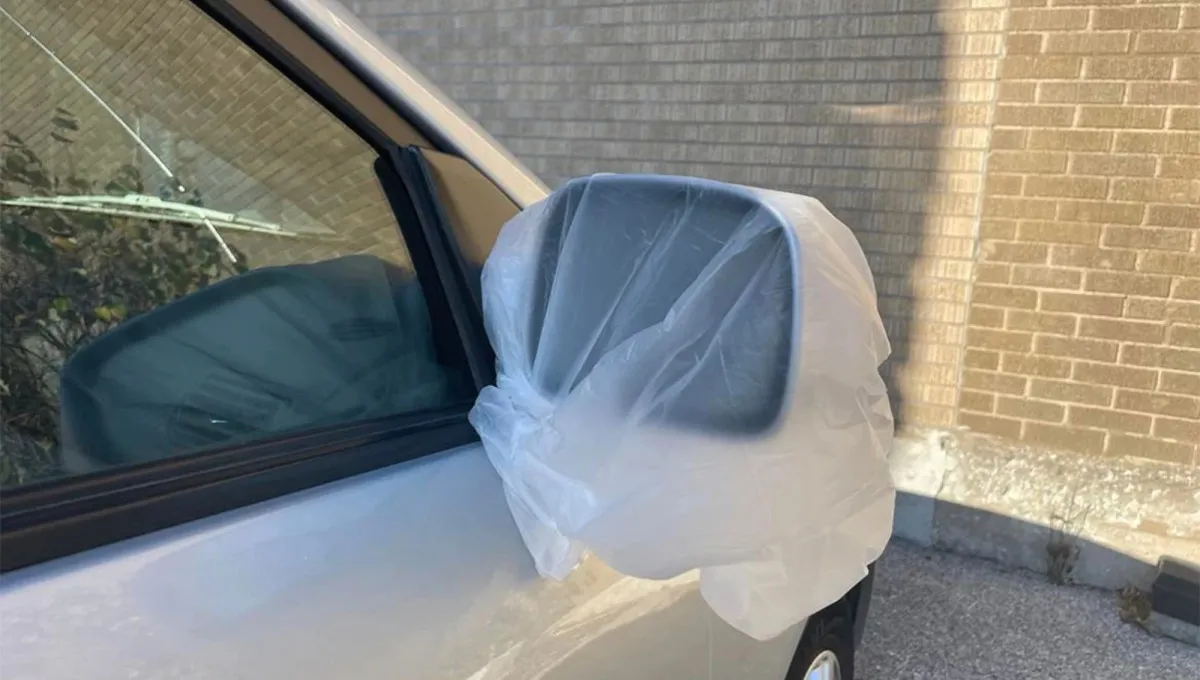
Why You Should Never Ignore a Plastic Bag on Your Car Mirror
You park your car, head inside, and return a short time later to find an ordinary plastic bag hanging from the side mirror.

2027 Jeep Wrangler JL-2A Brings the Original CJ-2A Back to Life
Jeep revives the spirit of its first civilian model with a retro Wrangler featuring orange wheels and military-inspired styling.