
U.S. EV Sales Drop Sharply After Federal Tax Credit Ends
New data shows electric vehicle sales falling sharply after the federal EV tax credit expired.
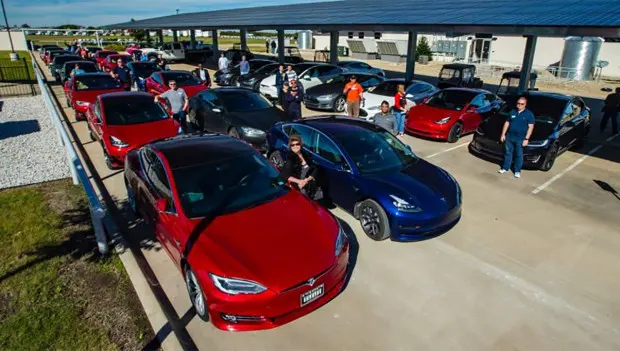
According to figures from S&P Global Mobility cited by Automotive News, about 59,802 new electric vehicles were registered in January across the country. That represents a 41% decline compared with the same month a year earlier.
With total new-vehicle registrations at roughly 1.2 million, fully electric models accounted for just 5.1% of the market. A year earlier, EVs held a significantly stronger 8.3% share.
Meanwhile, more traditional powertrains quietly regained ground. Gasoline-powered vehicles increased their market share by 2.3 percentage points, reaching 76.6%. Hybrid models also gained momentum, rising 1 percentage point to 14.7%.
The EV segment is still dominated by Tesla. In January, the company registered 32,123 vehicles in the U.S. However, even Tesla felt the slowdown, with registrations falling 26% year over year.
Interestingly, Tesla’s share of the EV market actually grew by 11%, reaching 53.7%. That shift mainly reflects how much harder other manufacturers were hit by the market decline.
Second place in the EV rankings went to Cadillac, but with a massive gap—just 3,189 registrations, more than ten times fewer than Tesla. Still, Cadillac was one of the few brands to show growth, posting an 8.1% increase year over year. Its share of the EV segment climbed 2.3 percentage points to 5.3%.
Hyundai recorded 3,027 EV registrations, a 23% drop compared with last year. Much of the decline came from the Hyundai Ioniq 5, which fell 22% to 2,101 units.
Sales fell even more sharply for Ford, which saw EV registrations plunge 67% to 2,772 vehicles. Meanwhile, Chevrolet dropped 55% to 2,658 units.
Against this backdrop, Toyota looked like something of an outlier. The brand managed to post 25% growth, though total EV registrations were still relatively modest at 2,529 vehicles, leaving the company behind several competitors in overall volume.
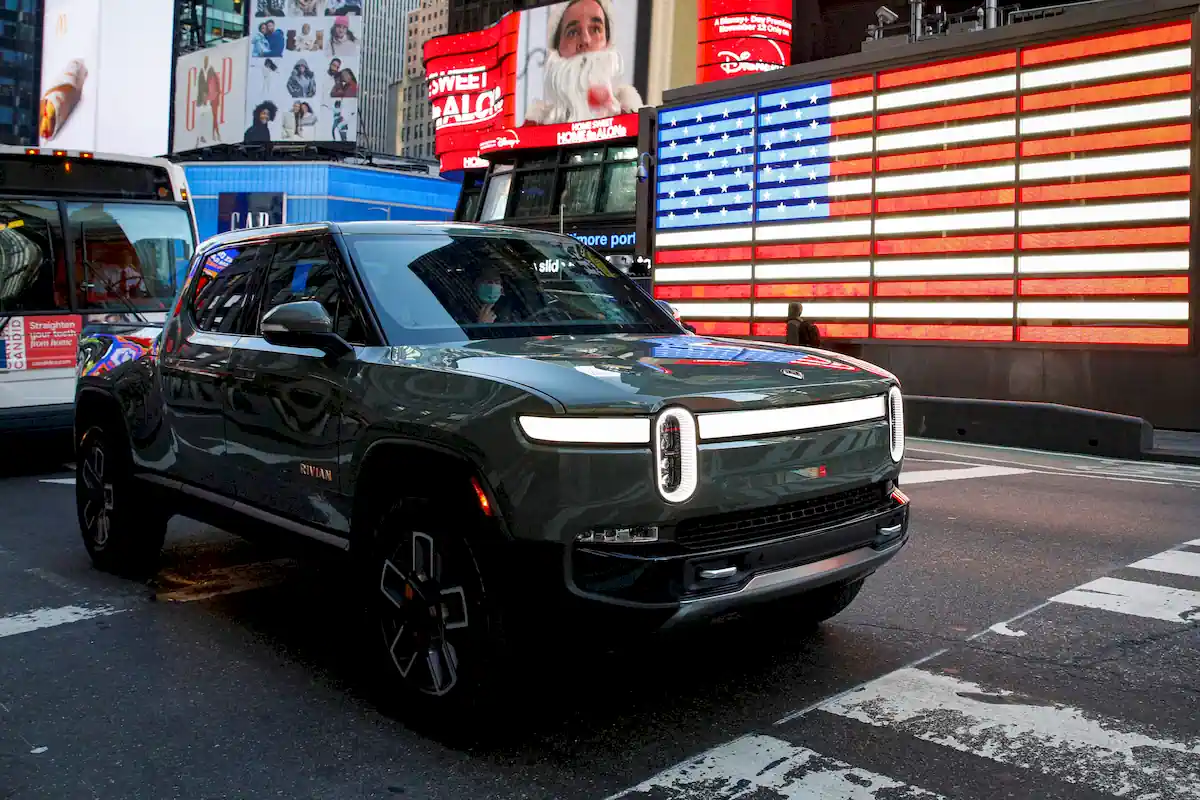
Karl Brauer, executive analyst at iSeeCars, believes the market is entering a period of “natural filtering.” Without the “carrot” of federal incentives or the “stick” of emissions penalties, weaker players may struggle to compete.
Journalists at Automotive News note that year-over-year declines have been recorded every month since the tax credit ended. Meanwhile, Tom Libby describes the current situation as expected—a kind of market reset, after which EV sales will likely recover, but only gradually.
You may also be interested in the news:

It Hauled Kids and Terrified Mustangs: The Story of Chevrolet’s Strangest 1965 Wagon
It simply did its job—loudly, heavily, and with an unmistakable sense of purpose.

5 Rare American Cars You Probably Never Knew Existed — Why They Remained Toys for the Few
America knows how to build cars. Sometimes they’re so brilliant that the rest of the world ends up copying them.

Top 5 Police Cars in U.S. History
For decades, American police departments have relied on powerful cars that became as iconic as the officers behind the wheel.

Crazy Studebaker: The 75 mm Gun Motor Carriage T27
The Studebaker T27 was an ambitious American attempt to build a low-profile, highly mobile tank destroyer before the concept was ready.

The $245,000 K5 Blazer Looks Incredible—But It's Not Perfect
ECD Automotive Design built a stunning custom Chevrolet K5 Blazer, but its quarter-million-dollar price comes with some questionable panel gaps.