
MG EXE: ION Stuns the Industry — A Concept Car That Moves on Its Own Ion Wind
MG EXE: ION — a digital experiment or the future of electric mobility? Here’s how ion wind propulsion actually works.
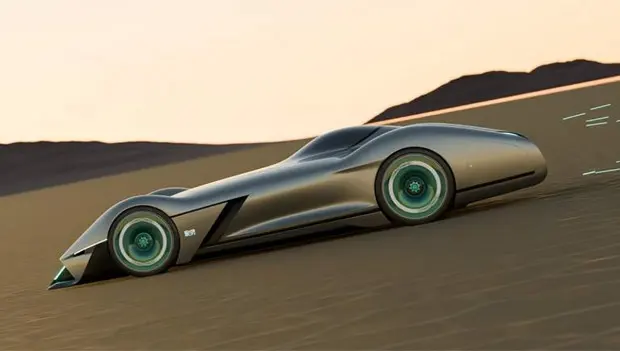
MG has done it again — the EXE: ION concept is unlike anything the brand has shown before. This futuristic prototype generates its own stream of ionized air to move forward. It’s more than just a design study; it’s an attempt to completely rethink motion itself. The project continues the legacy of the brand’s experimental EX lineup, each model of which pushed beyond the limits of its time. As for what the new digital prototype is truly capable of — that remains part of the intrigue.
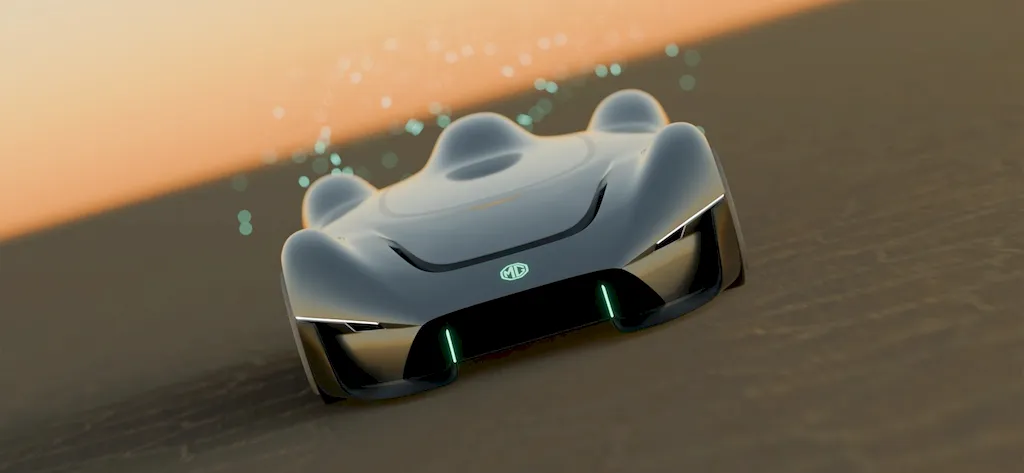
Throughout MG’s history, the EX series has symbolized experimentation and bold engineering. These cars weren’t simple prototypes; they were statements of intent. One of the most striking examples was the EX135, unveiled in 1933. Built on the successful K3 Magnette racing platform, it became a technological milestone and embodied MG’s relentless pursuit of innovation and record-setting performance.
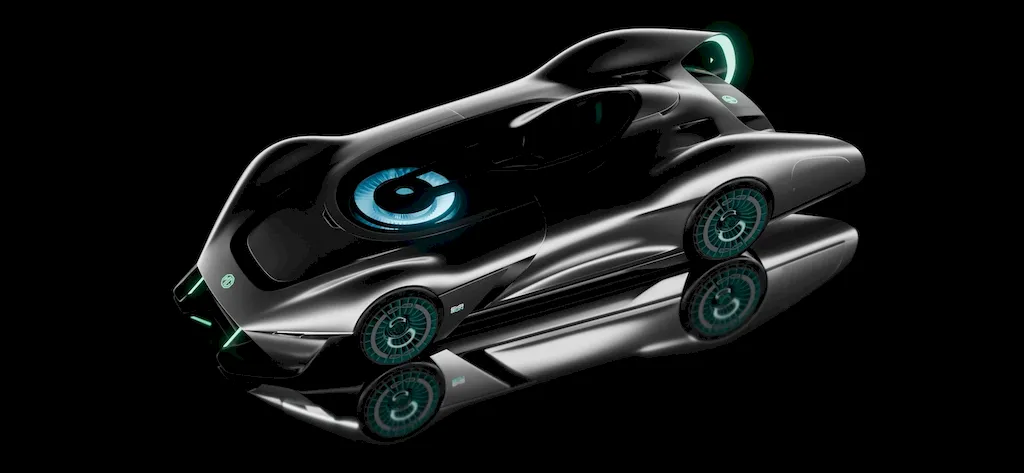
Now, nearly a century later, MG is once again looking ahead with the EXE: ION — a fully digital concept that reimagines how vehicles can move. Unlike conventional designs, this prototype doesn’t focus on horsepower or aerodynamics alone. Its core idea is to harness the power of ion wind — a force created when charged air particles accelerate under an electric field, producing thrust.
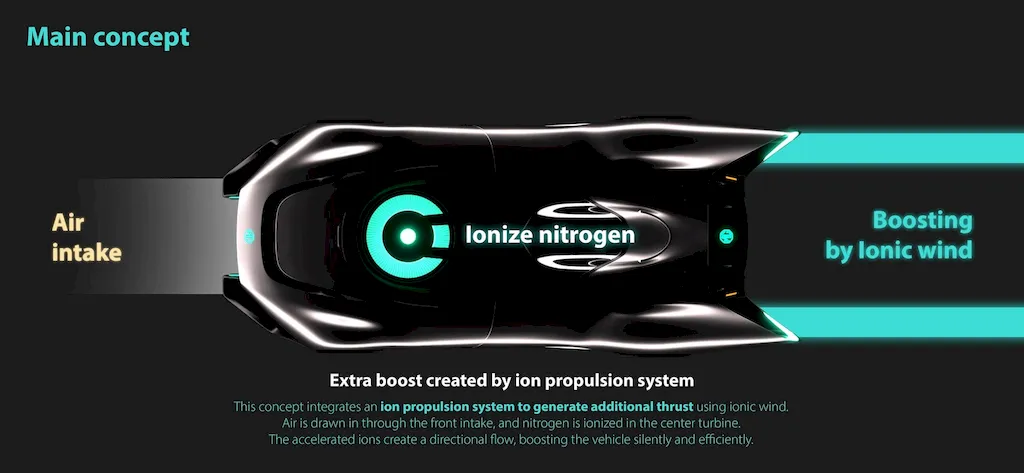
According to Auto30, MG’s engineers deliberately stepped outside the boundaries of traditional EV design. Instead of relying solely on motors and batteries, the EXE: ION explores an entirely different physical principle — one that until now has existed mostly in aerospace labs and scientific experiments. MG’s bold vision is to bring that technology closer to real-world mobility.
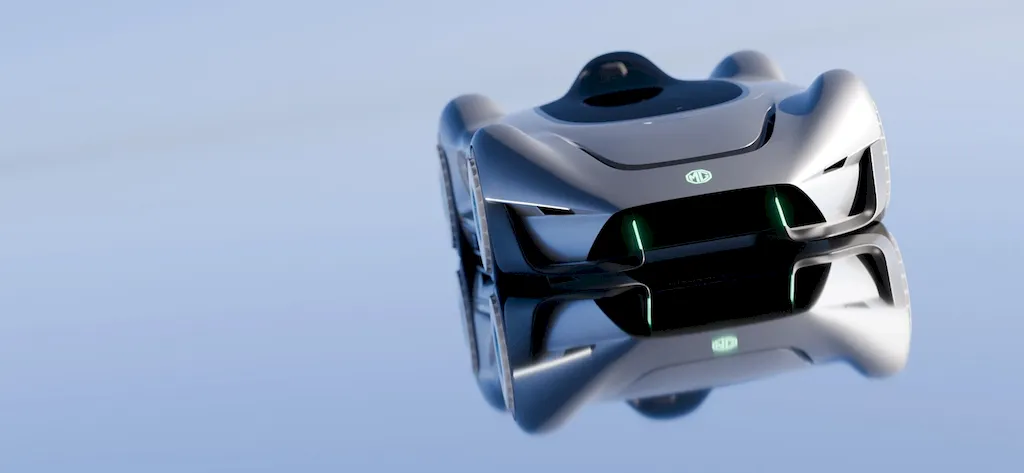
For now, EXE: ION remains a digital concept, far from any production line. Yet its very existence signals how far the automotive industry is willing to go in search of the next breakthrough. Someday, cars might move not only through the power of wheels and electric drives, but also by harnessing unseen forces of physics itself.
In essence, the MG EXE: ION isn’t just another futuristic concept car — it’s a glimpse into a new horizon of innovation, challenging everything we think we know about how vehicles should move.
You may also be interested in the news:
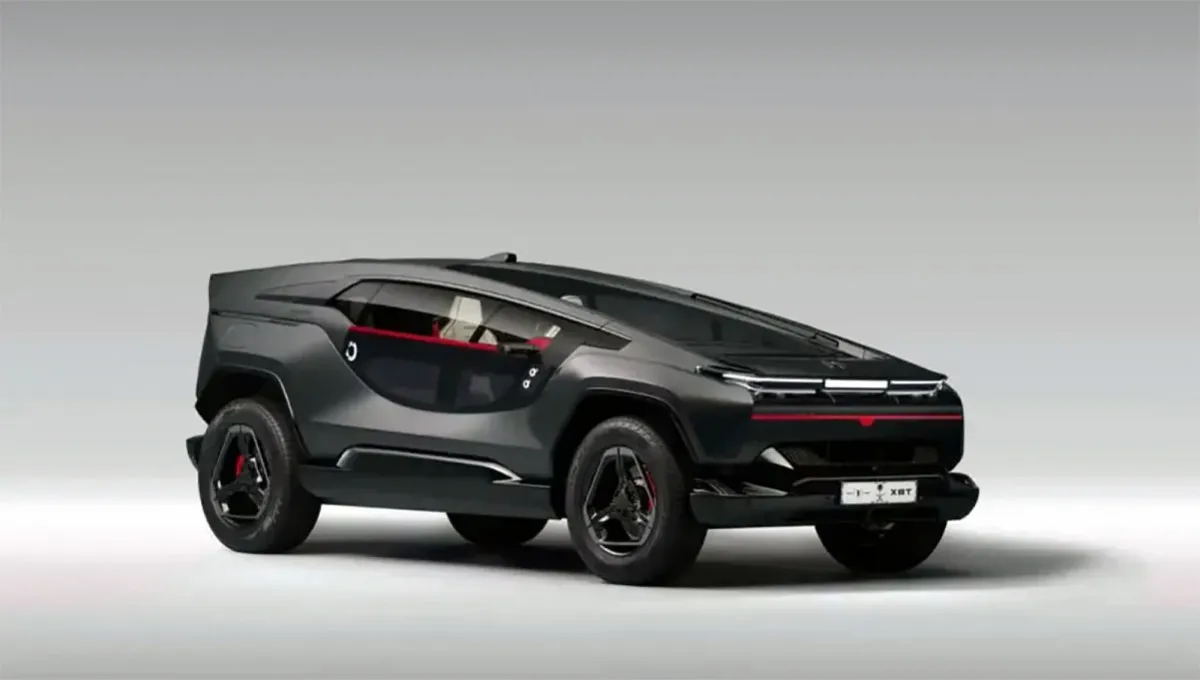
These Wild New EVs Look Like They Drove Straight Out of a Sci-Fi Movie
Saudi automaker Ceer has unveiled two futuristic electric models that look more like movie props than production cars.
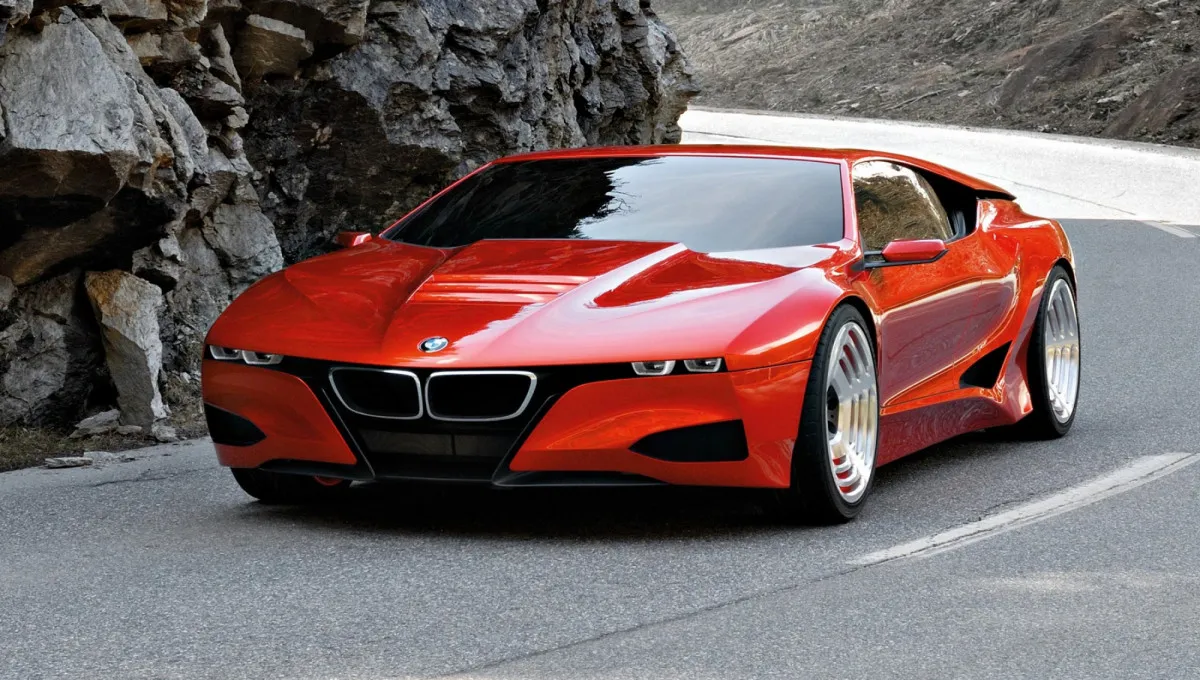
10 Wild BMW Concepts That Never Made It to Production — And the Cars They Inspired
From the Turbo to the M1 Hommage, these 10 BMW concepts showed ideas the automaker never brought to showrooms.
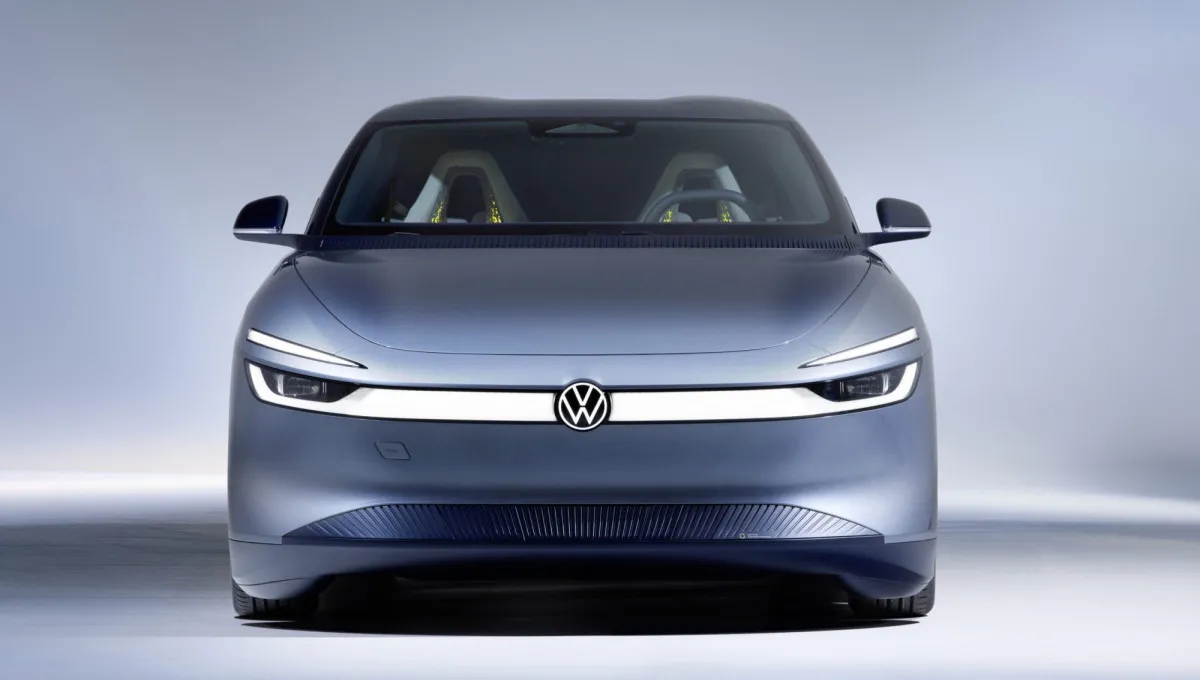
Volkswagen Mission Efficiency Concept Sets Three World Records, Looks Like a 13-Year-Old Model
Volkswagen has unveiled the new Mission Efficiency concept, a radical electric coupe focused on maximizing range and energy efficiency.
New Honda CRX Revealed in Concept Art
How a new Honda sports car smaller than the Prelude could look