
Continental to Cut Around 1,500 Jobs
The German company has announced further workforce reductions for 2026.

Automotive parts manufacturer Continental AG plans to cut up to 1,500 jobs in its ContiTech division, which produces rubber and plastic components for the automotive industry and other sectors, according to sources cited by Reuters.
The move follows Continental’s disclosure of plans to reduce ContiTech’s annual expenses by €150 million. Job cuts will primarily affect staff in Hanover. In addition to layoffs, the company plans to implement what it calls an “adaptation of production processes” next year.
Continental cites a worsening economic environment, rising competition from Chinese manufacturers, high costs, and trade tensions as the main reasons for the cutbacks. The company, which had roughly 95,000 employees at the end of 2024, has been announcing job reductions nearly every month.
Overall, Continental is focusing on its core profit driver: the tire business. In September, the company completed the spin-off of its Aumovio division, which makes brakes, safety systems, automotive software, displays, and electronics. As for the current ContiTech layoffs, the German automaker intends to eventually sell the division.
You may also be interested in the news:

Hyundai Recalls Nearly 95,000 Genesis Sedans Over Fire Risk From Power Seats
Hyundai is recalling 94,622 Genesis sedans after a faulty power seat switch was linked to overheating and potential vehicle fires.

The U.S. Builds the World’s Fastest Lawn Mower
An American-built lawn mower hit 152.8 mph at Arkansas Mile and can still cut grass.

Jeep Could Return to Its Roots With a Revived Willys
Jeep is seriously considering bringing back its iconic off-roader, the vehicle that started the brand's legendary story.
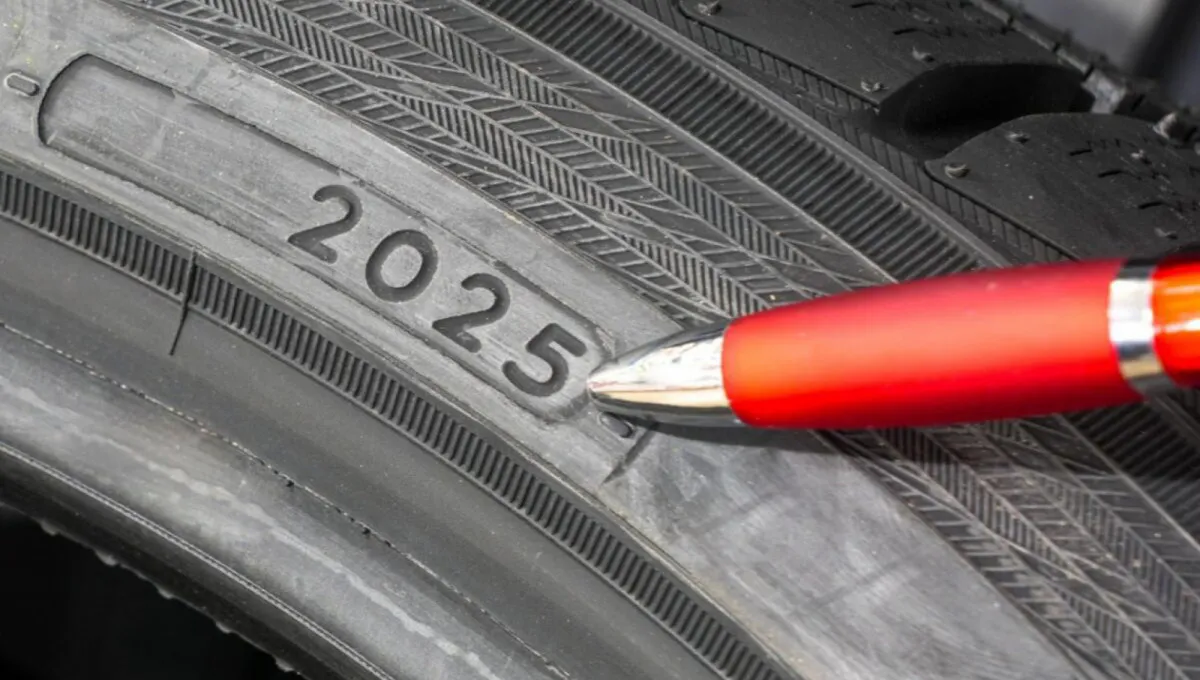
Why You Should Check a Tire’s Manufacturing Date Before Buying
Tire buyers should check more than size, tread, and brand because rubber changes with age, even without visible wear.

No Password Required: Hackers Remotely Took Control of Chinese EV Functions While the Vehicle Was Moving
An Australian investigation uncovered serious cybersecurity flaws that could expose connected Chinese vehicles to remote access.