
Canada Declares Stellantis in Default as Jeep Compass Production Shifts to the U.S.
Moving Compass assembly from Brampton to Illinois puts C$500 million in government support at risk.
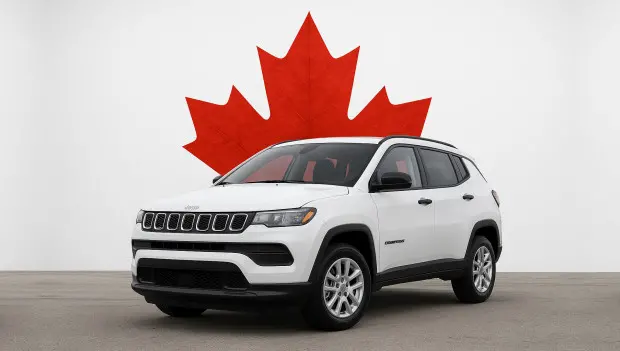
Canada has formally notified Stellantis of a contract default after the automaker decided to relocate planned Jeep Compass production from Brampton, Ontario, to Illinois — a move that now jeopardizes roughly C$500 million in government-backed incentives and threatens local jobs.
In an unusual step, Canadian officials issued an official default notice tied to commitments Stellantis made when accepting public support. Those incentives were designed to secure production in Brampton and Windsor, strengthen supply chains, and back related projects, including battery-sector initiatives. Instead, the Brampton plant has been left in limbo, and thousands of unionized workers face an increasingly uncertain future.
The rationale for the production shift appears straightforward: U.S. tariff exposure and political pressure have made American manufacturing sites more attractive, helping Stellantis protect margins and reduce potential import duties. For Canada, however, the decision sets a troubling precedent — a major recipient of public funding moving jobs across the border despite prior commitments.
The situation underscores a broader lesson: without firm, enforceable “anchors,” generous incentive packages can quickly become a fiscal liability. Future agreements in the auto sector will likely include tighter safeguards for taxpayers and stricter oversight to ensure companies meet their obligations.
You may also be interested in the news:
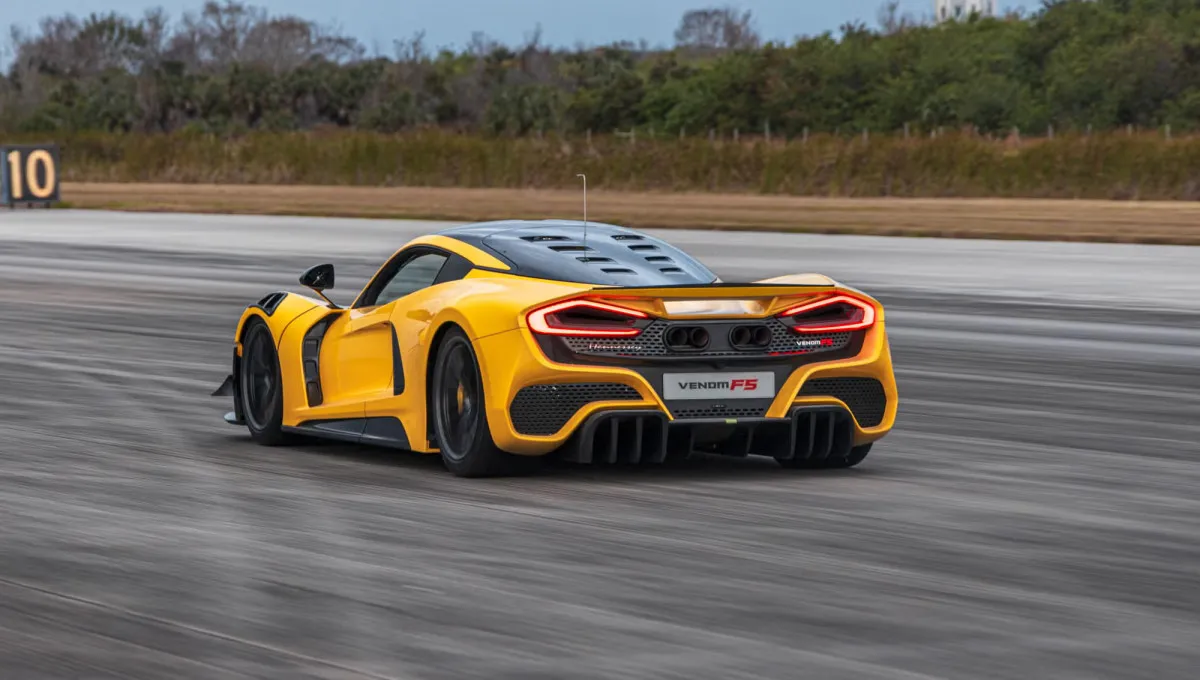
Experts Name the Two Most Powerful Production Sports Cars in the U.S.
American sports cars continue to impress with their horsepower, speed and innovative engineering, with two models standing above the rest.
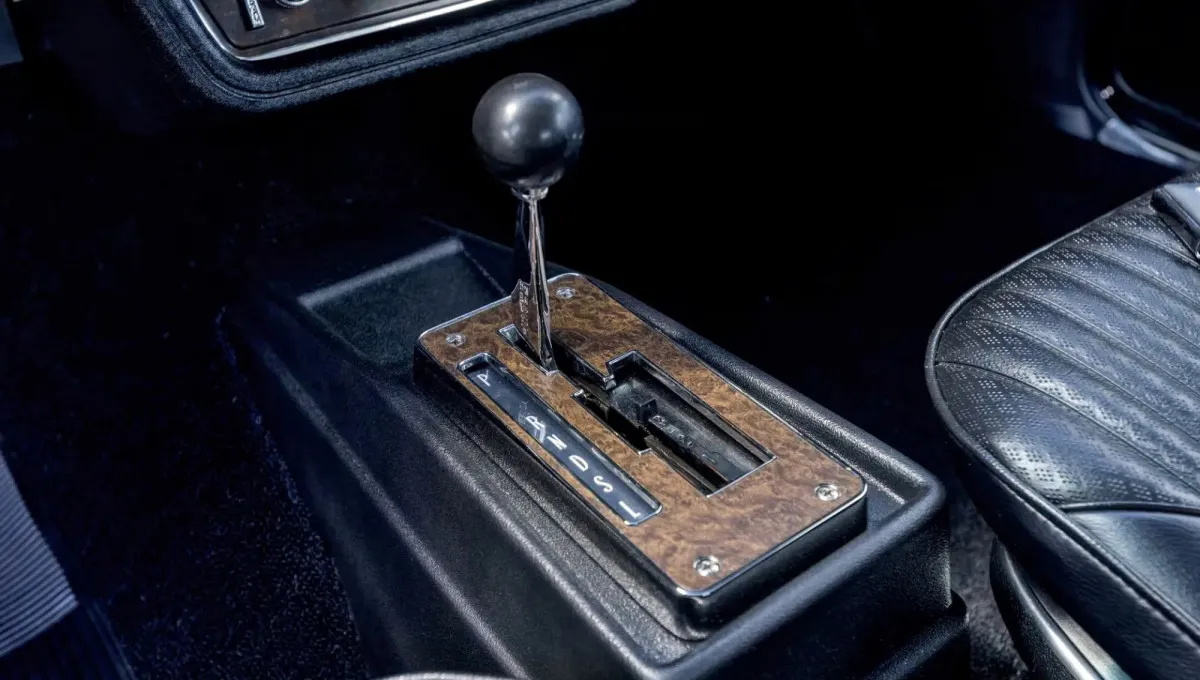
How Oldsmobile Invented a Manual Gearbox for an Automatic
Long before paddle shifters and electronic driving modes, Oldsmobile found a clever mechanical way to let drivers shift an automatic transmission themselves.
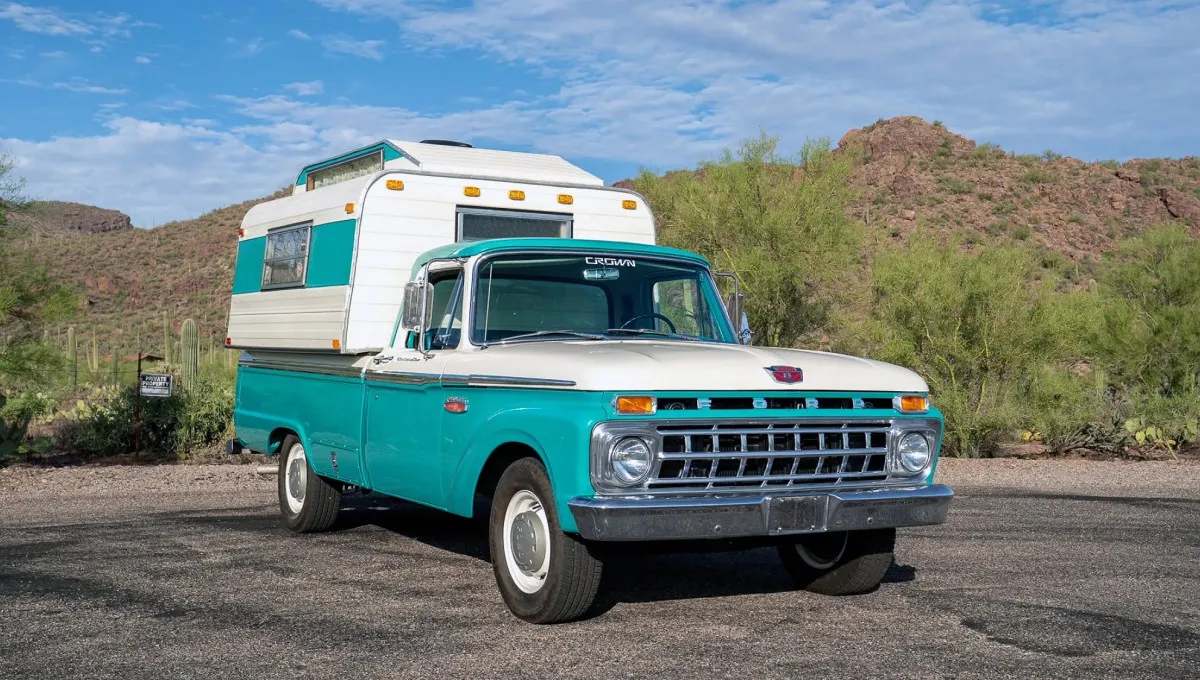
This 1965 Ford F-250 With a Mitchell & Sons Camper Is a Charming Retro Travel Companion
The 1965 Ford F-250 and Mitchell & Sons camper share colors, period styling, and compatibility.
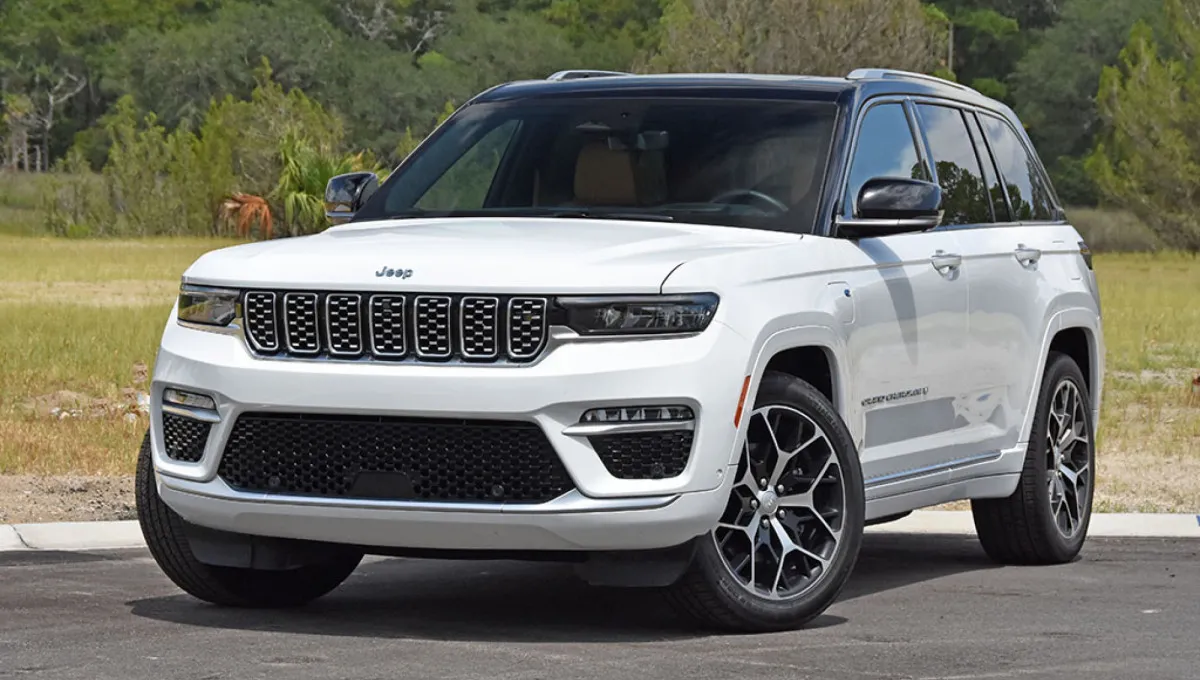
328,000 Jeep Grand Cherokees Recalled Over a Hidden Crash Risk — Owners Should Act Now
Chrysler is recalling more than 328,000 Jeep Grand Cherokees over a rear coil spring problem that could increase the risk of a crash.
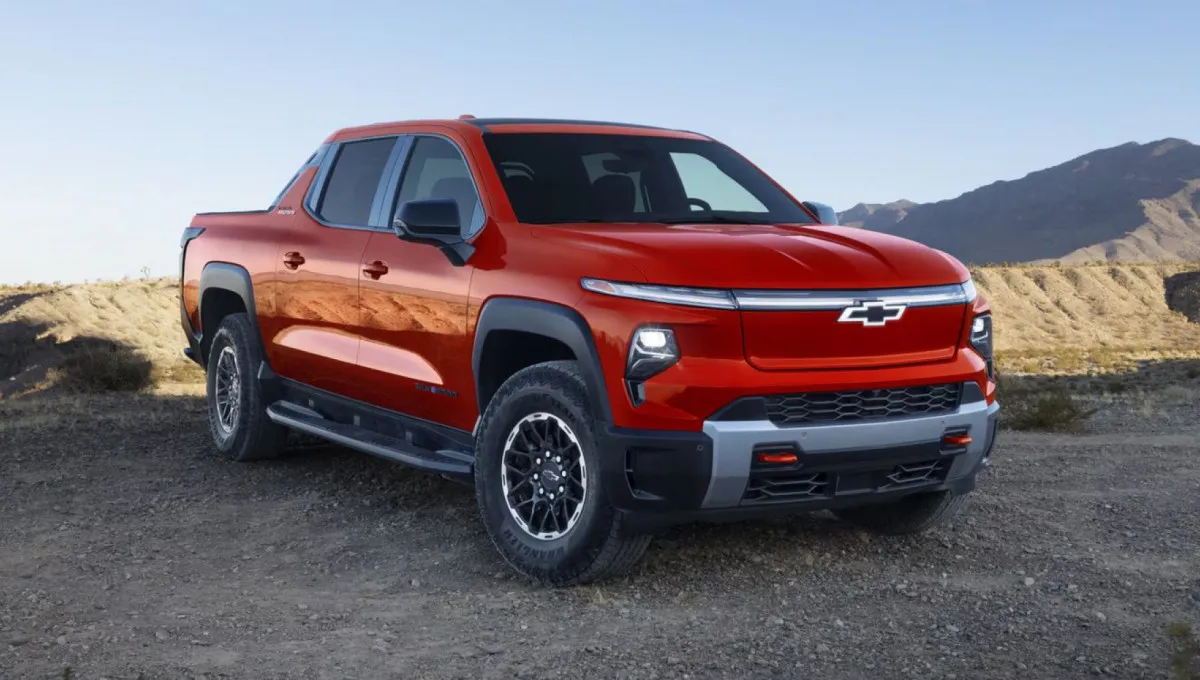
Chevrolet Raises Prices on 2027 Silverado EV and Cuts the Lineup
Chevrolet raises 2027 Silverado EV prices and cuts two trims amid weak electric-pickup demand in the market.