
New York Will Require Labels on Ads Using AI-Generated Avatars: New Rules and Penalties for Advertisers
New York State officials have taken a major step toward regulating emerging technologies.
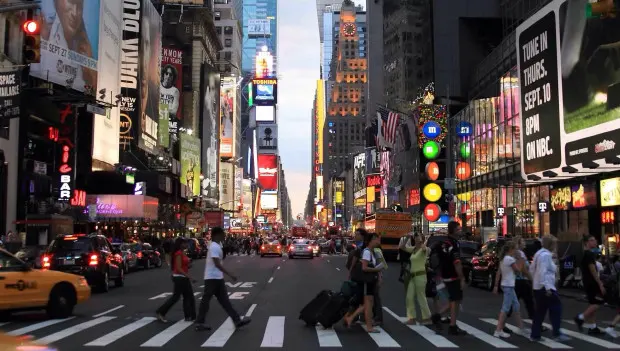
New York State has adopted a significant new measure in tech regulation: Governor Kathy Hochul recently signed a bill requiring advertisers to disclose when their campaigns feature AI-generated human likenesses. According to Hochul, the legislation — S.8420-A/A.8887-B — is the first of its kind in the United States. She says it’s designed to bring clarity to the use of new technologies, protect individual rights, and increase transparency in the advertising market. Hochul described the initiative as a matter of “common sense” — exactly the kind of guardrails she believes the moment calls for.
The governor also approved a second, equally notable bill. From now on, any company or organization wishing to use the name or likeness of a deceased person for commercial purposes must obtain permission from the individual’s heirs or estate representatives. The change is aimed primarily at the entertainment industry, especially film, where debates over the ethics of replacing human labor with AI tools — and how artists should be compensated — have become increasingly urgent.
Duncan Crabtree-Ireland, Executive Director of SAG-AFTRA’s Irish office, welcomed the new rules, emphasizing that they are the result of collaboration among artists, legal experts, and lawmakers who came together to push back against the unchecked spread of AI in creative fields. The law requires advertisers to clearly disclose the presence of digital avatars that do not depict real people so the public isn’t misled. As for the posthumous likeness bill, it expands the state’s right-of-publicity protections — an area where no federal standard yet exists and many local statutes haven’t kept pace with current technology.
There are some exceptions. If an advertisement is directly tied to an artistic work — such as a film adaptation, a show, or a video game — the disclosure rule doesn’t apply, provided the virtual avatar appears in the same context as in the original work. According to New York Focus, certain government agencies have already experimented with AI-generated material in their public messaging. In some cases, officials are exempt from restrictions because their announcements are considered to serve public interests.
Violations of the disclosure requirement carry a $1,000 fine for the first offense, rising to $5,000 for repeated violations. These developments come as federal-level debates heat up: Donald Trump, judging by his posts on Truth Social, appears eager to curb state-level AI regulations. It remains unclear what actions the former president plans to take, but one thing seems certain — both conservatives and liberals in New York agree that heavy-handed federal interference isn’t likely to gain support in the state.
You may also be interested in the news:

5 of the Most Beautiful Chevrolet Cars: Timeless Designs With Stunning Silhouettes
Which Chevrolet models deserve to be called the most beautiful?
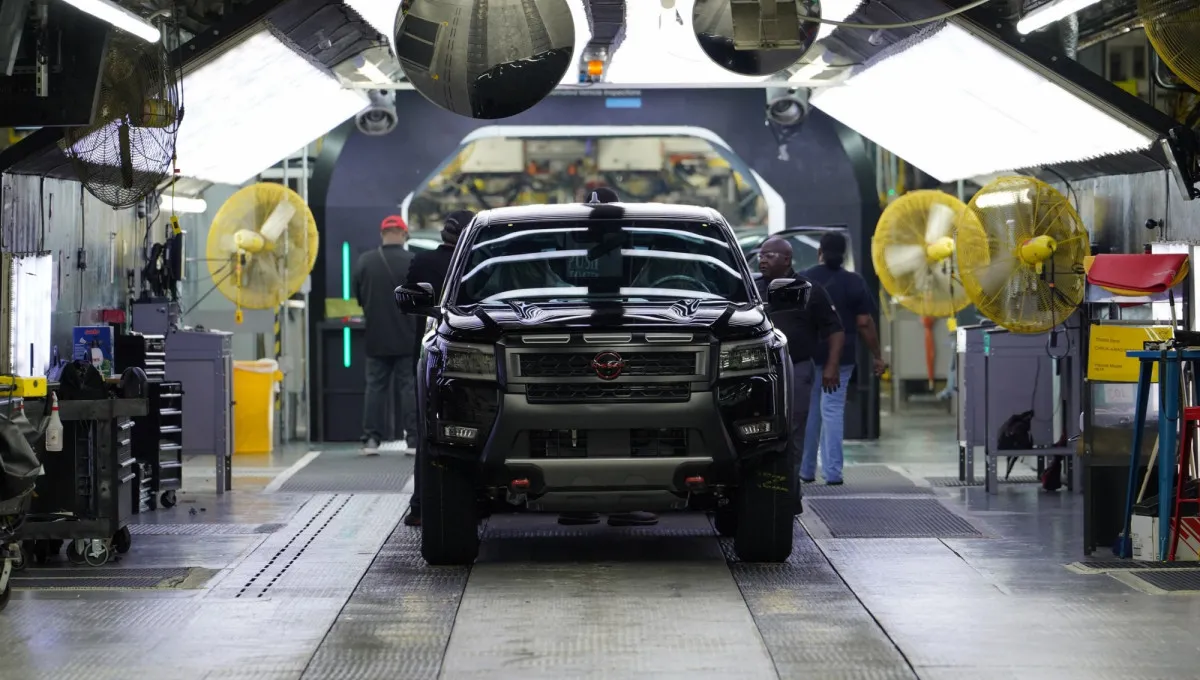
Nissan Restarts US-Made Murano, Pathfinder, Frontier Sales in Canada
Nissan resumed Canadian sales of three U.S.-built models, but tariffs keep supply below earlier levels.

41,748 Ford SUVs and Trucks Recalled—Your Headlights Could Suddenly Stop Working
Ford recalls 41,748 vehicles after contaminated LED chips threaten required headlight performance on newer models.
The Sheriff Knew She Was Speeding—Then This Blonde Driver Turned the Ticket Against Him
A sheriff pulls over a Ferrari for speeding, but the driver's bizarre logic quickly turns the traffic stop against him.
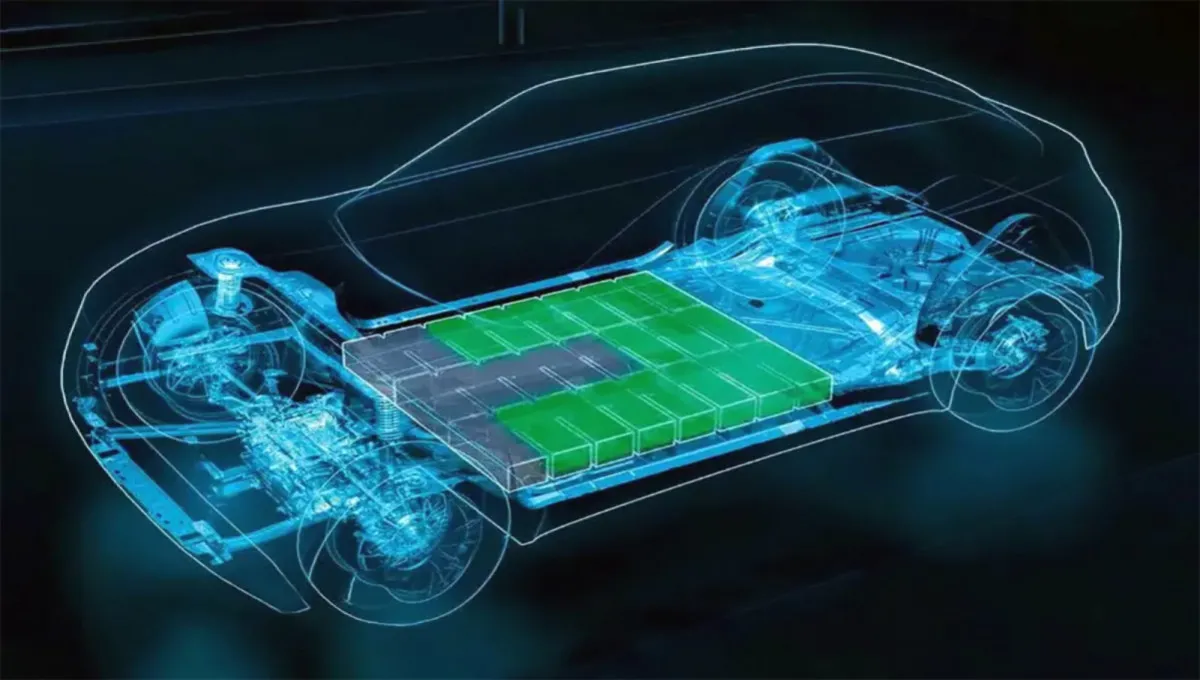
Stellantis Patents System That Lets an EV Drop Its Battery and Drive Away
A new patent details an emergency system that could let an EV disconnect its high-voltage battery and move away from danger.