
How Rivian’s R2-D2 Prototype Became a Symbol of a New Era in Autonomous Driving
At the heart of Rivian’s new philosophy is the idea of “superhuman road perception.”
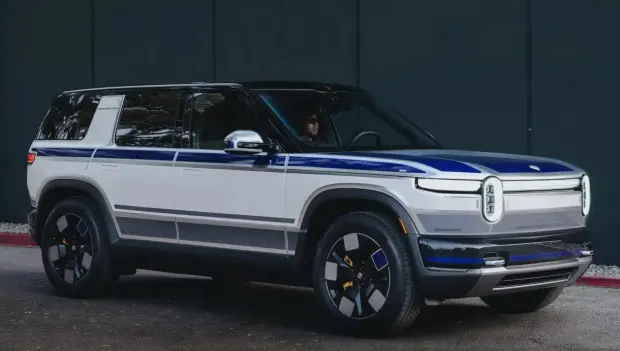
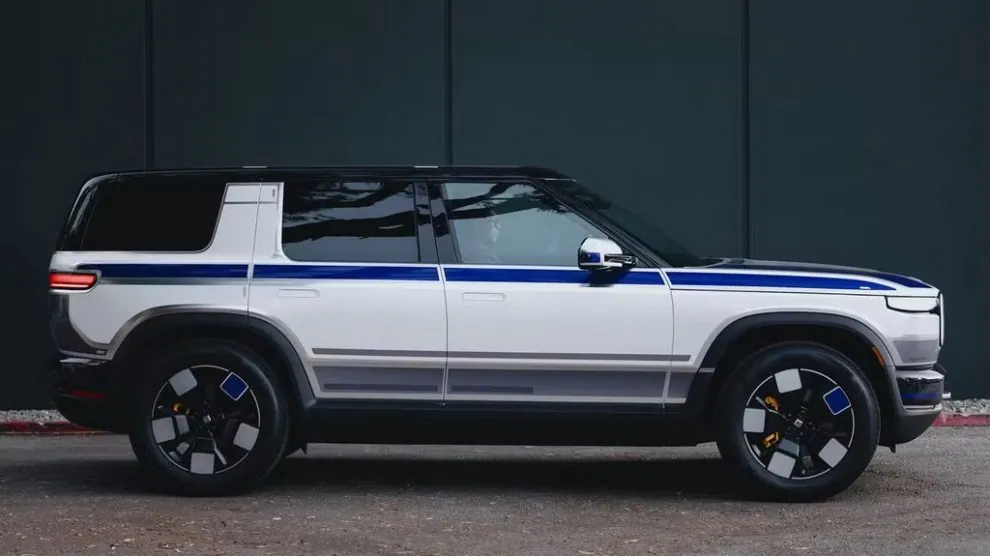
At a recent event focused on autonomous driving, Rivian showcased not only its latest technological advancements but also a striking visual metaphor: a prototype of the upcoming R2 SUV finished in an R2-D2 livery from Star Wars. The imagery felt surprisingly spot-on. Much like the loyal and dependable astromech droid that repeatedly saved the galaxy’s heroes, Rivian’s new autonomy system is designed to be an intelligent, vigilant, and indispensable driving companion.
At the core of Rivian’s new approach is what the company calls “superhuman road perception.” CEO RJ Scaringe has been clear that LiDAR is the key to delivering true 3D vision for vehicles—capabilities that go beyond what stereo cameras can achieve. The sensor will become a standard component across Rivian’s future lineup and will be integrated directly into the roof structure.
To handle the massive data streams coming from cameras, radar, and LiDAR, Rivian has developed its own chip, the Rivian Autonomy Processor 1 (RAP1). Built on a 5-nanometer process, it serves as the foundation of the new Autonomy Compute Module 3, which is capable of processing up to five billion pixels per second, enabling extremely fast system response times.
AI at the Wheel
Unlike popular large language models designed to generate text, Rivian has taken a different path by training artificial intelligence specifically to drive. The result is what the company calls a Large Driving Model (LDM)—a highly specialized neural network trained on enormous volumes of real-world driving data.
It is designed to make informed, nuanced decisions in complex traffic scenarios. This tight integration of high-precision sensors and purpose-built AI will elevate Rivian’s Universal Hands-Free (UHF) driver assistance system, which is set to debut on second-generation R1T and R1S models.

Rivian has already announced pricing for its flagship Rivian Autonomy+ system. Buyers will be able to purchase it outright for $2,500 or subscribe for $49.99 per month—nearly three times cheaper than Tesla’s Full Self-Driving package. Looking ahead, Rivian is targeting Level 4 autonomy. However, the company emphasizes that even advanced systems still require driver attention. For example, Universal Hands-Free will initially operate only on roads with clear lane markings.
The first vehicle to receive the new ACM3 compute module with integrated LiDAR will be the R2, which is scheduled to enter production in 2026. As the technology matures and adapts to a wider range of driving conditions, this “loyal R2” in vehicle form could one day become as familiar in everyday life as its on-screen inspiration once was.
You may also be interested in the news:
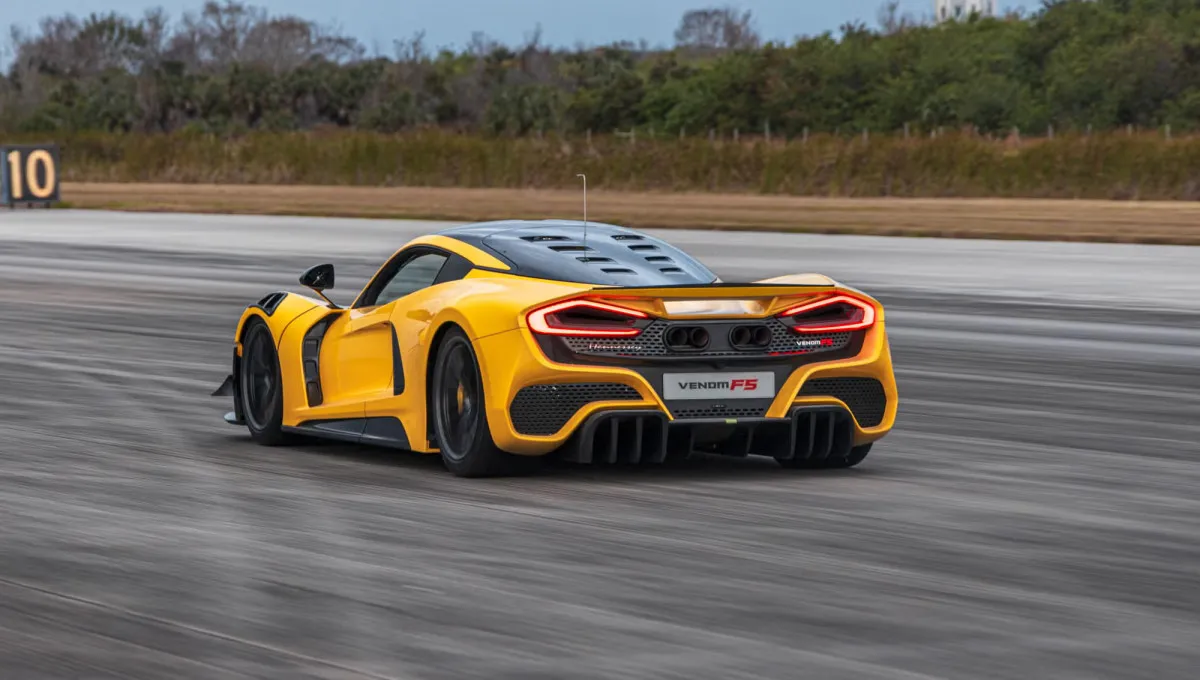
Experts Name the Two Most Powerful Production Sports Cars in the U.S.
American sports cars continue to impress with their horsepower, speed and innovative engineering, with two models standing above the rest.
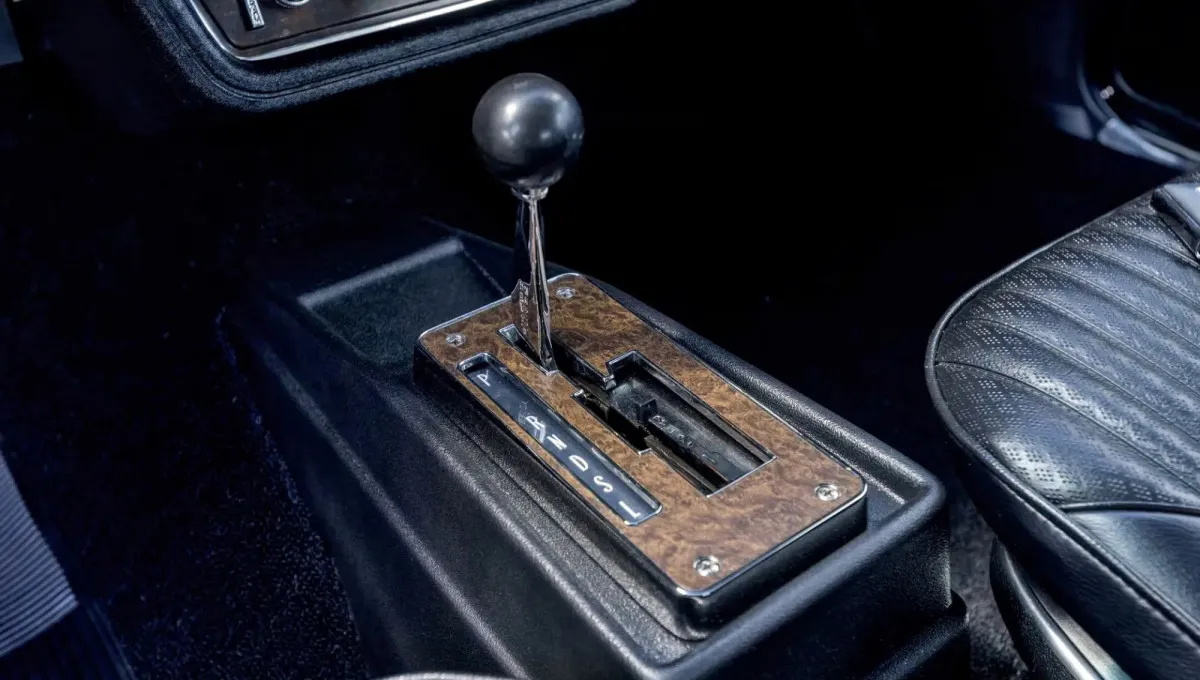
How Oldsmobile Invented a Manual Gearbox for an Automatic
Long before paddle shifters and electronic driving modes, Oldsmobile found a clever mechanical way to let drivers shift an automatic transmission themselves.
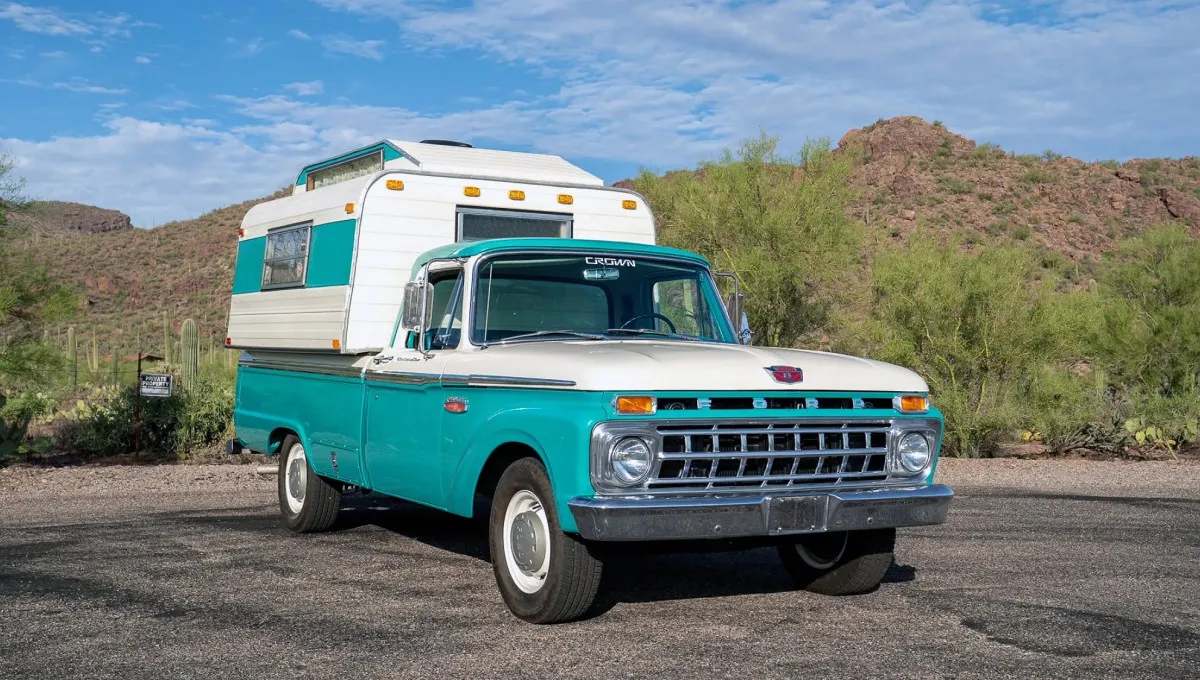
This 1965 Ford F-250 With a Mitchell & Sons Camper Is a Charming Retro Travel Companion
The 1965 Ford F-250 and Mitchell & Sons camper share colors, period styling, and compatibility.
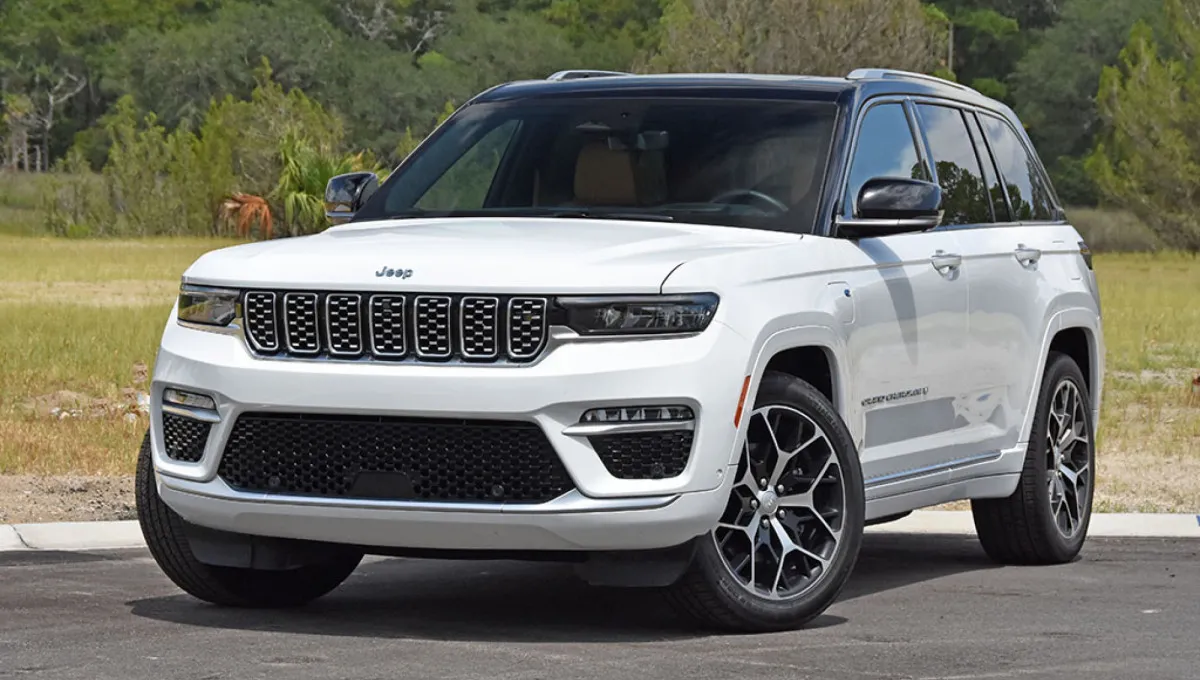
328,000 Jeep Grand Cherokees Recalled Over a Hidden Crash Risk — Owners Should Act Now
Chrysler is recalling more than 328,000 Jeep Grand Cherokees over a rear coil spring problem that could increase the risk of a crash.
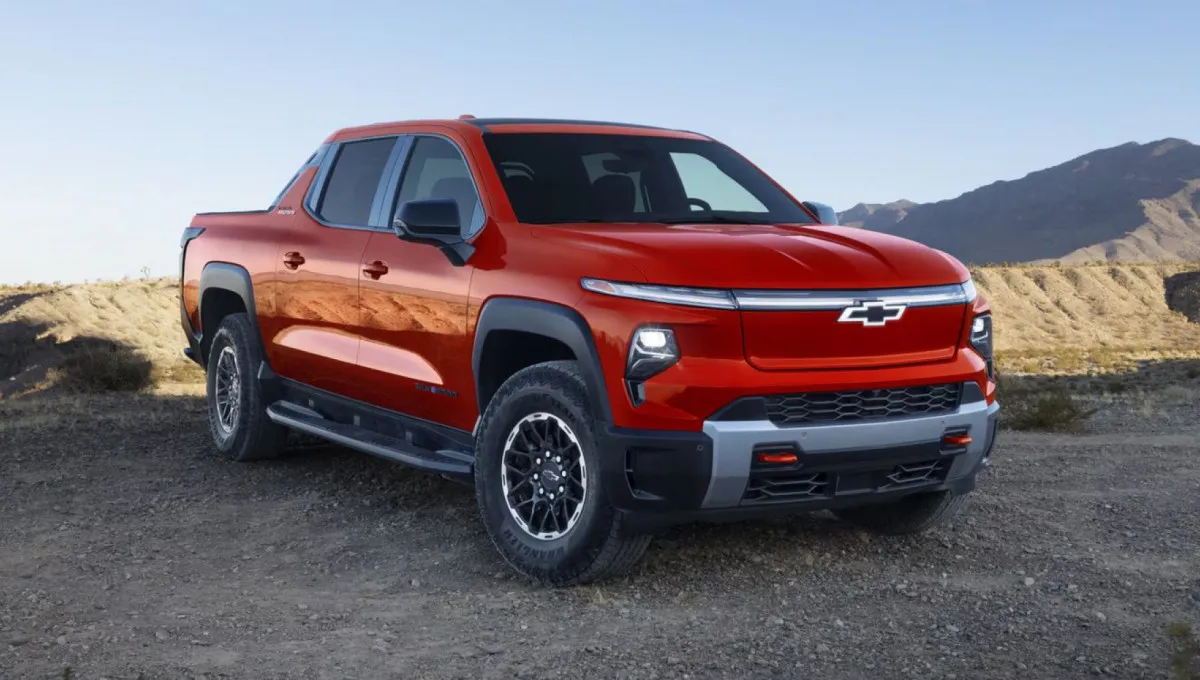
Chevrolet Raises Prices on 2027 Silverado EV and Cuts the Lineup
Chevrolet raises 2027 Silverado EV prices and cuts two trims amid weak electric-pickup demand in the market.