
Ford adjusts EV strategy amid softer demand and shifting political landscape
Ford is pivoting away from its once-ambitious electric vehicle plans amid financial losses in favour of investment in gasoline engines and hybrid EVs.
Ford is scaling back its aggressive push into electric vehicles as mounting losses force the automaker to refocus on gasoline engines and hybrid models, the company said Monday.
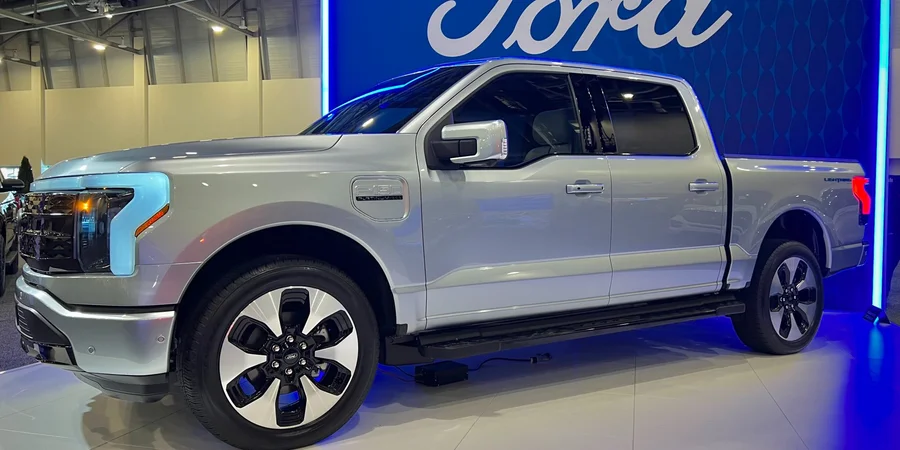
After investing billions in electrification, Ford has decided it will no longer produce the all-electric F-150 Lightning pickup, choosing instead to develop an extended-range version that combines electric drive with a gasoline engine.
The strategy shift also includes changes at several U.S. plants. Ford’s Tennessee Electric Vehicle Center, originally intended as the cornerstone of its EV future within the BlueOval City complex, will be renamed the Tennessee Truck Plant and will build lower-cost gas-powered trucks. Meanwhile, the Ohio Assembly Plant will be repurposed to manufacture a new gasoline and hybrid van.
Ford said it has lost $13 billion on its EV operations since 2023 and expects total losses to reach $19.5 billion, most of which will be recorded in the fourth quarter.
“This is a customer-driven shift to create a stronger, more resilient and more profitable Ford,” CEO Jim Farley said in a statement.
“The operating reality has changed, and we are redeploying capital into higher-return growth opportunities: Ford Pro, our market-leading trucks and vans, hybrids and high-margin opportunities like our new battery energy storage business.”
Looking ahead, Ford now projects that hybrids, extended-range EVs, and fully electric vehicles will account for about 50% of its global sales by 2030, up from 17% this year.
Industry analysts say the move was expected. “Ford’s elimination of the electric F-150 Lightning is not much of a surprise after the truck failed to come close to filling the plant’s capacity,” Sam Fiorani, vice president at AutoForecast Solutions, told The Associated Press.
“For months, the future of BlueOval City has been in question and this announcement locks in the direction of this large plant," Fiorani added. "Adding an affordable vehicle to the Ford lineup fills a glaring gap in the market.”
Ford’s pullback mirrors a broader industry trend as EV demand in the U.S. continues to lag earlier forecasts. Electric vehicles accounted for roughly 8% of new vehicle sales last year, with high prices and charging access remaining major barriers. According to Kelley Blue Book, the average EV transaction price last month topped $58,000, well above the industry average.
Political headwinds have added to the pressure. Since returning to office, President Donald Trump has reversed many EV-friendly policies introduced under former President Joe Biden, including tax incentives and stricter emissions rules.
“The one-two punch of the public’s slow EV adoption and the Trump administration’s softer stance on fuel economy and emissions has encouraged every automaker to re-think their current direction," Fiorani added. “Electric vehicles are still the future, but the transition to EVs was always going to take longer than automakers have been promising the public.”
You may also be interested in the news:
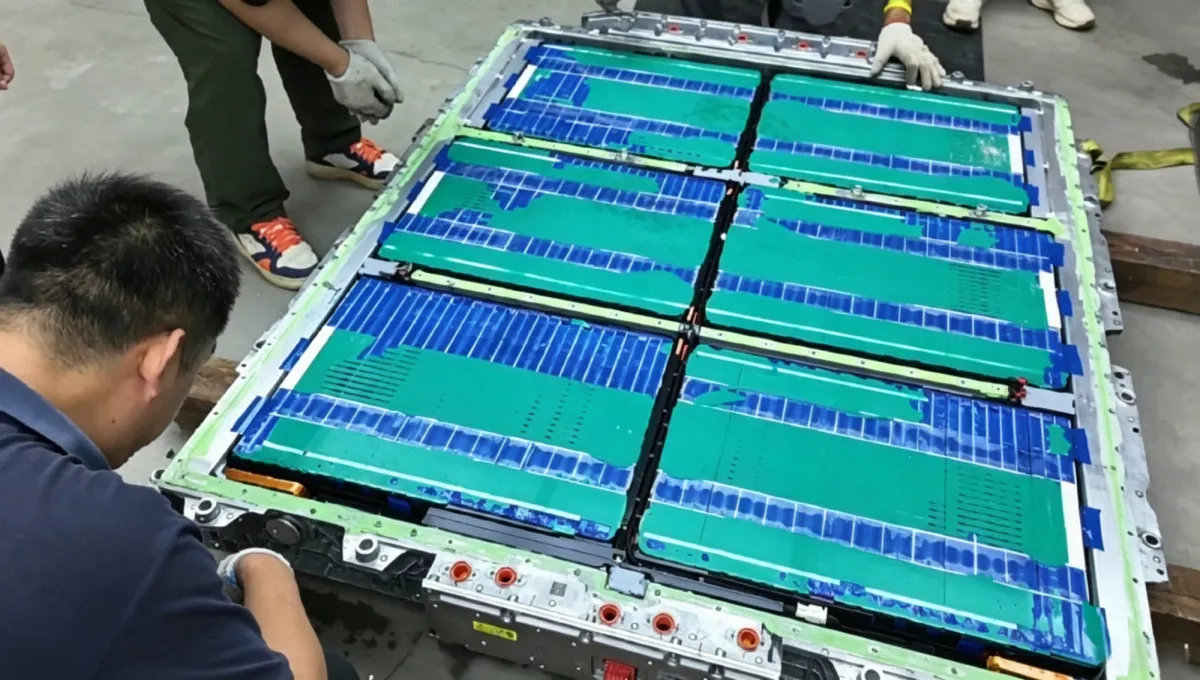
BYD Patents a Battery That Is Cooled by Literally Submerging It in Liquid
A new BYD patent describes a battery architecture that uses dielectric fluid to cool battery modules while keeping electrical components dry.
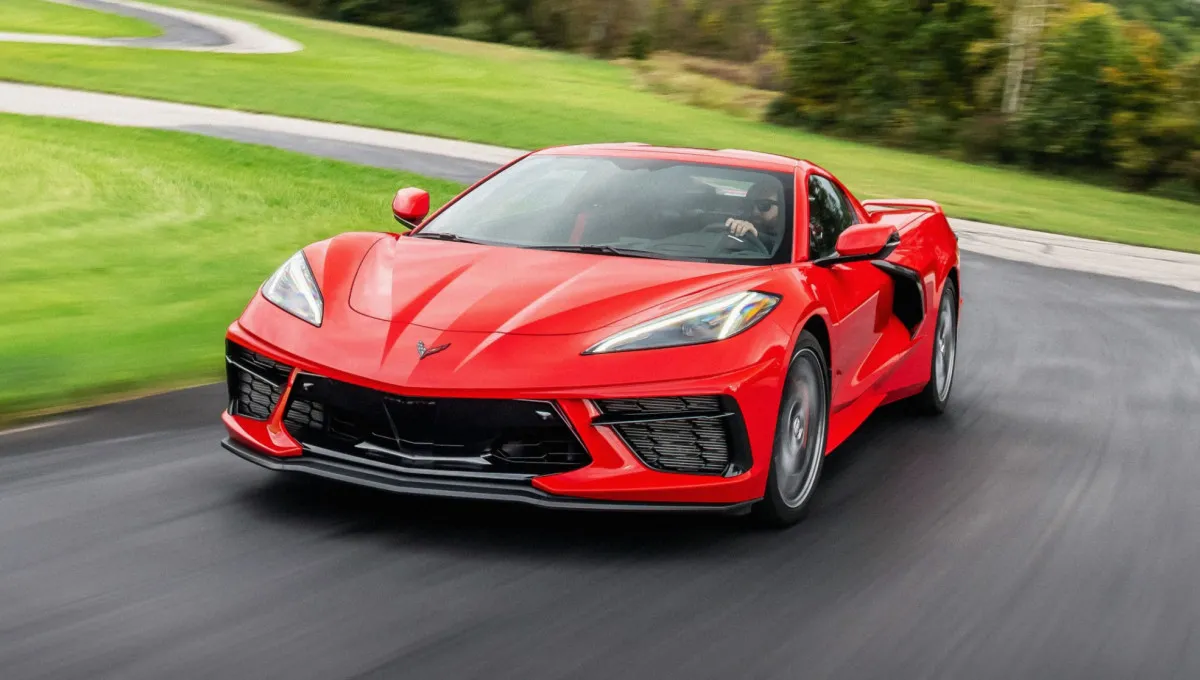
5 of the Most Beautiful Chevrolet Cars: Timeless Designs With Stunning Silhouettes
Which Chevrolet models deserve to be called the most beautiful?
Nissan Restarts US-Made Murano, Pathfinder, Frontier Sales in Canada
Nissan resumed Canadian sales of three U.S.-built models, but tariffs keep supply below earlier levels.
2027 Ford Bronco RTR Priced From $50,495—Undercuts Bronco Raptor by $31,500
Ford has set the starting price for the 2027 Bronco RTR, with orders expected to open later this year.
41,748 Ford SUVs and Trucks Recalled—Your Headlights Could Suddenly Stop Working
Ford recalls 41,748 vehicles after contaminated LED chips threaten required headlight performance on newer models.