
Mercedes Auto 2000: An Experimental Car That Was Decades Ahead of Its Time
The prototype stood out for being technologically far ahead of its era—by decades.
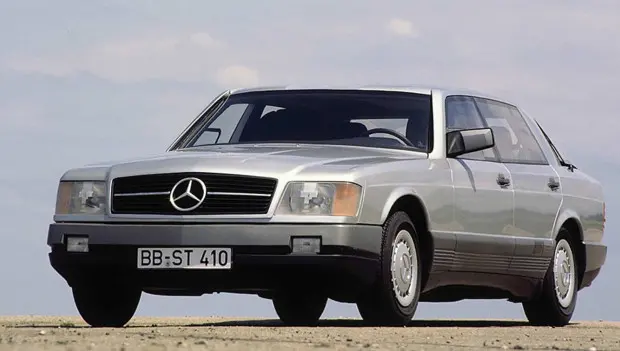
The Stuttgart-based automaker Mercedes-Benz has long been known not only for the high quality of its vehicles, but also for innovations that often put it well ahead of competitors. One striking example is the Mercedes-Benz Auto 2000 concept. This experimental vehicle distinguished itself by introducing technologies that were decades ahead of their time.
The concept car debuted at the 1981 Frankfurt Motor Show, in the aftermath of the second global oil crisis. At the time, automakers were urgently searching for ways to improve fuel efficiency. Mercedes’ response was the Auto 2000 prototype—a car that remains impressive even by today’s standards.
The project’s technical brief called for fuel consumption of less than 11 liters per 100 kilometers for vehicles weighing more than 1,750 kg (about 3,860 pounds). To meet these ambitious targets, Mercedes engineers focused first and foremost on design.
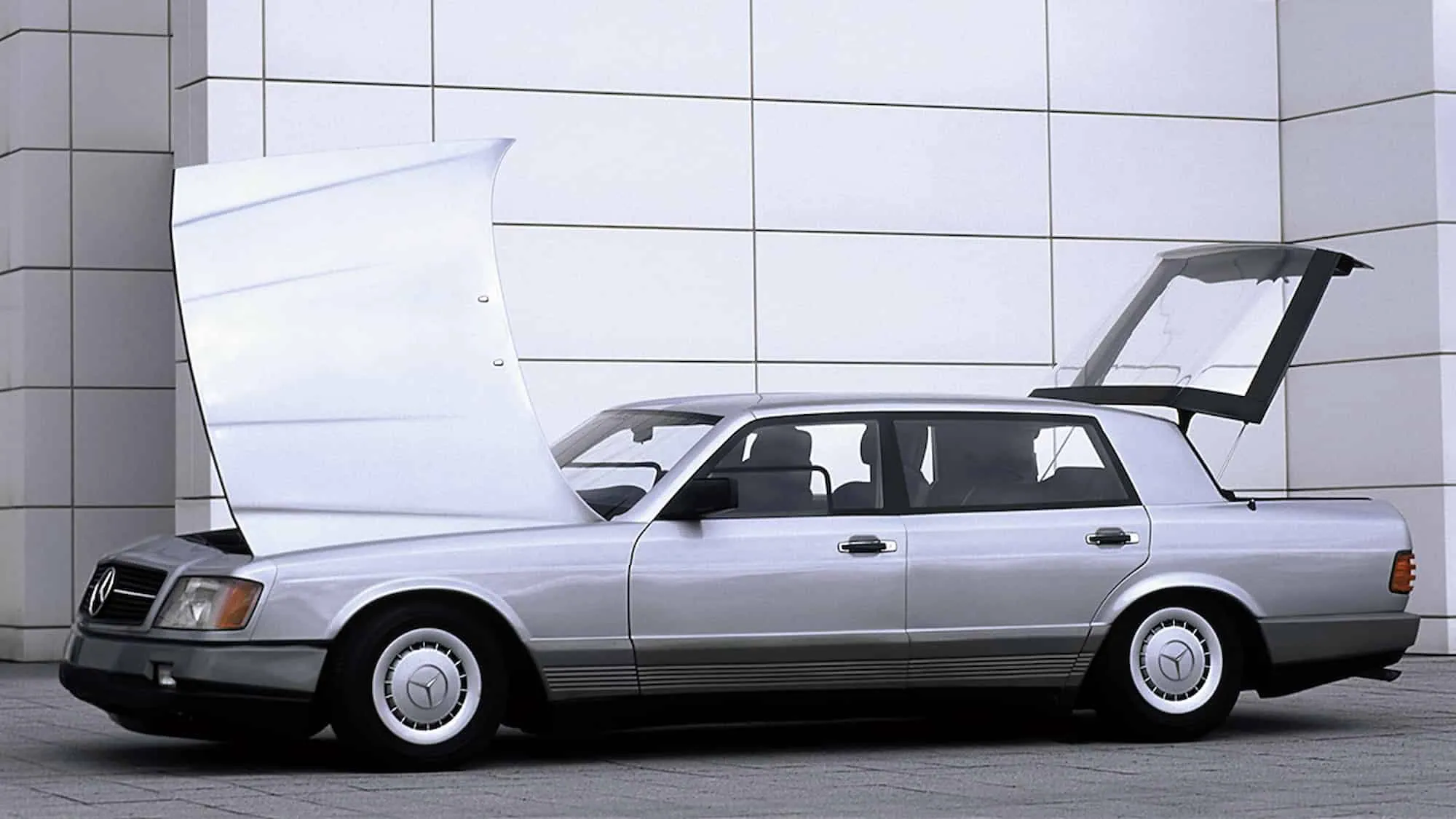
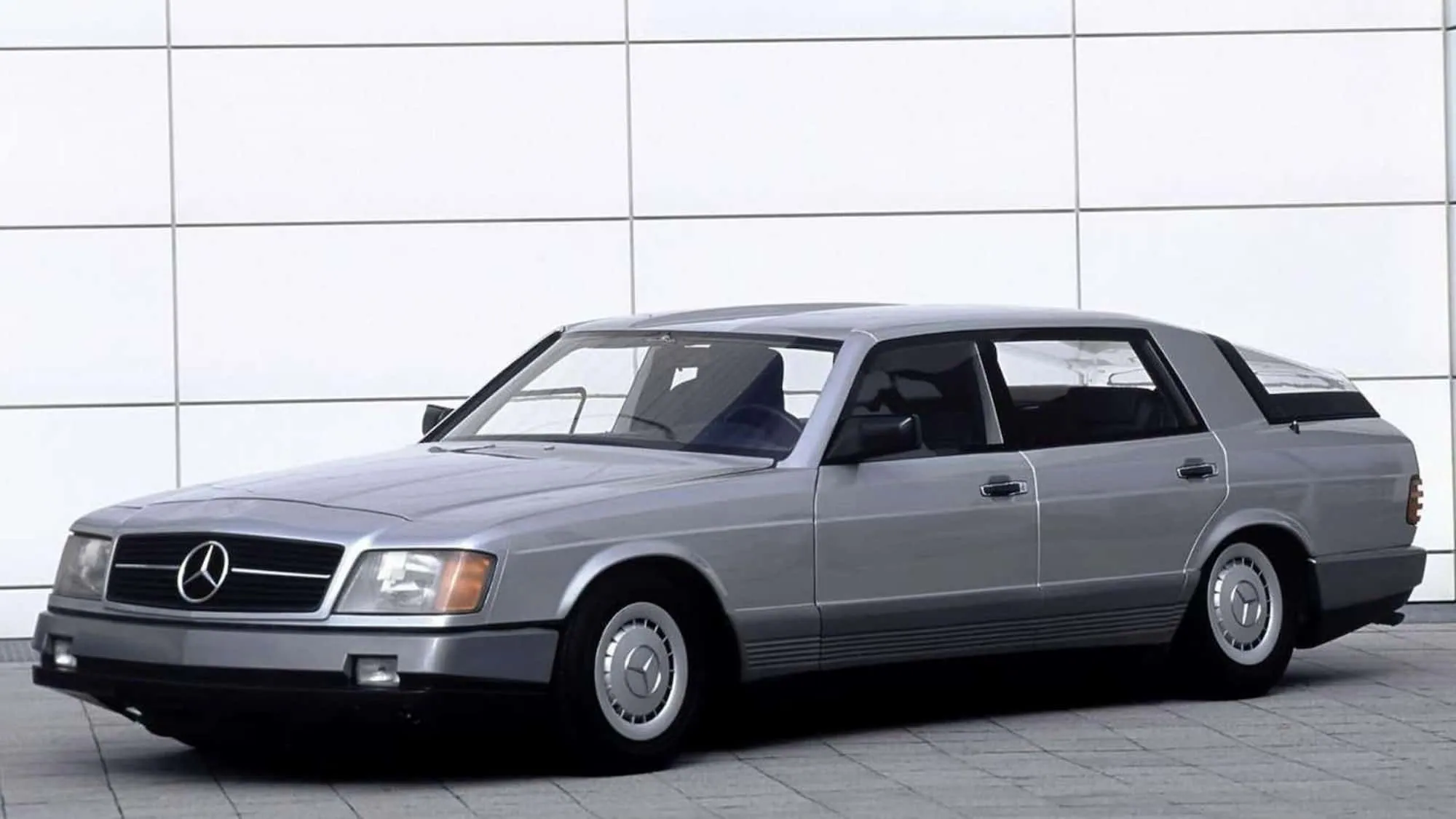
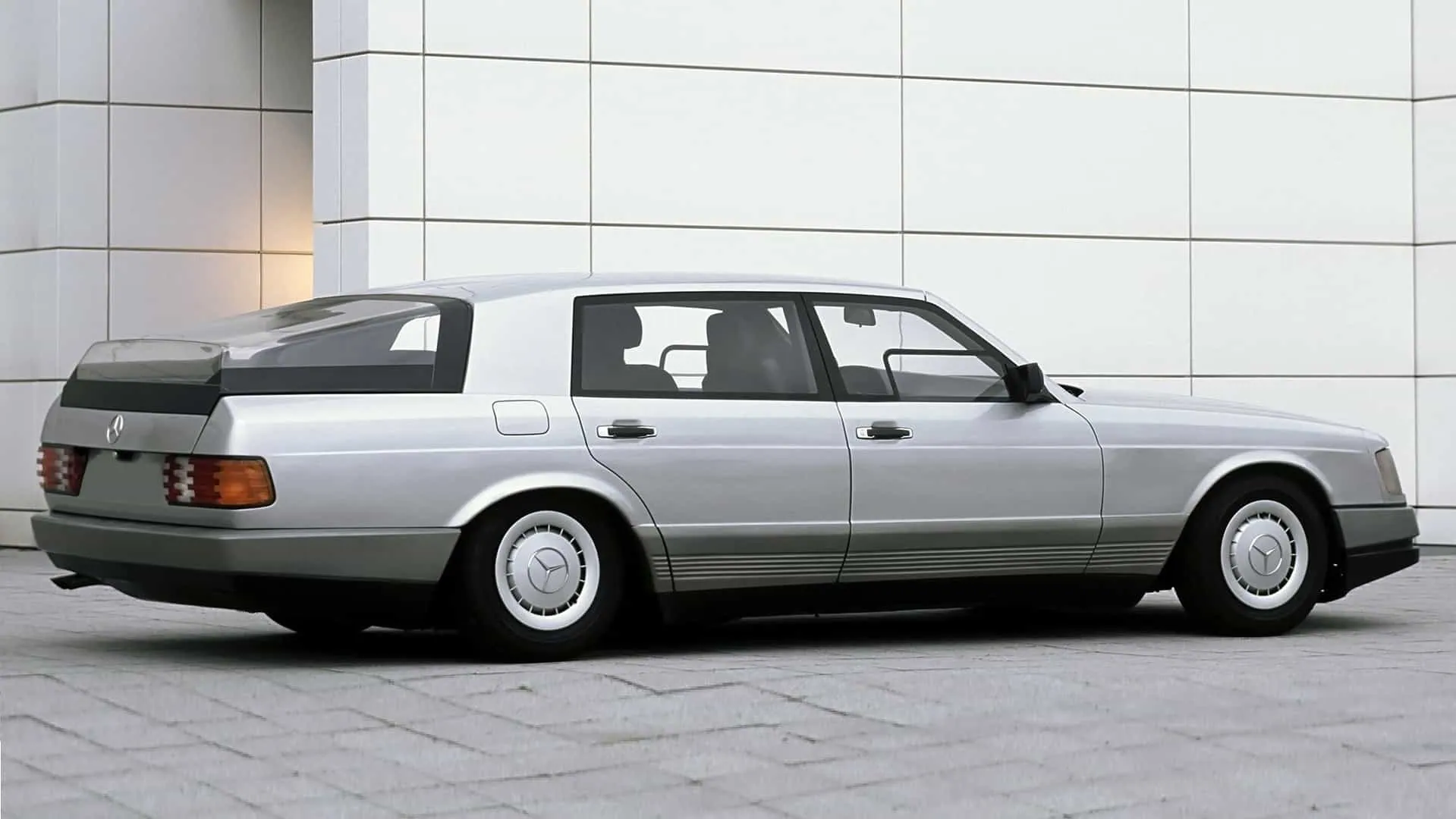
The Auto 2000 was given a five-door shooting brake body style, intended to reduce weight and optimize aerodynamics. It featured an enormous rear window and a tail section with a distinctive Kammback design.
At the front, the concept previewed styling cues that would later appear on the W140 S-Class, which debuted in 1991—exactly a decade later.
Parts of the front end were made from plastic to improve pedestrian protection in the event of a collision. Combined with windshield wipers hidden beneath an unusually opening hood, these measures helped the Auto 2000 achieve an impressively low drag coefficient of just 0.28.
Mercedes considered several powertrain options for its innovative sedan. These included a 3.8-liter V8 diesel producing 150 horsepower and featuring an advanced cylinder deactivation system, as well as a 3.0-liter inline-six with twin turbochargers.
With the latter engine, fuel consumption was projected at an astonishing—for the time and for a car of this size—7.5 liters per 100 kilometers (around 31 mpg) at a steady 120 km/h (75 mph). Ultimately, however, engineers chose a third option: a gas turbine.
Despite all these efforts, Mercedes never turned the Auto 2000 into a production model. The project was ultimately shelved, remaining a fascinating experiment rather than a road-going reality.
You may also be interested in the news:
These 5 Mercedes-Benz Models Can Look Like Bargains — Until the Repair Bills Arrive
These five used Mercedes-Benz models have reported issues that could turn an attractive bargain into an expensive ownership headache.
Mercedes G-Class Loses Its Roof and Gains 800 HP in Brabus' Wildest SUV Yet
Brabus has unveiled a new open-top SUV based on the Mercedes-Benz G-Class, packing 800 horsepower and serious off-road capability.
These Wild New EVs Look Like They Drove Straight Out of a Sci-Fi Movie
Saudi automaker Ceer has unveiled two futuristic electric models that look more like movie props than production cars.
10 Wild BMW Concepts That Never Made It to Production — And the Cars They Inspired
From the Turbo to the M1 Hommage, these 10 BMW concepts showed ideas the automaker never brought to showrooms.
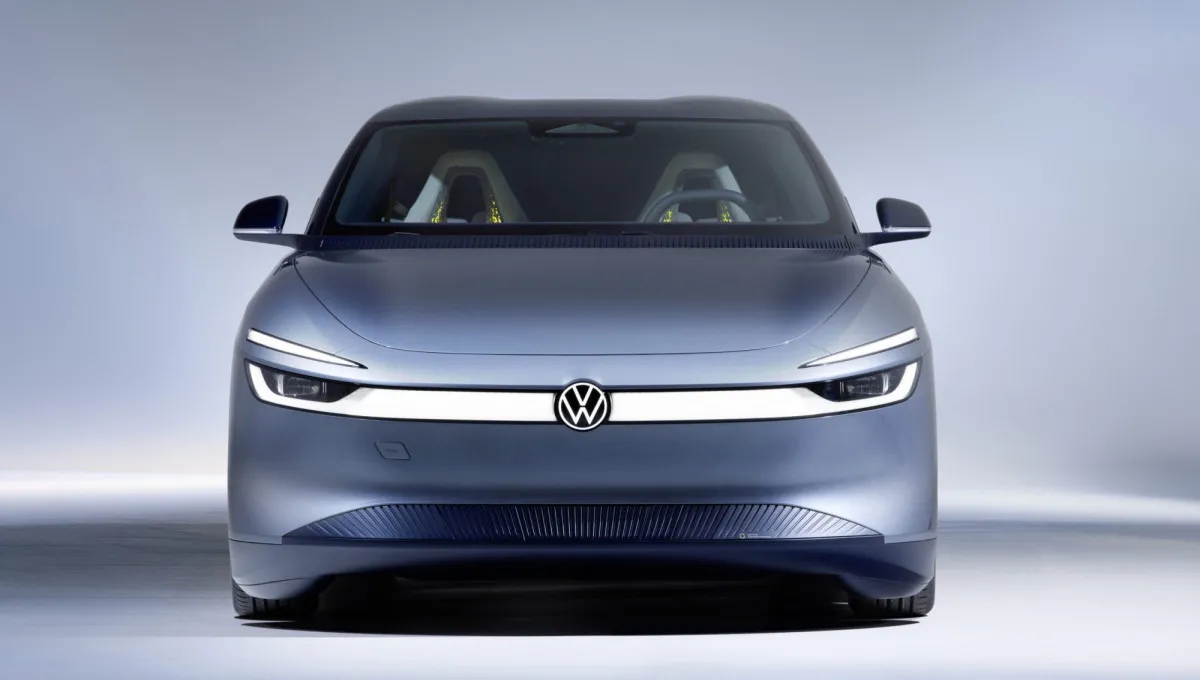
Volkswagen Mission Efficiency Concept Sets Three World Records, Looks Like a 13-Year-Old Model
Volkswagen has unveiled the new Mission Efficiency concept, a radical electric coupe focused on maximizing range and energy efficiency.