
An Engineer Breaks Down the Biggest Turbocharged Car Mistakes That Can Destroy an Engine
Automakers often don’t fully explain the fine print of owning a turbocharged vehicle

Nearly all modern cars now come equipped with turbocharged engines. For automakers, turbocharging is an efficient way to boost power while keeping fuel consumption and engine size in check. What manufacturers don’t always spell out, however, are the real-world operating quirks of turbo engines—and the mistakes owners should avoid. An engine engineer recently highlighted these issues in comments to Auto30.com.
Today, small-displacement turbo engines can be found across the entire lineup, from compact cars to large crossovers and even full-size SUVs. This strategy also helps manufacturers cut costs. The downside is that a relatively heavy vehicle is often powered by a compact engine that isn’t designed for constant extra strain. As a result, modern vehicles with small turbocharged engines are generally not well suited for towing other vehicles or heavily loaded trailers.
Fuel quality is another critical point. Turbo engines are far more sensitive to gasoline quality and octane rating. Owners should refuel only at reputable gas stations and strictly follow octane requirements. In practical terms, the lowest acceptable fuel for daily use is typically premium gasoline rated at 91 octane (AKI), which corresponds to 95 RON in Europe. Depending on the engine’s compression ratio, some models may benefit from even higher-octane fuel or gasoline with specialized additives.
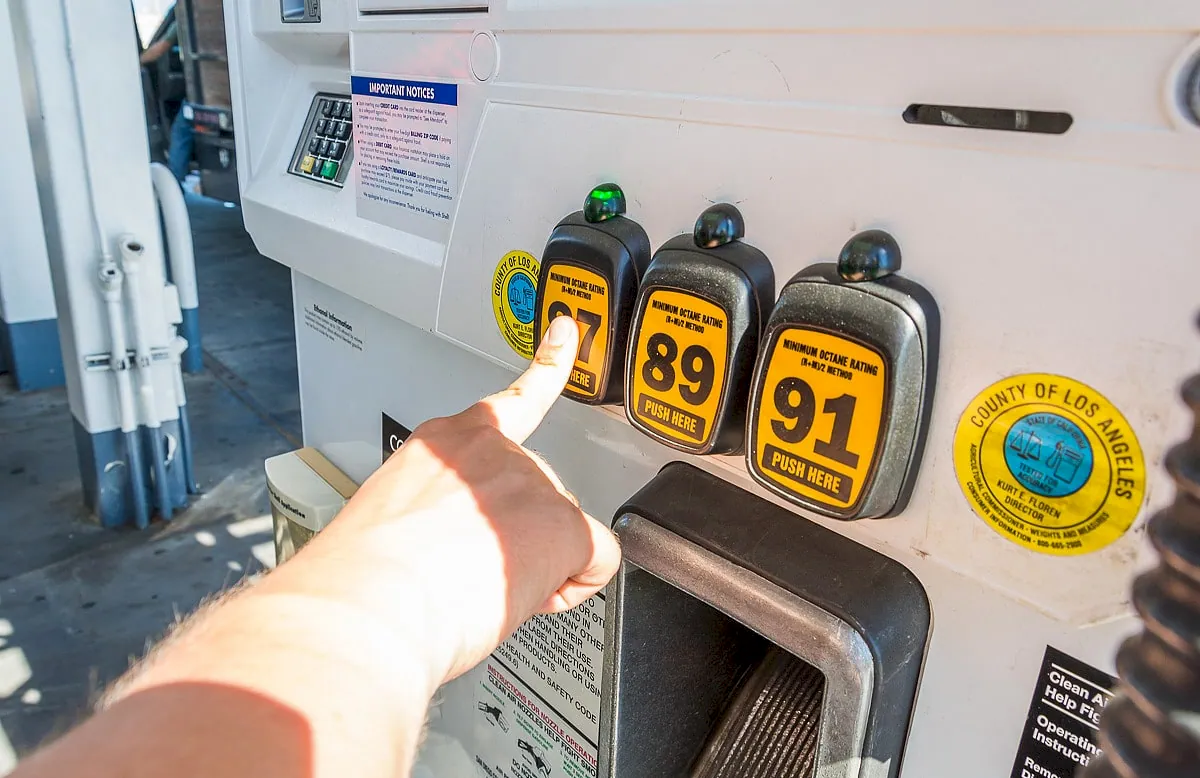
Cooling and lubrication of the turbocharger are equally important. Turbo engines place greater demands on motor oil, which is why oil changes should be done more frequently than in naturally aspirated engines. For turbocharged setups, engineers recommend changing the oil roughly every 4,300 to 5,000 miles. This not only helps extend engine life but also protects the turbocharger itself—an expensive component to repair or replace.
Turbo cooling deserves special attention as well. Most of the cooling occurs through airflow passing through the system, which is why a turbocharged engine should never be shut off immediately after a hard drive. Instead, the car should idle briefly. In modern vehicles, 30 to 40 seconds is usually sufficient for the turbo to cool down. Older models may require a longer idle period of about 90 seconds to 2 minutes.
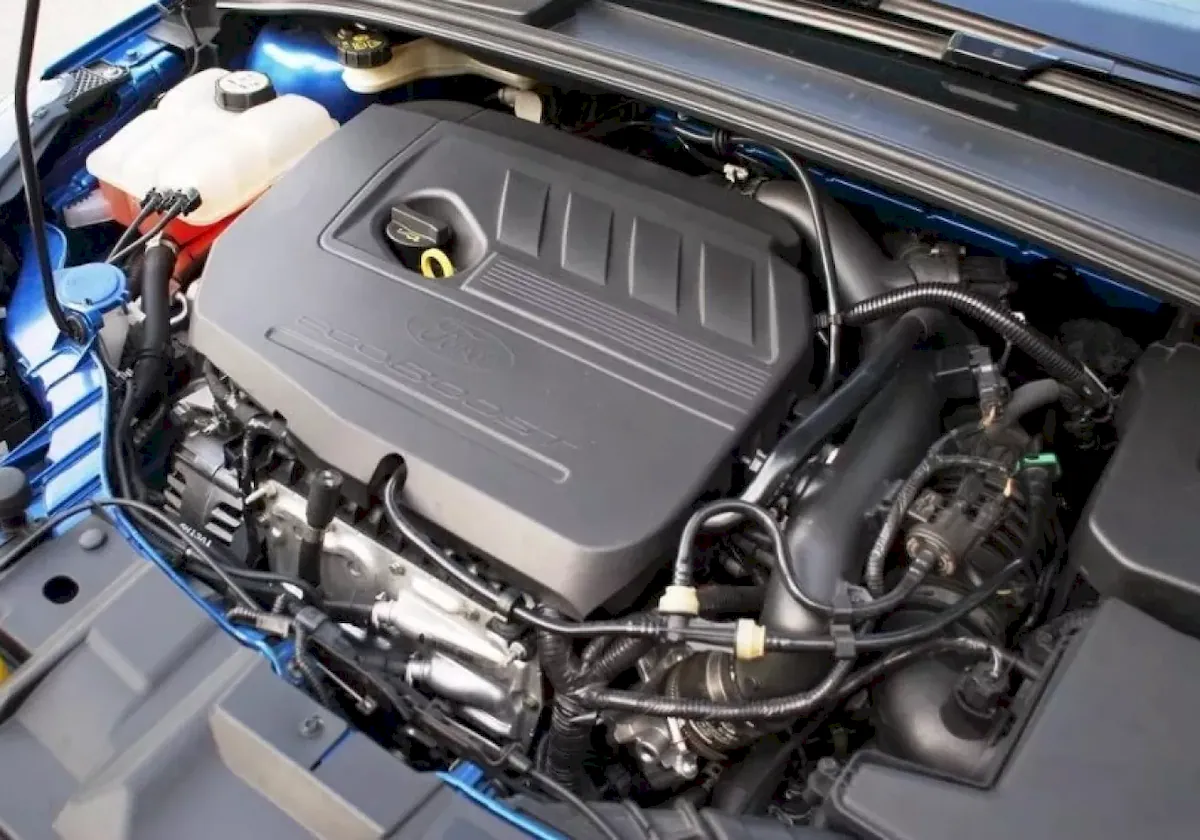
To address this, many vehicles are equipped with security or remote-start systems that allow for delayed engine shutdown, giving the turbo time to cool properly. And, of course, routine maintenance goes far beyond oil and filter changes. Owners should closely monitor the cooling system, replace coolant more frequently, and regularly clean the radiator and intercooler. Keeping the radiator grille and air intakes free of debris is essential to avoid overheating and premature wear.
In short, turbocharged engines deliver strong performance and efficiency—but only if they’re treated with the care they require.
You may also be interested in the news:
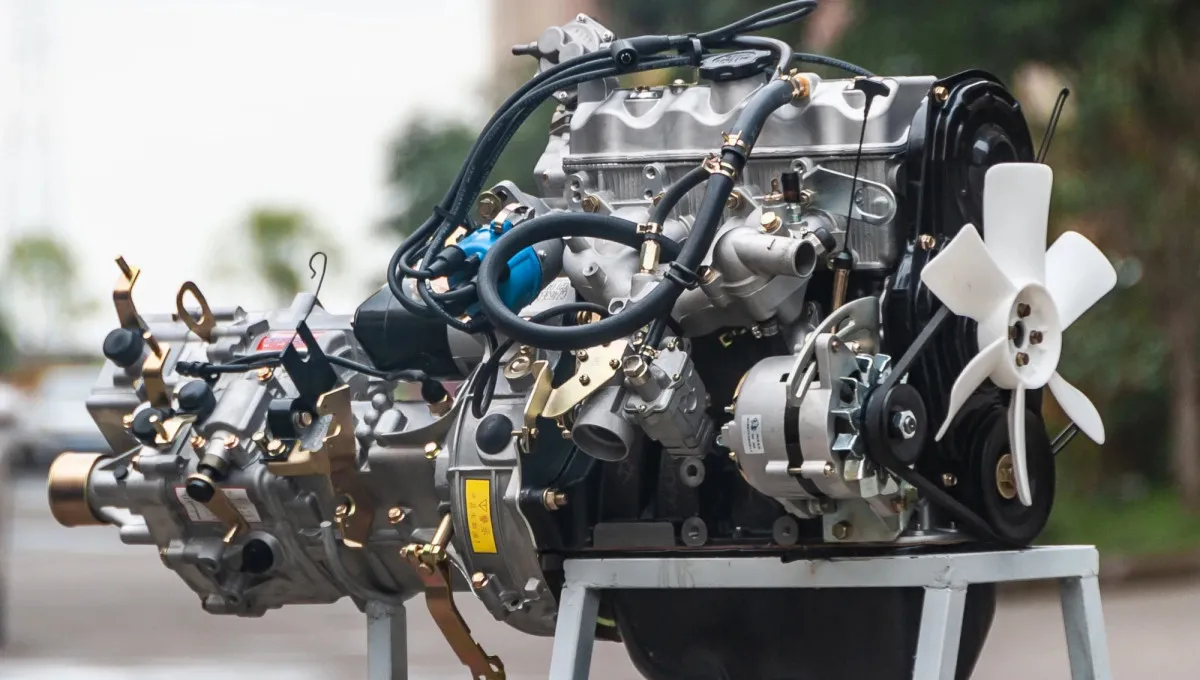
“Are You Sure It’s Chinese?” Who Really Builds China’s Car Engines
Who Really Develops China’s Car Engines?
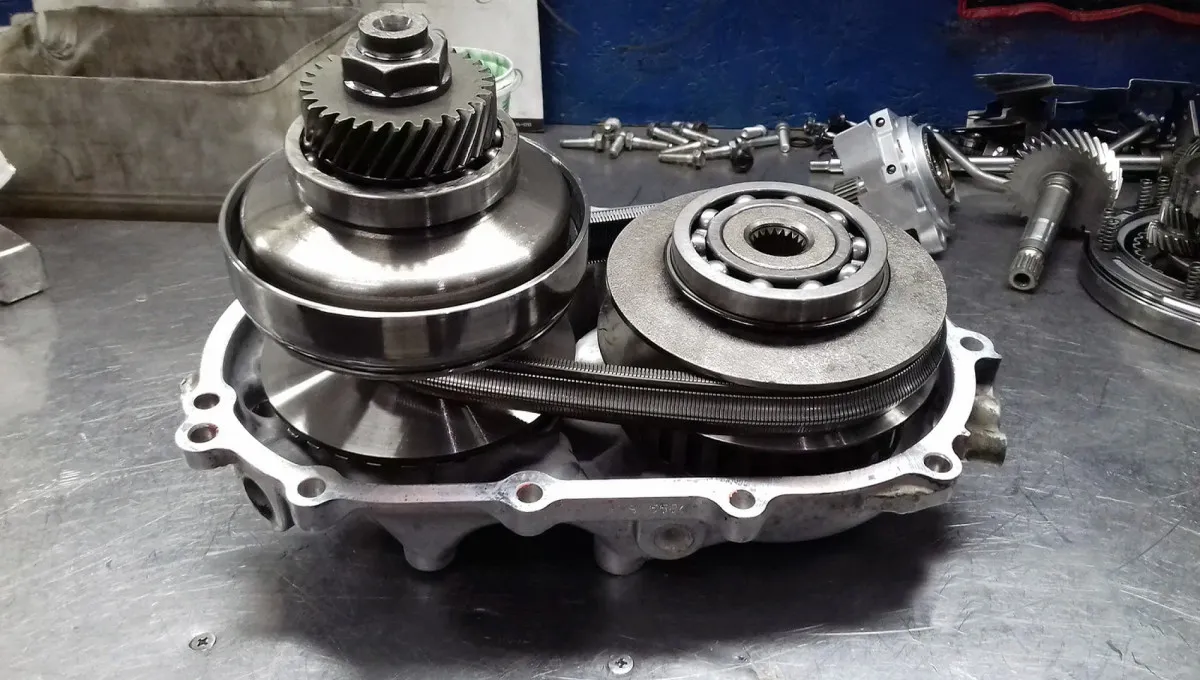
Why Experienced Drivers Still Warn Against Buying a Used Car With a CVT
CVTs offer smooth acceleration and good fuel economy, but expensive repairs and durability concerns make used models risky.

Hidden Key Fob Trick: Open All Your Car Windows With One Button
An auto mechanic explains how drivers can remotely open and close car windows using a key fob, provided the vehicle has the right hardware.
8 Car Maintenance Mistakes That Could Cost You Thousands if You Wait Too Long
Depending on driving conditions, some maintenance tasks may need to be performed sooner and more often than the automaker recommends.

How Long Will Your Car Last? A Guide to Making It Age Gracefully
Automotive experts explain how routine maintenance and timely replacement of aging components can help your car last longer.